
TL;DR
- Amphoreus suffered from excessive pacing across eight versions versus Penacony’s four
- The 5-star character inflation created banner confusion and revenue loss for Hoyoverse
- Critical narrative hooks were missing compared to Firefly’s impactful death in Penacony
- Version consolidation could have eliminated 40% of unnecessary content
- Future arcs need better faction integration and meaningful consequences
The Amphoreus narrative arc has concluded its extended run across eight complete version cycles, establishing itself as the most prolonged storyline in Honkai Star Rail’s history. Following the critically acclaimed Penacony arc, community anticipation for subsequent content reached unprecedented levels, with the Amphoreus reveal intensifying expectations to near-impossible standards. Initial promotional materials showcased an epic adventure featuring twelve distinct characters, set within a previously unexplored realm that even the Trailblaze Aeon Akivili had never charted. Veteran Hoyoverse enthusiasts quickly recognized parallels to the esteemed Elysian Realm storyline from Honkai Impact 3rd, widely regarded as the developer’s narrative masterpiece.
Unfortunately, Amphoreus ultimately failed to meet these elevated expectations, succumbing to fundamental pacing deficiencies, absent dramatic peaks, and a year-long narrative progression that culminated in an underwhelming conclusion. This comprehensive examination details the specific shortcomings of the Amphoreus saga and proposes concrete solutions for enhancement in the forthcoming Edo Star narrative.
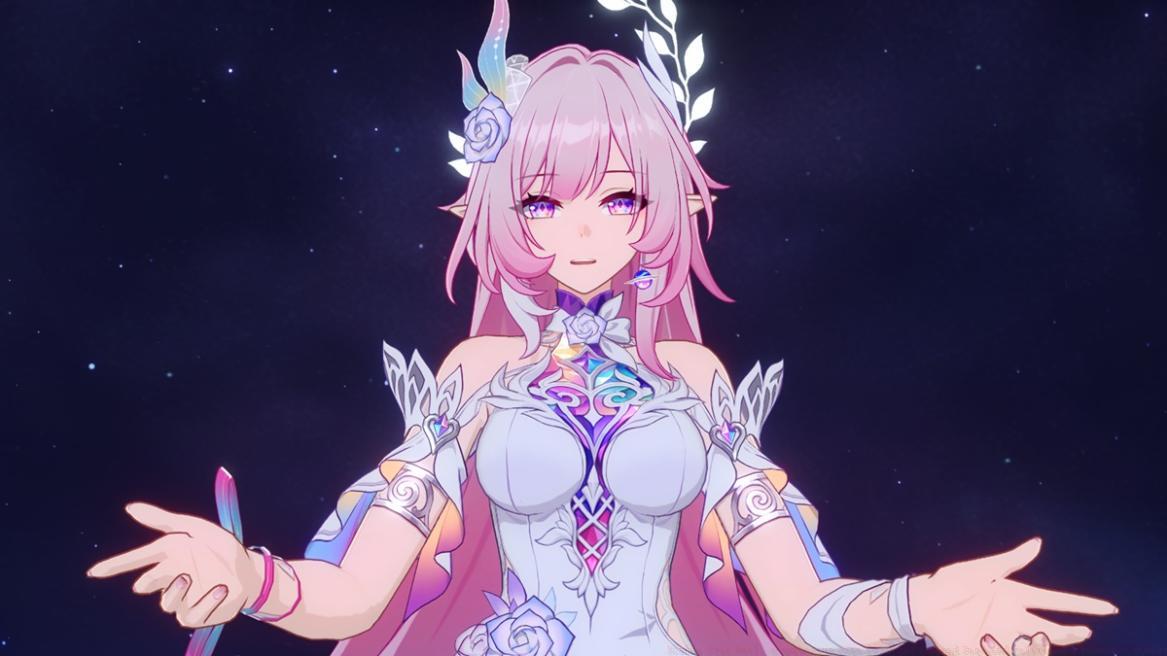
The primary deficiency in Amphoreus’ execution stemmed from severely compromised pacing mechanics and an excessively prolonged narrative foundation. While Penacony achieved narrative completion within four concise versions, Amphoreus extended this framework to eight full cycles. Although gradual story development represents valid narrative strategy, the fundamental constraint of Honkai Star Rail’s 42-day version cycle creates critical engagement windows. When initial update content fails to establish compelling narrative hooks, player anticipation for subsequent installments arriving nearly two months later inevitably diminishes. The optimal solution would have involved strategic version consolidation.
Firefly’s dramatic demise served as Penacony’s powerful initial engagement mechanism. Amphoreus critically lacked any equivalent compelling introductory catalyst.
Consider the structural relationship between versions 3.0 and 3.1 as indicative case studies. Version 3.0 functioned essentially as an extended prologue to the Amphoreus setting, featuring an antagonist that failed to resonate with the player base. The subsequent 3.1 update introduced the exceptionally well-received character Anaxagorus, revealed the emotionally resonant Tribbie and Mydei narrative thread, and presented the substantially more engaging Flame Reaver adversary.
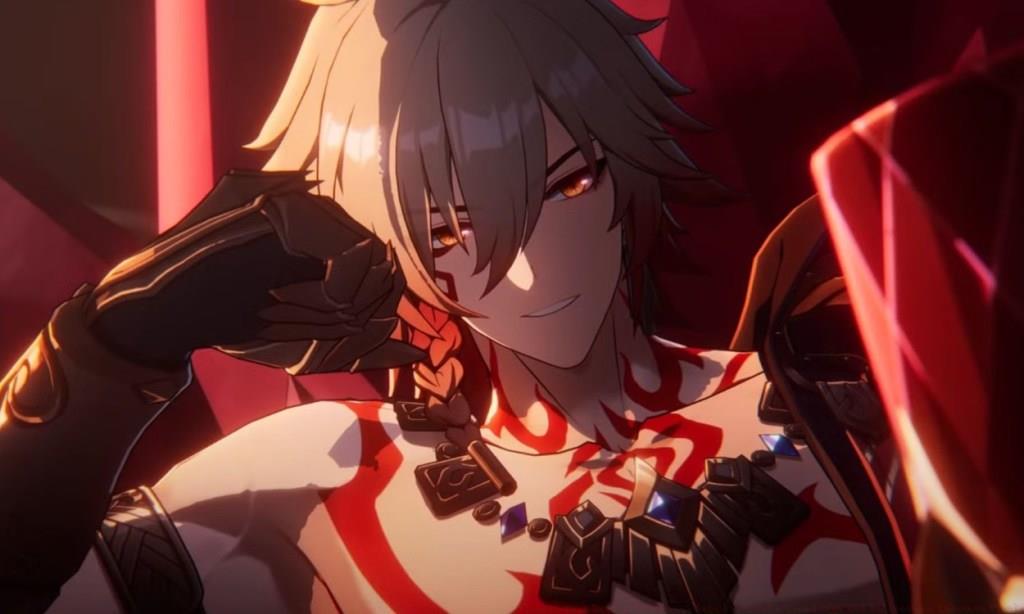
However, adhering to established Hoyoverse narrative patterns, the writing team incorporated a complete subplot concerning a Kremnoan faction member abducting Trianne—a narrative element that generated minimal player investment. A superior approach would have merged both versions into a single cohesive narrative unit, eliminating approximately 40% of extraneous content to create a more streamlined experience that maintained audience engagement. Similar consolidation opportunities existed between versions 3.3 and 3.4, while version 3.5 could have been omitted entirely without narrative impact.
The underlying rationale for this prolonged narrative structure appears connected to marketing all promised character introductions. This challenge could have been mitigated through strategic character rarity distribution, introducing select roster members as 4-star units. Presenting fourteen exclusive 5-star characters within a single narrative arc represents fundamentally flawed character economy design.
Honkai Star Rail enthusiasts consistently engage in meticulous banner strategy planning, optimizing their precious Stellar Jade resources for maximum value acquisition. However, even the most sophisticated planners encounter decision paralysis when confronted with an overwhelming concentration of premium 5-star characters, each presenting compelling acquisition arguments. The game typically manages character distribution through balanced rarity representation, introducing narrative-significant characters as accessible 4-star units.
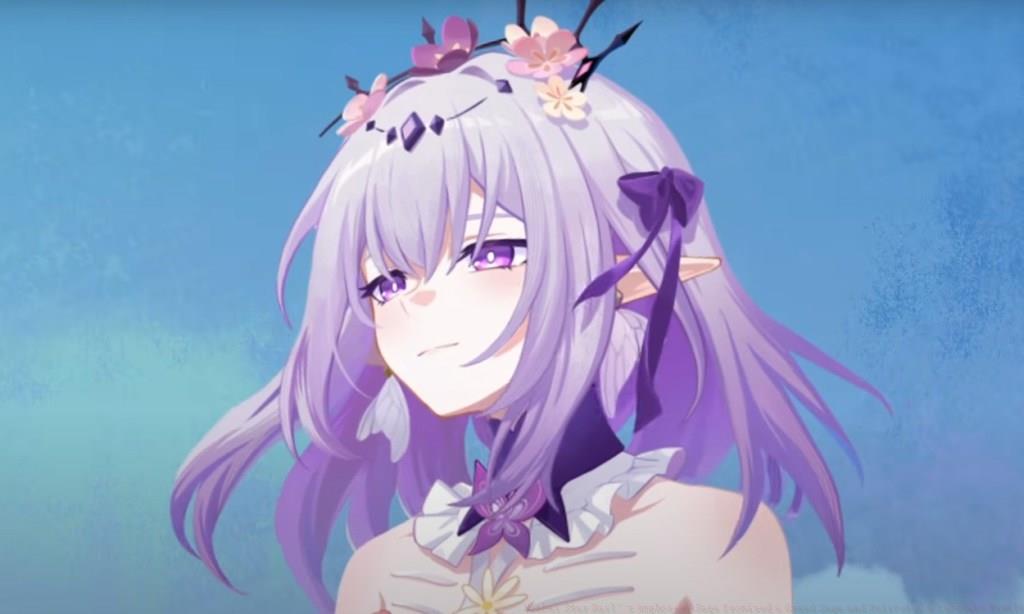
Without apparent justification, developers implemented an unprecedented 4-star character drought lasting nearly twelve months. This sudden premium character inflation created significant player confusion regarding resource allocation priorities, ultimately resulting in measurable revenue reduction for Hoyoverse. Characters including Mydei, Cipher, and Anaxa—who demonstrate substantial gameplay utility and narrative significance—were frequently skipped by players, decisions that many continue to regret.
Had four to five Amphoreus characters been designated as 4-star units—particularly Cerydra, Anaxa, Cipher, and either Tribbie or Hysilens—the Honkai Star Rail community would experience considerably reduced frustration levels today. Strategic rarity distribution represents a critical lesson for future narrative planning, particularly as players seek guidance on optimal character selection in resource-constrained environments.
A fundamental contributor to Amphoreus’ narrative shortcomings involves the critical disconnect between extensive build-up and inadequate payoff delivery. When Phainon’s profound suffering as Khaslana was initially revealed, players eagerly anticipated the climactic confrontation with Lygus and Irontomb in the story’s conclusion. Despite maintaining narrative interest, Hoyoverse executed a puzzling strategic misstep by rendering subsequent versions progressively less engaging.
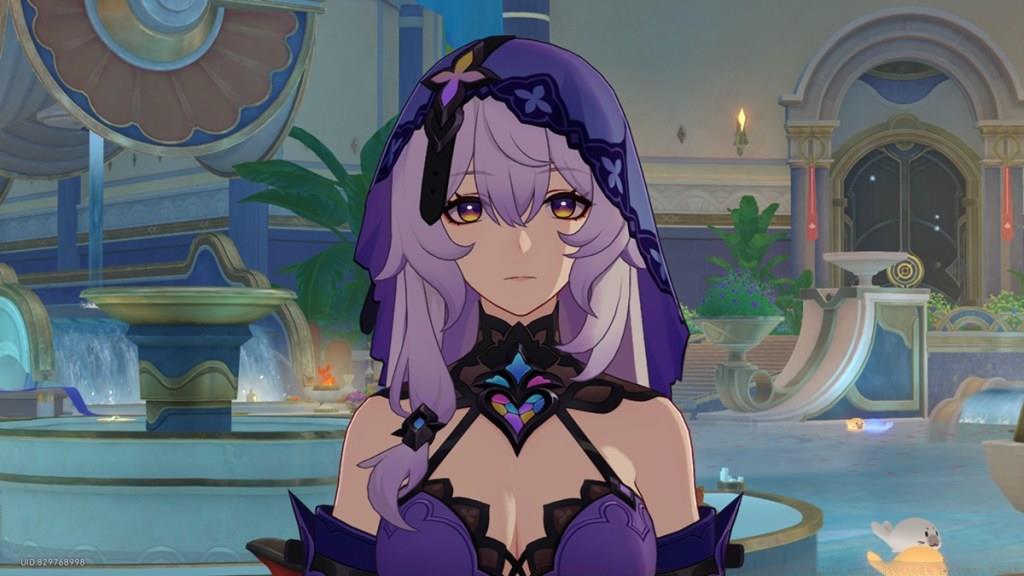
The most significant narrative failure occurred during Honkai Star Rail version 3.7. This update commenced by establishing Irontomb’s resurrection as an existential threat to the cosmos, with multiple galactic factions mobilizing to support the Astral Express. However, players witnessed no substantive strategic involvement from key figures representing external factions, such as Jing Yuan, Aventurine, or Galaxy Rangers personnel.
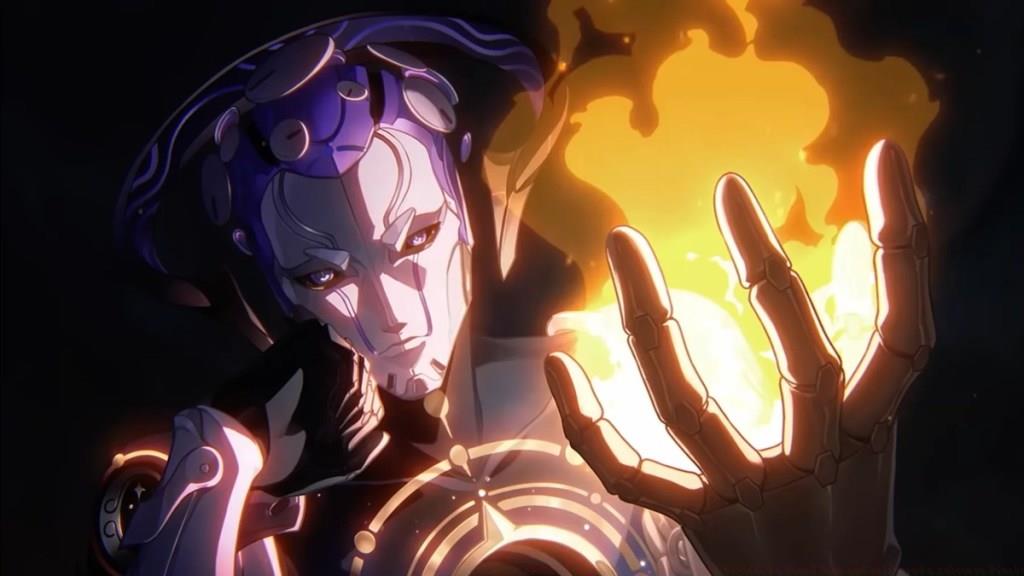
Instead, pivotal developments occurred exclusively through background exposition, with minimal acknowledgment of Stephen Lloyd’s Scepter infiltration. If this truly represented a universe-ending catastrophe, shouldn’t additional characters have assumed active roles alongside established figures like Madame Herta, Screwllum, and the Astral Express crew?
An alternative narrative approach could have involved Irontomb’s liberation immediately following Phainon’s Khaslana revelation. He might have enacted immediate self-sacrifice, with subsequent versions focusing on the Trailblazer and cosmic forces combating Irontomb while seeking definitive resolution methods. Imagine observing a multidimensional conflict pitting a Lord Ravager against pivotal Star Rail universe entities—wouldn’t this constitute superior storytelling?
Instead, players received a confrontation lasting barely five minutes, with the trailblazers experiencing temporary defeat before Cyrene’s intervention resurrected the team and unleashed her complete capabilities to secure victory. A potentially cataclysmic universal event concluded within minutes, exhibiting negligible lasting consequences—a narrative approach that fundamentally undermines stakes establishment.
The most crucial modification Edo Star—Honkai Star Rail’s subsequent destination—must implement involves restricting narrative duration to maximum three versions. Maintain concise, impactful storytelling frameworks. Rather than extending a single narrative thread, developers should explore supplementary storylines, such as the ongoing conflict between Abundance and Hunt Aeons. Additionally, the reintroduction of 4-star characters represents an urgent priority. The Honkai Star Rail community has endured approximately one year of exclusive 5-star character introductions. Players deserve respite through engaging 4-star characters that offer accessible acquisition pathways.
Furthermore, narrative build-up must culminate in meaningful payoff. Instead of prolonging inconsequential character backstories, developers could dedicate versions to extensive interstellar warfare sequences. The narrative foundation concerns cosmic exploration, with sufficiently developed lore enabling writers to leverage these established frameworks comprehensively. Introduce more formidable antagonists and grant them sustained narrative prominence across multiple versions, rather than confining their impact to the concluding segment. For players seeking comprehensive guidance, our complete system overview provides additional strategic insights.
Strategic planning for future character acquisitions benefits significantly from understanding progression systems and their integration with narrative development cycles.
What perspectives do you hold regarding the Amphoreus narrative in Honkai Star Rail? Did you find the storyline engaging within Honkai Star Rail? Share your viewpoints in the commentary section below.
Action Checklist
- Analyze character acquisition patterns across 3-version cycles to optimize Stellar Jade expenditure
- Evaluate narrative pacing in future arcs using the 40% content consolidation benchmark
- Monitor 4-star character introduction frequency as indicator of improved character economy
- Compare antagonist screen time distribution between introductory and concluding versions
- Document faction integration effectiveness in climactic sequences for future reference
No reproduction without permission:Tsp Game Club » Honkai Star Rail’s Amphoreus Saga Promised a Grand Saga and Delivered a Lukewarm Finale Analyzing Amphoreus' pacing issues and character economy to provide actionable improvements for Edo Star