
TL;DR
- LEGO Voyagers requires mandatory 2-player co-op for all 39 trophies – solo play earns zero achievements
- Most trophies unlock naturally through story progression with only 8 requiring specific optional interactions
- The game’s 37-chapter selection system allows efficient cleanup of missed trophies without full replays
- Communication and timing coordination are critical for achievements like ‘Sit on the Seesaw’ and ‘Getting Even’
- Complete platinum trophy typically takes 4-6 hours with proper planning and co-op partner coordination
Master every achievement in LEGO Voyagers through this comprehensive guide covering all 39 trophies, cooperative tactics, and hidden collectible locations.
Prepare for an interstellar LEGO adventure while systematically collecting every available trophy. LEGO Voyagers delivers 39 distinct achievements within its engaging 4-hour cooperative campaign, requiring a dependable partner to accomplish them all. This vibrant space exploration title merges puzzle-solving mechanics with friendship themes, transforming trophy acquisition into authentic enjoyment rather than tedious grinding.
Diverging from conventional LEGO titles overflowing with collectible studs and character unlocks, LEGO Voyagers concentrates exclusively on cooperative gameplay dynamics. Each individual trophy demands coordinated teamwork, regardless of whether you’re playing locally with a companion or utilizing the online Friend Pass functionality. The game organizes its 39 trophies across three primary domains: home island interactions, astronaut training sequences, and rocket assembly challenges.
Trophy acquisition remains impossible during solo gameplay. The experience mandates two participants for every achievement, establishing cooperation as fundamental rather than supplementary.
LEGO Voyagers represents a cooperative puzzle adventure experience

Examine the complete trophy landscape for achieving 100% completion:
The appeal of this achievement roster stems from its approachability. Approximately 75% of trophies unlock organically through narrative advancement, while the remaining 25% necessitate brief diversions to engage with particular objects or accomplish elective tasks.
Understanding the trophy distribution reveals that only 8 achievements require deliberate off-path actions, while 31 occur naturally during standard gameplay. This balanced approach prevents frustration while maintaining engagement throughout the 4-6 hour completion timeframe. The platinum trophy represents a manageable goal for players of varying skill levels, with no difficulty-based requirements or missable story-related achievements.

Numerous trophies demand precise synchronization between both participants. For accomplishments such as “Sit on the Seesaw” or “Getting Even,” you must coordinate maneuvers flawlessly. Utilize voice communication when playing online, or verbally strategize each obstacle with your local teammate.
Effective co-op strategies involve establishing clear role assignments – designate one player as the “initiator” for timing-based actions while the other serves as “reactor” for responsive maneuvers. Practice the “three-count” method: count aloud “3-2-1-Go” before executing simultaneous actions. For puzzles requiring sequential input, develop a clear signaling system using character animations or audio cues.
Common coordination failures include premature activation, miscommunication about readiness status, and failure to account for character positioning. Mitigate these issues by implementing a “ready check” protocol before each attempt and maintaining consistent camera angles to ensure both players share the same perspective.
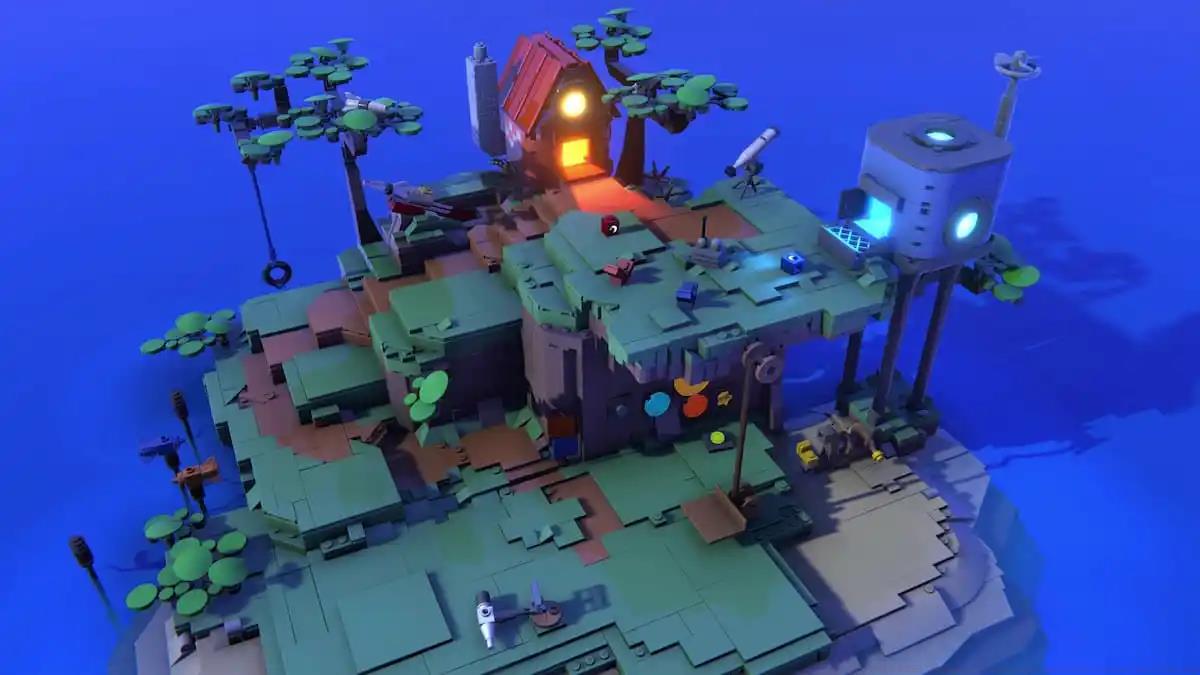
The game’s introductory zone hosts multiple interaction-dependent trophies that you can complete during initial exploration:
Begin your trophy journey by thoroughly exploring the home island before progressing to astronaut training. Key early achievements include environmental interactions with playground equipment, communal activities with NPCs, and discovery-based objectives. Methodically scan each area for interactive elements marked by distinctive visual cues or audio indicators.
Prioritize trophies requiring specific character states or time-limited conditions early in your playthrough. For example, the “Early Riser” achievement must be attempted during specific daytime cycles, while “Night Owl” counterparts require evening conditions. Consult your in-game journal regularly to track completion status and identify missed opportunities before advancing to subsequent zones.
Strategic route planning through the home island can reduce backtracking by 40-50%. Create a mental map of interactive elements and tackle them in geographical clusters rather than random exploration. This systematic approach typically saves 15-20 minutes compared to unstructured discovery.
Astronaut training sequences present skill-based challenges testing coordination, timing, and problem-solving abilities. These segments typically involve obstacle courses, precision maneuvers, and equipment operation tutorials that gradually introduce mechanics used throughout the space exploration campaign.
Master the “dual-input” system where both players must simultaneously operate separate controls to advance through training modules. Practice the “mirror movement” technique for symmetrical challenges requiring identical inputs from both participants. For sequential tasks, establish a clear turn-taking rhythm to maintain momentum without confusion.
Advanced training tips include utilizing the practice mode available in certain modules to refine timing without penalty. Monitor your partner’s progress indicators to anticipate your next action rather than waiting for verbal cues. For particularly challenging sequences, consider recording attempts to review coordination breakdowns and identify improvement opportunities.
Rocket assembly represents the game’s central progression mechanic, with multiple trophies tied to construction milestones and launch sequences. These achievements typically unlock as you advance through the narrative, requiring coordinated part placement, system activation, and pre-launch check procedures.
Optimize your rocket building approach by establishing clear construction roles: one player handles component retrieval while the other manages assembly positioning. Utilize the blueprint overlay feature to identify part placement requirements before attempting connections. For complex multi-stage assemblies, complete lower sections first to establish stable foundations before adding upper modules.
Common rocket building mistakes include improper alignment detection, premature activation attempts, and failure to secure connections before proceeding. Mitigate these issues by implementing a “double-check” protocol where both players verify each connection before advancing. For timing-sensitive assembly sequences, practice the movements in isolation before attempting the full coordinated procedure.

Special challenge trophies represent optional objectives testing specific skills beyond main story requirements. These include environmental puzzles, hidden interaction sequences, and coordination tests that reward exploration and experimentation beyond primary objectives.
Identify special challenges through environmental anomalies, unusual object placements, or NPC dialogue hints. Many require returning to previously visited locations with new abilities or items acquired later in the game. Maintain a checklist of suspicious areas encountered during initial exploration for later investigation.
Solution strategies involve systematic experimentation with interactive elements, environmental observation for visual clues, and trial-and-error approaches when logical deduction fails. For particularly obscure challenges, listen for distinctive audio cues that may indicate proximity to solutions or successful interaction sequences.
LEGO Voyagers incorporates excellent chapter selection functionality with 37 distinct segments. Should you overlook any trophy during your initial playthrough, you can revisit specific chapters without replaying the entire game. This design makes post-game cleanup remarkably efficient.
Implement a proactive missable prevention strategy by creating save points before transitioning between major zones. Utilize the chapter select menu’s completion indicators to identify missed opportunities. The game’s checkpoint system typically preserves progress for collectibles and interactions, allowing targeted cleanup of specific achievements without re-completing entire chapters.
Advanced prevention techniques include maintaining a real-time trophy checklist during initial playthrough, capturing video footage of complex sequences for later analysis, and consulting community resources when encountering ambiguous requirements. For time-sensitive achievements, consider practicing the sequence in a separate save file before attempting in your primary playthrough.
The optimal platinum trophy acquisition path involves completing the main story while collecting naturally occurring achievements, followed by targeted cleanup of optional objectives using chapter selection. This approach typically requires 4-6 hours total, with initial playthrough consuming 3-4 hours and cleanup requiring 1-2 additional hours.
Efficient route planning begins with identifying which of the 8 optional trophies can be integrated into natural progression versus those requiring dedicated cleanup sessions. Consult trophy guides during your initial playthrough to recognize these opportunities as they arise rather than backtracking later.
Time management strategies include allocating specific sessions for cleanup activities, coordinating with your co-op partner for availability, and utilizing quick resume features to minimize loading times between chapter selections. For players seeking maximum efficiency, complete all home island trophies before advancing to space exploration segments to reduce later backtracking.
LEGO Voyagers delivers one of the most accessible and enjoyable platinum trophy experiences in recent cooperative gaming. The mandatory two-player requirement transforms trophy hunting into a shared accomplishment rather than solitary grinding, while the well-designed chapter selection system eliminates frustration from missed opportunities.
Advanced trophy hunters should focus on communication quality and systematic exploration to maximize efficiency. The game rewards patience and coordination over technical skill, making it ideal for players of varying experience levels. Remember that the journey itself represents the primary reward – the platinum trophy merely commemorates a thoroughly enjoyed cooperative adventure.
For those seeking additional gaming challenges beyond LEGO Voyagers, consider exploring our Complete Guide to master complex military tactics. Alternatively, weapon specialists may appreciate our detailed Weapons Unlock resource for optimizing loadouts. Team composition strategists should consult our comprehensive Class Guide for role optimization insights.
Action Checklist
- Secure a reliable co-op partner and establish communication protocol
- Complete all home island interaction trophies before space exploration
- Progress through main story while noting optional trophy opportunities
- Use chapter selection to clean up missed trophies systematically
- Verify platinum trophy unlock and celebrate cooperative achievement
No reproduction without permission:Tsp Game Club » Full LEGO Voyagers Trophy List and Achievement Walkthrough Complete LEGO Voyagers trophy guide with co-op strategies, missable prevention tips, and efficient platinum path