
TL;DR
- Master brick attachment mechanics for efficient navigation and structure building
- Coordinate yellow brick rotations and power brick circuits for complex puzzle solutions
- Utilize character-specific abilities and advanced co-op communication techniques
- Optimize training room sequences and avoid common progression-breaking mistakes
- Apply systematic troubleshooting for stuck mechanisms and navigation problems
Conquer every LEGO Voyagers challenge with our comprehensive strategy guide. Master intricate brick mechanics, advanced co-op coordination, and specialized puzzle-solving techniques across all 37 chapters.
Prepare for an unforgettable LEGO adventure where two distinct brick characters collaborate through complex environmental puzzles. LEGO Voyagers merges innovative problem-solving with cooperative gameplay mechanics, challenging players to construct bridges, manipulate physical forces, and operate sophisticated machinery. This definitive guide delivers systematic solutions, professional techniques, and advanced strategies that will elevate your gameplay from beginner to expert level. From fundamental brick connection principles to intricate conveyor belt systems, we provide detailed methodologies for overcoming even the most demanding obstacles.
Movement & Attachment Systems
Your adventure commences with mastering the essential brick attachment mechanics. Press B on Xbox or Circle on PlayStation to connect with any compatible brick surface. This functionality transcends basic movement—it establishes the foundational framework for every environmental puzzle resolution.
advanced technique
Initiate attachment to any brick component, then reactivate the same control to establish permanent fusion. This creates unified structural elements that maintain cohesion during relocation maneuvers.
The snap mechanism dramatically enhances navigation efficiency compared to manual jumping techniques. When encountering multiple connection opportunities, consistently employ snap functionality rather than attempting precision timing for movement execution.

Lego Voyagers review: “A carefully …
Weight Distribution Principles
Numerous environmental challenges incorporate sophisticated weight mechanics. Your brick avatars possess the capability to:
- Activate pressure-sensitive plates through strategic positioning
- Augment mass by integrating supplementary brick components
- Utilize gravitational forces for pendulum-style swinging maneuvers
- Create counterbalance systems for complex lever mechanisms
Advanced weight management involves calculating mass distribution across multiple pressure points. Heavier combined structures can activate multiple switches simultaneously, while lighter configurations allow for precise single-switch control. Understanding these principles is crucial for strategic planning in complex multi-stage puzzles.
Yellow Brick Rotation Controls
Circular-plated yellow bricks govern rotational mechanisms throughout your expedition. These versatile components serve multiple critical functions:
- Bridge orientation modification through platform rotation
- Propulsion systems for launching partners across expansive gaps
- Mechanical locking mechanisms for securing moving components
- Timing-based puzzle elements with visual indicator systems
strategic insight
Integrate standard bricks with yellow rotational mechanisms to establish fixed positions. This technique proves essential for creating stable pathways accessible to both cooperative players.
Advanced Mechanical Techniques
When discovering white platform markings, position your partner precisely before engaging propulsion systems. This ensures optimal launch trajectory and landing accuracy.
For intricate rotation-based challenges, monitor the green illumination patterns—platforms typically alter orientation following three consecutive flashes, providing a clearly defined timing window for jumping maneuvers.
Power Brick Electrical Circuits
Power bricks represent specialized components that energize electrical barriers and mechanical systems. These distinctive elements typically exhibit:
- Luminescent properties or distinctive coloration distinguishing them from standard bricks
- Proximity placement to the mechanisms they’re designed to activate
- Specific quantity requirements (commonly 2-3 units per electrical gate)
- Progressive power capacity for more complex late-game puzzles
critical reminder
Consistently transport power bricks when advancing to new areas. You’ll frequently require them for gates encountered later in your progression.
Electrical Circuit Solutions
Most electrical-based puzzles adhere to this systematic approach:
- Identify all necessary power bricks within the immediate environment
- Establish accessible routes to reach isolated power sources
- Transport energy bricks to designated activation terminals
- Validate circuit functionality before proceeding further
- Create backup power sources for complex multi-gate systems
Advanced electrical puzzles often require systematic planning and power conservation strategies. Always test circuits with partial power before committing all resources to ensure you don’t create unrecoverable situations.
Boat Dual-Control Systems
The aquatic vessel demands coordinated operation from both participants for optimal performance:
- Aft control switches: Manage forward and reverse propulsion
- Bow navigation lever: Controls directional steering (requires active power brick)
- Buoy collection systems: Automated brick retrieval mechanisms
- Current navigation: Understanding water flow patterns for efficient travel
efficiency technique
When gathering bricks from buoy markers, manual transportation proves unnecessary. Submerging collected bricks automatically regenerates them within your vessel’s inventory.
Factory Conveyor Optimization
Crimson safety bricks positioned on adjustment sliders regulate conveyor belt velocity. Remove these safety components and modify slider settings to:
- Accelerate movement for launching players across substantial gaps
- Reduce belt speed for precise brick acquisition operations
- Cease movement completely for secure traversal
- Create variable speed zones for complex multi-stage puzzles
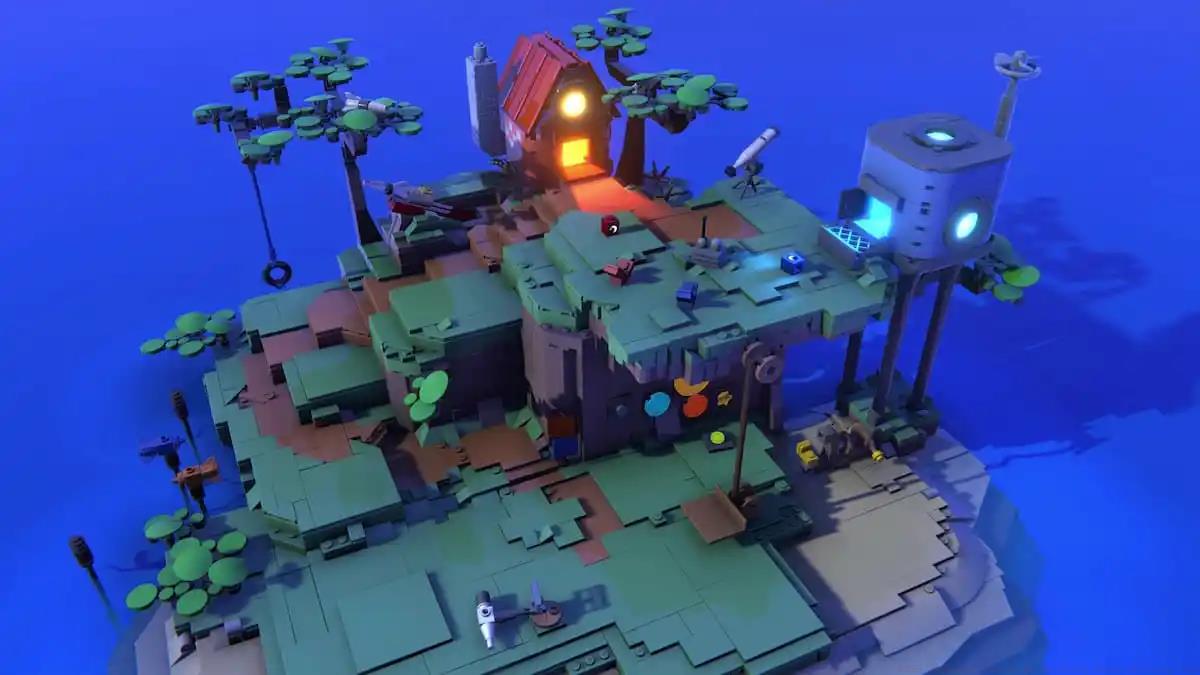
LEGO Voyagers All Puzzle Solutions …
Magnetic Systems
Metallic brick components (typically triangular formations) can be manipulated by magnetic rotational systems. Employ this capability to:
- Transport players across hazardous environmental sections
- Relocate substantial objects to otherwise inaccessible platforms
- Combine metallic and standard bricks for sophisticated solutions
- Create magnetic bridges for temporary access routes
Crusher Avoidance
Industrial crushers transform standard bricks into non-functional debris. The extended-length blue character frequently manages crusher control mechanisms. Consistently implement these procedures:
- Deactivate crushers before permitting brick passage
- Collect intact bricks exclusively from secure areas
- Utilize brick combinations to maintain switch positions
- Establish safety protocols for high-risk crushing zones
Mastering environmental navigation requires understanding how different systems interact. The conveyor and magnetic mechanics often work in tandem, similar to how specialized equipment combinations create advantages in other gaming contexts.
Blue Character Extended Abilities
Following Chapter 17 progression, the blue character acquires enhanced length capabilities, enabling:
- Activation of length-dependent switch mechanisms
- Improved accessibility for elevated control systems
- Augmented leverage capacity for challenging rotational tasks
- Extended reach for remote object manipulation
- Bridge formation across wider gaps than standard characters
Red Character Specializations
The red character typically manages these specialized functions:
- Precision navigation within confined spatial parameters
- Secondary switch operation and timing coordination
- Support roles during intricate maneuver sequences
- Rapid response capabilities for time-sensitive puzzles
- Compact movement through narrow passageways

LEGO Voyagers Builds a Path …
Advanced Puzzle Methodologies
Sophisticated environmental challenges frequently demand sequential resolution phases:
- Analytical Assessment: Identify all interactive environmental elements
- Resource Acquisition: Collect essential bricks and power sources
- Pathway Development: Construct temporary access structures
- Mechanism Engagement: Operate switches and controls in precise sequences
- Coordinated Execution: Perform synchronized movement maneuvers
- Contingency Planning: Establish backup strategies for complex sequences

Strategic Insight: When confronting magnetic conveyor challenges, consistently acquire combinations of metallic and standard bricks. This approach provides maximum adaptability for platform construction requirements.
Communication and Timing
Successful cooperative gameplay necessitates unambiguous communication regarding:
- Precise switch activation timing sequences
- Optimal platform positioning strategies
- Brick collection priority establishment
- Emergency contingency protocol development
- Progressive difficulty scaling for complex multi-stage puzzles
Advanced players should develop non-verbal communication systems for puzzles requiring split-second timing. Establishing clear roles and responsibilities before attempting complex sequences significantly improves success rates and reduces frustration during challenging sections.
Troubleshooting Common Issues
When control mechanisms or platforms exhibit unresponsiveness:
- Verify presence of all required power bricks
- Confirm both characters maintain correct positional alignment
- Identify safety bricks requiring removal
- Ensure appropriate weight distribution across activated platforms
- Check for environmental obstructions blocking mechanism movement
Navigation Problems
When movement feels impaired or sluggish:
- Employ snap functionality instead of manual navigation
- Combine with structural elements for accelerated travel
- Clear debris from connection points
- Reset character positions when necessary
- Verify attachment point compatibility and accessibility
Training Room Optimization (Chapter 33)
While the six training assessments can be completed in any sequence, this optimized progression maximizes efficiency:
- Rotational Endurance Test: Fundamental persistence challenge
- Vehicle Navigation: Traverse all crimson markers using dual-control systems
- Landing Simulation: Most demanding—requires precise thrust and directional management
- Aquatic Navigation: Construct secure crossing pathways
- Propulsion Assessment: Timing-based switch activation sequences
- Atmospheric Resistance: Develop protective shielding structures
Critical Alert: During aquatic testing procedures, never permit the blue character to exit the rocket during flotation. This generates an irrecoverable state necessitating checkpoint restart.
The landing simulation presents the most substantial challenge—initiate high thrust, then progressively descend while adjusting trajectory. Persistence and clear communication prove indispensable throughout this segment.
Final Chapters and Space Preparation
Identify air bubble formations indicating compromised rocket components. The red participant constructs elevated pathways while the blue character conducts underwater repairs. Develop structures at multiple altitudes to provide the blue character with diverse approach angles.
The concluding chapters emphasize narrative advancement rather than intricate puzzles. Appreciate your adventure’s culmination as your characters prepare for their ultimate cosmic expedition.
With these advanced methodologies mastered, you’re equipped to overcome every challenge LEGO Voyagers presents. Remember: achievement hinges on innovative problem-solving, unambiguous communication, and recognizing that each brick serves a purpose within your magnificent journey.
Action Checklist
- Master basic brick attachment mechanics and permanent combination techniques
- Practice yellow brick rotation controls and timing-based platform navigation
- Develop power brick circuit strategies and electrical gate troubleshooting methods
- Coordinate boat navigation and conveyor belt speed adjustment techniques
- Execute training room challenges in optimized sequence with communication protocols
No reproduction without permission:Tsp Game Club » LEGO Voyagers: How to Solve Every Puzzle & Co-op Tips Master LEGO Voyagers with expert puzzle strategies, co-op coordination techniques, and advanced brick mechanics