
Complete guide to Luna III’s lore revelations, gameplay insights, and strategic approaches for Genshin Impact players
Quest Structure and Pacing Analysis
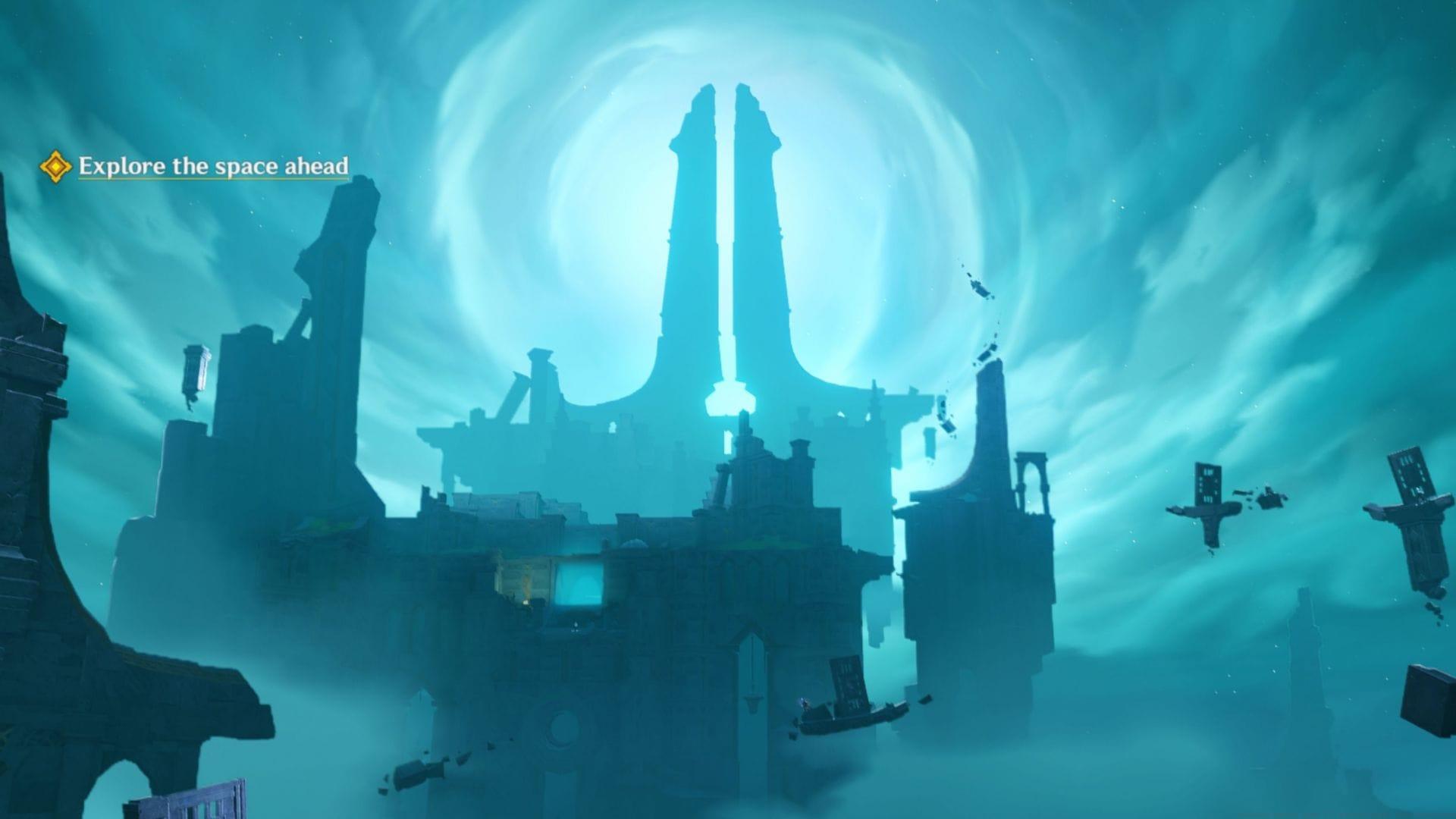
The Luna III update introduces a significant departure from Genshin Impact’s typical quest structure through Acts V and VI of the Nod Krai storyline. Rather than maintaining the intense combat sequences that characterized previous chapters, these installments prioritize narrative depth and historical exposition. This strategic shift allows players to absorb complex lore elements without the pressure of constant enemy encounters, creating a more contemplative gaming experience.
Seasoned players will immediately notice the refined pacing that characterizes this update. The reduced combat density provides natural breathing room between story beats, enabling better comprehension of the intricate plot developments. This design choice represents HoYoverse’s commitment to balancing action with exposition, ensuring neither aspect overwhelms the player.
The narrative maintains remarkable consistency by focusing predominantly on Columbina’s journey, contrasting sharply with the temporal jumps that defined Act IV. This linear approach enhances story coherence while allowing character relationships to develop organically. The evolving dynamics between faction representatives demonstrate how shared goals can bridge ideological divides, particularly evident in Lauma’s gradual acceptance of Arlecchino despite Fatui affiliations.
Columbina’s Story and The Moon Lore
Columbina’s narrative arc forms the emotional core of Luna III, revealing her profound connection to the celestial bodies beyond Teyvat’s false sky. Her deteriorating physical state following the Rerir confrontation stems from a fundamental incompatibility with Teyvat’s reality framework. The world itself actively resists her presence as a being originating from the Frost Moon, creating an existential crisis that drives the quest’s central conflict.
The historical context for this rejection traces back to the Heavenly Principles’ punishment of the three lunar goddesses. The systematic erasure of Aria, Canon, and Sonnet from Irminsul created a metaphysical void that continues to affect present-day Teyvat. This ancient censure demonstrates the lasting consequences of divine judgment within Genshin Impact’s cosmology.
Alice introduces the crucial concept of name anchoring during the quest, explaining how identities stabilize existence within Teyvat’s reality. Columbina’s multiple appellations—Kuutar, Moon Goddess, Damsellette—proved insufficient for this purpose until the Traveler uncovered her true name. The additional name “Hyposelenia” represents her active participation in reshaping her identity within Teyvat’s metaphysical framework.
Pro Tip: Pay close attention to name revelations throughout Genshin Impact’s storylines, as they often contain crucial clues about character origins and future plot developments. The naming mechanics introduced here may have significance beyond this specific questline.
Hyperborean Civilization and Phantom Phenomenon
The Hyperborean civilization discovery provides crucial historical context for understanding Nod Krai’s current state. This advanced society flourished over six millennia ago, establishing cultural and genetic foundations for the Frostmoon Scions. Their legacy manifests through the phantom phenomena scattered throughout the region, offering glimpses into a lost era through temporal distortions.
These spectral manifestations represent trapped moments in Hyperborean history, accessible to present-day characters through memory and spacetime anomalies. The research conducted by Albedo, Durin, Flins, and Wanderer reveals the paradoxical nature of these encounters. While communication and limited influence are possible, the phantoms’ fundamental outcomes remain immutable, illustrating Genshin Impact’s complex approach to predestination.
The Traveler’s spaceship appearance as a phantom at Starsand Shoal introduces compelling questions about origins and timeline. Its indestructible nature and ancient presence suggest the Traveler’s history extends far beyond established Teyvat chronology. Varka and Lauma’s investigation highlights the object’s anomalous properties, fueling speculation about extraterrestrial origins.
Common Mistake: Many players attempt to interact with phantoms as standard NPCs, missing the environmental storytelling clues they provide. Instead, observe their behavioral patterns and dialogue for insights into Hyperborean culture and the region’s history.
Hexenzirkel Characters and World Building
Alice’s long-awaited proper introduction expands our understanding of Teyvat’s metaphysical boundaries and organizational structures. As border sustainer and Hexenzirkel founder, she operates at the intersection of multiple reality layers. Her fourth-wall-breaking moments represent unique narrative devices that reinforce her extraordinary nature within Genshin Impact’s universe.
Her guidance directs players toward Nicole, whose Seelie heritage provides direct access to ancient historical records. Nicole’s telepathic communication method and extensive knowledge make her an invaluable resource for understanding the Hyperborean-moon connection. Her explanations contextualize the sanctuary murals that depict Teyvat’s formative eras.
The murals reveal Nibelung’s role as primordial Dragon King and his creation of the three moons to distribute natural law governance. This divine engineering prevented centralized control over fundamental realities like life, time, and death. The subsequent conflict with the Heavenly Principles established the cosmic balance that defines current-era Teyvat.
The War of Funerary Flames represents a pivotal moment in celestial history, with Nibelung’s Abyss-powered return challenging the established order. The moon goddesses’ decision to remain under Heavenly Principles authority created fractures that culminated in their imprisonment and eventual banishment. This sequence of divine conflicts explains the current absence of lunar influence in Teyvat’s cosmology.
Advanced Player Strategies and Common Pitfalls
Luna III’s lore-heavy approach requires adjusted gameplay strategies compared to previous updates. Prioritize exploration and dialogue engagement over combat preparation, as the quest emphasizes narrative comprehension. The reduced enemy encounters allow players to focus on environmental storytelling and character interactions.
When navigating Hyperborean areas, maintain awareness of phantom spawn locations and their behavioral patterns. These spectral entities often provide crucial historical context that enhances main story understanding. Documenting their dialogues can reveal connections to broader Genshin Impact lore elements.
The name mechanics introduced with Columbina may have future applications beyond this specific questline. Pay attention to naming conventions and identity revelations throughout the game, as they often signal important character developments or plot twists. This understanding becomes particularly valuable when interacting with ancient beings or celestial entities.
As Luna IV approaches, anticipate resolution of several ongoing plot threads. The Nod-Krai storyline appears headed toward conclusion, potentially revealing additional information about the Traveler’s origins and the fate of the moon goddesses. Current speculation suggests the finale may involve direct confrontation with remaining Heavenly Principles agents or exploration beyond Teyvat’s false sky.
Optimization Tip: Create separate quest logs for mythological elements and character relationships. The complex interconnections between ancient history and current events benefit from organized note-taking, especially for players engaged in lore theorycrafting.
No reproduction without permission:Tsp Game Club » Genshin Impact Luna III Archon Quest lore breakdown Complete guide to Luna III's lore revelations, gameplay insights, and strategic approaches for Genshin Impact players