
TL;DR
- Ghost of Yotei releases October 2, 2025 with pre-orders starting May 2, 2025
- Follows Atsu’s revenge quest against the Yōtei Six in 1603 Japan
- Features enhanced combat mechanics and expanded exploration systems
- Serves as a spiritual sequel rather than direct continuation of Ghost of Tsushima
- Multiple trailers showcase stunning visuals and immersive storytelling
Mark your calendars for October 2, 2025, when Ghost of Yotei officially launches worldwide. This highly anticipated follow-up to Ghost of Tsushima represents one of PlayStation’s major exclusives for the fall gaming season. The release timing positions it perfectly for holiday gaming sessions, giving players ample opportunity to immerse themselves in feudal Japan’s captivating landscapes.

Pre-orders become available starting May 2, 2025 exclusively through the PlayStation Store. Early purchasers can expect bonus content similar to Ghost of Tsushima’s launch incentives, though specific pre-order details remain forthcoming. Industry analysts predict strong initial sales given the original game’s massive fanbase and critical acclaim.
The fall 2025 gaming calendar features several blockbuster titles including Marathon, Borderlands 4, and GTA 6, making Ghost of Yotei part of an exceptionally competitive release window. This timing strategy suggests Sony’s confidence in the title’s ability to stand out among other major releases.
Ghost of Yotei transports players to 1603 Japan during the Edo period, a time of relative peace following centuries of civil war. This historical context creates a fascinating backdrop for Atsu’s personal vendetta against the Yōtei Six. The narrative begins with a traumatic event that shapes our protagonist’s entire journey.
Sixteen years prior to the main events, in the remote northern region of Ezo, a ruthless criminal organization called the Yōtei Six brutally murdered Atsu’s family and left her for dead, cruelly pinning her to a burning ginkgo tree using the very katana that would later become her weapon of vengeance. Each antagonist bears a distinctive codename reflecting their methods: The Snake employs poison and deception, The Oni embodies brute strength, The Kitsune specializes in manipulation, The Spider weaves intricate traps, The Dragon commands fear and respect, and Lord Saito serves as the mastermind behind the organization.

Developers emphasize that while revenge initiates Atsu’s quest, her character arc evolves beyond mere vengeance. As she explores Ezo’s diverse regions, she encounters unexpected allies who challenge her worldview and help her discover deeper purpose. This narrative structure mirrors classic samurai cinema tropes while introducing fresh perspectives on honor, justice, and redemption.
The story’s structure allows for both linear progression and organic exploration, with side quests and character interactions influencing the main narrative’s outcome. This approach builds upon Ghost of Tsushima’s successful storytelling while introducing more complex moral choices and consequence systems.
Sony unveiled Ghost of Yotei through a spectacular announcement trailer during their State of Play showcase, ending years of speculation about a Ghost of Tsushima sequel. The initial reveal focused on establishing atmosphere and tone, showcasing the game’s stunning visual direction and atmospheric sound design.
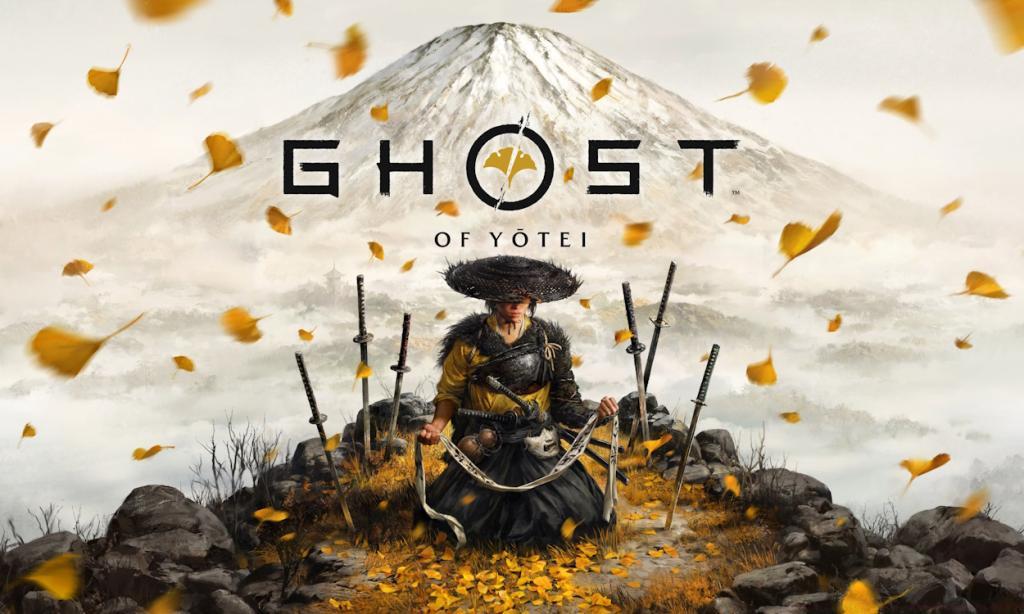
A second trailer accompanied the release date announcement, providing deeper insights into gameplay mechanics and narrative elements. This follow-up presentation demonstrated combat refinements, environmental interaction systems, and the dynamic weather effects that made the original so memorable.
Both trailers emphasize the game’s cinematic quality, with carefully choreographed combat sequences and breathtaking landscape shots. The visual style maintains the painterly aesthetic of Ghost of Tsushima while introducing more varied environments and weather conditions specific to northern Japan.
The latest Onryō’s List trailer specifically detailed the story elements and introduced the six primary antagonists. Trailers have consistently highlighted the game’s emotional depth alongside its action-oriented gameplay, suggesting a balanced experience that appeals to both combat enthusiasts and story-driven players.
Atsu stands as one of gaming’s most compelling female protagonists, a ronin driven by vengeance but capable of profound character growth. Her background combines traditional samurai training with unconventional survival skills developed during her years of exile and preparation.

Her weapon of choice, the katana used to pin her to the burning tree, serves as both practical tool and powerful symbol throughout her journey. This connection to her trauma transforms the blade from mere instrument of violence to embodiment of her resilience and determination.
Atsu’s combat style blends disciplined samurai techniques with more aggressive, improvisational moves developed through her harsh experiences. This hybrid approach allows for versatile gameplay that adapts to different combat scenarios and enemy types.
Character development occurs through both main story progression and optional interactions with NPCs throughout Ezo. These relationships influence her skills, available tactics, and even narrative outcomes, creating a personalized experience for each player.
Unlike Jin Sakai’s transformation from honorable samurai to pragmatic Ghost, Atsu’s journey explores different thematic territory. Her progression from single-minded avenger to nuanced protagonist reflects the game’s deeper exploration of purpose beyond revenge.
Ghost of Yotei functions as a spiritual successor rather than direct narrative continuation of Ghost of Tsushima. Set in the same historical universe but featuring different characters, locations, and conflicts, it expands the franchise’s scope while maintaining core philosophical themes.
The connection to the original manifests primarily through shared gameplay philosophy and aesthetic sensibility rather than direct story links. This approach allows new players to enjoy Yotei independently while offering existing fans familiar mechanics and tone.
Gameplay evolution represents the most significant connection between the titles. Ghost of Yotei builds upon Tsushima’s successful combat, exploration, and storytelling systems while introducing meaningful innovations.
Key improvements include more dynamic enemy AI, expanded stealth options, deeper character customization, and more interactive environments. These enhancements reflect developer Sucker Punch’s commitment to iterative improvement based on player feedback from the first game.
The shift from Tsushima Island to Ezo (modern-day Hokkaido) introduces different environmental challenges and cultural elements. The northern setting features distinct seasons, wildlife, and geographical features that influence both navigation and combat strategies.
While not continuing Jin Sakai’s specific story, Ghost of Yotei explores similar themes of honor, sacrifice, and cultural identity during Japan’s feudal era. This thematic continuity creates cohesion between the games while allowing each to stand as a distinct artistic statement.
Ghost of Yotei’s gameplay represents a significant evolution of the foundation established in Ghost of Tsushima. The combat system maintains the satisfying swordplay mechanics while introducing new stances, special techniques, and environmental interactions.
Stealth mechanics receive substantial upgrades, with more nuanced detection systems, expanded tool sets, and dynamic enemy patrol patterns. These improvements create more strategic gameplay where players must carefully observe enemy behavior and plan their approaches accordingly.
Exploration expands beyond Tsushima’s linear pathways to include more vertical movement options and hidden areas requiring specific skills or tools to access.
The game introduces a more sophisticated weather system that directly impacts gameplay. Specific conditions affect visibility for stealth, traction during combat, and even enemy behavior patterns, creating dynamic challenges that require adaptive strategies.
Character progression incorporates both traditional skill trees and equipment-based upgrades. Atsu can develop different specializations based on player preferences, allowing for varied approaches to combat, stealth, and exploration challenges.
Mission structure balances narrative-driven main quests with optional activities that flesh out the world and provide meaningful rewards.
Multi-layered combat encounters feature smarter enemy coordination, destructible environments, and emergent gameplay opportunities. These elements ensure that similar situations can play out differently based on player choices and environmental factors.
Action Checklist
- Set calendar reminder for May 2, 2025 pre-order availability
- Clear storage space – estimated 80-100GB required
- Watch all available trailers to understand story and gameplay
- Complete Ghost of Tsushima for context and backstory understanding
- Research Edo period Japan history for deeper narrative appreciation
No reproduction without permission:Tsp Game Club » Ghost of Yotei: Everything We Know So Far Complete guide to Ghost of Yotei's release date, story, protagonist, trailers, and gameplay mechanics