
TL;DR
- Ghost of Yotei occurs in 1603, 300 years after the original game’s events
- The setting shifts to Mount Yotei in Ezo (modern Hokkaido) during the Edo period
- Players explore diverse biomes including grasslands and snowy tundras
- This frontier region was outside Feudal Japan’s jurisdiction, creating unique narrative opportunities
- The game features upgraded environments while maintaining the series’ signature exploration mechanics
Following the highly anticipated State of Play reveal, Sucker Punch Productions has confirmed that Ghost of Yotei transports players to the year 1603, establishing a compelling three-century gap from the original Ghost of Tsushima narrative. This strategic temporal leap fundamentally reshapes the gaming experience while preserving the franchise’s core identity.
In detailed insights shared by Andrew Goldfarb, Senior Communications Manager at Sucker Punch, the sequel unfolds precisely 300 years after Jin Sakai’s journey. For historical context, the inaugural game chronicled the 1274 Mongol invasion of Tsushima and Iki islands, placing the new protagonist Atsu’s adventure firmly within the early Edo period’s transformative era.
The Edo period (1603-1868) marked Japan’s unification under Tokugawa shogunate rule, creating fascinating narrative contrasts. While Tsushima depicted organized samurai clans defending established territories, Yotei explores a frontier region operating beyond feudal Japan’s direct control, offering fresh storytelling possibilities that developers describe as “a far cry from the organized samurai clans who lived in Tsushima, and it’s the setting for an original story we can’t wait to tell.”
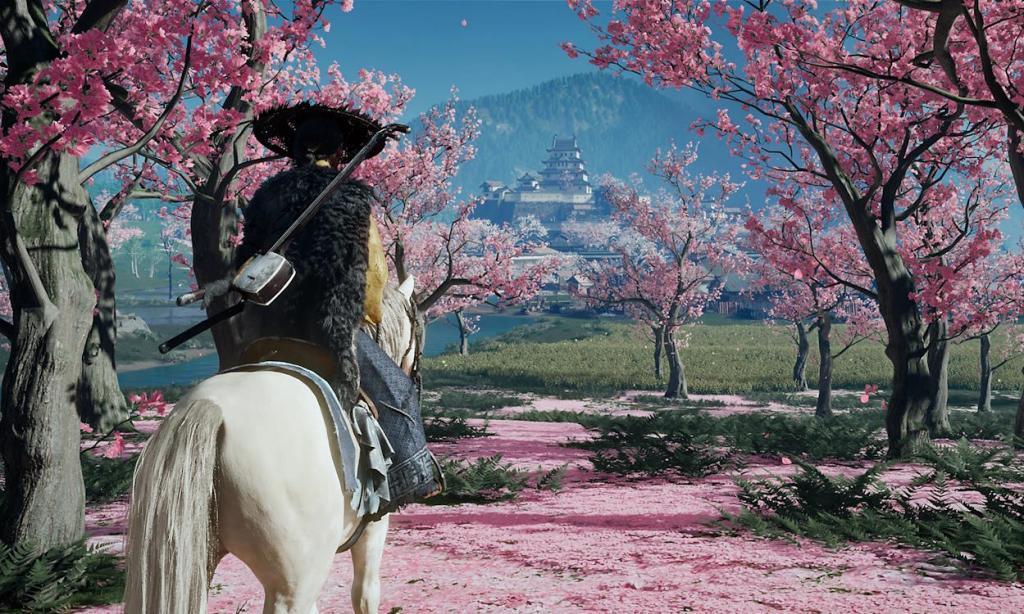
This chronological positioning introduces significant gameplay implications. The 300-year advancement suggests potential technological evolution in weaponry and combat techniques, while the Edo period’s cultural flourishing may influence artistic direction and character development. Players should anticipate navigating complex political landscapes distinct from the Mongol invasion context.
The geographical heart of Ghost of Yotei centers around Mount Yotei, situated within Ezo’s expansive wilderness—known today as Japan’s northernmost island of Hokkaido. This dramatic setting shift from Tsushima’s coastal islands to Ezo’s rugged interior creates fundamentally different exploration dynamics and environmental challenges.
Ezo represented Japan’s final frontier during the early 17th century, a region where centralized authority remained limited and indigenous Ainu culture flourished alongside Japanese settlement. This cultural intersection provides rich narrative potential for exploring themes of identity, sovereignty, and resistance.
Environmental diversity stands as a cornerstone of the Yotei experience. The development team has meticulously crafted sprawling grasslands, snow-covered tundras, and varied ecosystems that promise both visual splendor and strategic gameplay considerations. Temperature variations, visibility conditions, and terrain navigation will likely influence combat approaches and exploration tactics.

From a gameplay optimization perspective, veterans should prepare for altitude-based mechanics around Mount Yotei’s slopes, potentially affecting stamina management and combat effectiveness. The biome diversity suggests that weapon and armor choices may need situational adaptation, similar to how different BF6 class selections require strategic consideration for various combat scenarios.
The frontier setting’s lawless nature creates perfect conditions for the ghost tactics that defined the series. Without established samurai governance, players can expect to employ stealth, sabotage, and psychological warfare against adversaries in this untamed landscape. This approach mirrors the tactical flexibility found in Battlefield 6’s dynamic combat systems, where environmental mastery provides strategic advantages.
For players seeking to maximize their experience, understanding Ezo’s historical context will enhance narrative appreciation. Researching early Edo period frontier life, Ainu-Japanese relations, and the region’s unique geography could provide deeper context for the game’s events and character motivations.
Action Checklist
- Research Edo period history and Ezo region geography for contextual understanding
- Study biome-specific gameplay strategies for grassland and tundra environments
- Analyze Ghost of Tsushima mechanics to anticipate potential evolution in combat systems
- Explore historical accounts of frontier life and cultural interactions in 17th century Ezo
No reproduction without permission:Tsp Game Club » When and Where Does Ghost of Yotei Take Place? Exploring the 1603 Edo period setting and Mount Yotei region in Ghost of Yotei's historical timeline