
TL;DR
- Select base type based on your primary goals: Farming for resources, Trophy for ranking, or Hybrid for balanced approach
- Egg-Shell layouts protect core structures with multiple wall layers while Compartment bases isolate key buildings
- Strategic Town Hall placement determines shield eligibility and resource protection priorities
- Proper building spacing prevents chain reactions and maximizes defensive coverage
- Regular base adaptation based on attack patterns is crucial for long-term success
Mastering base construction in Heroes of Mavia requires understanding how different designs align with your gameplay objectives. This comprehensive analysis explores three primary base archetypes and their strategic implications for both new and experienced commanders.
Establishing a resilient foundation in Heroes of Mavia significantly impacts your progression and resource accumulation. This detailed guide examines sophisticated base construction methodologies tailored to specific player ambitions. Beyond covering the fundamental base categories (Farming, Trophy, and Hybrid configurations), we’ll analyze advanced design principles and optimal structure positioning to strengthen your defensive capabilities.
Before committing to any architectural design, carefully evaluate which base classification matches your strategic priorities:
Your selected base classification determines which architectural style delivers optimal performance. Different layout philosophies offer distinct defensive advantages against various attack strategies.
Clash of Clans Egg-Shell Base Reference
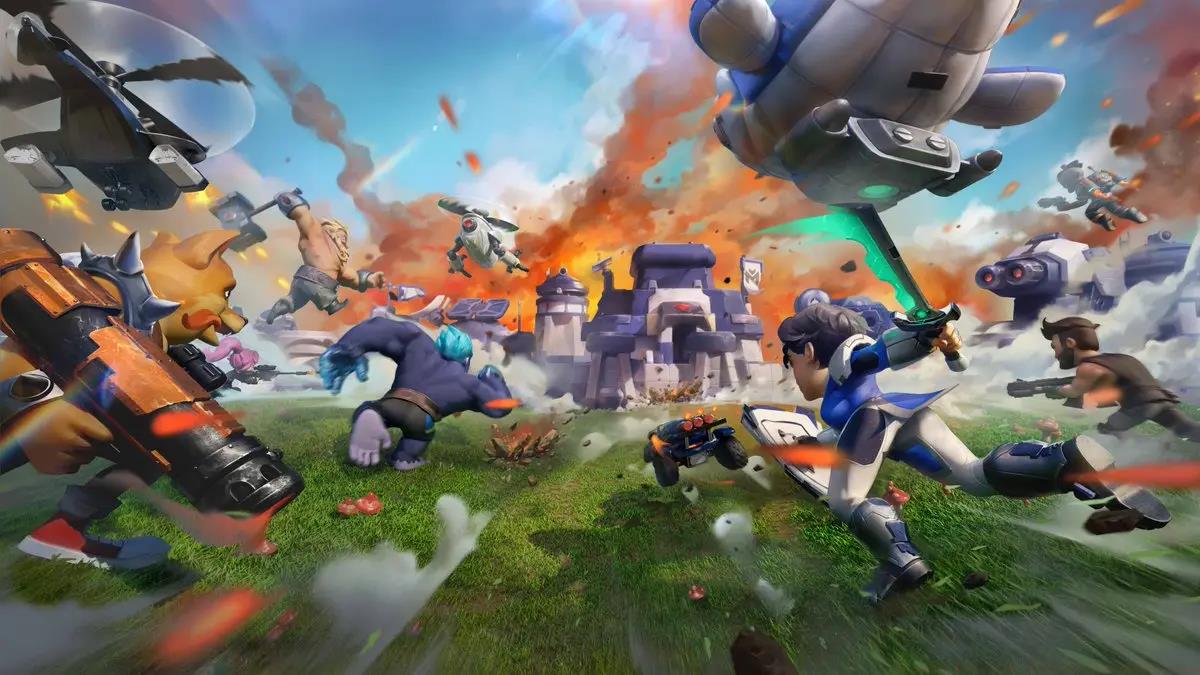
Layout Adaptation Strategies: Successful commanders regularly modify their base designs based on recent attack patterns. Monitor your defense logs to identify vulnerable areas and reposition defenses accordingly. The Complete Guide to military strategy emphasizes the importance of adapting fortifications to counter specific threat types.

Advanced Defense Mechanics: Understanding pathing algorithms helps optimize building placement. Defensive structures should cover multiple approach angles while forcing attackers through predetermined kill zones. Similar principles apply in Weapons Unlock strategies where positioning determines engagement effectiveness.
Strategic structure positioning separates mediocre bases from elite defensive fortifications. Proper placement not only enhances individual building effectiveness but creates synergistic defensive networks.
Defensive Structure Positioning: Place splash damage buildings (like mortars) centrally to maximize coverage, while single-target defenses (such as cannons) should protect high-value targets. Ensure overlapping fields of fire to prevent attackers from isolating individual defenses. Pro Tip: Position traps in common pathing locations between defensive structures to catch troops moving between targets.
Resource Protection Methodology: For farming-oriented bases, cluster resource storages together within your strongest defensive perimeter. Use decoy collectors outside walls to distract attackers while your primary resources remain secure. Advanced Technique: Create resource storage compartments with varying wall strengths to force attackers to use multiple wall-breaking units.
Trap Placement Strategies: Spring traps work best between defensive structures where troops congregate. Bombs should be placed where they can affect multiple units simultaneously, particularly near wall breaches. Seeking air mines should protect key air defenses from aerial assaults. Understanding these placement principles complements the strategic thinking required for effective Class Guide selection in team-based gameplay.
Spacing and Compartmentalization: Maintain adequate distance between buildings to prevent chain reactions from splash damage. Create irregular compartment shapes to disrupt predictable troop pathing. Common Mistake: Over-compartmentalization can create weak points where attackers can focus their forces, actually reducing overall defensive strength.
Progressive Defense Layering: Establish multiple defensive rings with increasing strength toward your core. The outermost layer should consist of inexpensive buildings to absorb initial attacks, while inner layers contain your most valuable structures. This approach mirrors military defense principles seen in NATO tactical doctrines.
Action Checklist
- Analyze your primary goal (resources, trophies, or balance) to select appropriate base type
- Choose layout style (Egg-Shell for core protection, Compartment for distributed defense)
- Position Town Hall according to base type (outside for Farming, inside for Trophy)
- Place defensive structures with overlapping coverage and strategic trap placement
- Test base design through friendly challenges and adjust based on vulnerability analysis
No reproduction without permission:Tsp Game Club » Heroes of Mavia Guide: How to Build an Effective Base Master strategic base building in Heroes of Mavia with expert layout designs and defense optimization tactics