
TL;DR
- Happy Ghasts require elevated platforms (10-15 blocks minimum) to prevent collisions with ground structures
- Essential materials include dark oak components, chests with leads/harnesses, and protective fencing
- Staircase construction follows a descending 10×3 to 9×3 block pattern for optimal access
- Always leash Ghasts immediately after platform completion to prevent escape
- Regular maintenance prevents mob despawning and ensures reliable transportation
Happy Ghasts represent one of the most versatile transportation mobs introduced in Minecraft’s ‘Chase the Skies’ update, offering unparalleled aerial mobility across your world. These unique creatures enable you to transport various mobs including horses, sniffers, and pandas through the skies. Their substantial 4×4 block footprint combined with constant hovering behavior creates challenges for mounting and containment. Fortunately, constructing a specialized platform resolves these issues effectively. Let’s explore comprehensive techniques for building an optimal Happy Ghast station.
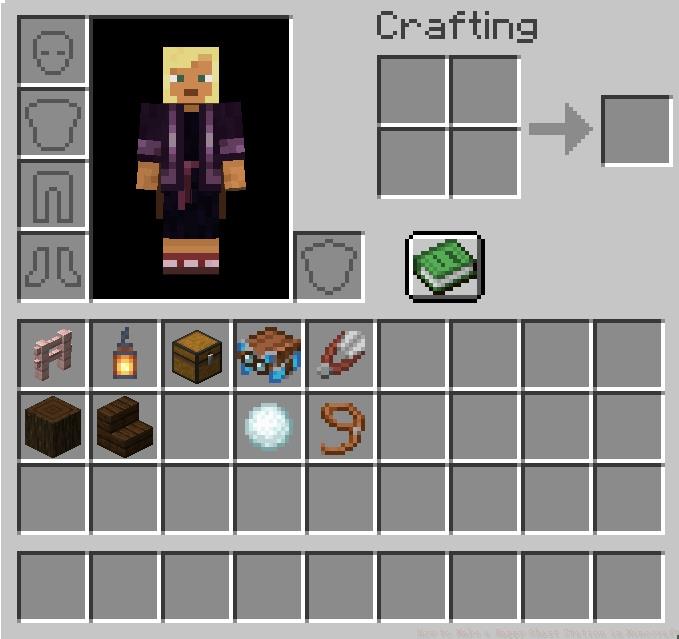
Creating an effective Happy Ghast station requires elevated positioning to prevent collisions with your base structures. These platforms should be constructed at minimum heights of 10-15 blocks above ground level. Credit goes to FunkyJ13 on YouTube for inspiring several design elements. For optimal station functionality, gather these essential components:
Successful Ghast station construction demands careful material selection and preparation. Beyond basic building blocks, you’ll need specialized equipment for mob management and transportation. Here’s the complete inventory breakdown:
Pro Tip: Always prepare extra leads and harnesses—Ghasts occasionally break free during initial taming attempts. Store these supplies in easily accessible chests near your station entrance.
Material selection significantly impacts both functionality and aesthetics. Dark oak components provide excellent structural integrity while maintaining visual appeal. Consider these material categories:
As previously established, Happy Ghast stations require elevated construction to prevent collisions with base structures. Begin by establishing secure stairway access, then construct the main platform with appropriate fencing for Ghast containment. Follow this detailed construction sequence:
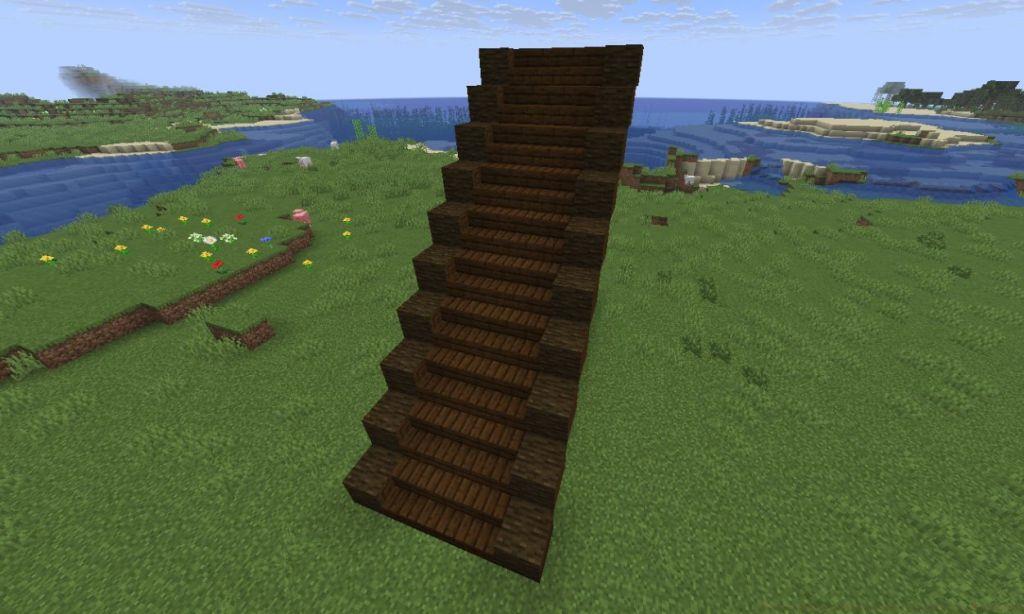
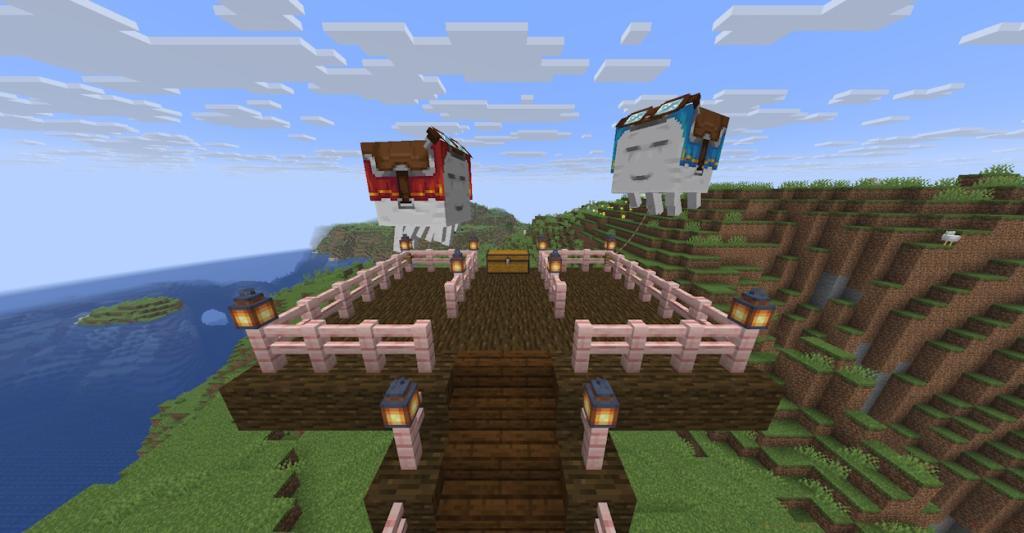
Initial construction focuses on stairway establishment, achievable using various stair types or standard wooden/stone blocks. Our demonstration utilizes dark oak stairs complemented by dark oak logs for structural support. While additional support isn’t technically necessary, we’ve incorporated it for enhanced visual appeal.
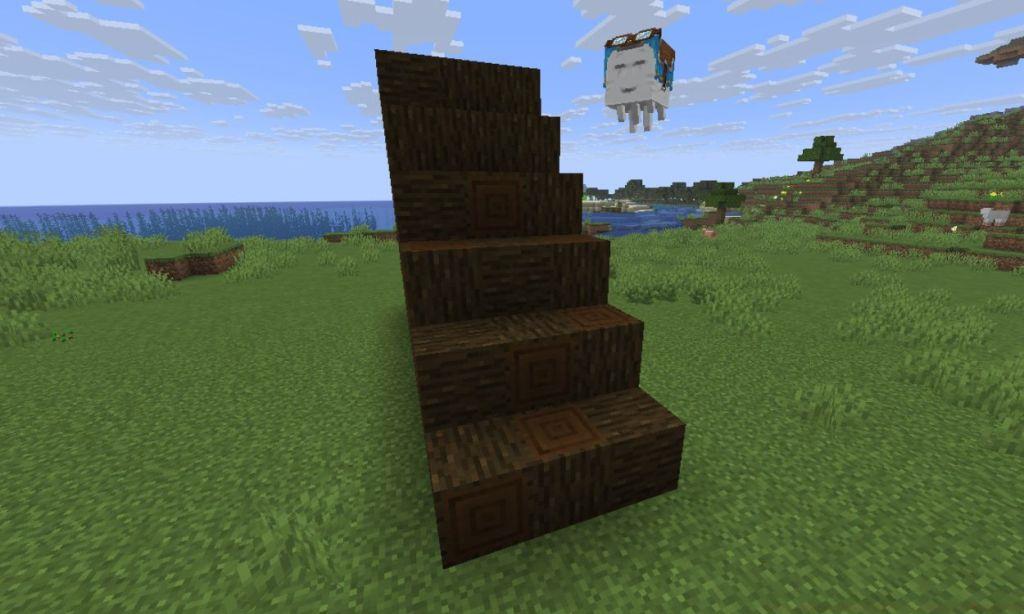
Our design incorporates exactly 10 stairs, though height customization depends on your specific requirements. With your design plan finalized, execute these construction phases:
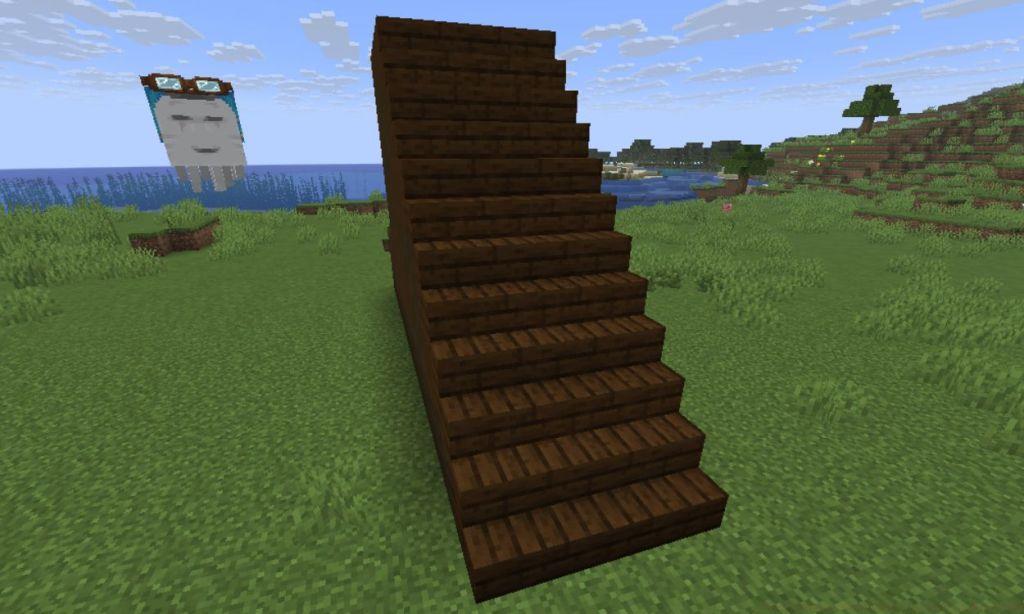
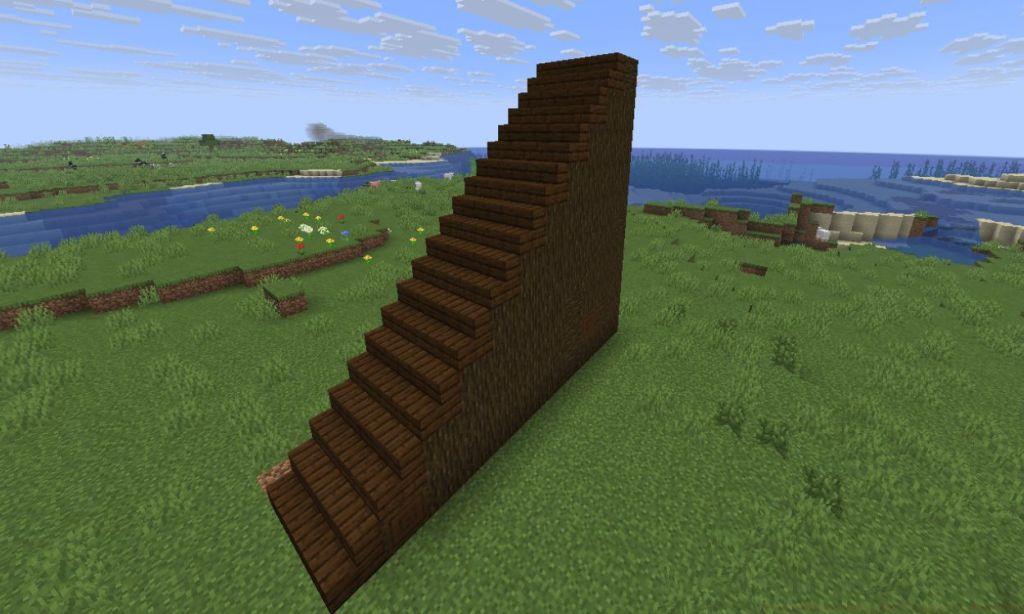
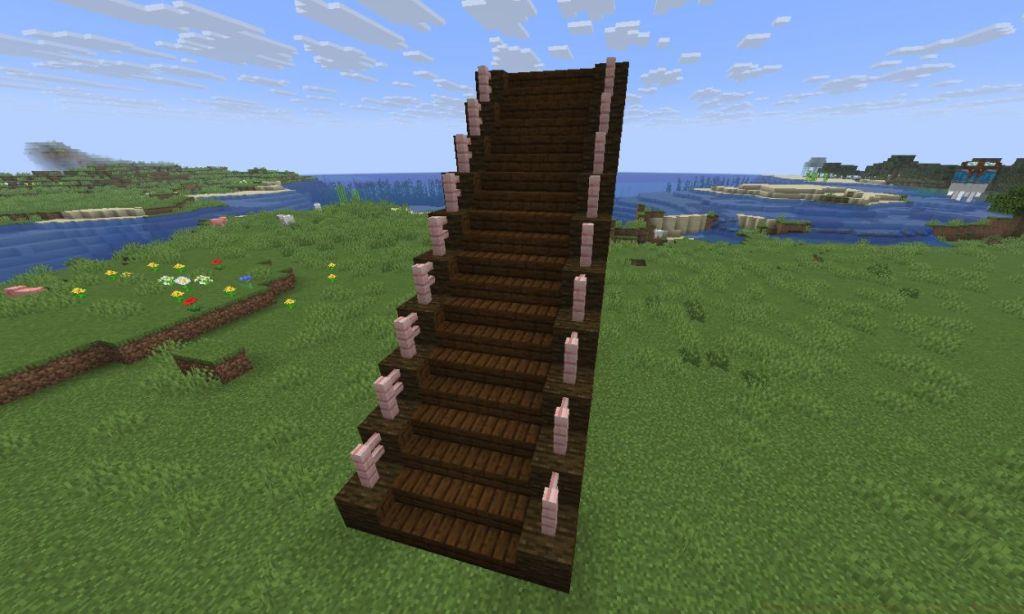
Common Mistake: Many builders underestimate the platform size needed. Ghasts require at least 5×5 blocks of clear space for comfortable movement and turning.
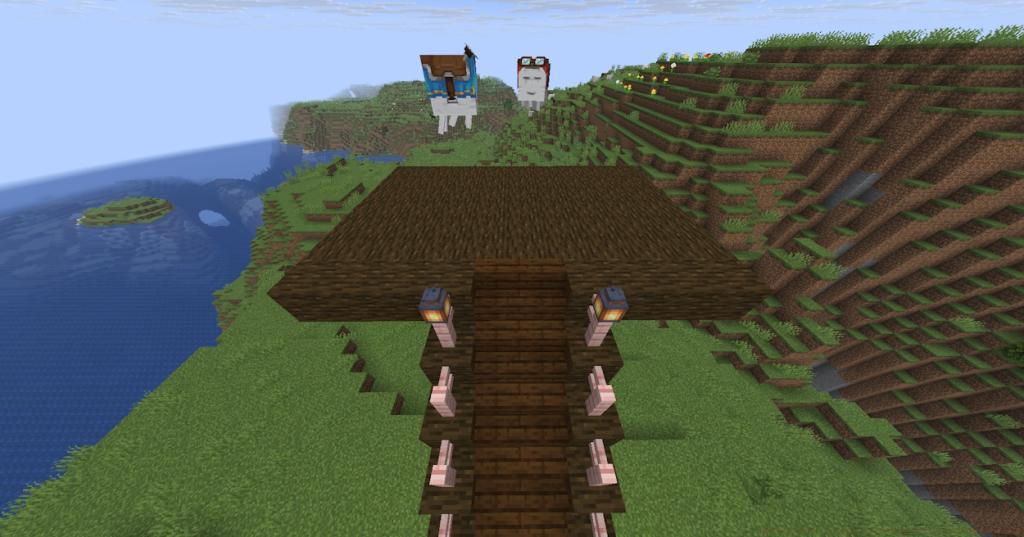
Once your basic structure is complete, focus on optimization and long-term functionality. These advanced techniques will transform your station from functional to exceptional:
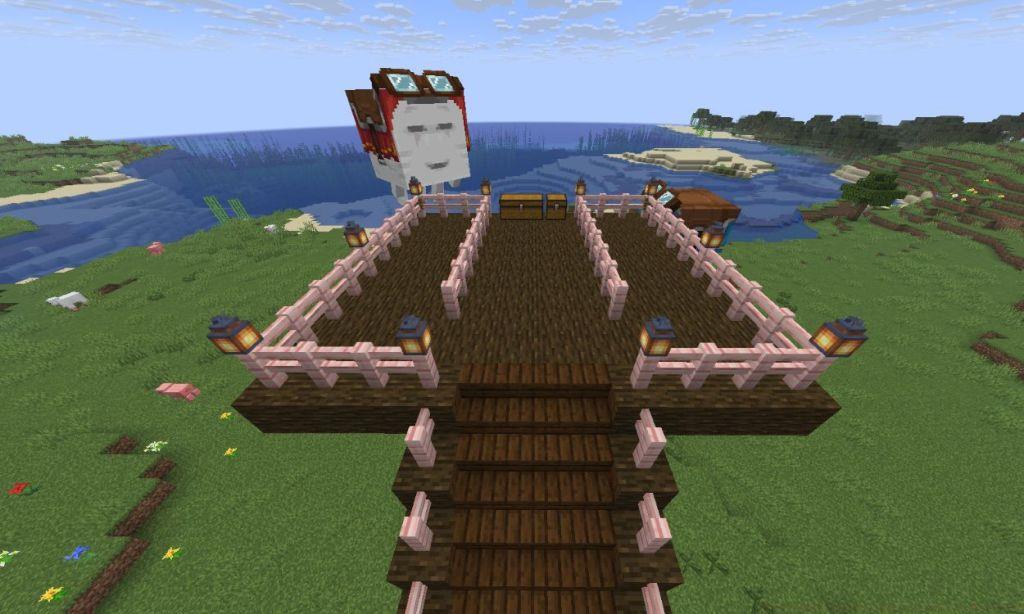
Optimization Strategies:
Critical Error Prevention: Never attempt to leash Ghasts before completing the entire fencing perimeter—they will escape. For comprehensive building techniques, consult our Complete Guide for additional structural insights.
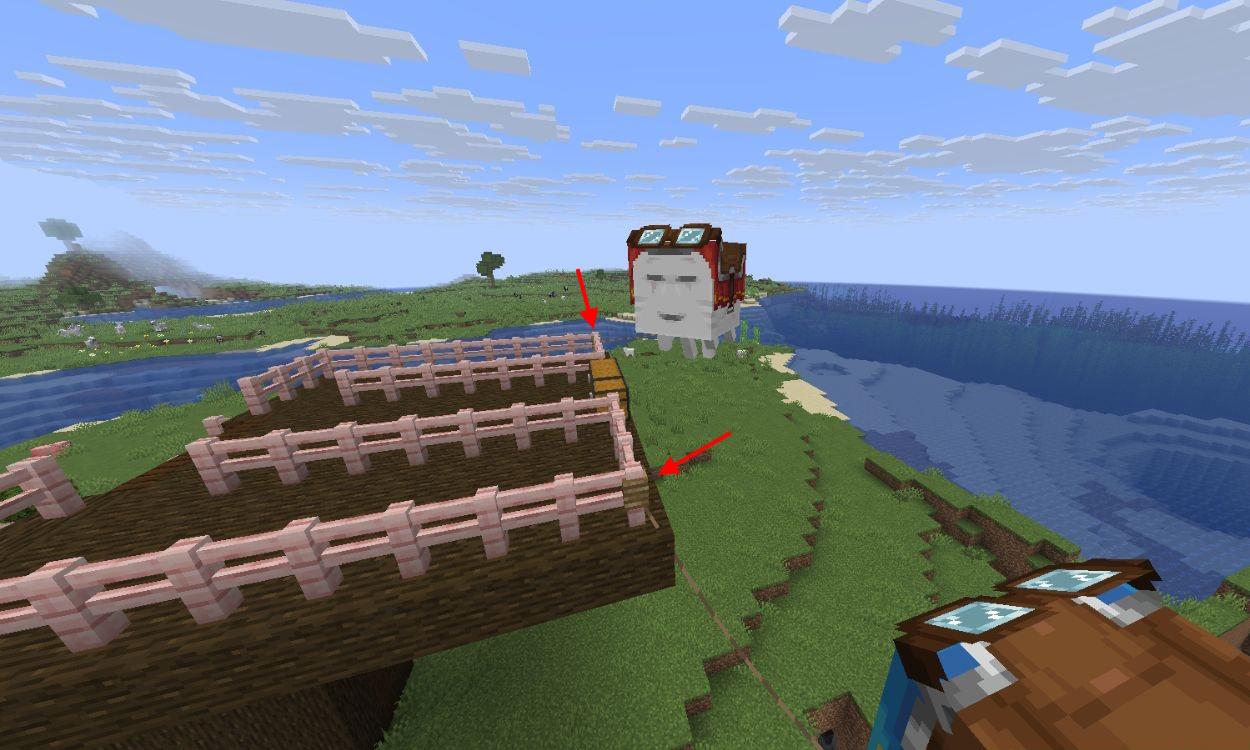
Maintenance Protocol: Regularly check leash connections and platform integrity. Ghasts may occasionally strain against leads during stormy weather or when detecting other mobs below.
Understanding Class Guide principles can enhance your station’s organizational efficiency, similar to how proper Weapons Unlock strategies optimize gameplay progression.
Action Checklist
- Gather all materials: dark oak components, chests with leads/harnesses, fencing
- Construct elevated stairway using 10×3 to 9×3 descending block pattern
- Build main platform at 10-15 block height with 5×5 minimum clear space
- Install complete fencing perimeter before attempting to leash any Ghasts
- Secure Ghasts with leads and test transportation functionality
- Add lighting, storage, and optional redstone enhancements
No reproduction without permission:Tsp Game Club » How to Make a Happy Ghast Station in Minecraft Build an efficient Happy Ghast transport hub with expert tips and common mistake avoidance