
TL;DR
- Moon Knight excels with precise Ankh placement for projectile bounces and enemy disruption
- Master aerial mobility through glide-double jump combinations for unpredictable flanking routes
- Coordinate Grappling Hook usage for both engage and disengage scenarios
- Prioritize squishy targets while using truncheon combos for close-quarters control
- Understand counter matchups to avoid hard engagements against area denial specialists
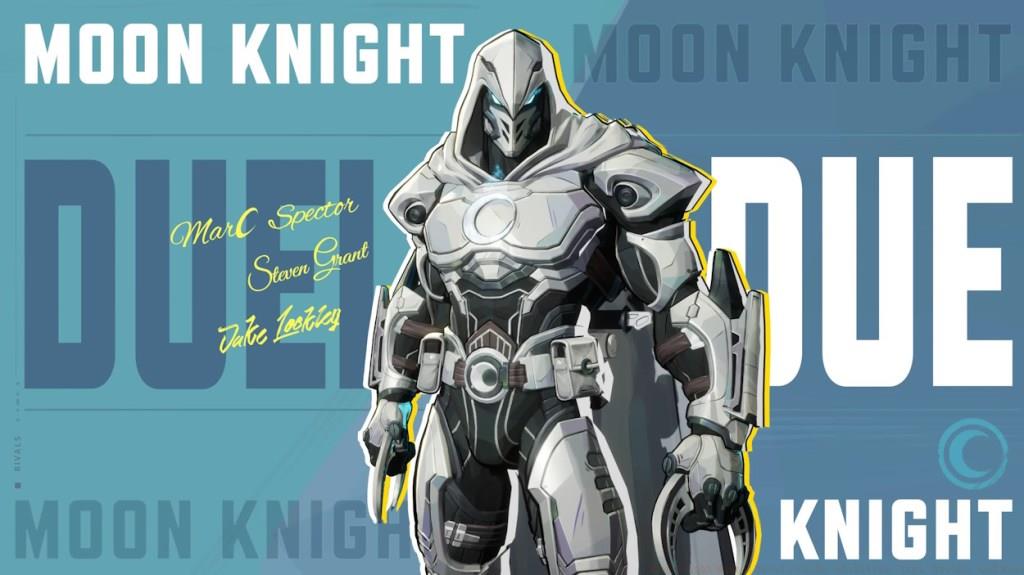
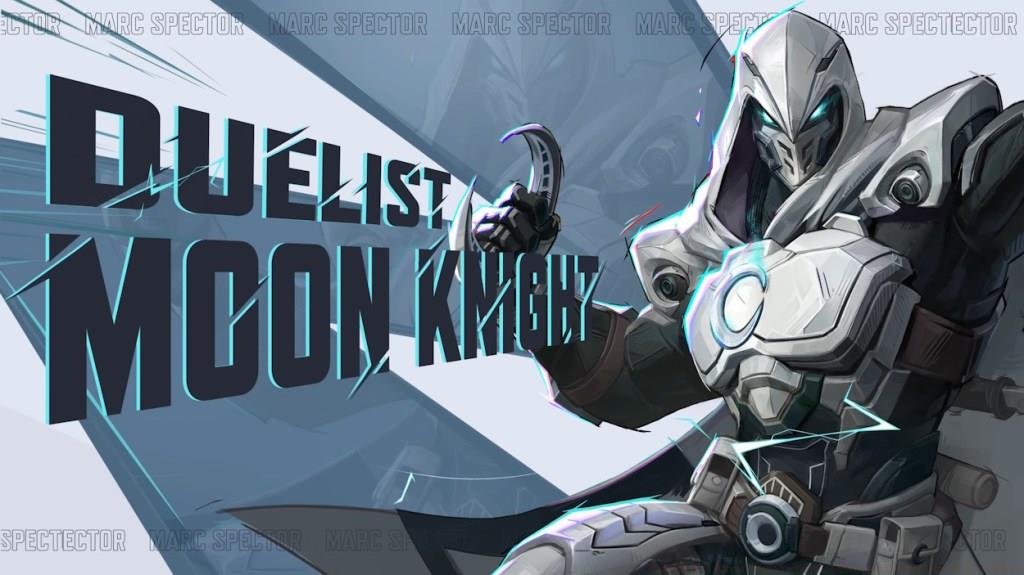
Whether you identify as Marc Spector, Steven Grant, or Jake Lockley, Moon Knight represents one of Marvel Rivals’ most technically demanding Duelists. Despite receiving multiple balance adjustments throughout various seasons, he maintains his status as an exceptionally lethal damage dealer. However, this character isn’t designed for casual play—unlocking his maximum effectiveness requires mastering complex mechanics and intelligent positioning decisions. This comprehensive Moon Knight guide delivers detailed ability breakdowns, elite-level strategies, and tactical approaches to transform you into the primary carry your squad desperately requires.
Whether you’re experimenting with Moon Knight for the first time or already possess several matches of experience, perfecting his skill set proves absolutely essential. Functioning as an all-in Duelist within Marvel Rivals, Moon Knight provides a distinctive toolkit merging burst damage potential, exceptional mobility options, and battlefield chaos generation.
Operating with 250 base health alongside a movement speed of 6m/s, he embodies the high-risk, high-reward brawler archetailored for aggressive tactical plays. To maximize your effectiveness with him, here’s an exhaustive examination of Moon Knight’s capabilities within Marvel Rivals:
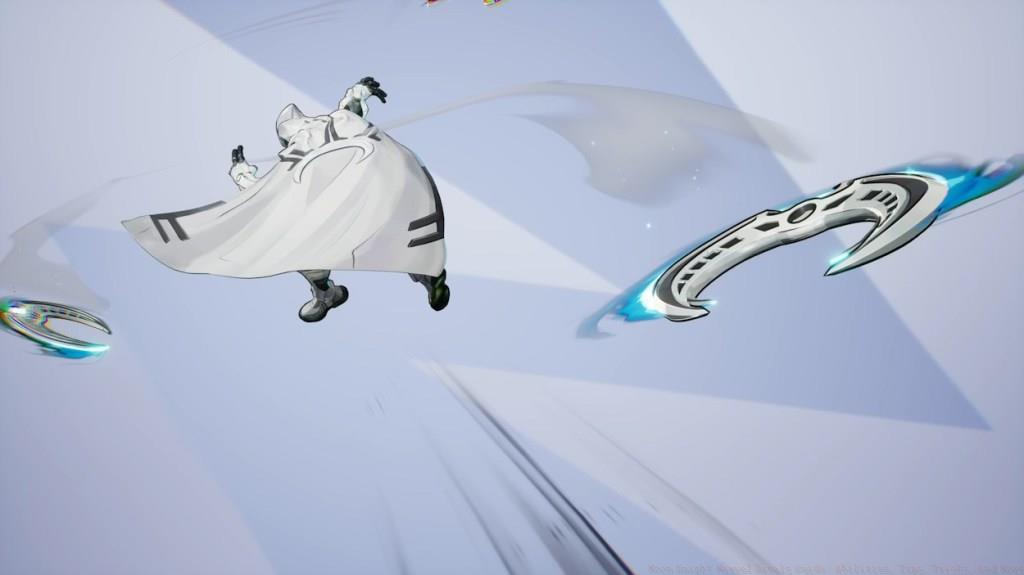
Moon Knight’s fundamental assault mechanism specializes in precisely dismantling clustered opponents. His Crescent Darts propel forward while caroming between hostile targets and strategically placed Ankhs, inflicting 25 damage per successful hit—ideal for applying pressure to grouped adversaries and establishing burst combination opportunities.
The alternate fire capability launches a Moon Blade that deflects between enemies and Ankhs, delivering substantial 80 damage upon initial contact. This represents a formidable instrument for eliminating low-health targets or creating ricochet trajectories within confined combat spaces.
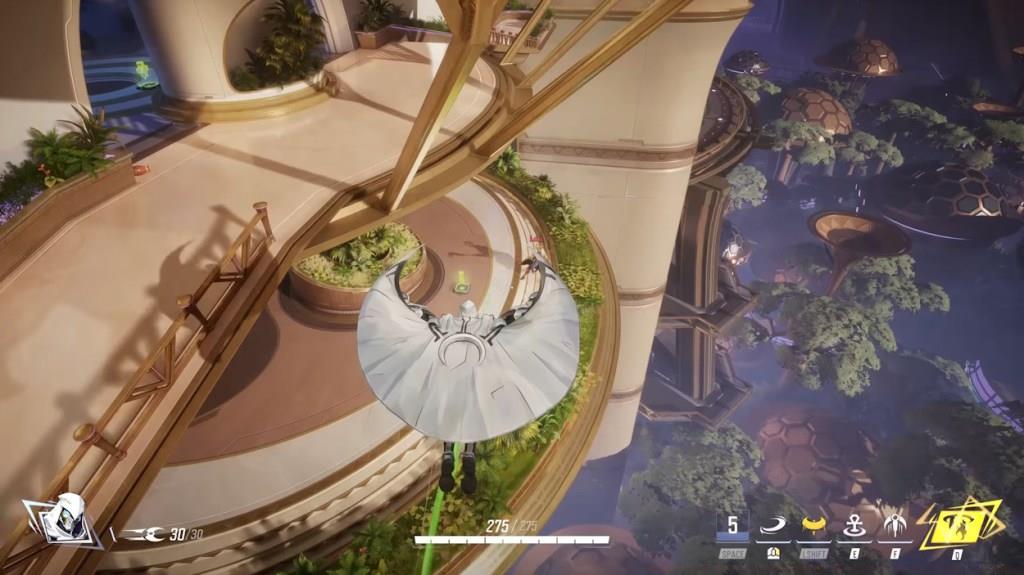
If executing ambushes from elevated positions aligns with your playstyle, this mobility option becomes indispensable. While airborne, maintain your dash activation (Shift) to initiate a controlled aerial descent, enabling mid-air repositioning capabilities. You can direct the glide trajectory utilizing aiming and movement inputs, rendering it optimal for unexpected assaults or elegant evasion maneuvers.
Moon Knight deploys an Ankh that attracts enemies within its 7-meter effective radius toward its central point, causing 20 damage during activation. Following deployment, it persists on the battlefield as a tangible entity until eliminated by opposition forces. Additionally, it functions as a rebound location for Moon Knight’s projectile weapons, establishing it as a crucial instrument for both disruption tactics and combination sequence initiations.
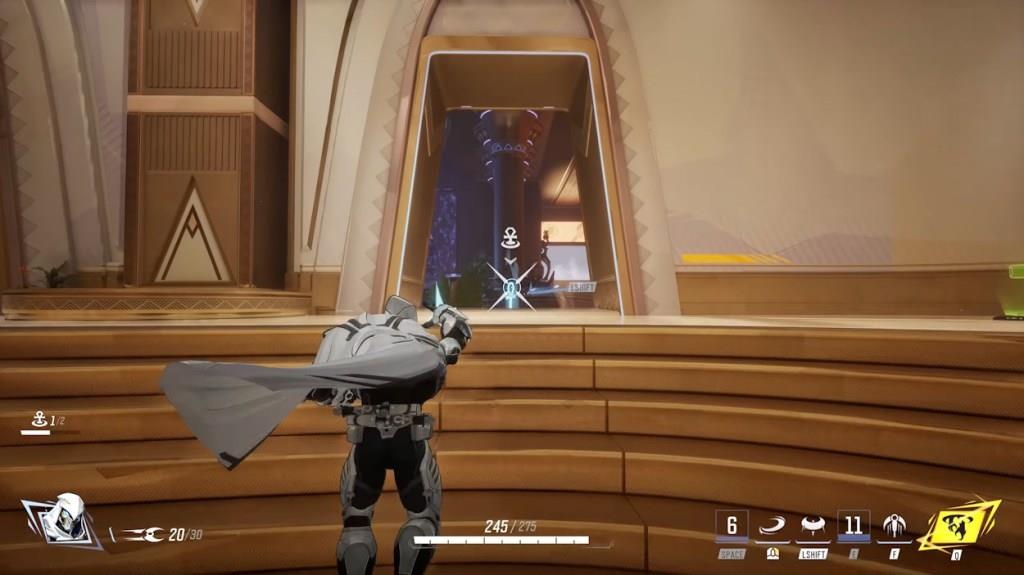
Whether your objective involves drawing enemies into vulnerable positions or rapidly adjusting your tactical placement, Moon Knight’s Grappling Hook serves as your premier mobility solution. Project it forward to either pull yourself toward environmental surfaces or drag adversaries toward your position, contingent upon connection points. This rapid, versatile tool proves excellent for both pursuit scenarios and escape situations.
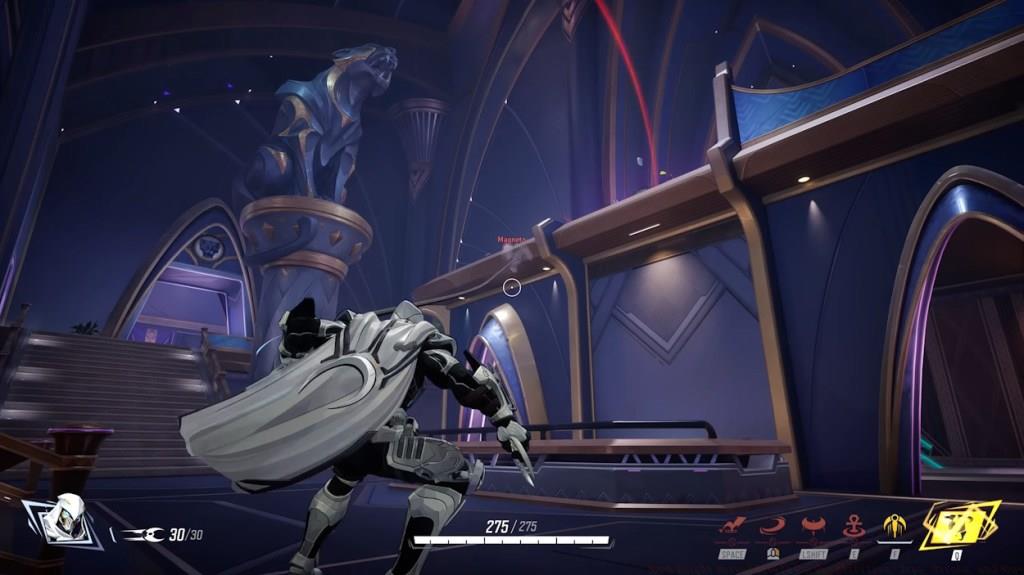
As though gliding and grappling capabilities weren’t sufficiently comprehensive, Moon Knight additionally possesses access to a double jump maneuver. Simply activate the jump command (Space) during mid-air phases to propel yourself vertically once more. Integrate this with his glide functionality for sophisticated aerial mobility and unpredictable flanking pathways.
Desiring to activate complete brawler operational mode? Moon Knight discharges a rapid truncheon combination sequence, optimized for close-quarters engagements. Each third strike within the pattern momentarily elevates enemies airborne, providing adequate temporal windows for subsequent actions or positional adjustments.
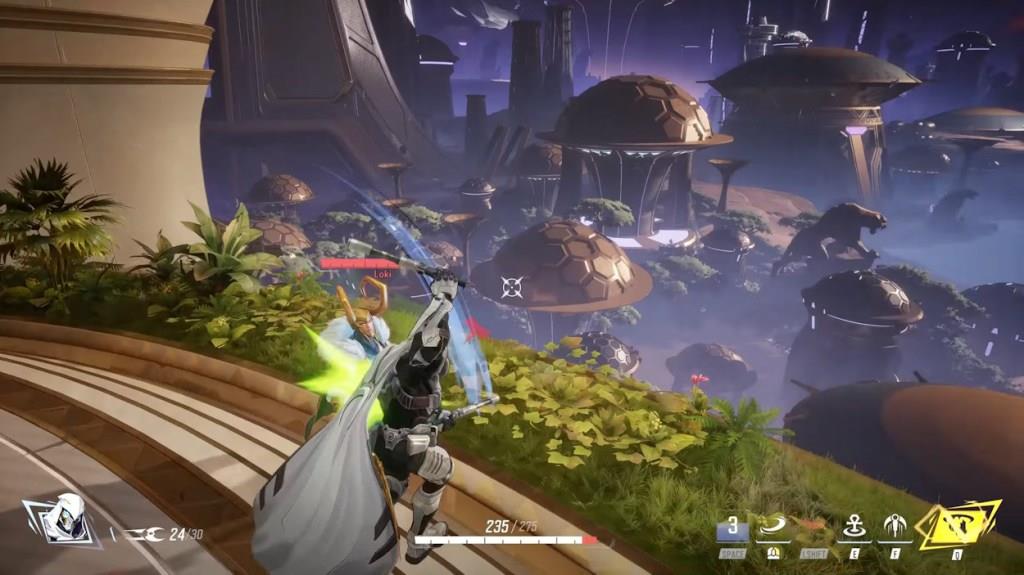
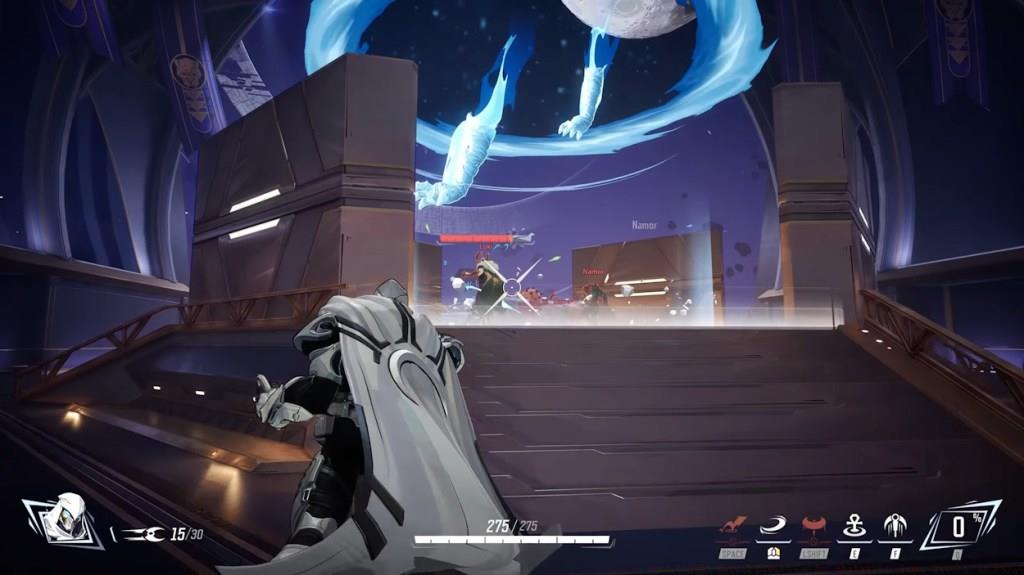
Mastering Moon Knight’s positioning represents the fundamental difference between mediocre and exceptional performance. His 250 health pool demands intelligent engagement selection rather than reckless aggression. The most successful Moon Knight players understand when to utilize his mobility for positioning advantages versus committing to all-in engagements.
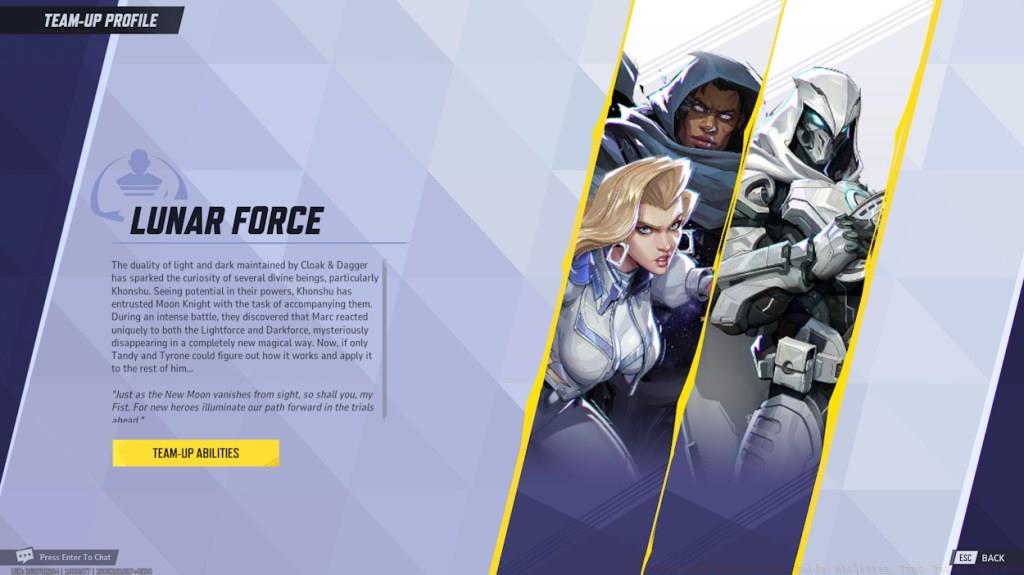
Optimal Engagement Ranges: Moon Knight operates most effectively within 10-15 meter distances, allowing his projectiles maximum bounce potential while maintaining escape options. Avoid prolonged close-quarters combat against tankier opponents who can out-sustain your damage output.
Ankh Placement Philosophy: Deploy Ankhs near choke points or objective locations to maximize disruption. Remember that enemies can destroy deployed Ankhs, so position them behind cover or at unexpected angles to prolong their battlefield presence.
Common Positioning Errors: Many novice Moon Knight players overcommit using Grappling Hook without escape routes. Always maintain at least one mobility cooldown for disengagement scenarios.
Advanced Aerial Maneuvers: Combine double jump with glide to create unpredictable attack angles from elevated positions. This approach proves particularly effective against ground-locked heroes with limited vertical targeting capabilities.
Moon Knight thrives within specific team configurations that complement his aggressive playstyle while covering his defensive vulnerabilities. Understanding these synergies transforms him from a mere damage dealer into a strategic centerpiece capable of controlling engagement flow.
Ideal Duelist Pairings: Coordinate with other high-mobility Duelists who can capitalize on the chaos Moon Knight generates. His Ankh disruption creates opportunities for burst-focused teammates to secure eliminations on displaced targets.
Support Hero Combinations: Healers who provide sustained healing rather than burst recovery work best with Moon Knight’s hit-and-run approach.
Tank Coordination Strategies: Work alongside frontline tanks who can create space for Moon Knight’s flanking maneuvers. The Class Guide offers additional insights into role synchronization that applies directly to Marvel Rivals team building principles.
Team Fight Execution: During coordinated engagements, Moon Knight should prioritize eliminating vulnerable backline targets while using his mobility to avoid frontline confrontation.
Understanding Moon Knight’s weaknesses proves equally important as mastering his strengths. Certain hero types and playstyles can effectively neutralize his impact when properly executed.
Hard Counter Heroes: Characters with area denial abilities or consistent crowd control can severely limit Moon Knight’s effectiveness. These heroes disrupt his mobility patterns and punish aggressive positioning.
Soft Counter Strategies: Even against favorable matchups, intelligent play can mitigate counter effectiveness. The Complete Guide to tactical gameplay provides foundational principles that translate effectively to managing disadvantageous engagements.
Positioning Adjustments: When facing counter compositions, modify your engagement patterns to avoid direct confrontation. Utilize flanking routes and coordinate with teammates to create distraction opportunities.
Adaptive Playstyle Requirements: Successful Moon Knight players recognize when to transition from primary carry to opportunistic finisher based on enemy team composition.
Action Checklist
- Practice Ankh placement near choke points and learn projectile bounce angles
- Master Grappling Hook disengage timing by always saving one charge for escape scenarios
- Develop aerial attack patterns combining double jump and glide for unpredictable approaches
- Study optimal engagement ranges (10-15 meters) in training mode
- Analyze replay footage to identify positioning errors and overcommitment patterns
No reproduction without permission:Tsp Game Club » Moon Knight Marvel Rivals Guide: Abilities, Tips, Tricks, and More Master Moon Knight's high-skill mechanics with advanced strategies, combo setups, and positioning tactics for Marvel Rivals dominance