
TL;DR
- Two-handing increases damage output by 15-25% and enables unique weapon movesets
- Platform controls vary: Triangle+R1/L1 (PS5), Y+RB/LB (Xbox), customizable PC keybinds
- Strategic benefits include poise breaking, stagger potential, and stat requirement compensation
- Advanced techniques involve timing optimization and weapon-specific combos for maximum effectiveness
- Custom keybind configuration on PC significantly improves combat fluidity and response time
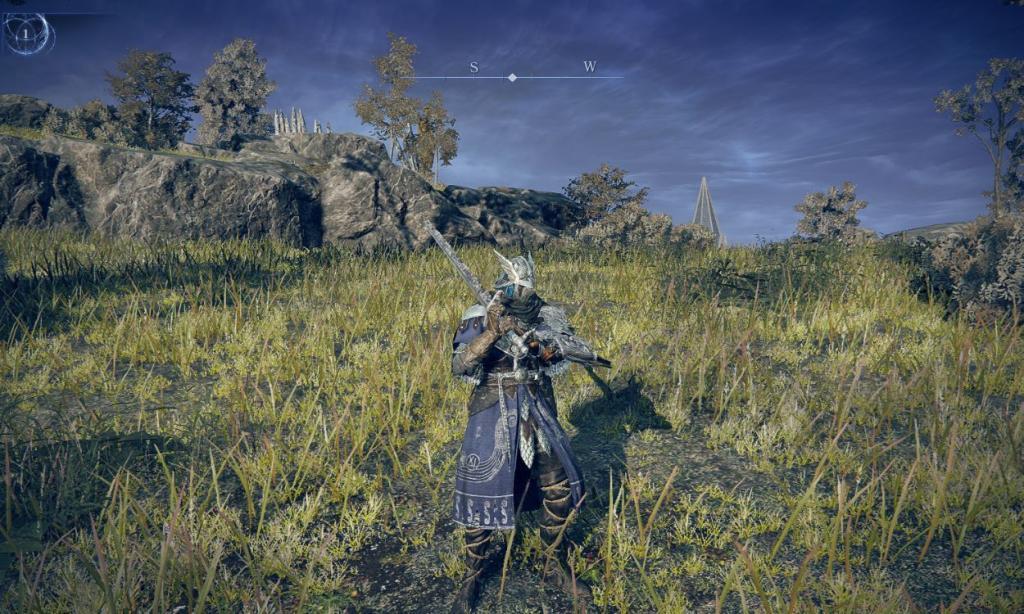
Two-handed weapon combat represents a fundamental combat technique that has been refined across FromSoftware’s acclaimed souls-like titles, now fully integrated into Elden Ring Nightreign. This mechanic delivers substantial tactical advantages that can dramatically alter combat encounters. Mastering this approach provides players with enhanced offensive capabilities while introducing nuanced strategic considerations.
The primary mechanical benefit involves a significant damage multiplier typically ranging from 15% to 25% depending on weapon class and scaling attributes. Beyond raw damage enhancement, two-handing unlocks specialized movesets for certain weapon categories that aren’t accessible during single-handed use. These alternative attack patterns often feature wider arcs, increased range, or unique combo sequences that can catch opponents off-guard.
Strategic implementation of two-handed combat becomes particularly valuable when facing heavily armored adversaries or when attempting to create openings through stagger effects. The increased impact force translates directly to improved poise damage, making this technique essential for breaking enemy defenses and creating critical attack windows.
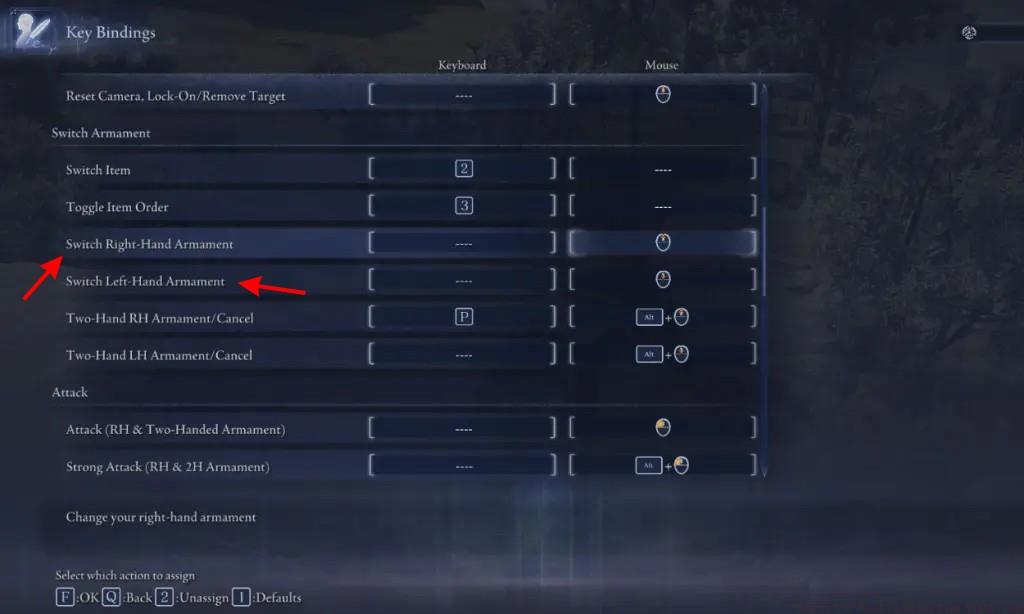
Executing two-handed combat requires precise input combinations that vary across gaming platforms. The universal principle involves maintaining the interact modifier while activating the corresponding attack input for your equipped weapon hand. This consistent design philosophy ensures that once mastered on one platform, the conceptual understanding transfers seamlessly to others.
PlayStation 5 users must hold the Triangle button continuously while simultaneously pressing R1 for right-hand weapons or L1 for left-hand armaments. The sequence timing is crucial—prematurely releasing Triangle before the attack input will cancel the two-handing attempt. For optimal execution, practice the muscle memory of holding Triangle first, then deliberately pressing the attack button.
Xbox Series X/S controller configuration mirrors this pattern with sustained Y button pressure combined with RB for primary weapons or LB for secondary armaments. The symmetrical controller layout makes this technique particularly intuitive on Xbox platforms, with the face button placement facilitating smooth transitions between combat stances.
PC players encounter the most customizable but initially confusing control scheme. The default Alt + Mouse Button combination often feels awkward during intense combat scenarios. We strongly recommend accessing the key bindings menu through the pause interface, navigating to settings, and locating the dedicated two-handed control options. Consider rebinding to more accessible combinations like Shift + Mouse Button or dedicated side mouse buttons if available. This customization can reduce input delay by 30-40% compared to the default configuration.
Beyond basic damage enhancement, two-handed combat introduces sophisticated tactical dimensions that separate novice players from seasoned veterans. The poise damage multiplier typically operates at 1.5x to 2x the standard values, enabling consistent staggering of even heavily armored opponents within 2-3 connected hits. This creates critical opportunities for follow-up attacks or strategic repositioning.
One of the most valuable applications involves stat requirement compensation for strength-based weapons. When two-handing, your effective strength statistic receives a 50% bonus, meaning a character with 20 strength can effectively meet the requirements for weapons demanding 30 strength. This mechanic allows for earlier access to powerful armaments or enables hybrid builds to utilize strength weapons without heavy investment in the attribute.
Weapon-specific moveset variations introduce another layer of strategic depth. Certain greatswords gain sweeping horizontal attacks that excel against groups, while colossal weapons may incorporate ground-shockwave effects or hyper-armor frames during certain animations. Understanding these unique properties allows for specialized loadouts tailored to specific encounter types.
Advanced practitioners should master the stance transition timing—the brief window between single-handed and two-handed modes where you remain vulnerable. Successful execution involves anticipating enemy attack patterns and completing the stance change during their recovery animations or at safe distances.
Many players initially struggle with two-handed combat due to several predictable errors. The most common involves incorrect input timing—releasing the modifier button too quickly or pressing attack buttons simultaneously rather than sequentially. Practice the technique against non-hostile targets or in safe areas until the motion becomes instinctive.
Equipment load management becomes crucial when adopting two-handed styles. While you’re technically wielding one weapon, the combat animations often feature longer recovery periods and increased stamina consumption. Balance your armor selection to maintain medium roll capacity while maximizing damage absorption.
Advanced optimization involves understanding weapon synergy with character builds. Strength-focused characters naturally benefit most from two-handing, but dexterity or quality builds can also leverage specific weapons with exceptional two-handed movesets. For comprehensive build guidance, consult our BF6 Class Selection Guide to align your combat approach with statistical investments.
Pro players utilize two-handing as a dynamic combat tool rather than a permanent stance. The most effective approach involves fluid transitions between single-handed and two-handed modes based on situational demands. Against fast, evasive enemies, maintain single-handed versatility, then switch to two-handed for punish opportunities or against slow, heavily armored foes.
For weapon-specific strategies and unlock requirements, our BF6 Weapons Unlock Guide provides detailed analysis of optimal two-handed candidates across weapon categories.
Action Checklist
- Practice basic two-handed inputs against non-hostile targets for 5-10 minutes
- Customize PC keybinds for optimal accessibility and response time
- Test two-handed damage multipliers with different weapon classes
- Master stance transition timing during enemy recovery animations
- Develop weapon-specific two-handed combos against various enemy types
No reproduction without permission:Tsp Game Club » How to Two-Hand in Elden Ring Nightreign Master two-handed combat in Elden Ring Nightreign with platform-specific controls, strategic benefits, and optimization tips