
TL;DR
- Clutch situations test psychological resilience as much as mechanical skill
- Information advantage through teammate callouts and sound cues is critical
- Proper positioning and timing management often outweigh raw aiming ability
- Strategic deception and grenade discipline separate average from elite players
- Consistent practice with specific scenarios builds muscle memory for high-pressure moments
Picture yourself as the final player standing on a vast battlefield. Your teammates watch silently as you navigate alone through dangerous territory, every footstep potentially revealing your location to hidden opponents. The pressure mounts with each passing second – your crosshair placement becomes critical, your hearing intensifies, and your decision-making carries the weight of the entire round. Eliminating one opponent, then another, then securing the bomb defusal… only then does the adrenaline surge hit you full force.
This intense experience defines what players feel after successfully executing a clutch. These high-stakes moments separate casual players from true competitors, revealing raw skill under extreme pressure. How do elite players maintain composure and consistently deliver in these critical situations? Let’s explore the mental framework required.
What is a “clutch” in CS2/CS:GO?
While most players understand the basic concept – winning a round single-handedly against multiple opponents – the psychological dimension often gets overlooked. A clutch represents far more than just mechanical skill; it’s the ultimate test of mental fortitude.
Clutch situations transform the game into psychological warfare against your opponents. Success requires integrating intuition, extensive game knowledge, precise aiming, and situational awareness that typically develops only through thousands of hours of gameplay. Understanding map geometry and efficient navigation paths becomes paramount – hesitation or backtracking typically proves fatal when time is limited.
Clutch performance also measures your capacity to manage stress and maintain clarity under fire. The calmer player usually emerges victorious, which explains why experienced competitors approach these moments with calculated precision rather than emotional reaction. For them, it becomes a strategic calculation where hunter’s instinct meets probability assessment. Some players literally hold their breath during intense engagements, with the emotional release coming only after securing the round.
Key factors for winning a clutch in CS2/CS:GO
- Gathering information. Superior intelligence gathering separates clutch winners from losers. You must process information from teammate death locations while predicting enemy rotations. This is where “mental math” becomes essential – projecting opponent positions 10, 20, and 30 seconds into the future based on sound cues and map knowledge. This predictive ability develops only through deliberate practice and analytical review of gameplay patterns.
- Using time and timings for your advantage. Mastering the game’s temporal dynamics allows you to pressure opponents effectively. If you understand rotation times between sites, you can create false pressure or exploit timing gaps. When the bomb is already planted, passive waiting often wastes precious seconds needed for site clearance and defusal. Conversely, reckless rushing typically plays into enemy setups. Finding the balance between urgency and patience defines elite clutch players.
- Picking position. Strategic positioning determines survival in clutch scenarios. You must identify areas that minimize exposure angles while maximizing your defensive advantages. The technique of “hugging the walls” in CS2/CS:GO – maintaining cover along map geometry to eliminate directional threats systematically. Engaging multiple enemies simultaneously usually ends disastrously; instead, create engagement sequences that isolate 1v1 duels.
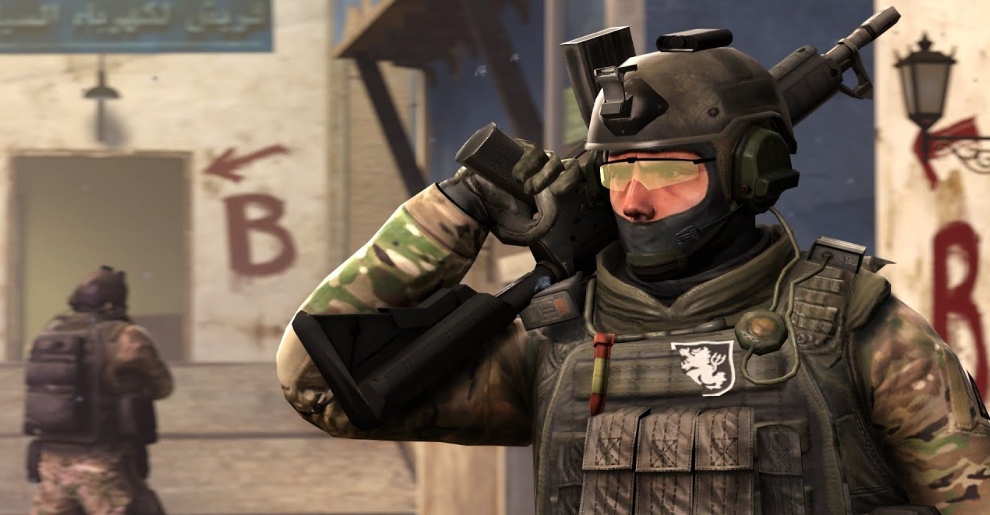
- Plant the bomb correctly. Advanced bomb placement requires knowledge beyond standard positions. You should memorize less common plant spots that create defensive advantages. Always plant with your intended defensive position in mind, and remember that immediate repositioning after planting often catches opponents off-guard. For instance, planting in pit then rotating to an unexpected angle can deceive enemies expecting standard post-plant positions. These advanced tactics require significant game sense development.
- Keep your hands away from grenades. Maintaining stealth remains paramount in clutch scenarios. Grenade usage typically reveals your position, compromising your greatest advantage – information control. Your positional uncertainty in the enemy’s mind represents your most powerful weapon, so preserve it strategically. Limited exceptions exist: smoking bomb sites for defusal attempts, eliminating confirmed low-health opponents, or creating diversionary smokes to misdirect enemy attention.
- Deceive your enemy. Psychological manipulation becomes your primary tool in disadvantageous situations. As attackers, create false pressure points to waste opponent time and disrupt their setup rhythm. Defensively, use smoke placements to suggest false defensive setups, encouraging reckless enemy pushes. Exercise patience when enemies attempt stealth approaches; wait for guaranteed engagement opportunities rather than speculative shots.
Beyond the fundamental principles, elite players develop nuanced approaches to clutch scenarios. Audio cue interpretation becomes increasingly sophisticated – distinguishing between different weapon sounds, reload cues, and footstep patterns across various surfaces. Crosshair placement evolves beyond basic head level to anticipate specific peek angles and pre-aim common holding positions.
Economic considerations also influence clutch decision-making. Understanding when to save weapons versus committing to unlikely round wins separates strategically minded players. In eco rounds, surprise factor and unconventional positioning can sometimes overcome equipment disadvantages.
Advanced players also master the art of “stutter peeking” – using quick, rhythmic movements to gather information while minimizing exposure. This technique requires precise mouse control and timing awareness to avoid giving opponents clean shots.
Now you possess comprehensive understanding of what constitutes a “clutch” and have acquired the tactical framework to succeed in future high-pressure situations against single or multiple opponents.
Monitor your Clutch CS2 performance metrics on SCOPE.GG! Access detailed analytics about your strengths and development areas, review critical gameplay moments, analyze patterns and achieve victory consistently!
Action Checklist
- Practice 1vX scenarios in retake servers for 15 minutes daily
- Review demo footage of your clutch attempts to identify decision-making errors
- Master 3 uncommon bomb plant spots on your primary maps
- Develop pre-planned positioning routes for common clutch situations
- Practice sound cue identification with eyes closed on familiar maps
No reproduction without permission:Tsp Game Club » How to win a clutch in CS:GO? Winner’s tactic. Guide by SCOPE.GG Mastering clutch situations in CS2/CS:GO through psychological control and strategic decision-making