
TL;DR
- CS2 teams succeed through specialized roles: IGL calls strategies, AWPer secures picks, Entry creates openings, Lurker gathers intel, Anchor holds sites, and Support enables teammates
- Mastering your role requires understanding both mechanical skills and game sense – aim alone isn’t enough for consistent victory
- Each position has specific responsibilities that complement others; poor role execution creates team-wide weaknesses
- The most successful players excel in one primary role while maintaining competency in secondary positions
- Role selection should align with your natural playstyle, communication preferences, and decision-making tendencies
In this article:
- Discover how CS2’s specialized roles create synergistic team dynamics that outperform individual skill
Counter-Strike’s competitive evolution transformed from individual brilliance to coordinated team play, with the In-Game Leader (IGL) position emerging as the cornerstone of strategic execution. Unlike traditional sports where coaches direct from sidelines, CS2 IGLs operate within the match, balancing tactical oversight with personal performance. The role demands exceptional game knowledge, predictive analysis of opponent movements, and the psychological insight to maintain team morale during high-pressure situations.
Successful IGLs typically demonstrate three core competencies: comprehensive map knowledge including timings and angles, ability to read opponent tendencies within the first few rounds, and capacity to adapt strategies mid-game when initial plans fail. Many aspiring leaders underestimate the cognitive load – tracking economy, opponent tendencies, teammate positions, and executing personal duties simultaneously separates elite IGLs from average shot-callers.
Common IGL Mistakes to Avoid: Over-calling without allowing player autonomy, failing to adjust to opponent counter-strategies, and neglecting their own mechanical skill development. A frequent error involves overcomplicating strategies rather than refining execution of fundamental plays.
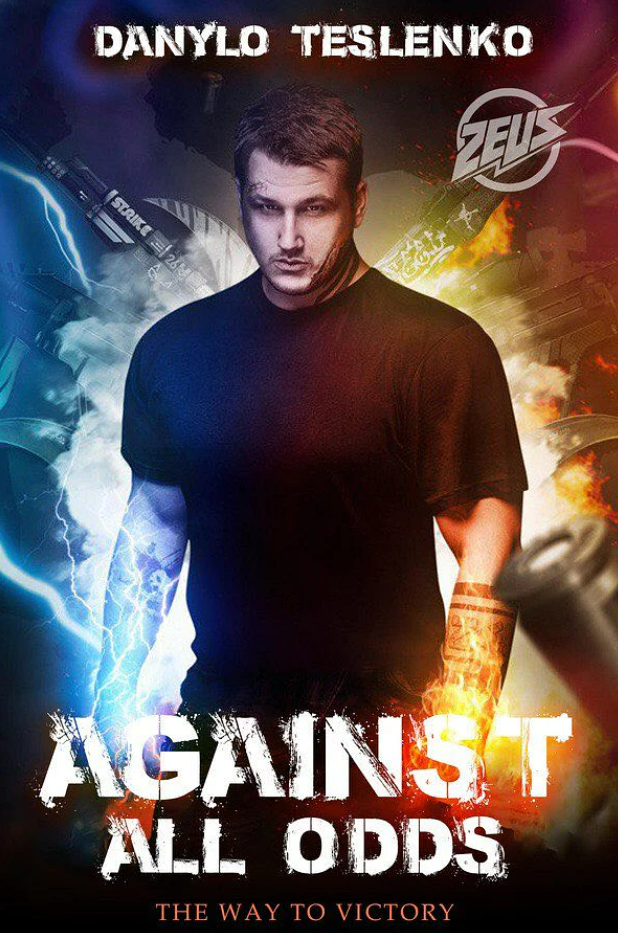
Zeus exemplified strategic leadership, balancing in-game command with team psychology management The AWPer operates as both a defensive anchor and offensive playmaker, utilizing the AWP’s one-shot-kill potential to control map areas and create numerical advantages. The weapon’s movement penalty (37% slower than rifles) creates positioning constraints that separate effective snipers from liability players.
Advanced AWPer development extends beyond reaction time to include: angle selection prioritizing escape routes, understanding when to sacrifice positioning for critical kills, and mastering secondary weapons for close-quarters survival. Elite snipers like s1mple and ZywOo demonstrate the importance of aggressive positioning that pressures multiple map areas simultaneously.
Weapon Proficiency Hierarchy: While AWP mastery defines the role, pistol round performance often determines match outcomes. The Desert Eagle and P250 provide cost-effective stopping power when economy prevents AWP purchase.
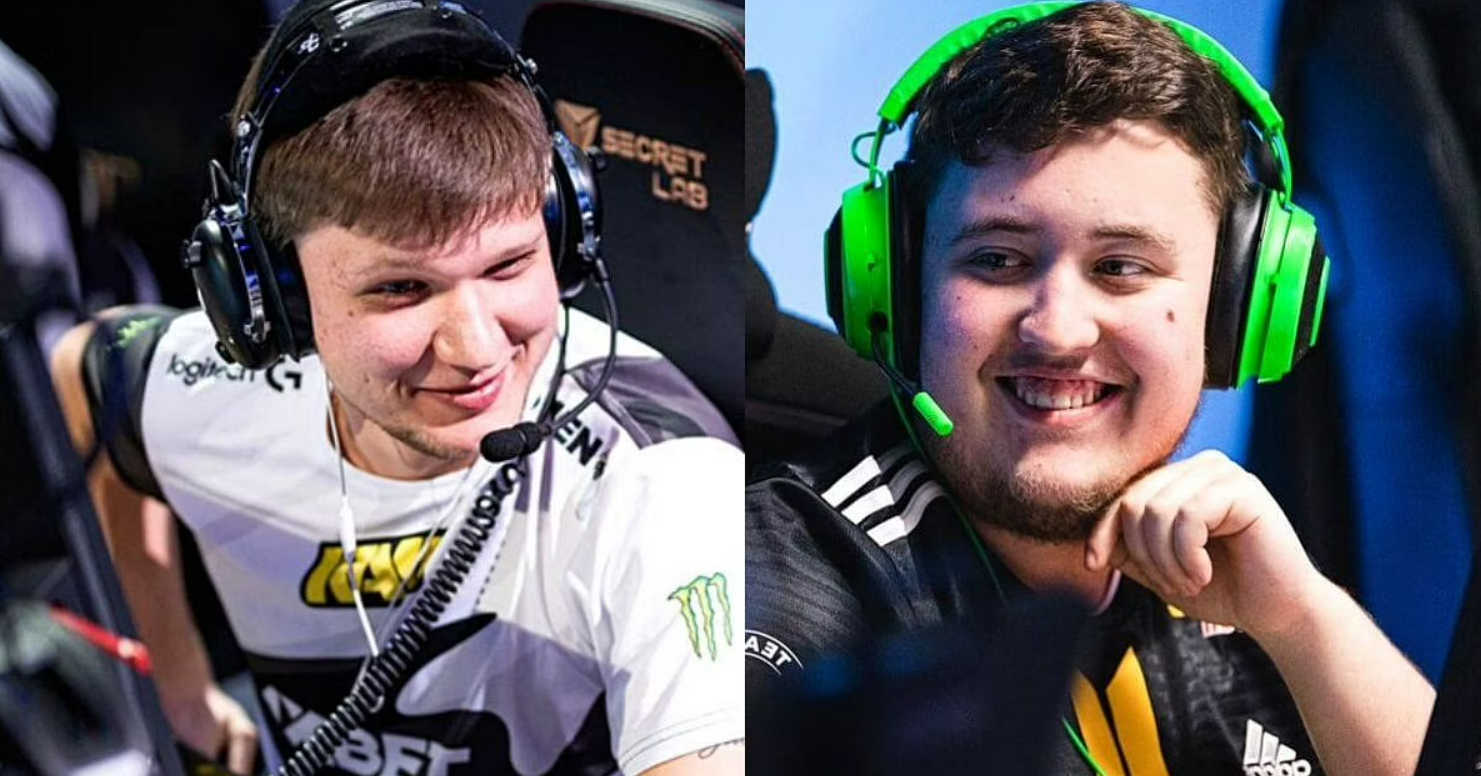
The s1mple vs ZywOo rivalry showcases different AWPer philosophies – aggressive peeking versus calculated positioning Entry fraggers embody calculated aggression, initiating site executions by securing the initial duel that disrupts defensive setups. This high-risk position requires exceptional crosshair placement, peeking technique mastery, and psychological resilience after failed entries. The role’s success metrics extend beyond kill counts to include: percentage of successful first duels, damage inflicted before elimination, and ability to create space for following teammates.
The psychology of entry fragging involves managing performance anxiety – successful entry players maintain confidence despite statistically inevitable failure rounds. They understand that even unsuccessful entries provide valuable information about defender positions and utility usage.
Critical Entry Fragger Skills: Pre-aim common angles, utility usage to clear positions, and communication of enemy locations even during engagements.
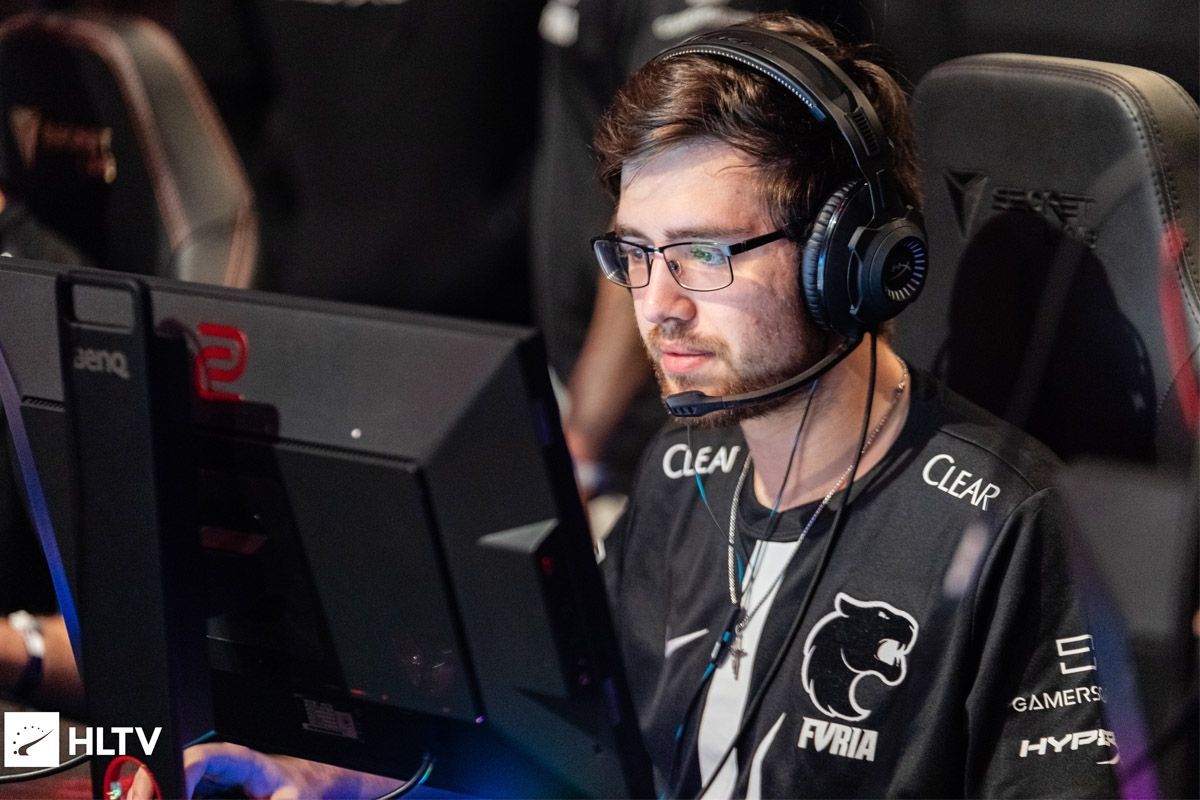
arT revolutionized entry fragging with unpredictable aggression that forced defensive adaptations Lurkers operate as information gatherers and flank creators, playing deliberately away from main team actions to exploit opponent inattention. This role demands exceptional patience, game sense to predict rotations, and timing to maximize impact during critical moments.
Effective lurking transcends simple hiding – it involves active map control through positioning that threatens multiple areas. The difference between effective and ineffective lurkers lies in proactive map pressure versus passive waiting.
Lurking Timing Principles: Initiate movement as executes begin, capitalize on rotation noise, and maintain position flexibility to adapt to defensive reads.
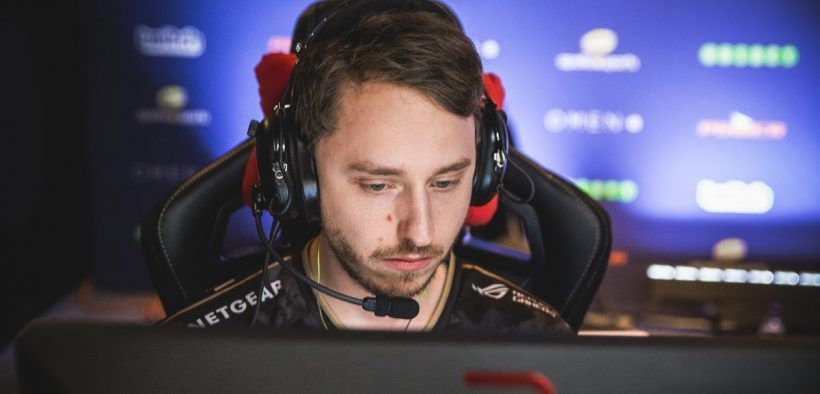
GeT_RiGhT perfected lurking as an art form, consistently appearing where least expected during crucial rounds Anchors serve as the last line of defense, specializing in site preservation through delayed engagements and utility optimization. Their success isn’t measured in multikills but in seconds delayed and information gathered before elimination.
Advanced anchoring involves reading subtle cues: footstep patterns indicating execute size, utility usage revealing attack commitment, and rotation timing predicting when to abandon site for retake positioning.
Anchor Survival Techniques: Use off-angles to surprise attackers, prioritize survival over aggressive peeks, and communicate precise enemy positions for retake coordination.
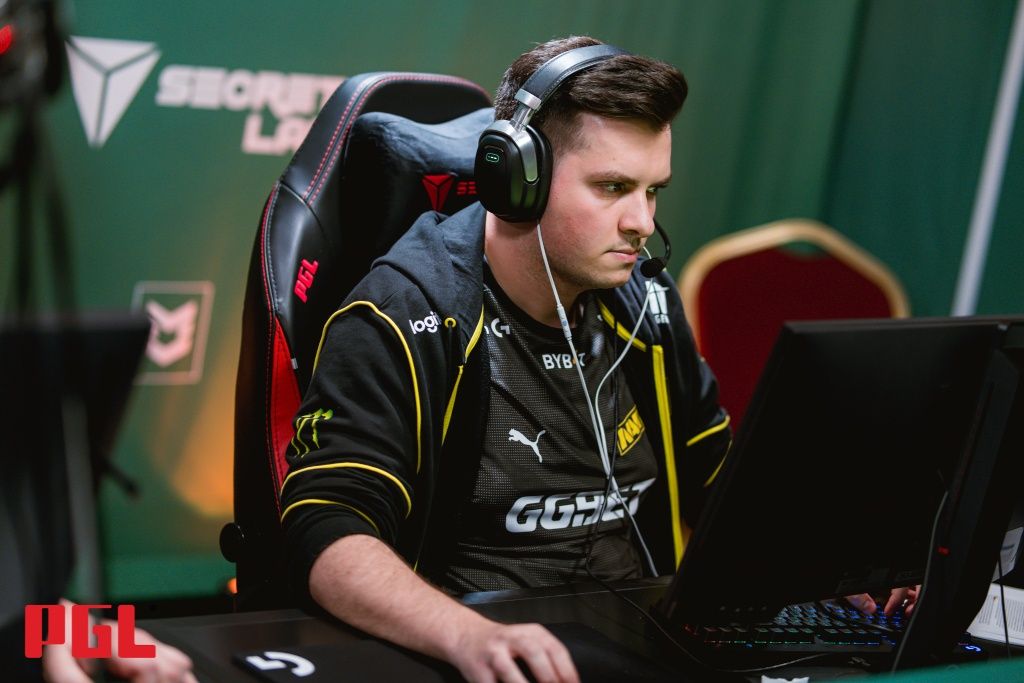
Perfecto demonstrates textbook anchor play – maximizing time and information while minimizing risk Support players function as tactical facilitators, using utility to create opportunities while securing trades to maintain numerical advantages. Their impact often goes statistically unnoticed but fundamentally enables star players’ success.
The role demands extensive knowledge of: grenade lineups for all maps, timing for pop-flashes, and positioning for optimal trade fragging.
Support Role Evolution: Modern supports now blend traditional functions with secondary lurking or entry capabilities, creating more dynamic team compositions.
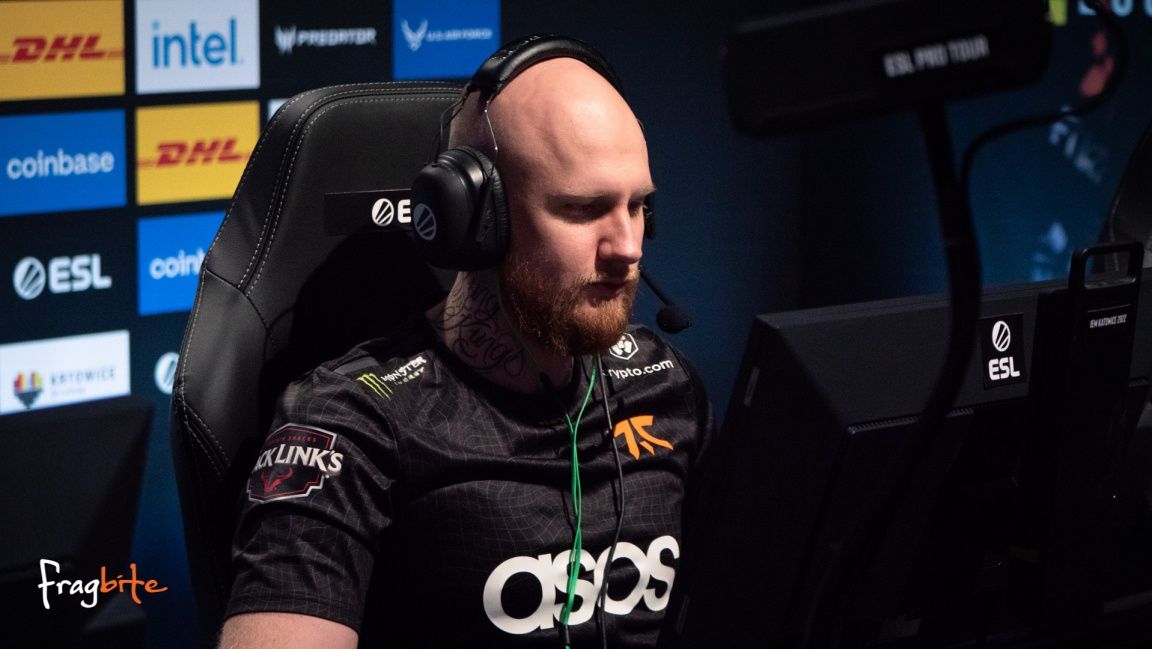
KRIMZ defined the modern support role, balancing utility mastery with clutch potential Coaches serve as external strategists and team psychologists, operating within Valve’s restricted in-game communication guidelines while providing comprehensive match preparation and post-game analysis.
The coach-IGL relationship forms the strategic backbone of elite teams, with responsibilities divided between in-game adaptation and overarching tactical development.
Modern Coaching Responsibilities: Develop opponent-specific strategies, analyze demo patterns for weaknesses, manage team dynamics and morale, and oversee individual player development programs.
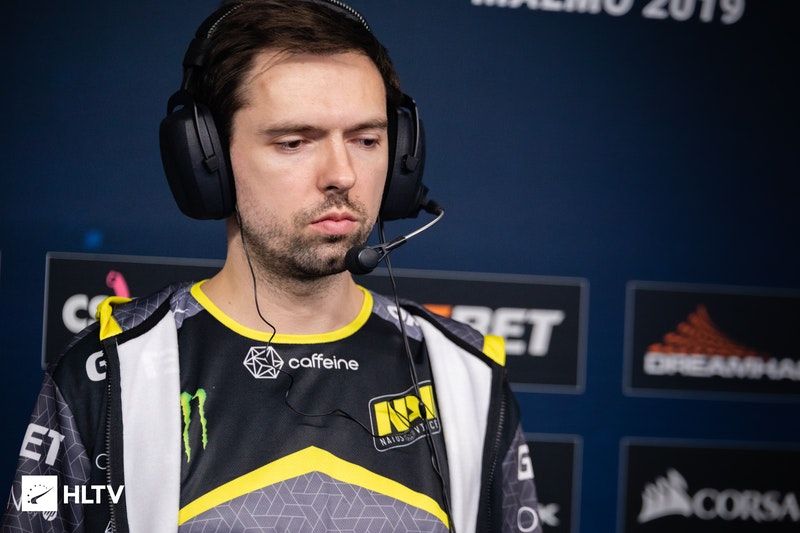
B1ad3’s analytical approach transformed Na’Vi into a strategic powerhouse Role selection begins with honest self-assessment across four dimensions: mechanical skill level, game sense and prediction ability, communication style and frequency, and risk tolerance in engagements.
Self-Assessment Framework: Evaluate your peak performance moments – do they involve outsmarting opponents or out-aiming them? Analyze your natural tendencies in clutch situations and communication patterns during executes.
Common Role Selection Errors: Choosing based on professional player admiration rather than personal strengths, overestimating aim capability while underestimating game sense requirements, and failing to consider team composition needs.
Remember that role proficiency develops through deliberate practice: study professional demos of role specialists, practice role-specific scenarios in deathmatch, and gradually expand responsibilities as mastery increases.
In this article:
- Discover how professional CS2 teams structure their roles for maximum effectiveness and coordination
- Learn the specific skills and responsibilities required for each specialized position
- Understand how legendary players defined their roles through exceptional gameplay and strategic innovation
- Get practical guidance for identifying and mastering your ideal role based on personal strengths
Counter-Strike 2 represents the pinnacle of team-based tactical shooters, where individual skill must harmonize with collective strategy. Unlike many multiplayer games where raw mechanical ability often dominates, CS2 demands sophisticated role distribution where each player’s contributions complement their teammates’.
When transitioning from solo queue to organized team play, understanding role specialization becomes crucial for success. These positions, while sometimes overlapping in function, must create synergistic relationships that elevate the team’s overall performance.
Players’ roles in a CS2 team
The evolution of Counter-Strike role specialization reflects the game’s increasing strategic complexity. Early competitive scenes featured minimal role differentiation beyond basic sniper and captain assignments. However, as professional play matured, teams discovered that structured specialization dramatically improved coordination, reduced redundant actions, and created more predictable team dynamics.
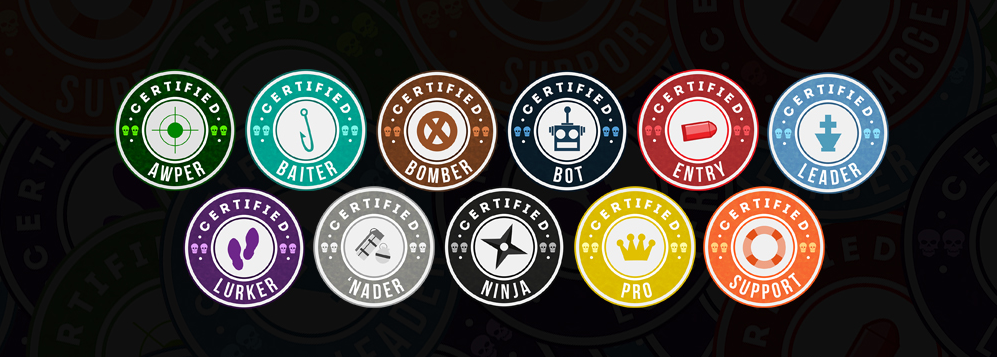
Captain (IGL) in CS2
Every successful competitive team operates under clear leadership direction. While casual matchmaking might function without designated shot-calling, organized play demonstrates the dramatic impact of competent in-game leadership. The IGL’s cognitive load involves simultaneous decision-making, opponent pattern recognition, and tactical adaptation throughout each round.
Rarely do you encounter ‘fragging IGLs’ who simultaneously top scoreboards while managing complex strategic oversight. Their mental resources prioritize macro-level game management over individual duel performance. Effective captains combine strategic expertise with interpersonal skills that inspire absolute teammate trust in their decision-making processes.
Beyond maintaining situational awareness, the IGL must demonstrate strategic flexibility to completely alter approaches when initial tactics prove ineffective. This demanding position typically falls to the team’s most experienced competitor who can process multiple information streams while maintaining team coordination.
Zeus exemplifies IGL excellence through his strategic innovations and leadership philosophy documented in his published works Sniper (AWPer) CS2 role
The AWPer represents a cornerstone position in any competitive roster. Modern team compositions typically feature a single dedicated sniper due to mobility limitations imposed by the AWP’s characteristics. Multiple sniper configurations create positional disadvantages that opponents can exploit during rotation and site execution phases.
Elite snipers combine exceptional reaction speed with precision accuracy and unpredictable positioning that catches adversaries off-guard. Tier-1 AWPers often achieve celebrity status despite their teammates potentially contributing equally to victory through less flashy but equally crucial actions.
Mastering the AWP requires proficiency across the entire weapon spectrum. When initial sniper shots miss their mark, secondary weapon proficiency becomes critically important with zero margin for subsequent errors.
The ongoing rivalry between s1mple and ZywOo demonstrates the highest level of AWPer excellence and its impact on team performance Entry Fragger role in CS2
This position serves as the team’s primary aggressor and space creator. While teammates execute coordinated tactics, the entry fragger penetrates high-risk areas seeking initial frags that disrupt enemy defensive setups.
Successful opening kills significantly weaken opponent map control, forcing repositioning that creates exploitable gaps in their defense. This role demands comprehensive knowledge of common enemy positions combined with unshakable confidence and duel-winning accuracy comparable to sniper-level precision.
arT’s uniquely aggressive methodology makes him exceptionally difficult for opponents to counter effectively Lurker CS2 role
The lurker operates as the team’s tactical intelligence gatherer and flank disruptor. While four teammates concentrate on primary space creation through attacks or defenses, the lurker discreetly gathers critical intelligence while isolating individual opponents.
This role frequently appears in attacking team compositions where it provides additional operational flexibility, though defensive setups can also leverage lurkers effectively. The distinction between passive players and skilled lurkers lies in proactive positioning that generates information advantages and influences round outcomes through strategic pressure application.
GeT_RiGhT’s legacy as one of Counter-Strike’s premier lurkers remains intact even following his professional retirement Anchor CS2 role
While lurkers typically support offensive operations, anchors represent the defensive specialist role. They form the final defensive layer protecting bomb sites, responsible for maximizing damage against attacking forces while accurately assessing enemy intentions through indirect indicators.
Typically, anchors sacrifice survival probability to delay enemy advances until reinforcement arrival. Their primary objective involves holding strategic positions against overwhelming odds, making them deserving recipients of teammate weapon drops and economic support.
Perfecto exemplifies classical B anchor play, consistently ranking among the world’s elite defensive specialists Support role in CS2
Beyond the five primary positions, support players represent the team’s unsung heroes whose contributions often go unrecognized despite their critical importance. These specialists create advantageous situations for teammates through precise utility usage and timely trade executions following entry fragger engagements.
Support players master extensive flashbang, smoke, and molotov lineups across all competitive maps. Their responsibilities extend beyond utility deployment to include guaranteed trade kills when entry fraggers fall during initial engagements.
Overall, support specialists provide invaluable team assets whose strategic importance should never be underestimated in overall team success calculations.
The support role demands extensive grenade knowledge and clutch situation management. KRIMZ established the benchmark for exceptional support play during fnatic’s dominant competitive era Coach in CS2
The coaching position represents arguably the most crucial role in professional team structures. When properly utilized, coaches function as the strategic backbone, drawing upon years of competitive experience to provide crucial guidance during high-pressure situations.
Teams employ diverse coaching methodologies regarding responsibilities allocation. Some organizations position coaches as the primary strategic architects, handling tactic development and inter-match preparation. This approach, exemplified by b1ad3 in Natus Vincere, liberates captains to focus on individual skill maintenance, potentially enhancing their in-game performance.
The critical success factor involves seamless communication between coaching staff and players, particularly focusing on the coach-captain relationship dynamic. These two positions must operate as a unified strategic core for optimal team performance.
Despite Valve restricting coach participation during most official matches, they remain essential for successful match preparation. Coaches provide crucial tactical oversight when captains might forget established strategies during high-intensity combat situations.
B1ad3 ranks among Counter-Strike’s most accomplished coaching professionals throughout competitive history The best PRO players in CS2 and their roles
Counter-Strike’s competitive history showcases extraordinary talent across every specialized position. These competitors have earned community recognition through consistent excellence and championship achievements that validate their skills.
The premier support specialist for 2022 recognition goes to Ilya “perfecto” Zalutskiy. Selecting the absolute best presents significant challenges, but Ilya’s nomination reflects Natus Vincere’s recent competitive results and his role within a star-studded roster. His consistent support enables teammate firepower realization that would otherwise remain untapped.
Andreas “Xyp9x” Højsleth certainly deserves consideration. This recognition comes as no surprise given his Astralis tenure featuring multiple Major championships and tournament victories where his team dominated opposition consistently.
However, we must acknowledge that over the past 18-24 months, Xyp9x hasn’t maintained his peak Counter-Strike performance levels, currently placing him below the absolute top tier.
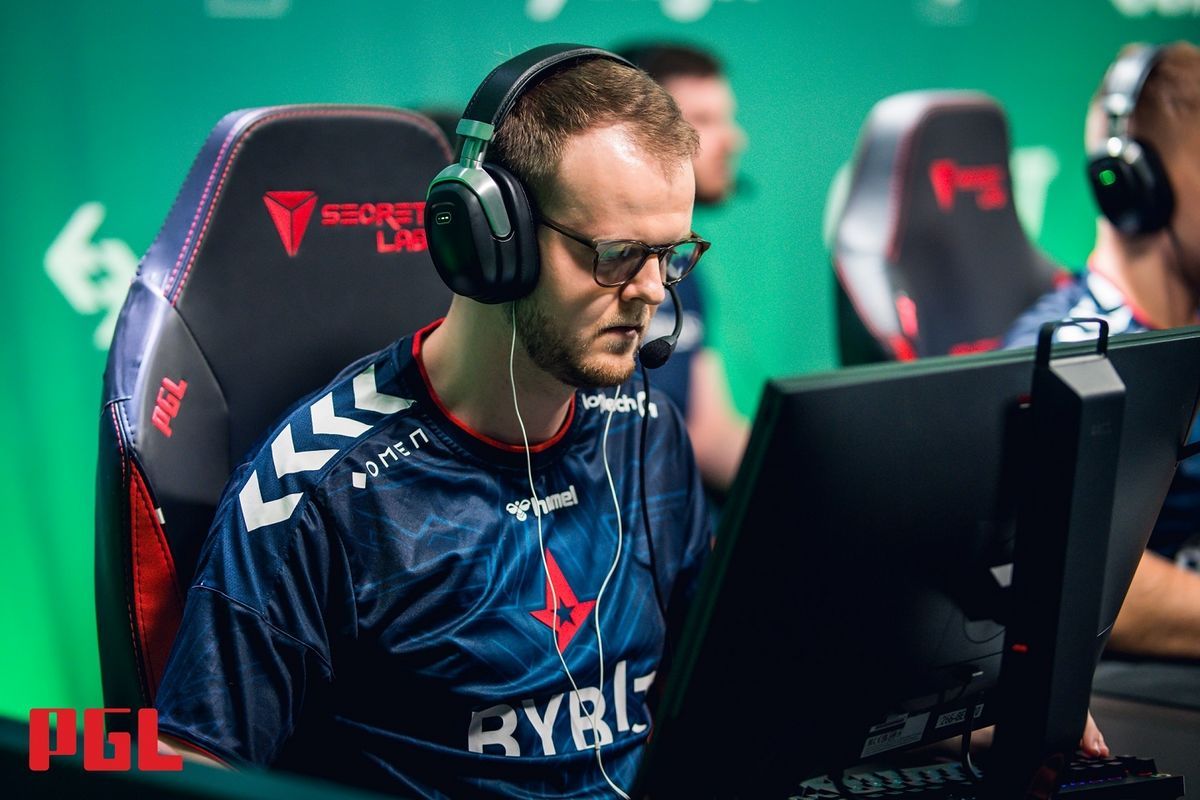
Xyp9x remains a living legend whose support play defined an era of competitive excellence The most accomplished lurker throughout CS2’s existence is Christopher “Get_RiGhT” Alesund. This veteran competitor possesses unparalleled match experience, frequently rescuing his team from precarious situations through stealthy positioning and disruptive flank maneuvers.
Currently, numerous players potentially surpass GeT_RiGhT’s historical performance levels, though they must demonstrate sustained excellence to cement their legacy. Among the strongest contemporary candidates is Benjamin “blameF” Bremer, who has demonstrated elite performance consistency over the past two competitive years.
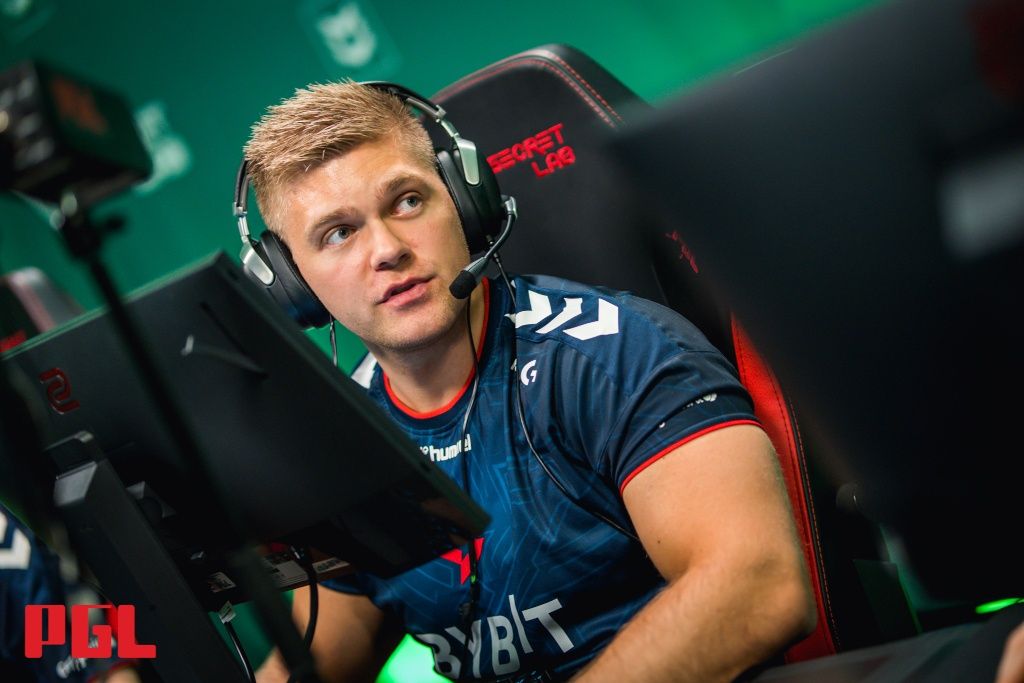
blameF represents a strong contender for contemporary lurker excellence, consistently ranking among the position’s elite practitioners Jonathan “EliGE” Jablonowski ranks among the elite entry fraggers in competitive history. His exceptional aim mechanics and duel-winning consistency frequently overcome opponents even when they wield sniper rifles.
Despite his team’s recent competitive struggles, EliGE maintains respectable performance levels that keep him in the conversation for top-tier entry specialization.
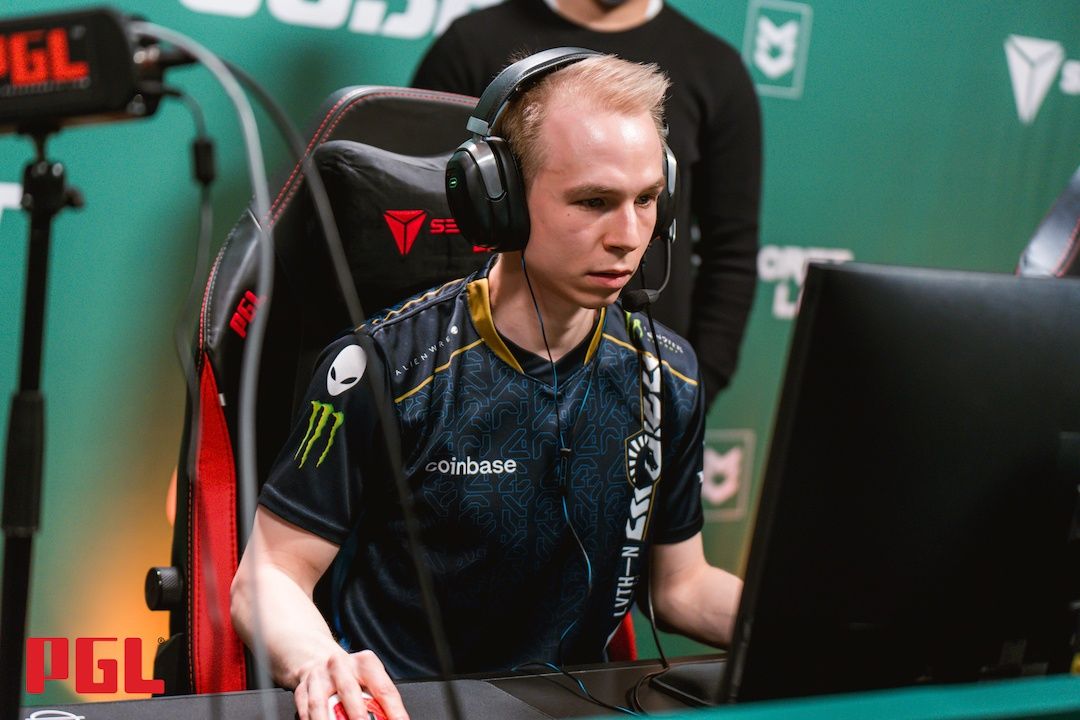
EliGE’s individual excellence secured multiple championship trophies for Liquid almost single-handedly during his peak performance periods Identifying the premier sniper presents greater complexity due to historical excellence across different competitive eras. Some community members recall Ladislav “GuardiaN” Kovács‘s significant achievements.
Currently, community preference strongly favors Alexander “s1mple” Kostylev given his sustained status as the world’s best player over multiple years. Mathieu “ZywOo” Herbaut demonstrates comparable extraordinary skill, serving as Vitality’s crucial performance factor.
Mathieu has experienced performance adjustments since his team transitioned from French to English communication, with statistical performance not matching previous peaks, though he remains among the elite AWPers in CS2.
We cannot overlook Kenny “kennyS” Schrub despite his competitive retirement, given his impressive career as a top-tier sniper specialist.
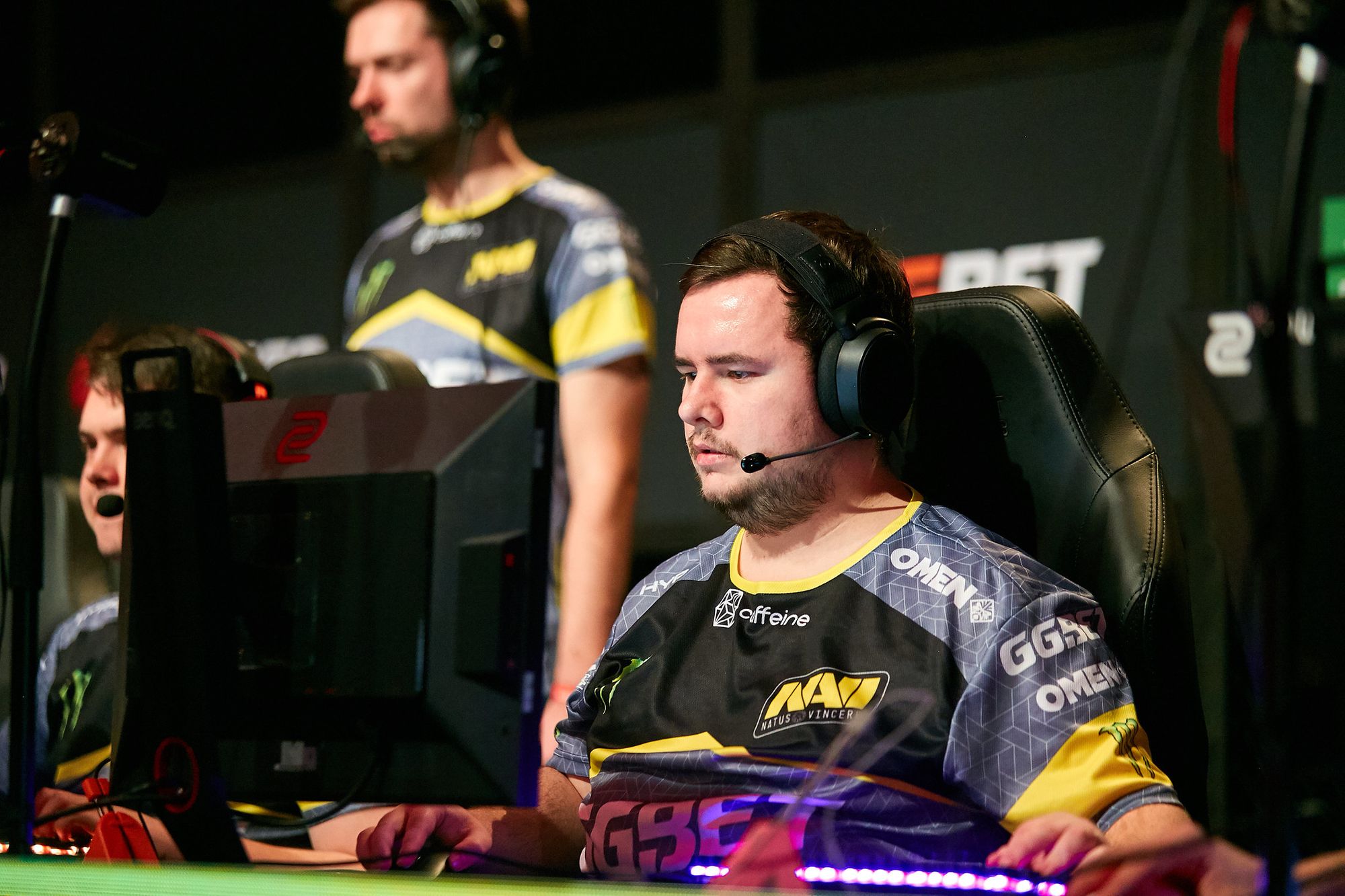
While no longer occupying the top position, we cannot forget this Natus Vincere legend’s contributions to competitive history Captain evaluation introduces additional complexity regarding achievement attribution. How can we determine tournament victories solely reflect IGL leadership? Nevertheless, two prominent names consistently emerge: Lukas “gla1ve” Rossander and Gabriel “FalleN” Toledo.
These competitors represent favorites for IGL excellence, having guided their teams to numerous championship victories and Major tournament successes.
We exclude NiP and fnatic era captains from current evaluation due to historical context differences and the evolved competitive landscape since 2016-2017.
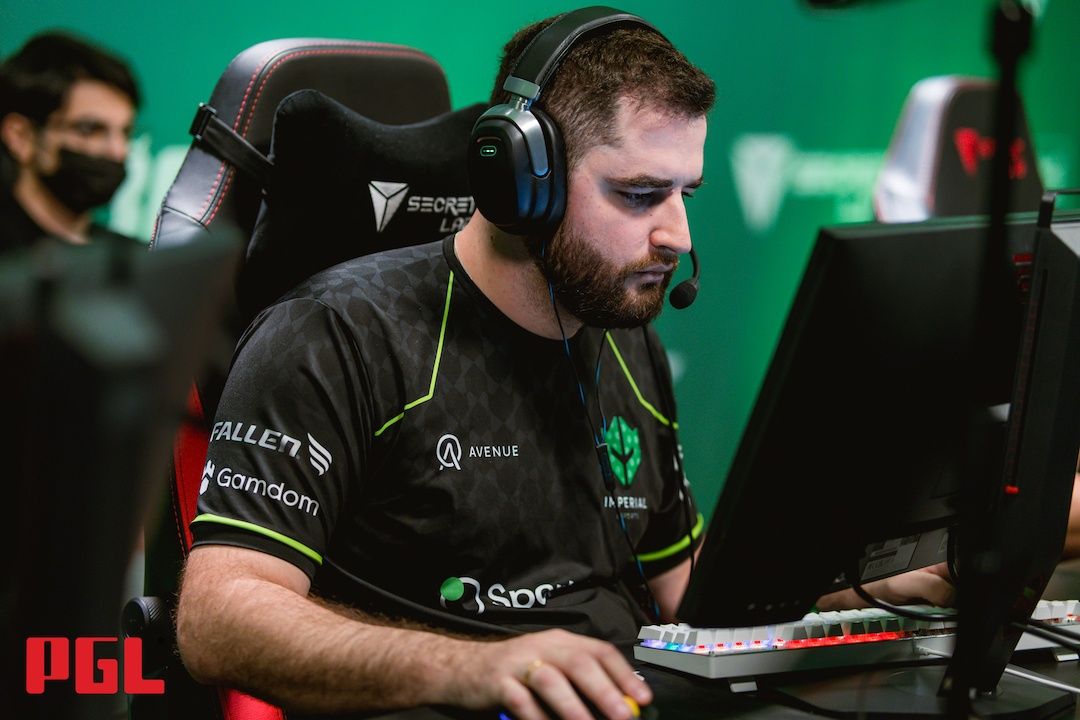
The godfather of Brazilian Counter-Strike unquestionably earned his position among the elite IGLs through sustained leadership excellence For coaching excellence, we nominate Danny “zonic” Sørensen. His competitive journey includes membership in the formerly dominant mTw roster. Subsequently, Astralis achieved multiple world championship titles and Major tournament victories under his strategic direction.
Andrey “B1ad3” Gorodenskiy certainly approaches similar achievement levels, though Natus Vincere’s competitive dominance period didn’t sufficiently surpass Astralis’s historical legacy.
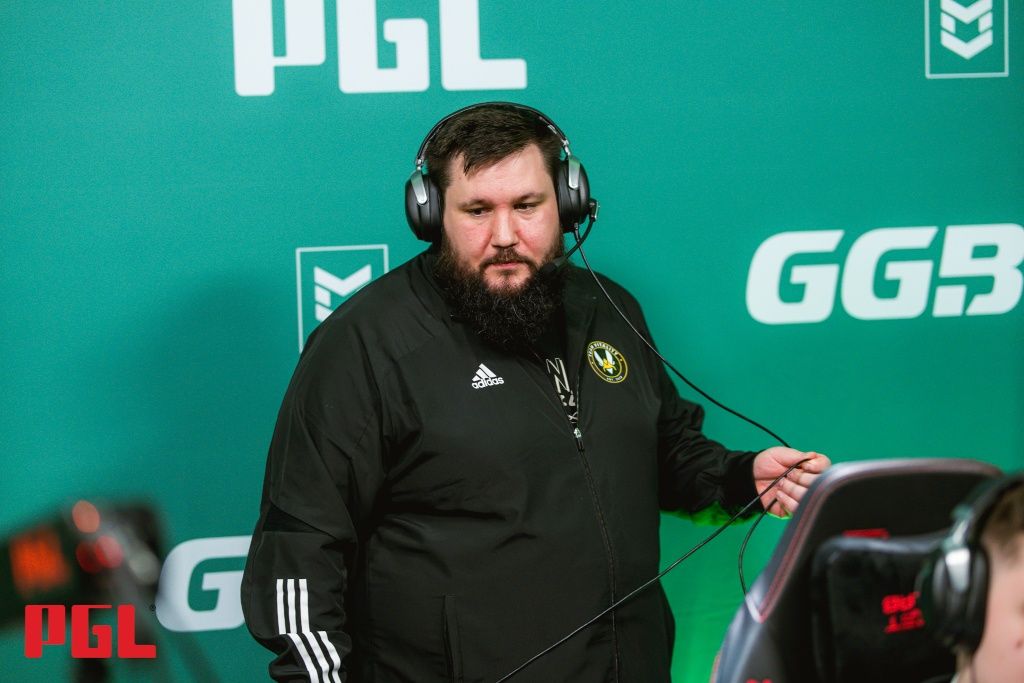
zonic’s strategic contributions represented significant factors in Astralis establishing their unprecedented competitive era What is my role in CS2?
Many competitors continually evaluate and adjust their role assignments throughout their careers. Determining your optimal position requires honest self-assessment through targeted questioning:
- What represents my most significant competitive advantage over opponents?
- Which gameplay aspects provide the most enjoyment?
- Do I demonstrate strong communication abilities or prefer limited verbal interaction?
- Does my natural playstyle trend toward aggression or passivity?
After completing this evaluation process, you’ll develop clearer understanding regarding your ideal role specialization.
For instance, if you enjoy space creation and exhibit aggressive tendencies, entry fragging might represent your optimal choice. If you communicate effectively and possess strong leadership instincts, support or IGL roles could better match your capabilities.
Role identification presents significant challenges but proves critically important for competitive development. Once establishing your specialization direction, dedicated demo analysis becomes essential for skill development beyond average competitor levels.
Action Checklist
- Analyze your last 10 matches to identify patterns in successful plays and frequent mistakes
- Practice role-specific mechanics daily: IGLs study demos, AWPers work on quick scoping, Entry Fraggers drill first-peek accuracy
- Watch professional demos focusing specifically on players in your target role
- Develop secondary role competency to increase team flexibility
- Create a personal development plan with specific, measurable goals for your primary role
- Complete the four-question self-assessment to identify your natural playstyle strengths and communication preferences
- Analyze 3-5 professional player demos in your target role to understand positioning and decision-making patterns
- Practice role-specific skills: IGLs study default setups, AWPers work on flick shots, supports master utility lineups
- Identify and communicate with potential teammates whose roles complement your specialization
- Review and adjust your role based on team needs and personal performance data
No reproduction without permission:Tsp Game Club » Understanding different players’ roles in CS:GO. Guide by SCOPE.GG Master your CS2 role for coordinated team success and strategic victory.