
TL;DR
- Complete all Memory of Chaos, Pure Fiction, and Apocalypse Shadow stages with 3-star ratings to unlock
- Each stage features unique boss mechanics requiring specific team compositions and counter-strategies
- Break-focused teams dominate the final King stage due to resilient armor mechanics
- Energy management becomes critical against bosses with depowering abilities
- Strategic character positioning and skill timing are essential for success
Game Update: Latest team compositions and tactical advice for HSR 3.8 Anomaly Arbitration
Anomaly Arbitration represents the pinnacle of combat challenges within Honkai Star Rail, designed exclusively for seasoned commanders who have mastered every other endgame activity. This ultimate test demands not just powerful characters but meticulously optimized builds and deep understanding of game mechanics. Many players struggle with the complex boss patterns and demanding requirements, making strategic preparation essential for conquering this formidable content.
What sets Anomaly Arbitration apart is its layered difficulty scaling and mechanic-intensive encounters. Each boss features unique traits that require specific counterplay rather than brute force approaches. Success hinges on your ability to adapt team compositions and execute precise combat sequences.
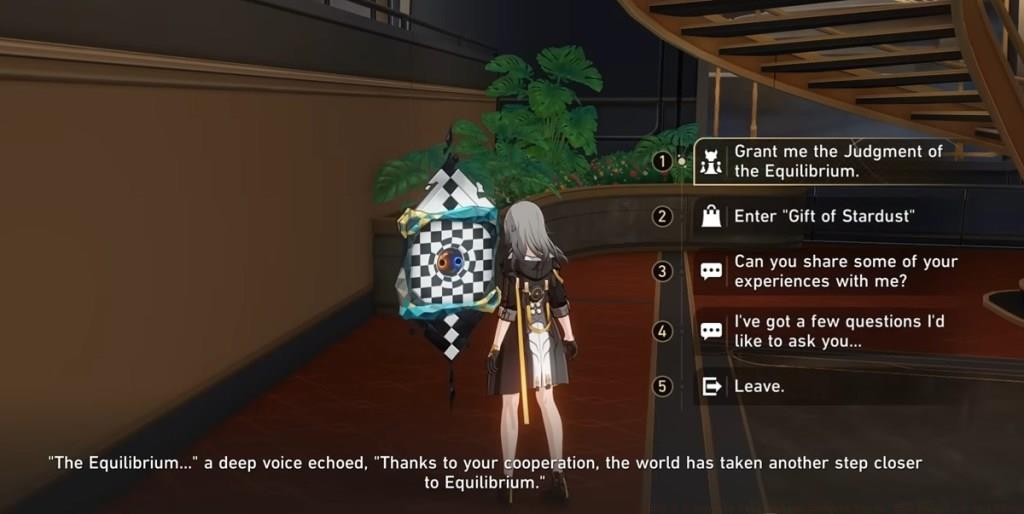
Gaining access to Anomaly Arbitration involves meeting stringent completion criteria across multiple game modes. The unlocking process appears straightforward but requires substantial investment in character development and strategic mastery.
Essential prerequisites include:
- Memory of Chaos: Achieve perfect 3-star clears across all available stages
- Pure Fiction: Complete every segment with maximum rating achievement
- Apocalypse Shadow: Secure flawless victories in every combat scenario
Beyond these requirements, successful commanders typically possess multiple fully-built damage dealers with complementary support units. Character constellations often provide significant advantages, though skilled play can compensate for limited investment.
First Stage Knight
The initial Knight encounter introduces the Inversion mechanic, creating a unique risk-reward dynamic. Each offensive action against the boss triggers HP loss equal to 2% of the attacker’s maximum health, though this effect cannot reduce characters to zero HP.
Key vulnerabilities include:
- Inversion: Every attack launched against the enemy causes the attacker to sacrifice 2% of their maximum HP (non-fatal)
- Elemental Weakness: Lightning and Ice attributes
This stage heavily favors characters who benefit from or mitigate HP fluctuations. Castorice compositions naturally excel here due to their inherent health management capabilities. Teams combining robust sustain with appropriate elemental coverage typically achieve optimal results.
Recommended team formations:
| DPS | Support | Support | Sustain / Support |
|---|---|---|---|
| Castorice | Tribbie | Evernight | Hyacine |
| Phainon | Sunday | Cerydra | Dan Heng Permansor Terrae |
| Aglaea | Sunday | Bronya | Hyacine |
| The Herta | Tribbie | Anaxa | Hyacine |
Pro Tip: Position your sustain units to act immediately after your damage dealers to quickly recover HP losses from the Inversion mechanic.
Second Stage Knight
The secondary Knight introduces Tempering, creating a progressive damage reduction dynamic. For each 1% of health the enemy loses, critical damage inflicted upon them decreases by 3%, fundamentally altering engagement strategies.
Critical combat parameters:
- Tempering: Every percentage point of HP depletion reduces incoming critical damage by 3%
- Elemental Vulnerability: Imaginary and Fire elements
This mechanic heavily disadvantages traditional critical-focused teams while empowering Break Effect and Damage-over-Time compositions that rely less on critical multipliers.
Optimal team configurations:
| DPS | Support | Support | Sustain / Support |
|---|---|---|---|
| Firefly | The Dahlia | Fugue | Lingsha |
| Rappa | The Dahlia | Fugue | Lingsha |
| Hysilens | Kafka | Anaxa | Gallagher |
Common Mistake: Players often persist with critical-heavy teams, resulting in dramatically reduced damage output as the fight progresses.
Third Stage Knight
The tertiary Knight presents the most complex challenge among the preliminary encounters, featuring dual traits that demand precise action management and burst timing.
Combat mechanics breakdown:
- Taunting: Enemy immediately acts after accumulating six attacks against them, with counters resetting at the start of their turn
- Interference: Enemy attacks randomly inflict 5% or 10% action delay on targeted allies
- Elemental Susceptibility: Imaginary and Physical damage types
This encounter favors characters capable of delivering substantial burst damage in limited action windows rather than sustained damage over multiple turns.
Recommended team formations:
| DPS | Support | Support | Sustain |
|---|---|---|---|
| Phainon | Sunday | Cerydra | Huohuo / Lingsha / Dan Heng PT |
| Rappa | The Dahlia | Fugue | Lingsha |
| Boothill | Sunday | Fugue | The Dahlia |
Advanced Strategy: Coordinate your attacks to deliver five significant strikes before the enemy’s turn, avoiding triggering the immediate action while maximizing damage windows.
Fourth Stage King
The ultimate confrontation against the King represents the pinnacle of Anomaly Arbitration difficulty, featuring multiple defensive layers that require specialized team approaches.
Critical combat mechanics:
- Resilient Armor+: Enemy begins with three defensive stacks, each reducing incoming damage by 15%. Breaking toughness eliminates one stack, with full reset occurring at phase transitions
- Depowered: Combat initiation reduces ally energy by 50% and decreases energy regeneration rate by 50% outside turns for two turns
- Unending Refinement: Each instance of damage taken decreases subsequent damage received by 2% and critical damage by 4%, stacking to ten layers. Stacks clear at turn start or during weakness break states
- Primary Weakness: Fire element
This encounter demands exceptional toughness breaking capabilities, making Break-focused teams overwhelmingly superior. The King’s multiple damage reduction mechanics render traditional damage approaches ineffective without consistent weakness exploitation.
Optimal team compositions:
| DPS | Support | Support | Sustain / Support |
|---|---|---|---|
| Firefly | The Dahlia | Fugue | Lingsha / Gallagher |
| Boothill | The Dahlia | Fugue | Lingsha / Gallagher |
| Rappa | The Dahlia | Fugue | Lingsha / Gallagher |
Energy Management Critical: The Depowered mechanic necessitates careful skill point allocation and energy regeneration planning.
Honkai Star Rail Anomaly Arbitration Rewards
Successfully navigating Anomaly Arbitration’s challenges yields substantial rewards that significantly advance your account progression and character development capabilities.
Completion benefits include:
- 900x Lone Stardust
- 1x Interference Key
- 1x Self-modeling Resin
These rewards provide both immediate resource benefits and long-term strategic advantages for tackling future content updates and character releases.
Progression Insight: The Interference Key and Self-modeling Resin represent particularly valuable assets for optimizing your roster’s performance in subsequent challenges.
Action Checklist
- Complete all Memory of Chaos, Pure Fiction, and Apocalypse Shadow stages with perfect 3-star ratings
- Optimize at least two primary damage dealers with complementary support units
- Study each stage’s specific mechanics and prepare counter-strategies
- Build specialized teams for Break Effect, DoT, and burst damage scenarios
- Practice energy management and skill timing against the King’s depowering mechanics
No reproduction without permission:Tsp Game Club » HSR 3.8 Anomaly Arbitration Endgame Guide: How to Unlock and Clear Master Honkai Star Rail's ultimate endgame challenge with strategic team compositions and expert tactics