
TL;DR
- Serbia’s Evolution Racing competed at FIA Motorsport Games 2024 with Lorgar sponsorship support
- Drivers underwent extreme training including 2,000+ laps and 4-6 hour daily simulator sessions
- Team support system handled logistics, competitor analysis, and mental preparation
- Equipment adaptation and financial support remain significant challenges in sim racing
- The event demonstrated sim racing’s potential as pathway to professional motorsports
Lorgar’s strategic sponsorship of Serbia’s Evolution Racing team represents a landmark moment for both the nation’s esports ecosystem and traditional motorsport development. This partnership debuted on the international stage as the team proudly represented Serbia at the prestigious FIA Motorsport Games 2024 in Valencia, Spain, signaling a new era for competitive sim racing in the Balkan region.
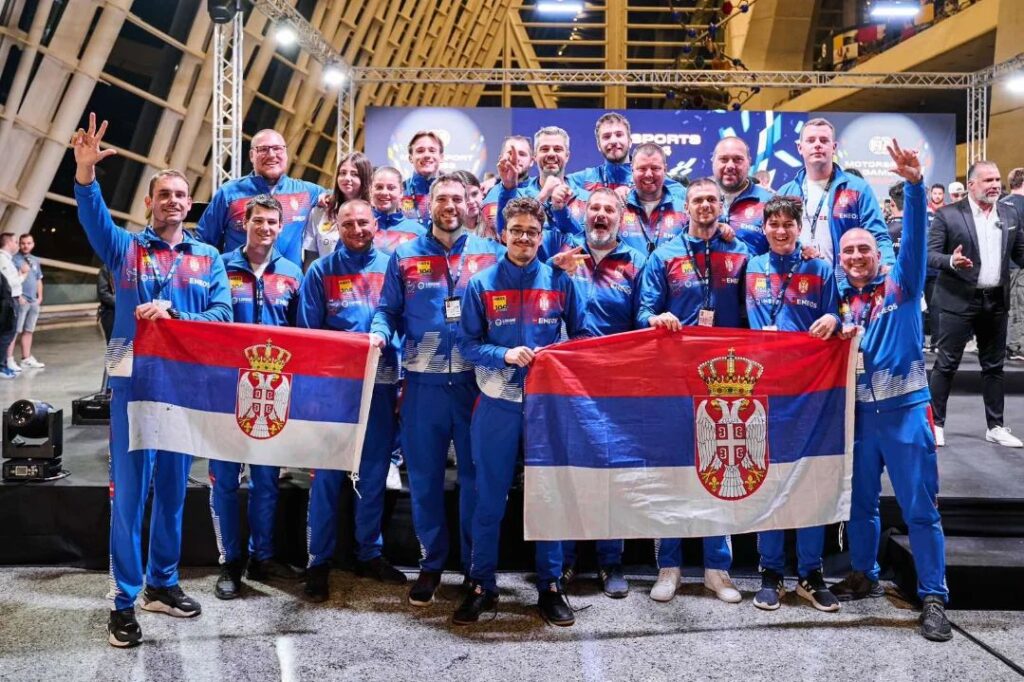
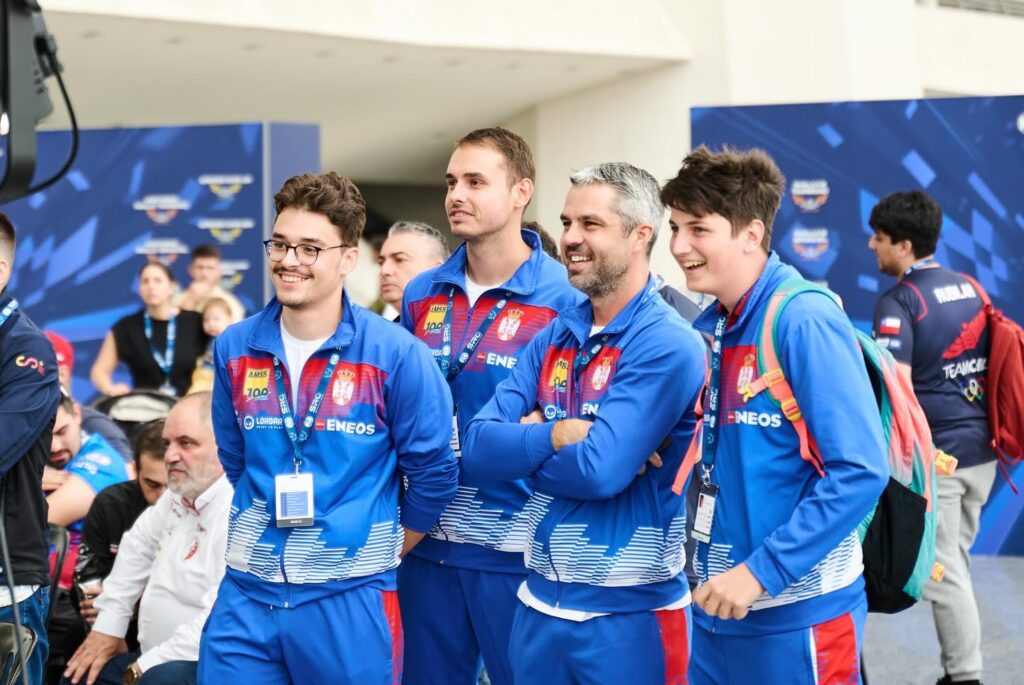
The 2024 tournament shattered previous participation records for esports at the FIA Motorsport Games, assembling an unprecedented field of 117 drivers from 70 countries competing across multiple racing disciplines. The Serbian national contingent, operating under the Evolution Racing banner with Lorgar backing, deployed two skilled competitors: Vukašin Peković contesting the F4 category alongside Aleksandar Čeliković in GT3. Amidst world-class competition, Peković achieved a respectable 17th position among 63 finalists in the F4 classification, while Čeliković encountered technical difficulties during his GT3 campaign.
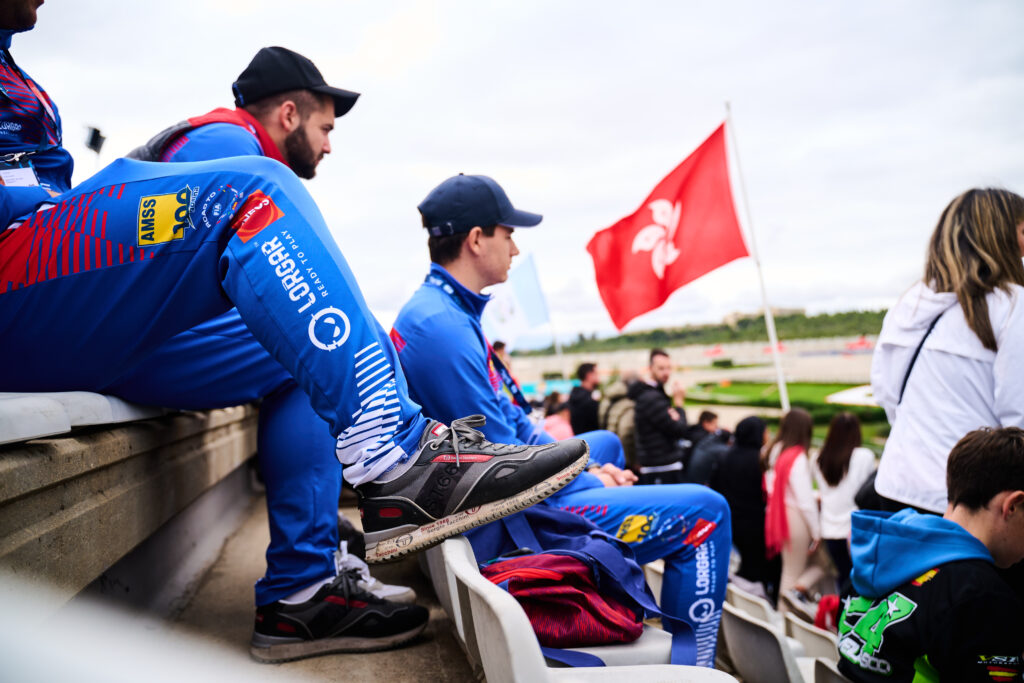
Following this milestone competition, we conducted exclusive interviews with team personnel to uncover the behind-the-scenes reality of competing at sim racing’s elite level. Here are the critical insights gathered from our discussions with the Serbian delegation.
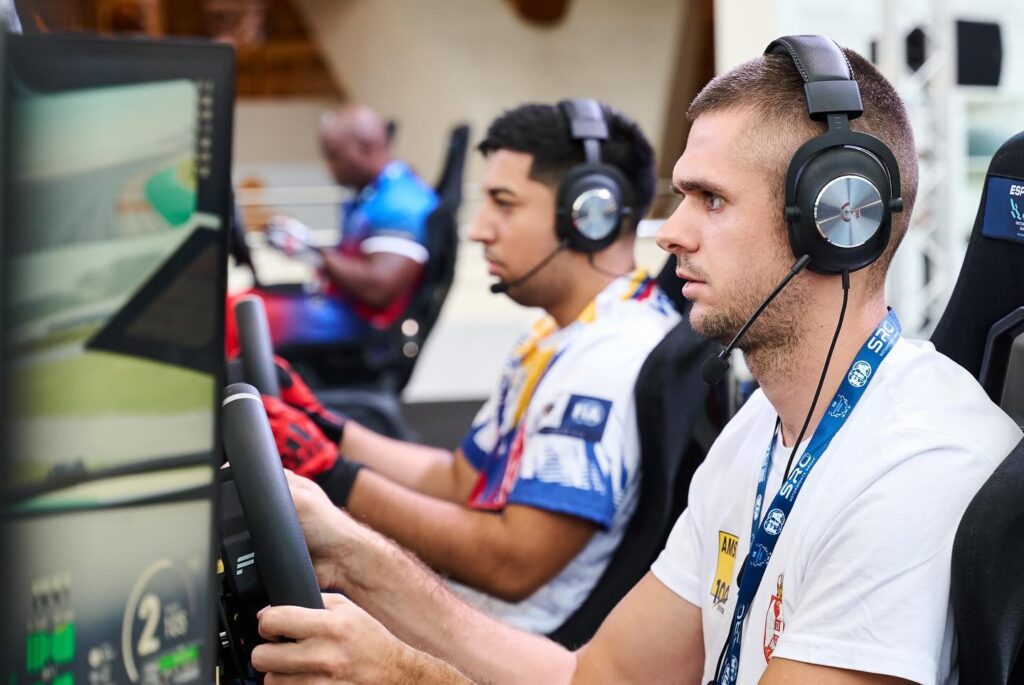
The journey to Valencia required unprecedented commitment from the Serbian competitors. Alexander Čeliković, racing in the Esports GT classification, disclosed the extraordinary scope of his training: “I completed approximately 2,000 circuits around the Ricardo Tormo track, utilizing both virtual simulation and physical driving. My regimen involved four to six hours of daily simulator practice. The intensity proved so demanding that I shed eight kilograms through combined gym training while balancing professional responsibilities and personal commitments.”
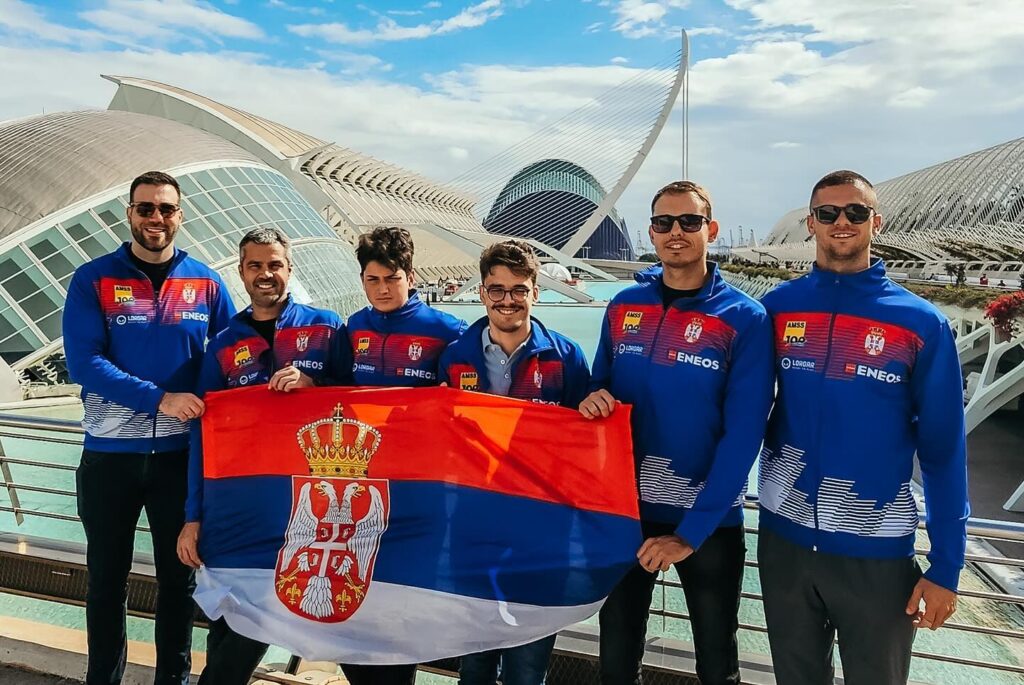
Every elite driver depends on a comprehensive support infrastructure. Nikola, serving as delegation team lead coach, highlighted their indispensable function: “Our responsibility encompasses all non-driving activities to enable Alexander and Vukašin to concentrate exclusively on performance. This covers transportation coordination, opponent evaluation, and fundamental necessities like seating arrangements and nutritional planning.”
The team’s methodology reached far beyond basic practice sessions. “We continuously observe competing drivers and provide Alexander with tactical intelligence during intervals,” Nikola elaborated. “For instance, ‘This competitor presents significant risk, maintain defensive positioning,’ or, ‘That opponent employs specific race tactics, here are counter-strategies.’ We eliminate extraneous information to preserve mental clarity for essential race elements.”
Competitive sim racers frequently confront equipment standardization issues. Alexander recounted his adaptation process: “During our Valencia campaign, I had prepared using Simagic hardware configurations, but the competition mandated different pedal systems. The alternative equipment lacked the precision calibration of my personal setup, requiring nearly 24 hours to establish comparable control sensitivity.”
Evolution Racing’s psychological conditioning methodology distinguishes their approach. “Once we confirm participation in major tournaments, we initiate confidence-building and victory-focused mindset development,” Nikola disclosed. “We cultivate an environment where every team member affirms, ‘We will secure victory. We will triumph regardless of opposition quality or situational obstacles.’”
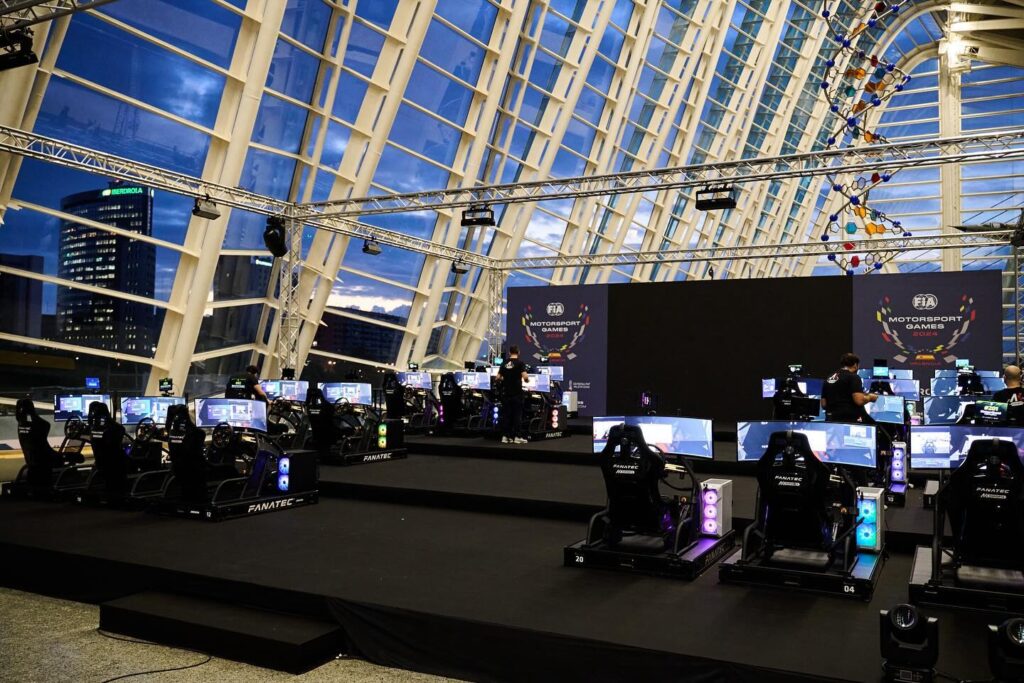
The competition underscored sim racing’s expansion trajectory alongside systemic obstacles. “Marketing visibility and financial investment require substantial enhancement,” Nikola observed. “Currently, numerous skilled competitors lack the necessary funding and organizational support to maximize their capabilities.”
Notwithstanding these institutional barriers, the Serbian team’s FIA Motorsport Games 2024 participation validated the accelerating development of competitive sim racing nationally. Their professional dedication and technical proficiency illustrate why Lorgar enthusiastically endorses these accomplished athletes competing at sim racing’s pinnacle level.
The tournament demonstrated not merely sim racing’s competitive nature but additionally its viability as a conduit to professional racing careers. As the discipline expands, partnerships between racing organizations and corporate sponsors will assume greater significance in cultivating emerging motorsport talent.
Action Checklist
- Establish 4-6 hour daily simulator training regimen with specific lap targets
- Develop comprehensive support team structure for logistics and competitor analysis
- Practice equipment adaptation with multiple hardware configurations
- Implement psychological preparation program focusing on victory mindset
- Build sponsorship proposal highlighting sim racing’s professional pathway potential
No reproduction without permission:Tsp Game Club » Inside Serbia’s Sim Racing Journey at FIA Motorsport Games 2024: A Story of Dedication and Teamwork Inside Serbia's sim racing journey at FIA Motorsport Games 2024: training, teamwork, and future potential