
Master manual traversal strategies in Dying Light: The Beast with advanced parkour techniques and survival tips
Understanding the Intentional Exploration Design
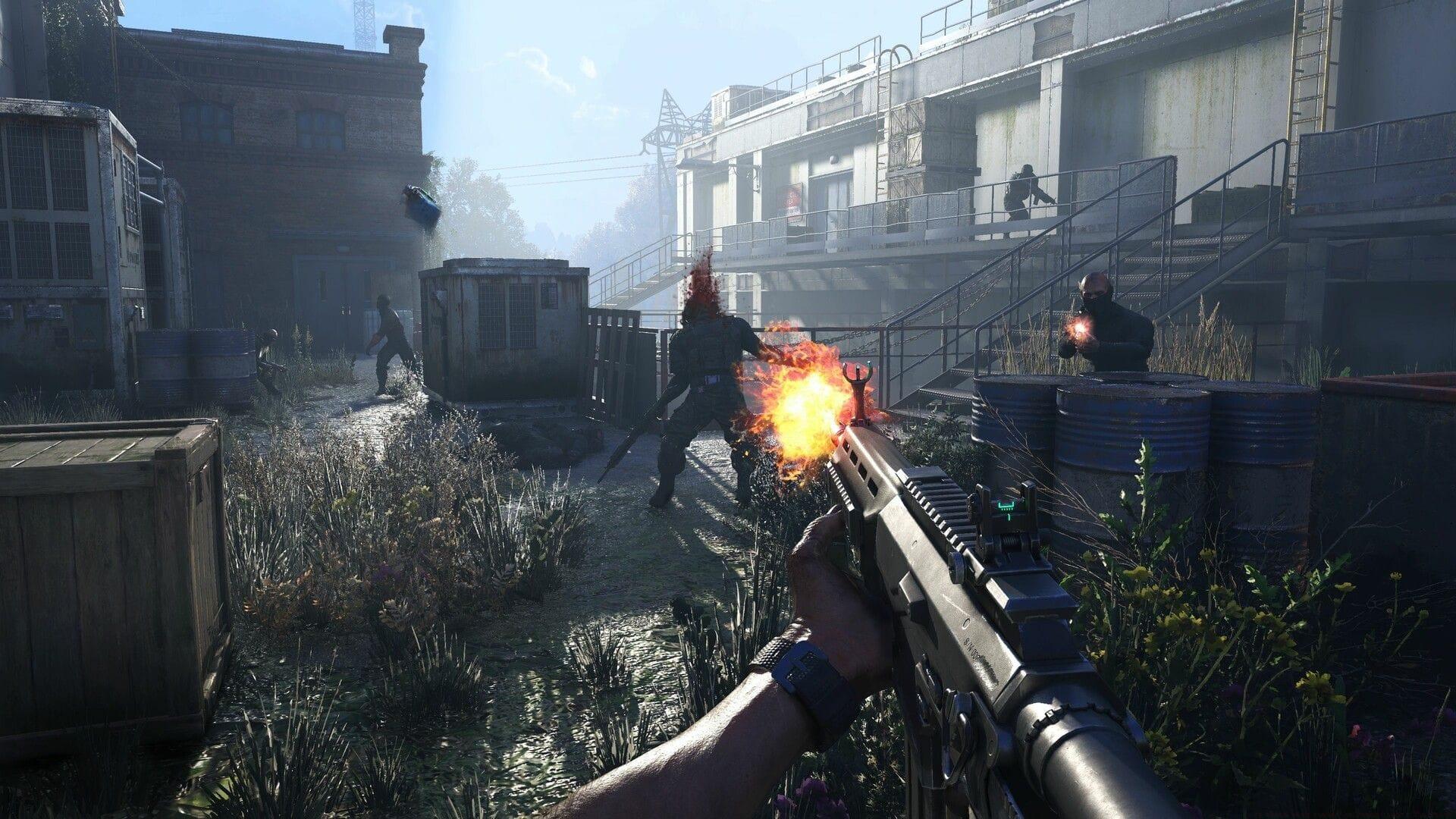
Many players inquire about transportation methods in Dying Light: The Beast, seeking ways to quickly navigate the dangerous environments. Interestingly, the game deliberately excludes conventional fast-travel mechanics, marking a significant design choice that distinguishes it from its sequel. Techland’s approach focuses on immersive, deliberate navigation through the apocalyptic landscape, creating a gameplay experience where every journey matters.
This design philosophy encourages thorough environmental interaction rather than skipping content. The development team has crafted a world where movement itself becomes a core gameplay element, requiring players to engage with the terrain actively. Unlike many open-world games that prioritize convenience, this title emphasizes the journey as part of the narrative and challenge.
The exploration system builds upon the foundation established in the original Dying Light, but with refined mechanics and enhanced fluidity. Players must adapt to this intentional pacing, learning to appreciate the detailed world design that would be missed with instant transportation options.
Essential reading: All active Docket Codes in Dying Light: The Beast
Mastering Movement Mechanics and Navigation
Ground-level traversal offers distinct advantages that extend beyond simple transportation. Navigating Castor Woods manually reveals intricate environmental details and strategic pathways that fast travel would completely bypass. This hands-on approach to exploration transforms how players interact with the game world, turning every expedition into a learning opportunity.
The parkour system provides versatile movement options for urban navigation. Mastering techniques like wall running, precision jumping, and zipline usage creates fluid mobility through complex environments. Additionally, vehicular transport serves as a rapid transit alternative for covering longer distances efficiently while maintaining engagement with the surroundings.
Strategic navigation involves learning terrain patterns and identifying recurring environmental features. Recognizing building layouts, rooftop configurations, and alleyway networks enables players to develop mental maps that facilitate quicker, safer travel. This knowledge becomes particularly valuable during nighttime sequences when avoiding Volatiles becomes paramount.
Environmental mastery includes understanding how different surfaces affect movement speed and noise levels. Concrete, metal, grass, and wooden surfaces each have distinct properties that impact both traversal efficiency and stealth capabilities. Advanced players learn to optimize their routes based on these material characteristics.
Advanced Strategic Benefits of Ground-Level Exploration
The absence of fast travel mechanics creates organic opportunities for character progression and resource acquisition. Continuous movement through the environment generates consistent experience points for parkour skill development, allowing players to naturally improve their mobility capabilities through practical application rather than grinding.
Thorough exploration reveals hidden caches, secret areas, and valuable resources that would remain undiscovered with teleportation systems. These discoveries include weapon blueprints, crafting materials, and narrative elements that enrich the gameplay experience and provide tangible advantages.
Navigating choke points and volatile-infested zones becomes manageable through acquired environmental knowledge. Recognizing alternative routes, safe hiding spots, and strategic vantage points transforms potentially dangerous situations into calculated maneuvers. This spatial awareness proves invaluable during emergency situations and timed missions.
The constant engagement with the environment fosters deeper immersion and connection to the game world. Players develop genuine familiarity with landmarks, district layouts, and navigation patterns, creating a more authentic survival experience where location knowledge translates directly to gameplay advantage.
Recommended guide: How to heal in Dying Light: The Beast
Pro-Level Optimization Techniques
Advanced players can maximize efficiency through strategic route planning and movement optimization. Common mistakes include taking direct but dangerous paths rather than slightly longer secure routes, and underestimating the value of elevated pathways for both speed and safety.
Movement optimization involves combining parkour techniques into fluid sequences that maintain momentum. Effective combos might include wall run to ledge grab to roll, or slide to vault to precision jump. Mastering these sequences reduces travel time while increasing style points and XP gains.
Vehicle usage requires strategic consideration beyond simple transportation. Different vehicles offer varying speed, noise levels, and durability characteristics. Choosing the appropriate vehicle for specific situations—stealth approaches versus rapid escapes—significantly impacts mission success rates.
Environmental timing plays a crucial role in efficient navigation. Understanding enemy patrol patterns, day/night cycle effects, and weather conditions allows players to plan journeys during optimal windows. This temporal awareness separates novice travelers from seasoned survivors.
That covers the comprehensive strategic approach to navigation in DL: The Beast. For additional advanced gameplay guidance, consider these resources:
No reproduction without permission:Tsp Game Club » Is there fast travel in Dying Light: The Beast? Master manual traversal strategies in Dying Light: The Beast with advanced parkour techniques and survival tips