
An in-depth analysis of Mafia: The Old Country’s narrative strengths, gameplay mechanics, and optimization strategies
Introduction to Sicily’s Underworld
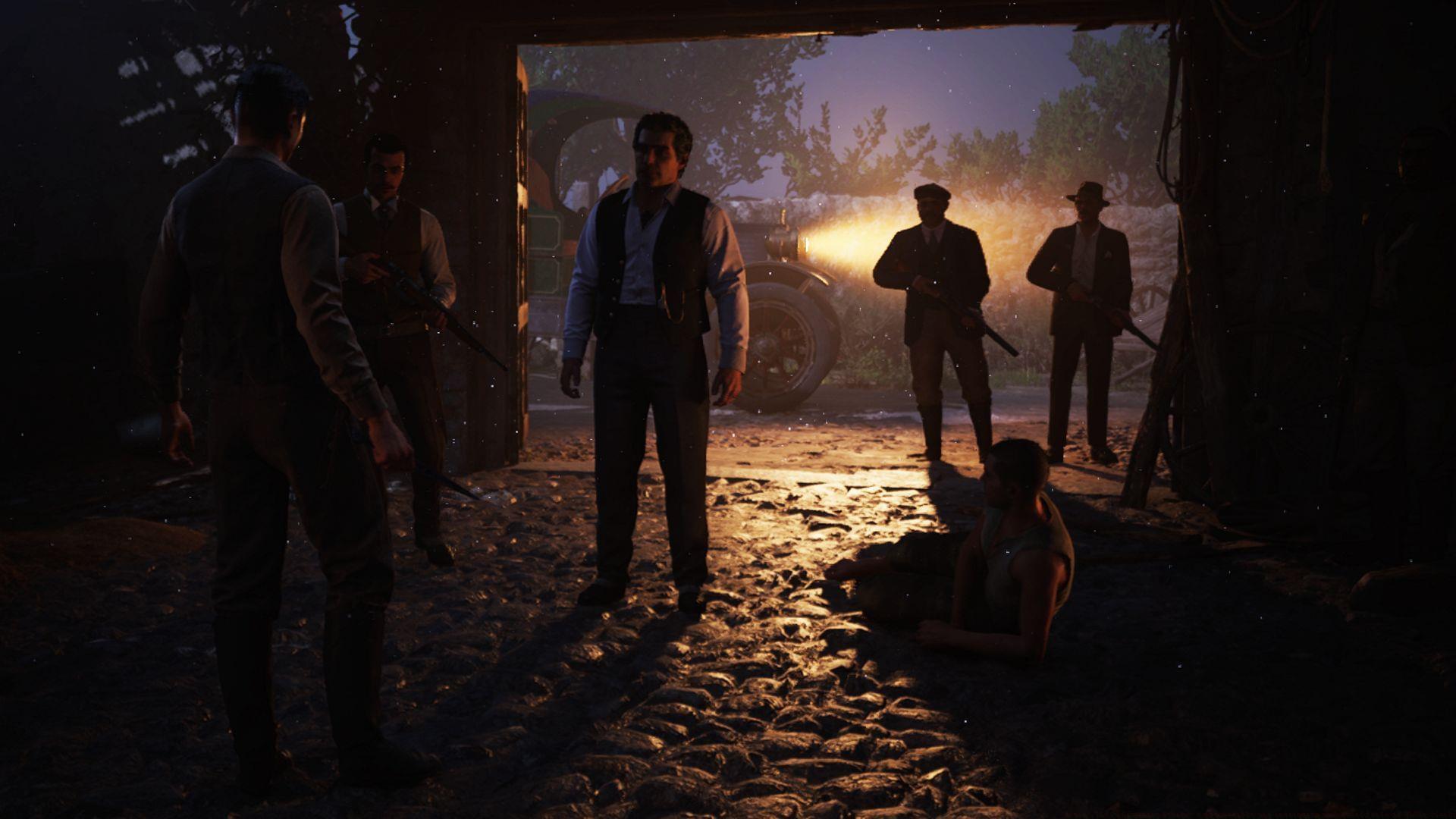
Transporting players to the sun-drenched landscapes of 1940s Sicily, Mafia: The Old Country establishes itself as a compelling single-player narrative focused on organized crime dynamics. The experience centers around protagonist Enzo Favara, whose journey from abandoned orphan to rising mafia operative forms the emotional core of this meticulously crafted world. His pursuit of freedom, emotional connections, and eventual escape from criminal life creates a powerful character arc that drives the narrative forward.
Throughout my extensive playthrough, the storytelling consistently maintained strong structural integrity. Each narrative beat—from shocking betrayals to emotional reunions—felt carefully placed to maximize impact. The writers demonstrate exceptional skill in balancing character development with plot progression, ensuring that every major event serves both the overarching story and Enzo’s personal transformation.
While exploring crossword solutions can be engaging, Mafia: The Old Country offers its own puzzles through intricate crime family politics and character motivations that unfold across the campaign.
Despite occasional predictable moments, the overall narrative design showcases remarkable craftsmanship. This latest installment successfully carves its niche within the franchise by focusing on emotional authenticity rather than revolutionary gameplay innovations.
The game’s linear, story-focused approach places its timeline significantly before the events of Mafia 3, providing fascinating historical context for the series. The portrayal of Sicilian criminal organizations during this era offers unique insights into the origins of mafia culture. Watching Enzo’s moral evolution within this dangerous environment creates compelling tension between his inherent goodness and the brutal realities of his chosen path.
Enzo’s characterization avoids typical anti-hero tropes, instead presenting a genuinely sympathetic figure forced into difficult circumstances. His rescue from sulfur mine labor by Don Torrisi initiates a transformative journey that feels both earned and emotionally resonant. The progression from menial tasks like wine crate transportation to becoming an integral Torrisi family member demonstrates careful character development.
The supporting cast, particularly Enzo’s mentor and closest ally, provides crucial emotional anchors throughout the narrative. Isabella’s role as love interest integrates seamlessly into the main storyline without requiring player-driven relationship building. The absence of branching narrative paths or multiple endings focuses attention on the carefully crafted main story arc.
Core Gameplay Mechanics and Combat Analysis
Completion times typically range between 12-15 hours, heavily influenced by selected difficulty settings. The opening segments prioritize narrative establishment over action, with minimal combat encounters during the initial hours. This deliberate pacing allows players to immerse themselves in the world and characters before introducing more intense gameplay sequences.
The combat system presents a mixed implementation that combines stealth approaches with direct confrontation. Mission structures frequently begin with infiltration sequences that transition into armed engagements. Knife combat proves particularly engaging during stealth takedowns, though its implementation in direct confrontations sometimes strains believability when enemies inexplicably choose blades over firearms.
Strategic weapon utilization significantly enhances combat effectiveness. The three distinct knife varieties each serve specialized purposes: throwing knives for silent ranged eliminations, combat knives for close-quarters engagements, and utility blades for environmental interaction. Mastering when to deploy each type creates meaningful tactical decisions throughout the campaign.
Vehicle handling represents one of the game’s standout mechanical achievements. The selection of vintage automobiles and equestrian transport options provides authentic period-appropriate mobility. Control responsiveness remains consistently excellent across all vehicle types, making traversal enjoyable rather than tedious. Racing sequences, while visually impressive, suffer from predictable opponent behavior that reduces competitive tension.
Pro Tip: Prioritize learning the throwing knife mechanics early, as they provide the most versatile stealth option. Practice aiming for headshots to ensure instant eliminations and conserve ammunition for louder firearm encounters later.
Common Mistake: Many players underestimate the importance of environmental awareness during stealth sequences. Always scan for alternate routes and elevated positions before engaging enemies, as the level design often provides multiple approach options that aren’t immediately obvious.
World Design and Exploration Elements
While Mafia: The Old Country presents a visually stunning open environment, exploration remains largely optional for main story progression. The absence of substantial side quests or meaningful NPC interactions outside core narrative moments limits the world’s interactive potential. Weapon shops and equipment upgrade locations exist but provide minimal gameplay impact for those focused solely on the central narrative.
My completion of the highest difficulty setting demonstrated that character progression systems offer more convenience than necessity. The core gameplay experience remains fully accessible without engaging with economic systems or equipment enhancement mechanics. This design choice prioritizes narrative flow over RPG-style character development.
Completionists seeking full achievement unlocks will find substantial motivation for thorough exploration. The dedicated Explore mode provides structured framework for collectible hunting across Sicily’s diverse landscapes. This separate gameplay mode intelligently segregates completionist activities from the main narrative experience.
The visual presentation stands as perhaps the game’s most remarkable achievement. Sicily’s rugged terrain and picturesque vistas create consistently breathtaking scenery. The implementation of Unreal Engine 5 technology delivers the franchise’s most visually impressive installment to date. Character models exhibit exceptional detail, with particularly nuanced facial animations that convey complex emotions effectively.
Despite occasional minor technical issues like visual artifacts or frame rate inconsistencies, the overall stability remains commendable. The development team has clearly optimized the engine to handle the game’s expansive environments and detailed character models without significant performance compromises.
Optimization Strategy: For players interested in both story and exploration, complete the main campaign first, then utilize Explore mode for collectible hunting. This approach maintains narrative momentum while providing post-game content that extends playtime meaningfully.
Advanced Strategies and Player Recommendations
The narrative framework utilizes a straightforward 14-chapter structure that provides clear progression milestones. Combat mechanics maintain relative simplicity even at elevated difficulty levels, focusing on execution refinement rather than system complexity. Weapon variety offers tactical flexibility without introducing overwhelming strategic depth.
Stealth implementation remains consistent across difficulty settings, emphasizing patient observation and timing over complex mechanics. The most rewarding approach involves thoroughly exploring each environment before initiating engagements, as the level design often hides advantageous positions and alternate routes.
Critical Recommendation: Never bypass cutscenes during your initial playthrough. While certain gameplay segments may feel conventional, the narrative delivery and character development represent the experience’s highlight. The emotional payoff during the finale depends entirely on investment in the preceding story events.
Although exploration provides limited gameplay benefits during the main campaign, the dedicated Explore mode offers the ideal context for appreciating Sicily’s meticulously crafted environments. The announced Free Ride mode future update suggests the developers recognize the community’s desire for expanded engagement opportunities post-completion.
The $49.99 price point positions this as a mid-tier investment that delivers solid value for narrative-focused gamers. While unlikely to achieve universal critical acclaim, the game succeeds admirably as a franchise prequel that expands the series’ historical context. Players seeking deep role-playing mechanics or extensive open-world freedom may find the experience somewhat limited, but those valuing character-driven storytelling will discover substantial satisfaction.
Advanced Tactics: On higher difficulty settings, master the art of quick weapon switching during firefights. The slight delay between enemy animations provides perfect opportunities to transition between firearms and melee weapons, creating fluid combat rhythms that minimize damage taken.
Reviewed on: PC (Key provided by 2K Games)
Platforms: PC, PS5, and Xbox Series X|S
Release date: August 8, 2025
No reproduction without permission:Tsp Game Club » Mafia: The Old Country review: A predictable yet intriguing underworld tale of 1900s Sicily An in-depth analysis of Mafia: The Old Country's narrative strengths, gameplay mechanics, and optimization strategies