
A comprehensive guide to Onimusha 2: Samurai’s Destiny Remastered with essential tips and strategic insights
Introduction to a Classic Reborn
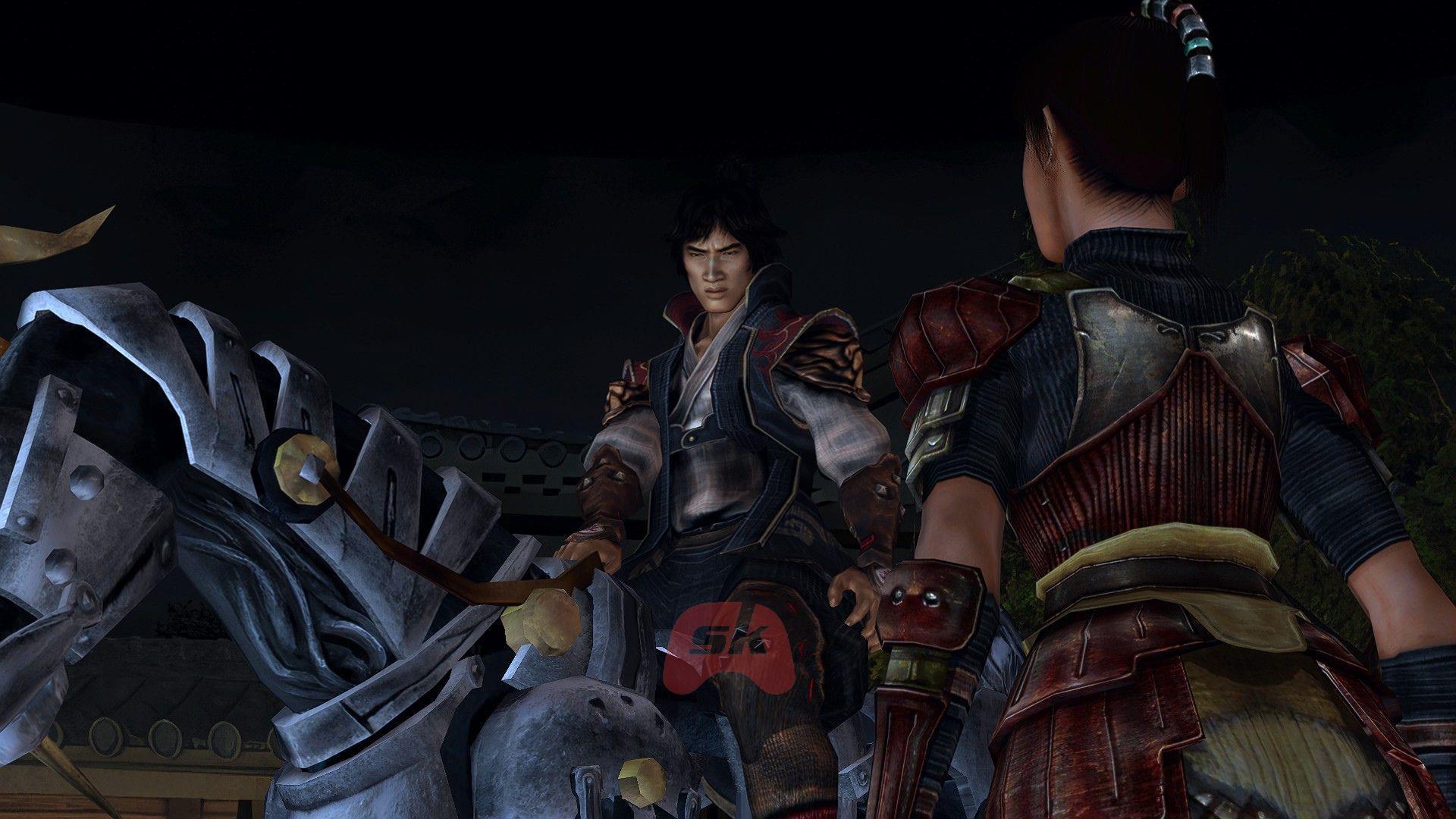
Capcom’s revitalization of Onimusha 2: Samurai’s Destiny brings a cherished PlayStation 2 era title into the modern gaming landscape. While the Resident Evil and Devil May Cry franchises consistently captured mainstream attention, the Onimusha series maintained a dedicated cult following that appreciated its unique blend of historical Japanese settings with supernatural elements. This remastered edition arrives as part of Capcom’s ongoing efforts to reintroduce their classic catalog, with the upcoming Way of the Sword suggesting a potential franchise renaissance.
Originally launched in 2002, the PlayStation 2 version showcased technical limitations that have become increasingly apparent over two decades. The remaster addresses these constraints through comprehensive visual and performance upgrades while maintaining the authentic gameplay experience that defined the original. For players familiar with Capcom’s previous remastering efforts, particularly Onimusha: Warlords, this release follows a similar philosophy of respectful modernization.
Strategic Insight: Players approaching this remaster should understand it represents a preservation effort rather than a complete reimagining. The core mechanics, level design, and narrative structure remain fundamentally unchanged, with improvements focused primarily on technical performance and visual fidelity.
Visual and Audio Enhancements
The graphical transformation in Onimusha 2: Samurai’s Destiny Remastered represents a substantial leap from the original’s technical constraints. Texture resolution has been dramatically increased, with environmental details and character models benefiting from modern asset pipelines. Lighting systems receive particular attention, creating more dynamic shadows and atmospheric effects that enhance the game’s supernatural themes without compromising the original artistic vision.
Audio improvements extend beyond simple quality upgrades to include completely remastered sound effects and environmental audio. Weapon clashes, magical effects, and character vocalizations have been reprocessed for contemporary audio systems, providing greater clarity and impact during combat sequences. The soundtrack maintains its original composition but benefits from enhanced audio fidelity that preserves the emotional tone while delivering technical improvement.
Character models showcase significant polygon count increases and improved facial animations, with lip-syncing now accurately matching dialogue in all supported languages. The resolution upgrade to 1920×1080 represents a substantial improvement over the original 1280×1024, providing cleaner image quality and better readability during fast-paced action sequences.
Common Mistake: Don’t expect completely rebuilt assets—the visual improvements focus on upscaling and refinement rather than ground-up reconstruction. The art direction remains faithful to the original, which means some environmental elements may still feel dated despite technical upgrades.
Gameplay Mechanics and Controls
Combat in Onimusha 2 Remastered maintains the series’ signature hack-and-slash mechanics while benefiting from significantly improved responsiveness. The control scheme has been optimized for modern controllers, eliminating the input lag and stiffness that characterized the original PlayStation 2 version. Movement feels more immediate, and combat combinations execute with greater precision, addressing one of the most common criticisms of the original release.
The weapon system offers diverse combat options, with each armament featuring unique elemental attributes and special abilities. The Onimusha transformation—a temporary powered state resembling Devil May Cry’s Devil Trigger—provides strategic depth during challenging encounters. Learning when to activate this ability becomes crucial for managing difficult boss fights and overwhelming enemy groups.
Controller support is strongly recommended for the optimal experience, though keyboard and mouse configurations are available with fully customizable keybindings. The control customization options allow players to tailor input schemes to their preferences, though the game’s design inherently favors gamepad usage for its combat rhythm and camera management.
Advanced Technique: Master the timing for perfect guards and counters—these mechanics become essential during later boss encounters where direct confrontation proves challenging. The improved controls make these techniques more reliable than in the original version.
Story and Character Development
The narrative follows Jubei Yagyu’s quest for vengeance following the destruction of his village by Oda Nobunaga’s demonic forces. As an Onimusha—a warrior infused with demonic power—Jubei navigates a world blending historical Japan with supernatural mythology. The story structure remains faithful to the original, featuring well-developed characters who provide emotional depth and narrative motivation.
Character relationships form the core of the progression system, with bonding mechanics influencing story development. Interactions with Magoichi, Oyu, Kotaro, and Ekei through gift-giving determine which narrative paths become available. These relationships affect companion availability during missions, combat assistance, and ultimately, story outcomes through branching narrative possibilities.
The inclusion of historical figures from Japan’s Warring States period grounds the supernatural elements in cultural context, with Oda Nobunaga serving as a compelling antagonist whose motivations extend beyond simple villainy. The narrative successfully balances personal revenge themes with larger mythological conflicts, creating a satisfying character-driven experience.
Relationship Strategy: Focus on developing bonds with specific characters rather than attempting to maintain all relationships equally. Specializing in one or two companions provides more significant narrative benefits than spreading resources thinly across all available characters.
Critical Analysis and Common Challenges
The camera system represents the most significant carryover issue from the original release. Fixed camera angles shift abruptly as players move through environments, creating visibility problems during crucial combat moments. While manageable during standard enemy encounters, these camera limitations become particularly frustrating during boss fights where tracking enemy movements is essential for survival.
Resource gathering for character relationships requires substantial time investment, as gold acquisition depends exclusively on enemy elimination. This design creates repetitive gameplay loops that can disrupt narrative pacing. The grinding requirement feels particularly pronounced given modern gaming conventions that typically offer alternative progression methods.
Puzzle design maintains the original’s straightforward approach, which may disappoint players expecting more complex environmental challenges. The puzzles serve primarily as pace-breakers rather than meaningful gameplay obstacles, reflecting the design philosophy of the original release era.
Boss Fight Solution: Position yourself centrally in arenas to minimize camera angle changes during boss encounters. Memorize attack patterns rather than relying on visual cues, as camera angles may obscure telegraphing animations.
Gold Farming Efficiency: Identify areas with high enemy respawn rates and efficient combat routes to maximize gold acquisition while minimizing time investment. Focus on enemies that drop valuable items to supplement income from standard gold drops.
Final Verdict and Player Recommendations
Onimusha 2: Samurai’s Destiny Remastered succeeds as a respectful preservation of a classic title while delivering meaningful technical improvements. The visual and control enhancements significantly improve the experience over the original, making this the definitive version for both returning fans and newcomers interested in franchise history.
The decision to maintain original design elements, including problematic camera systems and grinding requirements, represents a philosophical choice that prioritizes authenticity over modernization. This approach will satisfy purists but may frustrate players expecting comprehensive quality-of-life improvements.
For franchise enthusiasts, this remaster provides an essential opportunity to revisit a classic with improved performance. Newcomers should approach with awareness of the game’s original design limitations, particularly regarding camera systems and progression pacing. The experience serves as excellent preparation for the upcoming Way of the Sword, providing important franchise context and gameplay foundations.
Reviewed On: PC (Key provided by Capcom)
Platforms: PC, Xbox One, PS4, Nintendo Switch
Release Date: May 23, 2025
No reproduction without permission:Tsp Game Club » Onimusha 2: Samurai’s Destiny Remastered Review – A Classic Reforged with Mixed Results A comprehensive guide to Onimusha 2: Samurai's Destiny Remastered with essential tips and strategic insights