
TL;DR
- Ultralight mice under 50g reduce inertia for faster target acquisition and reduced wrist strain
- 4000Hz polling rates offer optimal balance for competitive gaming while 8000Hz requires specific system compatibility
- Carbon fiber and magnesium alloy constructions provide superior strength-to-weight ratios with premium aesthetics
- PixArt PAW3950 sensor delivers 30,000 DPI with enhanced power efficiency for wireless gaming
- Market segments now clearly defined between competitive, content creator, and casual gaming preferences
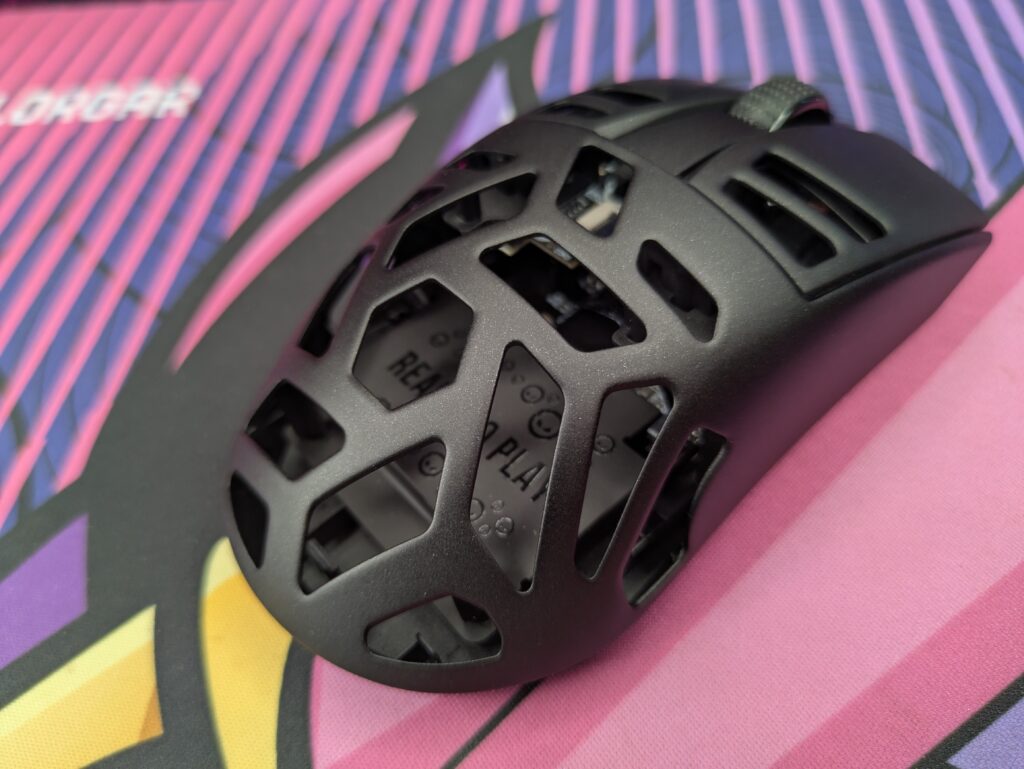
The gaming mouse landscape has experienced a seismic shift in weight philosophy, completely overturning the traditional association between heft and premium quality. The introduction of high-performance sub-80g models several years back fundamentally questioned this long-held belief, resulting in current-generation ultralight gaming mice that frequently dip below 50 grams while preserving structural robustness and high-end performance characteristics.
This technological progression in mouse engineering originates from core physics principles: diminished mass translates to lower inertia, enabling swifter initiation and cessation of cursor movement. The engineering advantages reach well beyond basic mass reduction. Contemporary lightweight gaming mice accomplish their weight optimization through cutting-edge materials technology and sophisticated structural design, employing fortified polymers and refined internal architectures that ensure longevity while removing unnecessary bulk.
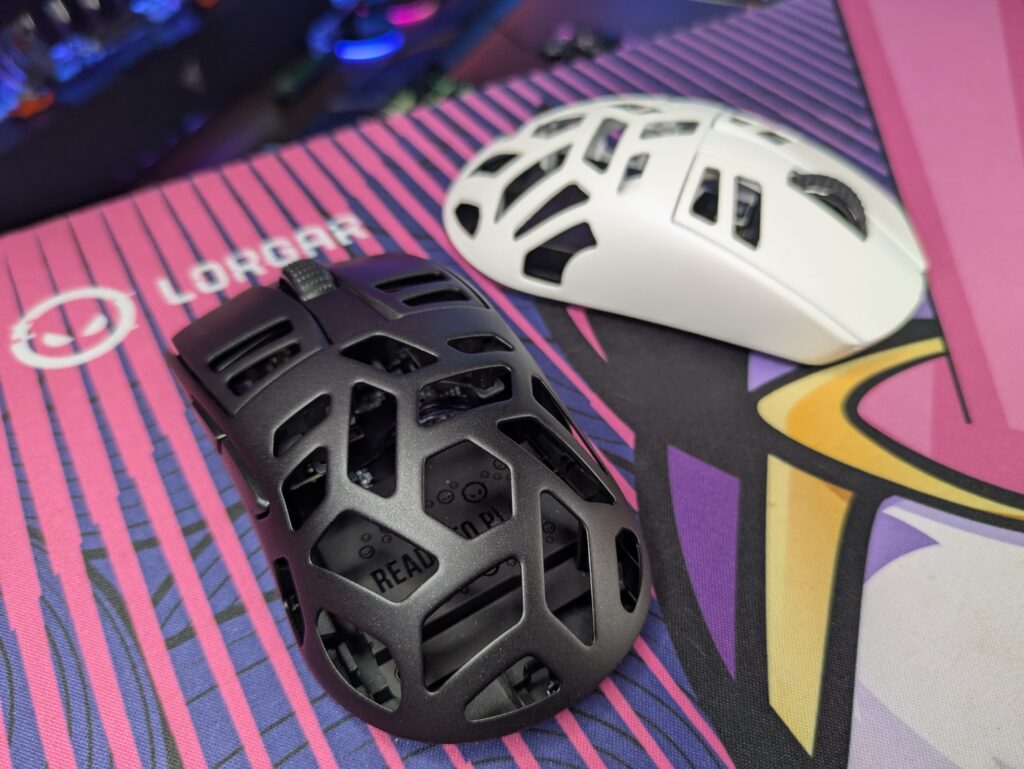
In competitive gaming environments, the modern computer mouse has undergone substantial evolution, where the decreased inertia of lightweight configurations produces quantifiable benefits in fast-paced targeting situations. Elite competitors have especially adopted these designs for first-person shooters and MOBA titles, where microsecond-level accuracy can decide match results. This high-performance application has stimulated breakthroughs in structural engineering, with manufacturers creating innovative chassis construction methodologies that maximize the strength-to-mass relationship.
From an ergonomic standpoint, lightweight mice provide diminished wrist fatigue during prolonged gaming marathons. This advantage comes from the reduced force needed for acceleration and deceleration, especially critical for gamers utilizing low DPI configurations that demand more extensive physical movements. The characteristics of contemporary gaming mice in this classification now encompass both performance metrics and health considerations, featuring designs that harmonize minimal weight with appropriate ergonomic support.
Among the most crucial attributes of modern gaming mice in 2025 is the advancement of polling rate technology, although actual implementation proves considerably more nuanced than promotional materials typically indicate. While conventional 1000 Hz (1 ms) polling frequency delivers updates each millisecond, current-generation gaming mice provide 4000 Hz (0.25ms) and 8000 Hz (0.125ms) alternatives.
The functional implementation of elevated polling rates extends well beyond technical specifications. Professional gaming situations gain most from heightened polling frequencies, though the benefits differ across game categories. Based on accessible statistics, FPS enthusiasts typically favor 4000 Hz as an equilibrium between responsiveness and consistency, while MOBA participants might discover 2000 Hz adequate. For the majority of users, 2000-4000 Hz constitutes an ideal compromise between performance enhancement and system resource consumption, particularly given that attaining 8000 Hz demands particular conditions including direct motherboard USB connectivity and high refresh rate displays.
The migration toward higher polling rates signifies a significant yet gradual improvement in gaming accessories. While the innovation provides concrete advantages for competitive play, its efficacy relies substantially on correct implementation and hardware compatibility. Consumers should investigate beyond promotional assertions to evaluate their particular usage scenario and system capacities when assessing high-frequency gaming mice.
The gaming peripheral industry has experienced a notable transition toward premium construction materials, particularly as a solution to achieve increasingly lightweight designs. Consequently, carbon fiber and magnesium alloy enclosures have progressed from exclusive limited editions to standard offerings. Both deliver considerable benefits in performance and visual design, albeit with substantial cost implications.
Carbon fiber integration has transformed gaming mouse manufacturing via its outstanding strength-to-mass relationship and superior thermal characteristics. The unique visual attractiveness of carbon fiber weave designs has emerged as a signature feature of high-end gaming accessories, while its improved resilience guarantees extended service life even during demanding gaming periods.
Magnesium alloy implementation constitutes another major advancement in materials science application. Relative to conventional plastics, magnesium delivers inherent weight reduction while enhancing thermal dissipation. The premium tactile experience of magnesium alloy housings has connected powerfully with dedicated gaming enthusiasts, and its recyclability benefits correspond well with increasing environmental awareness within the gaming community. Additionally, certain manufacturers explore biodegradable polymers as alternative solutions to this engineering challenge.
The PixArt PAW3950 embodies an anticipated progression in optical sensor technology, expanding upon the groundwork established by its forerunners, the PAW3395 and PAW3390, which controlled the high-performance gaming mouse market with adoption in approximately 95% of premium devices. This new flagship sensor advances tracking capabilities with impressive technical parameters: peak sensitivity reaching 30,000 DPI, tracking velocities up to 750 IPS (inches per second), and acceleration management of 50G. These technical details represent a significant enhancement compared to earlier iterations, especially in maximum sensitivity and tracking performance. Actual gameplay testing demonstrates extraordinary improvements in accuracy and responsiveness, particularly during high-velocity gaming situations. The refined tracking precision and heightened sensitivity threshold supply competitive gamers with unmatched accuracy, while the improved acceleration management guarantees reliable performance during quick flick maneuvers and intense gaming actions.
What distinguishes the PAW3950 isn’t merely its technical specifications, but its refinement for contemporary gaming environments. The sensor’s sophisticated signal processing abilities help decrease latency and more precise conversion of physical motions to cursor placement, especially valuable in games demanding pixel-level precision. The enhanced power conservation integrates with these performance upgrades to produce a sensor that’s simultaneously more capable and more viable for wireless gaming applications. Professional gamers and dedicated enthusiasts will especially value the sensor’s capacity to sustain consistent tracking even during extreme acceleration circumstances, rendering it particularly appropriate for competitive FPS titles and other reaction-demanding genres.
The intersection of these developments has established clear market categories, each with distinct priorities. The competitive gaming segment focuses on ultra-lightweight construction, maximum polling frequencies, and premium sensor integration while reducing aesthetic elements. Content producers and streamers tend toward immersive functionalities, customizable visual presentations, and comprehensive macro capabilities. The casual gaming audience looks for a combination of weight, features, and aesthetic personalization at budget-conscious pricing levels.
The gaming mouse industry in 2025 exhibits extraordinary diversity and technological advancement. Manufacturers persist in expanding limits across multiple dimensions concurrently, serving progressively specialized consumer tastes. Whether emphasizing absolute performance, visual appeal, or feature diversity, current gaming mice present more selection options than previously available. As we progress, the development of gaming mice continues to mirror both technological progress and evolving user preferences within the gaming community.
Keep in mind that while these patterns represent the present condition of gaming mouse technology, personal requirements and preferences should ultimately direct purchasing choices. The ideal gaming mouse remains the device that most effectively matches your particular gaming approach, setup needs, and performance requirements.
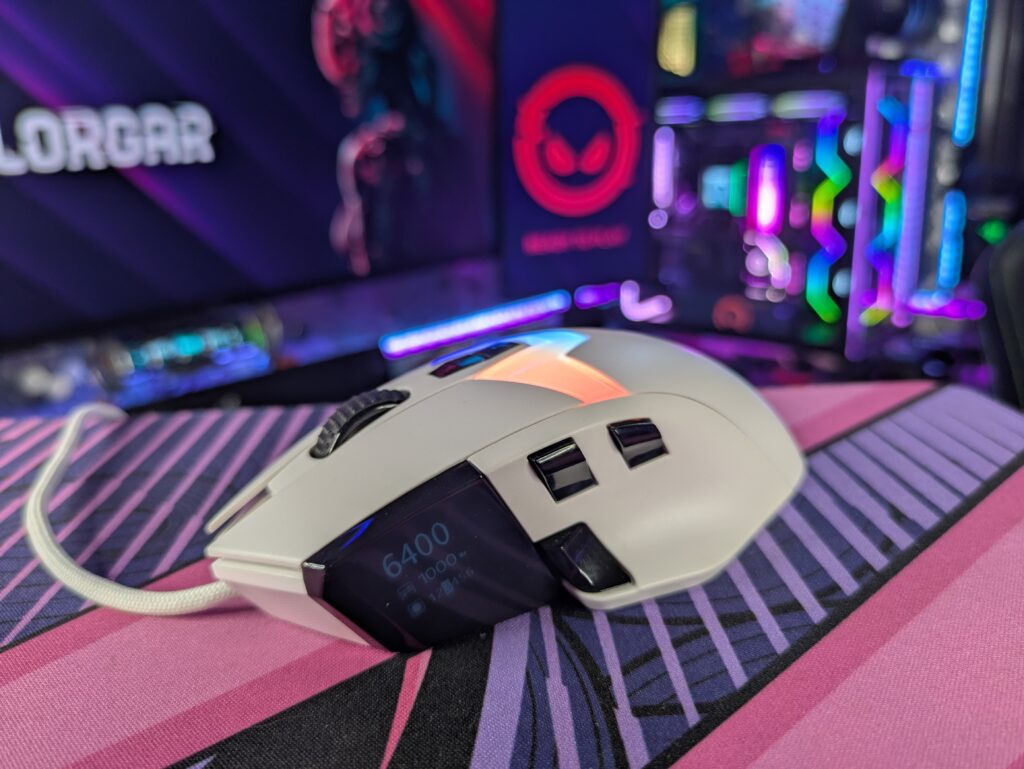
At the opposite spectrum from minimalist approaches, feature-packed immersive gaming mice deliver comprehensive functionality through integrated technologies. These advanced peripherals often include miniature OLED or LCD displays that show real-time system metrics, in-game statistics, or custom animations, complementing sophisticated RGB lighting systems with deep software integration. Programmable physical controls and wireless charging solutions significantly elevate the user experience, while supplementary buttons benefit not just gaming enthusiasts but also productivity-focused professionals working with complex applications.
While no single model incorporates every available feature, these devices consistently project a cutting-edge technological aesthetic. The additional components inevitably increase overall mass, appealing to gamers who value comprehensive functionality and visual personalization over absolute weight reduction. Larger form factors also accommodate users who favor palm grip techniques, providing better support for extended gaming sessions.
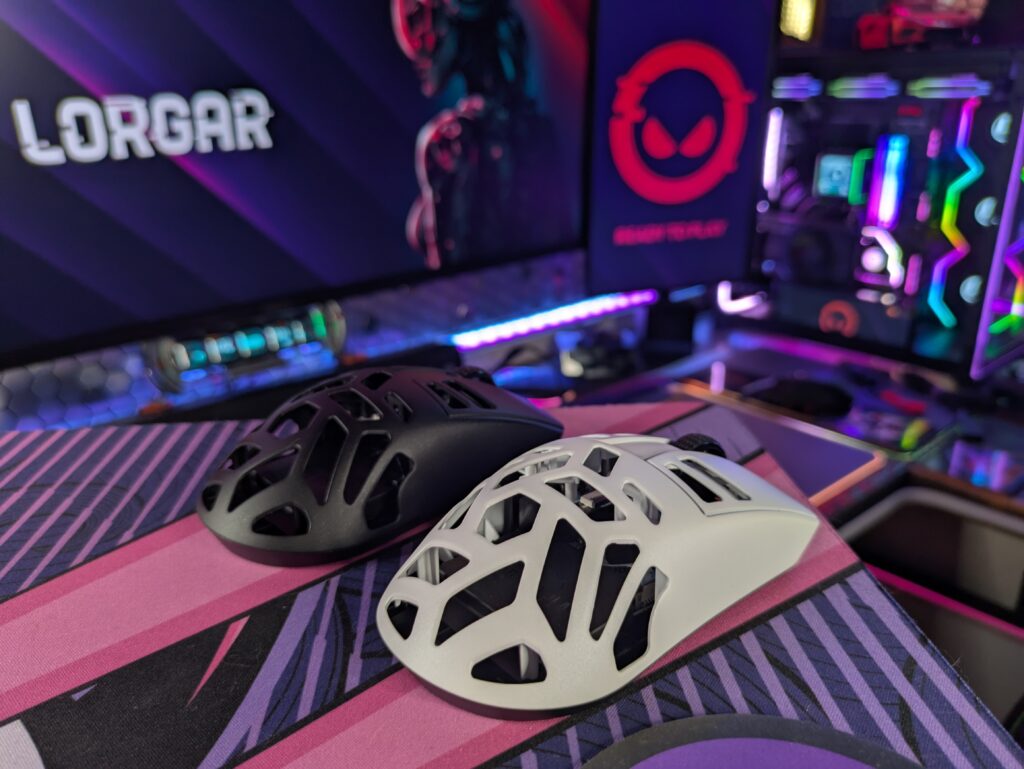
The renaissance of white computing configurations signifies a fundamental transformation in gaming setup aesthetics, reaching beyond simple color choice to impact peripheral engineering, including gaming mice. This movement embodies a wider trend toward streamlined, minimalist arrangements that harmonize visual attractiveness with functional advantages. White gaming accessories provide clear benefits regarding design cohesion and operational performance. The neutral color scheme acts as a perfect foundation for RGB illumination effects, with light-colored surfaces efficiently dispersing and reflecting light to generate richer, more detailed lighting displays. This quality has prompted manufacturers to create advanced surface technologies and protective layers that both maintain the immaculate look and prevent oxidation and color degradation through prolonged use.
From an engineering standpoint, the white aesthetic movement has stimulated breakthroughs in materials technology and production methods. Contemporary white gaming peripherals employ sophisticated UV-blocking polymers and specialized surface treatments to ensure color consistency and structural resilience. High-end finishes now incorporate pearlescent effects, metallic bases, and two-tone patterns that introduce dimension while preserving the streamlined appearance characterizing this trend.
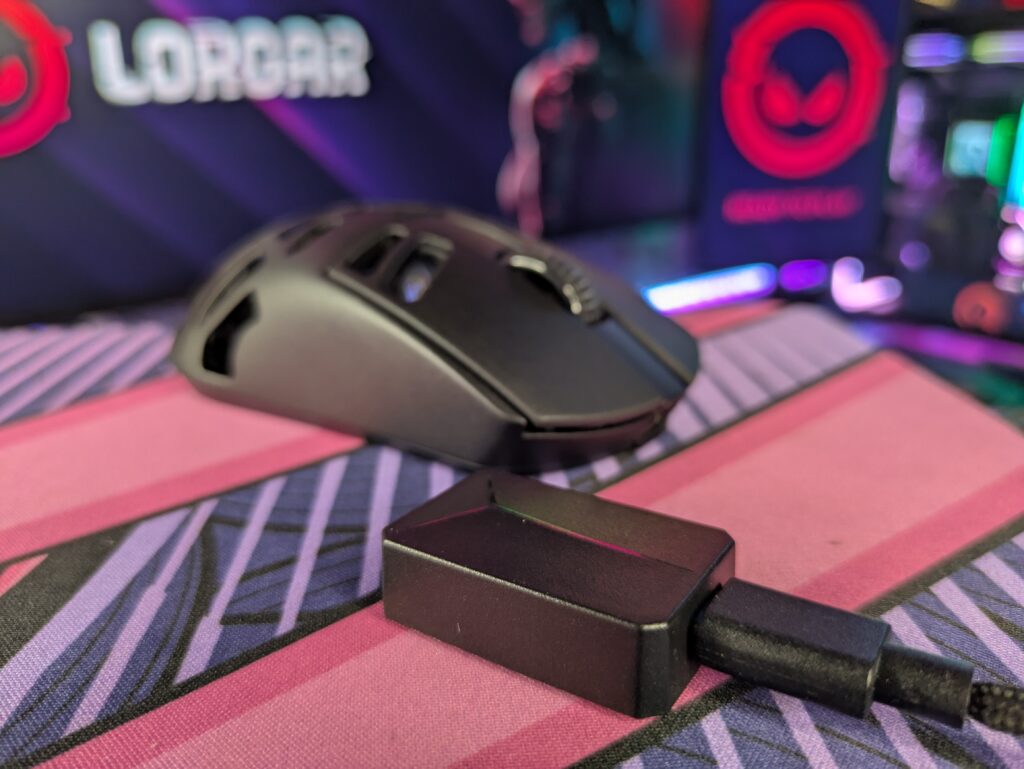
The functional consequences of white gaming accessories reach beyond visual considerations. The highly visible surface naturally reveals dust accumulation and particulate matter, promoting consistent upkeep that can enhance device lifespan. Manufacturers have addressed this by creating specialized coatings that repel smudges and streamline cleaning procedures, especially crucial for regularly manipulated devices like gaming mice.
The white PC construction trend has similarly affected the broader gaming accessory environment, with producers broadening their light-colored product ranges across all classifications. This development has established fresh possibilities for unified setup design, where mice, keyboards, audio headsets, and supplementary accessories can sustain visual consistency while providing high-performance gaming functionality.
The intersection of these developments has established clearly defined market categories, each with specific focus areas. The professional gaming industry prioritizes ultra-lightweight construction, maximum polling frequencies, and premium sensor technology while reducing decorative elements. Content producers and broadcasters are drawn toward immersive characteristics, customizable visual elements, and comprehensive macro functionality. The recreational gaming market looks for an equilibrium of mass, features, and visual personalization at cost-conscious pricing levels.
The gaming mouse industry in 2025 exhibits exceptional variety and technical advancement. Producers persistently expand limits across numerous dimensions concurrently, serving progressively specialized consumer preferences. Whether emphasizing absolute performance, visual attractiveness, or feature completeness, current gaming mice provide more selection than previously available. As progress continues, the development of gaming mice persistently mirrors both technological progress and evolving user tastes within the gaming community.
Keep in mind that although these patterns represent the present condition of gaming mouse technology, personal requirements and preferences should ultimately direct purchasing choices. The ideal gaming mouse matches your particular gaming approach, configuration needs, and performance requirements. When evaluating options, consider how different Class Guide playstyles might benefit from specific mouse characteristics, and consider checking our Complete Guide for comprehensive setup recommendations.
Action Checklist
- Evaluate your primary gaming genre and match polling rate accordingly: 4000Hz for FPS, 2000Hz for MOBA
- Test different weight categories (40g, 60g, 80g) to determine personal preference
- Verify system compatibility for high polling rates including USB controller and monitor refresh rate
- Assess grip style compatibility with mouse shape and size
- Check for PixArt PAW3950 sensor implementation in premium models
- Evaluate your primary gaming genre and performance requirements before selecting features
- Test different grip styles to determine compatibility with mouse dimensions and weight distribution
- Balance polling rate preferences with system capabilities and monitor refresh rates
- Research specialized coatings and materials for white peripherals to ensure long-term durability
- Establish regular cleaning routine for white gaming mice to maintain appearance and functionality
No reproduction without permission:Tsp Game Club » PC mouse trends in 2025 Discover ultralight, high-performance PC mice for faster, precise control and reduced strain.