
Comparing Inzoi vs Second Life: Visual fidelity, gameplay mechanics, and player experience differences
Game Overview and Core Mechanics
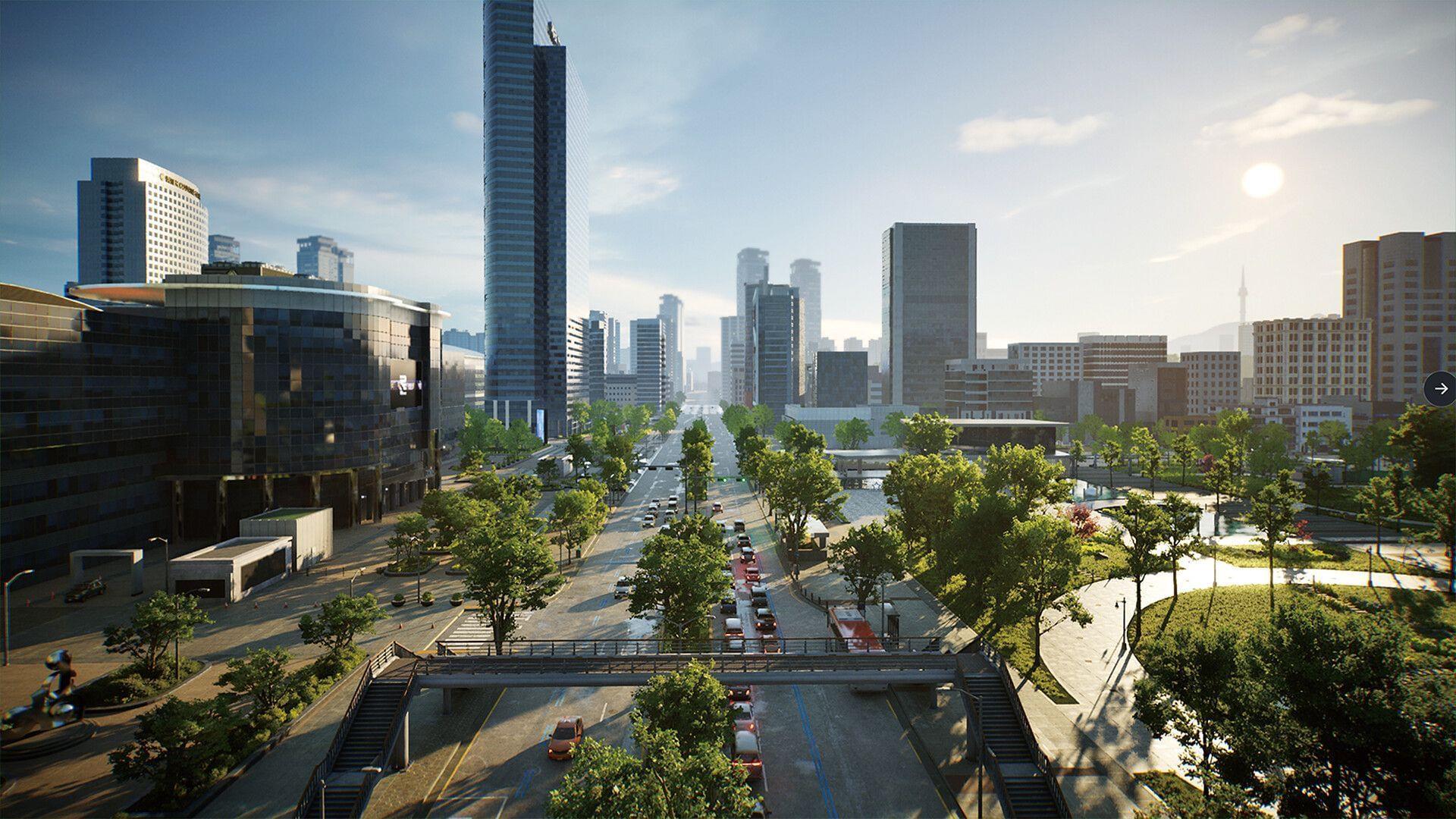
Inzoi represents the next generation of life simulation gaming, currently available in early access with impressive player engagement metrics. This innovative title introduces players to creating personalized digital beings called Zois, enabling participation in diverse daily routines including culinary arts, angling pursuits, and automotive navigation through meticulously crafted environments.
Second Life established the blueprint for user-generated virtual worlds, providing unprecedented creative freedom to construct digital items, immersive environments, and fully customizable avatars using intuitive building tools. The platform’s longevity stems from its commitment to user-driven content creation that empowers imagination without technical barriers.
Inzoi incorporates similar construction mechanics, allowing participants to fabricate game assets including interior furnishings, surface textures, and character archetypes from foundational principles. This approach enhances personal investment in the virtual experience while maintaining accessibility for creators of varying skill levels.
Social Systems and Community Features
Second Life’s enduring success largely stems from its robust community infrastructure, regularly coordinating virtual conferences, social gatherings, and themed celebrations. These organized activities facilitate connection hubs where participants engage through shared interests, scheduled events, and real-time communication channels that frequently evolve into lasting digital friendships.
Inzoi adopts a modified approach to social dynamics, functioning as a single-player journey while incorporating event hosting capabilities directed toward non-player characters rather than human participants. The simulation emphasizes relationship building through sophisticated interaction systems, though these engagements remain confined to AI-controlled entities enhanced by remarkably lifelike character modeling and behavioral algorithms.
Pro Tip: When organizing events in Inzoi, focus on creating diverse activity types to trigger different NPC response patterns. Mix social gatherings with skill-based competitions to observe varied artificial intelligence behaviors and relationship development opportunities.
Common Mistake: New players often underestimate the importance of regular social interactions in both games. In Second Life, inconsistent participation can limit community integration, while in Inzoi, neglecting NPC relationships may restrict narrative progression and gameplay opportunities.
Economic Systems and Monetization
Second Life pioneered virtual economies by implementing systems where participants acquire and distribute digital commodities to other players, generating Linden Dollars as in-game currency. Additional income streams emerge through various professional roles within the platform, injecting economic realism through job simulation mechanics that mirror real-world commercial activities.
Inzoi replicates comparable economic frameworks where players engage in virtual commerce through purchasing and selling digital products. The distinguishing economic factor involves transactional partners being exclusively artificial intelligence entities rather than human-controlled avatars, creating a self-contained market ecosystem.
Advanced Strategy: Master the market fluctuations in Second Life by tracking popular item trends across different community hubs. In Inzoi, focus on building relationships with specific NPC vendors to unlock better trade terms and exclusive item availability through reputation systems.
The economic depth in Second Life allows for real entrepreneurial ventures, with some players generating substantial real-world income through virtual business operations. Inzoi’s economy serves more as a gameplay mechanic to enhance immersion rather than a platform for genuine financial gain.
Visual Fidelity and Technical Performance
A primary differentiator between these virtual worlds manifests in their graphical presentation. Second Life utilizes texture resolutions and character models that reflect its development era, presenting visual fidelity that may not satisfy contemporary gaming standards despite continued technical improvements.
Conversely, Inzoi demonstrates cutting-edge visual excellence through hyper-realistic character models, high-definition texture work, fluid non-player character animations, and intricately detailed environmental design. This technological advancement positions it as a visually superior experience that leverages modern rendering capabilities.
Given Second Life’s extended market presence, it maintains exceptional compatibility with lower-specification computer systems. The platform has undergone numerous optimization updates throughout its lifecycle, resulting in smooth performance across diverse hardware configurations from budget setups to high-end workstations.
Inzoi’s photorealistic graphical approach demands substantial computational resources, requiring contemporary gaming computers with dedicated graphics processing units for optimal performance. This hardware requirement creates accessibility limitations for players without modern gaming rigs, though the visual payoff justifies the investment for enthusiasts.
Performance Optimization: For Second Life, prioritize CPU single-core performance over GPU power for better simulation handling. With Inzoi, focus on VRAM capacity and GPU computational power to maintain the high visual fidelity the game is designed to deliver.
World Design and Environmental Themes
Second Life has solidified its industry position through thematic diversity, offering both metropolitan settings and imaginative fantasy realms. This environmental variety provides users with multifaceted virtual experiences spanning realistic urban simulations to magical otherworldly adventures.
Inzoi charts a different creative course by emphasizing futuristic cityscapes and utopian technological visions where advanced systems guide human civilization. This forward-looking approach generates environments that feel progressively sophisticated compared to Second Life’s more established virtual topography.
Exploration Tip: In Second Life, join themed communities that match your interests to discover hidden locations and custom content. In Inzoi, systematically explore different districts to uncover unique NPC storylines and environmental narratives that reveal the game’s underlying philosophy.
The architectural philosophy differences extend to content creation tools—Second Life provides extensive but sometimes complex building systems, while Inzoi offers more streamlined creation mechanics that sacrifice some depth for accessibility. Both approaches have merits depending on player preferences and technical comfort levels.
Ultimately, the choice between these virtual worlds depends on whether players prioritize community interaction and creative freedom (Second Life) or visual immersion and narrative depth (Inzoi). Each platform delivers distinct experiences that cater to different segments of the life simulation audience.
No reproduction without permission:Tsp Game Club » Second Life: Inzoi vs Second Life: All differences and similarities explored Comparing Inzoi vs Second Life: Visual fidelity, gameplay mechanics, and player experience differences