
TL;DR
- Sim racing bridges virtual and real motorsports with unprecedented accessibility and realism
- Professional training demands 4-6 hours daily with significant physical and mental conditioning
- Data analytics through tools like MoTeC telemetry provides critical performance insights
- Quality pedals and stable cockpits are more crucial than premium steering wheels
- Physical fitness and technical knowledge are equally important as gaming skills
The landscape of competitive racing has undergone a dramatic transformation in recent years, with sim racing emerging from its niche origins to become a fully recognized professional sport. This digital discipline now serves as a crucial bridge between virtual competition and real-world motorsports, capturing the imagination of amateur enthusiasts and professional racing organizations alike. We’re privileged to share exclusive perspectives from members of the Serbian national sim racing team, officially sponsored by Lorgar and representing their country at the prestigious FIA Motorsport Games. Through their championship-level experiences, we’ll uncover what it takes to compete at the highest echelons of virtual racing.
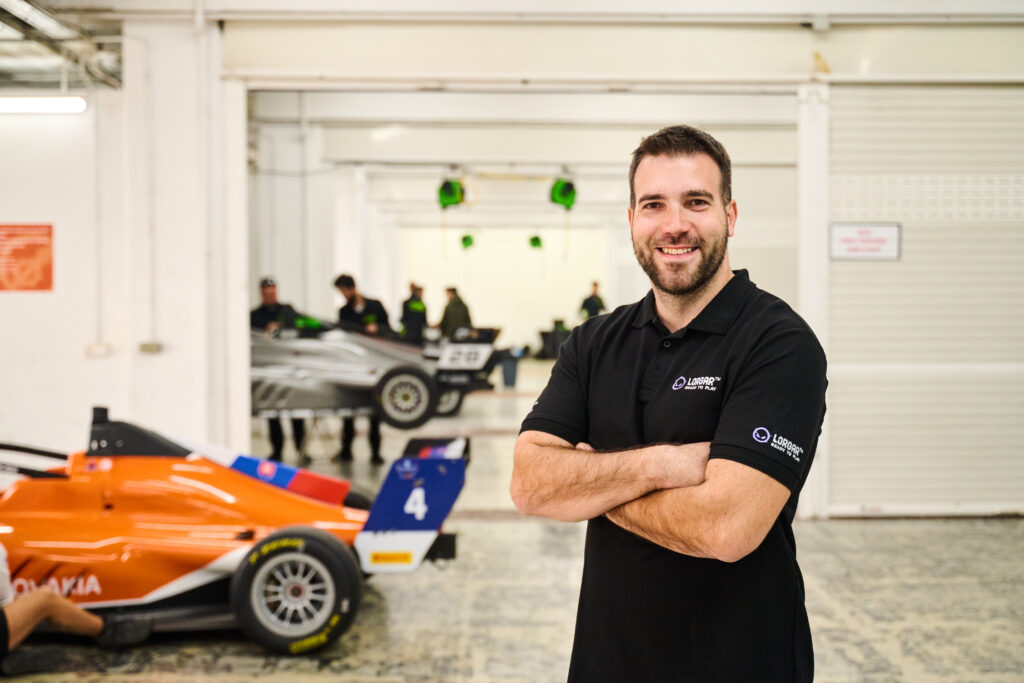
Virtual racing delivers an extraordinary fusion of accessibility and authenticity that physical motorsports struggle to provide. Filip Stefanović, Lead Racing Coach, clarifies: “The sim racing environment provides distinct advantages over traditional track racing. For beginners wanting to experience competitive driving, modern platforms recreate the complete sensory experience and vehicle dynamics found in real competition. Motorsport enthusiasts find this the ideal starting point for multiple practical reasons, particularly financial feasibility.
Filip categorizes the sim racing ecosystem into clear tiers: ‘Novice virtual racers can access more approachable platforms emphasizing enjoyment and fundamental racing principles. These beginner-friendly titles work perfectly for sampling motorsport excitement and building foundational abilities. However, professional esports and serious competition utilize sophisticated simulation software including iRacing and Assetto Corsa. These advanced systems are engineered to duplicate genuine racing scenarios with maximum precision, demanding serious commitment and technical comprehension to excel.’
The coaching expert further emphasizes the range of available racing specialties: ‘Within professional sim racing, competitors encounter multiple classifications reflecting actual motorsport categories. Formula racing positions drivers in high-performance single-seaters, concentrating on short races and exact lap performances. GT competition, where our teammate Alexander demonstrates exceptional skill, incorporates enhanced versions of production sports cars. GT events frequently include marathon competitions spanning 6, 12, or continuous 24-hour durations, necessitating both individual expertise and coordinated teamwork. This diversity enables racers to focus on their chosen specialty while competing at elite levels.”
The brilliance of sim racing rests in its capacity to deliver genuine racing immersion without the massive capital outlay demanded by conventional motorsports. It establishes a safe learning space where competitors can test boundaries and refine techniques without physical risk. Contemporary racing platforms employ cutting-edge technology, incorporating force feedback steering systems and accurate physics modeling, to generate remarkably engaging experiences. Most significantly, virtual racing provides unmatched scheduling flexibility – drivers can train whenever convenient, from any location, eliminating track reservation needs or weather concerns.
The sim racing universe spans multiple competitive tiers and diverse racing formats. Fundamentally, virtual racing systems separate into two primary classifications: entertainment-focused games and professional-grade simulations.
Accessible racing titles such as Forza Motorsport, Forza Horizon, and Gran Turismo offer welcoming entry points for newcomers. These platforms prioritize enjoyment while preserving certain realistic components, making them excellent for casual participants seeking racing excitement without intensive technical immersion.
At the professional spectrum’s opposite end reside sophisticated simulation platforms including iRacing, Assetto Corsa, Assetto Corsa Competizione, and rFactor. These systems emphasize authentic vehicle physics and handling characteristics, requiring competitors to cultivate comprehensive understanding of racing mechanics and car behavior.
Within these environments, drivers can engage in various competition categories. Formula racing centers on single-seater contests, highlighting short races and timed laps. GT Racing includes GT3, GT4, GTE, and Le Mans championships, presenting enhanced production vehicles in both sprint and endurance formats. Rally competition introduces distinctive challenges, occurring on unpaved and variable terrain under demanding circumstances, requiring rapid responses and outstanding adaptability.
Platform Selection Strategy: When choosing your racing environment, consider your goals carefully. Casual players should start with more accessible titles to build fundamental skills, while aspiring professionals need to invest time mastering the complex physics of advanced simulations. Many top competitors maintain proficiency across multiple platforms to maximize their competitive opportunities and skill development.
Elite sim racing requires commitment and structured discipline that frequently astonishes observers. Aleksandar Čeliković, Serbia Digital Rally Champion 2023 and Balkan Digital Rally Champion 2023, reveals the rigor of championship preparation: “My training regimen involved four to six hours of simulator practice daily. The intensity was such that I dropped eight kilograms through combined simulator work and gym training while juggling professional responsibilities and personal commitments. Maintaining equilibrium across all areas proved challenging, but essential for competitive readiness.”
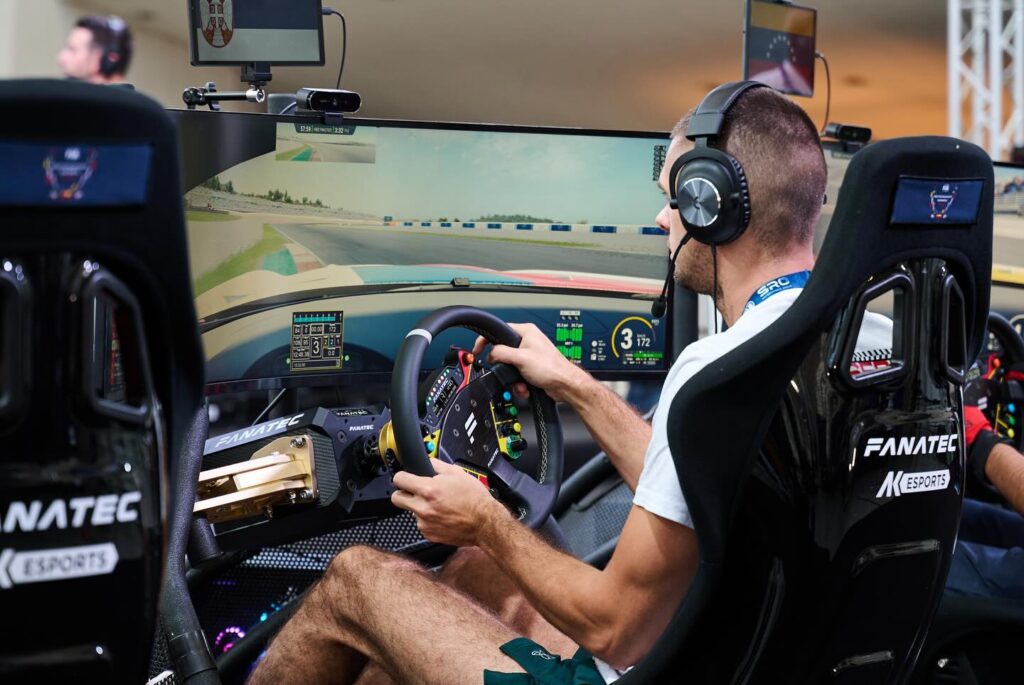
Contrary to widespread assumptions, physical conditioning plays a vital role in sim racing achievement. The cognitive concentration necessary to sustain focus during extended racing stints requires excellent physical health. Technical comprehension of vehicle configuration and racing principles proves equally critical, alongside the capacity to evaluate performance data and modify tactics appropriately.
Training Optimization Tip: Structure your practice sessions with specific objectives. Instead of random driving, focus on mastering one skill per session – perfecting braking points, optimizing racing lines, or improving throttle control. This targeted approach accelerates skill development more effectively than unstructured seat time.
Performance analysis has emerged as a fundamental component of professional sim racing. Nikola, Serbian Team Lead Coach, stresses this advantage: “Within esports, we possess significant benefits through utilization of MoTeC telemetry systems. This technology enables us to examine each lap performance and scrutinize precisely how we’re applying brakes and throttle throughout every circuit.”
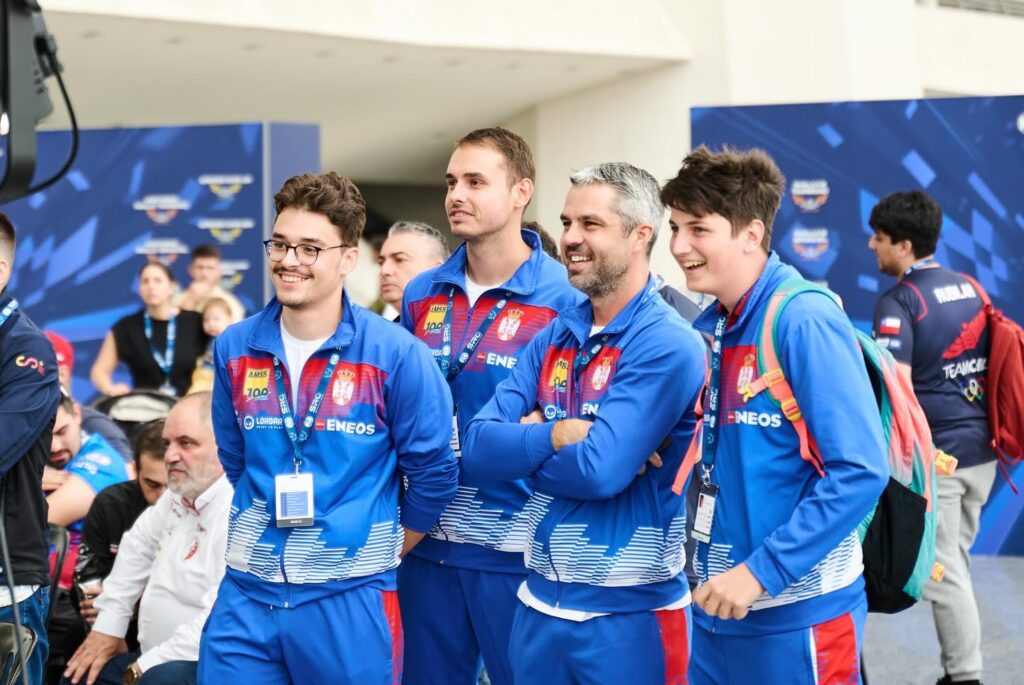
This extensive data collection permits drivers and squads to evaluate each component of their execution, from deceleration markers and accelerator usage to ideal trajectories and vehicle adjustments. The understanding acquired from telemetry information proves essential for pinpointing development areas and refining racing approaches.
Common Data Analysis Mistake: Many racers collect telemetry data but fail to implement actionable changes. The key is identifying specific, measurable improvements rather than getting overwhelmed by the volume of available metrics.
For those looking to deepen their analytical skills, our BF6 Weapons Unlock guide demonstrates how systematic analysis can transform performance across different gaming disciplines.
Filip Stefanović confronts a widespread misunderstanding regarding sim racing: “Many individuals presume they can simply enter the simulator, depress pedals, rotate the wheel, and achieve success. They think, ‘I understand regular vehicle operation, so what’s the difficulty?’ Everyone assumes competence, yet the instant they occupy the racing rig and comprehend the distinction, they experience astonishment.”
The assumption that virtual racing constitutes “mere entertainment” or that achievement primarily depends on superior gear ignores the exceptional talent and commitment necessary to perform at elite standards. The sport requires a special blend of physical capability, mental sharpness, and technical knowledge that distinguishes it from recreational gaming.
Reality Check: Professional sim racers develop skills comparable to physical motorsport athletes. Reaction times, situational awareness, and strategic thinking must be honed to razor-sharp levels. The difference between top competitors and average participants often comes down to hundreds of hours of deliberate practice and continuous performance analysis.
Understanding these fundamentals is crucial whether you’re exploring our Complete Guide to competitive gaming or specializing in specific racing disciplines.
Gear quality substantially influences sim racing outcomes. Aleksandar Čeliković underlines the critical function of appropriate equipment: “The most vital component in any configuration remains unquestionably the pedal assembly. Although the steering mechanism matters significantly, substantial precise manipulation originates from the foot controls. Competitors require reliable brake and accelerator pedals to effectively manage vehicle behavior.”
A professional racing setup demands more than quality pedals alone. A sturdy and inflexible chassis establishes the basis for reliable execution, while a force feedback steering system conveys the tactile feedback required for accurate control. The driver’s seat must provide both ergonomic support and longevity for extended training periods and marathon events.
Equipment Priority Guide: When building your rig, prioritize in this order: 1) High-quality pedals with progressive resistance, 2) Rigid cockpit frame eliminating flex, 3) Force feedback wheel with detailed road feel, 4) Comfortable seating for endurance sessions, 5) High-resolution display or VR system for immersion.
For those considering equipment upgrades, our Class Guide provides additional insights into how proper gear selection can enhance performance across different gaming specialties.
Virtual racing symbolizes the forthcoming direction of motorsport development and competition, providing an approachable yet demanding environment for drivers across all proficiency levels. The activity continues expanding, drawing both recreational fans and dedicated competitors attracted to its distinctive combination of accessibility, technological innovation, and competitive complexity. The accomplishments of squads like the Serbian sim racing team, featuring achievements including Aleksandar Čeliković’s Digital Rally Championships, illustrate the elevated professionalism and expertise that competitive sim racing has attained.
Prepared to launch your sim racing adventure? Investigate Lorgar’s selection of professional-grade racing equipment, engineered to deliver the steadiness, accuracy, and ergonomic design required for competitive racing at any level. As the enthusiastic sponsor of Serbia’s triumphant sim racing delegation, Lorgar comprehends the necessities for competing at championship standards and supplies the instruments required to attain racing mastery.
Action Checklist
- Select appropriate racing platform based on your skill level and goals
- Establish structured training schedule with 4-6 hour daily sessions
- Master telemetry analysis using MoTeC or similar tools
- Prioritize equipment investment: pedals first, then cockpit, then wheel
- Develop physical conditioning routine to support mental endurance
- Join competitive leagues and participate in regular events
No reproduction without permission:Tsp Game Club » Sim Racing: breaking down the virtual racing revolution Master competitive sim racing with expert insights from professional drivers and coaches