
Master NBA 2K26 tempo shooting with advanced techniques, player-specific cues, and strategic timing optimization
Understanding Tempo Shooting Fundamentals
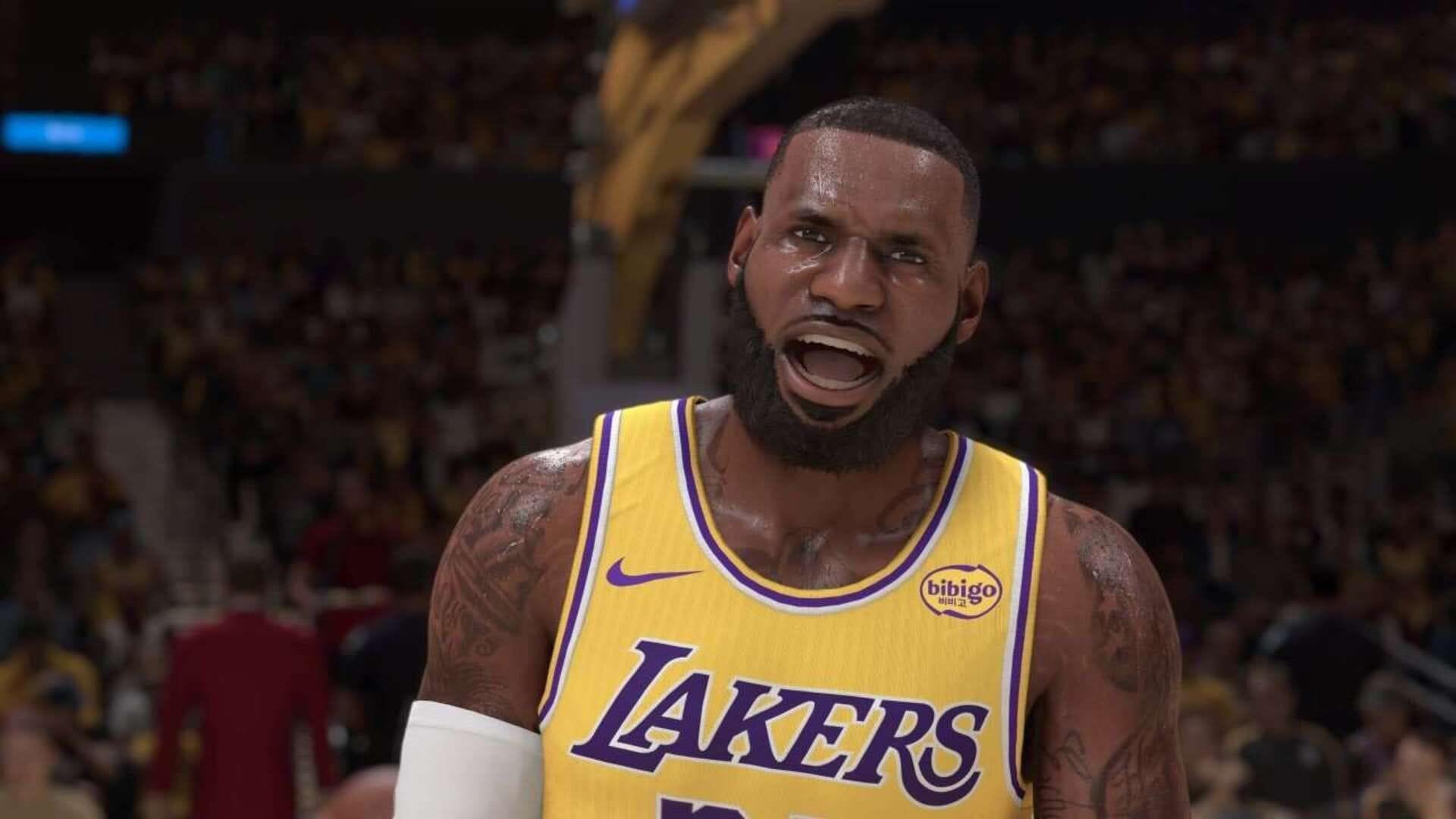
NBA 2K26 introduces a revolutionary approach to shooting mechanics through its tempo shooting system, completely transforming how players execute shots. This rhythm-based methodology provides unprecedented control over release timing, enabling you to sink baskets over even the most formidable defenders with enhanced precision. The system’s intuitive design focuses on body mechanics rather than abstract timing bars, creating a more immersive basketball experience.
While traditional button shooting depends on identifying specific animation frames within four distinct release windows, tempo shooting empowers you to actively shape your shot’s rhythm. The conventional method limited creative expression by locking you into predetermined animation speeds, whereas the new approach adapts to your decisions and defensive circumstances.
The core tempo shooting technique involves a fluid three-part motion: initiate by pulling down on the right stick, then push upward as your player’s elbow approaches the 90-degree set point, and complete with a decisive flick as the wrist releases the ball. This push-and-flick sequence grants you command over shot velocity and timing, allowing strategic adjustments based on defensive positioning and game situations.
Advanced Tempo Control Techniques
Mastering release timing variations represents the most critical skill in tempo shooting proficiency. Understanding when to deploy different release speeds can dramatically impact your shooting percentage against various defensive schemes.
Slightly early releases generate rapid shot executions perfect for situations where defenders like Victor Wembanyama are closing out aggressively. These quick releases sacrifice minimal accuracy for significant speed advantages, making them ideal against shot-blocking specialists.
Delayed releases create more measured, controlled shots that excel against less athletic defenders or in uncontested situations. The extended release time provides additional stability and arc control, though they’re vulnerable to closeouts from quick defenders.
The system’s true strength emerges through its situational flexibility. Unlike predetermined animation speeds, tempo shooting lets you tailor your approach based on defensive matchups. Against lengthy defenders like Kevin Durant or Amen Thompson, rapid releases become essential for avoiding blocked shots, while slower releases can maximize accuracy against smaller, less disruptive defenders.
Two fundamental advantages make tempo shooting exceptionally effective in NBA 2K26:
Professional players recommend practicing both release extremes in shootaround modes to develop muscle memory for different defensive scenarios. The ability to instinctively choose between quick pops and deliberate releases will significantly elevate your offensive efficiency.
Player-Specific Shooting Cues
The most challenging aspect of mastering tempo shooting involves adapting to unique jumper animations across different players. Each athlete possesses distinctive shooting mechanics that require specific visual focus points for optimal timing.
Jimmy Butler’s release demands attention to his full body alignment rather than arm movements. Watch for the moment his torso achieves complete vertical extension – this signals the ideal push point for his jumper.
Draymond Green’s animation requires monitoring his core body straightening before executing the stick flick. His unconventional form emphasizes lower body engagement over upper body mechanics.
Brandon Podziemski’s unique cue involves lower body observation rather than upper extremity focus. The critical timing moment occurs when his knees fully extend during the shooting motion, providing the tempo indicator for release.
Beyond these specific examples, most players fall into recognizable animation categories. Spot-up shooters typically have quicker, more compact releases, while creation specialists often feature more elaborate motions with longer windups. Identifying these patterns during gameplay will accelerate your adaptation to unfamiliar players.
Develop a pre-game routine in practice mode with your frequently used players to internalize their specific cues. Spending just five minutes with each primary shooter can dramatically improve your timing recognition during competitive matches.
Optimization and Common Mistakes
Avoiding common errors separates competent tempo shooters from exceptional ones. The most frequent mistake involves over-flicking the stick during the release phase, resulting in erratic shot trajectories and inconsistent timing.
Over-acceleration prevention requires practicing smooth, controlled stick movements rather than aggressive flicks. Imagine guiding the shot rather than forcing it – this mental approach typically improves consistency.
Animation anticipation represents another common pitfall. Avoid initiating the push phase before the actual set point appears. Patience in waiting for the proper visual cue proves more effective than preemptive stick movements.
Advanced optimization involves developing defensive read skills before shot attempts. Scan defender positioning during your gather – if they’re closing out aggressively, prepare for a quick release; if they’re retreating or out of position, a slower, more accurate release becomes preferable.
Practice drills should incorporate defensive pressure simulations. Use the training modes with contesting defenders to build comfort shooting under duress. Focus on maintaining your visual cues despite defensive distractions.
Shot selection remains crucial even with mastered tempo mechanics. The system enhances make percentage within reasonable shot contexts but cannot compensate for poor decision-making. Always prioritize high-percentage opportunities over contested difficult attempts, regardless of your shooting proficiency.
Also read – NBA 2K26: Brooklyn Nets player ratings
Also read: Top 50 all-time players in the game
Check out more articles related to the game:
No reproduction without permission:Tsp Game Club » tempo shoot: How to tempo shoot in NBA 2k26 Master NBA 2K26 tempo shooting with advanced techniques, player-specific cues, and strategic timing optimization