
Master Valve’s complex MOBA shooter with practical strategies and expert gameplay insights for beginners and advanced players
Understanding Deadlock’s Core Mechanics
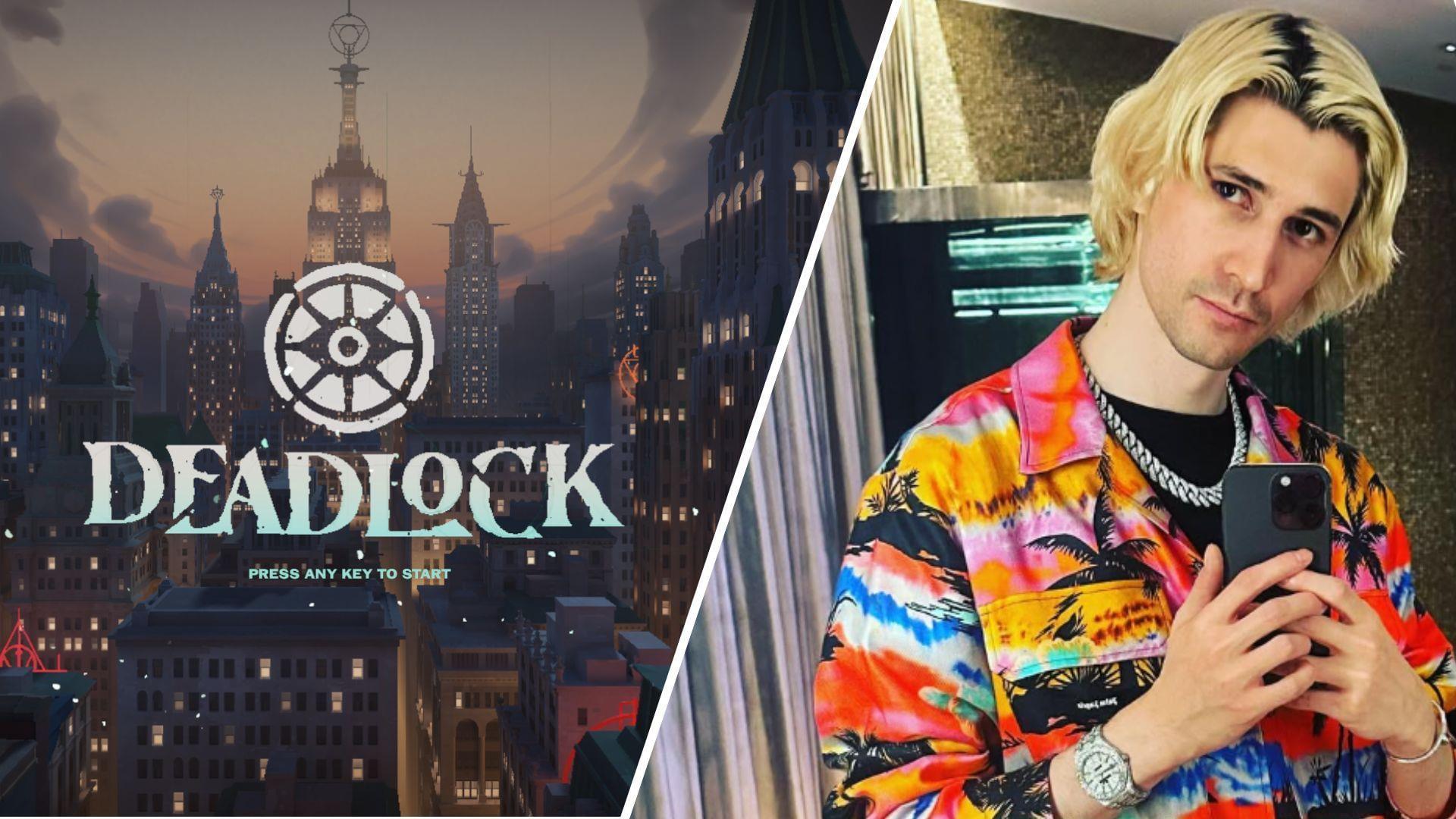
Valve’s recent Deadlock update has dramatically transformed the gaming landscape, sparking unprecedented player engagement with peak concurrent users exceeding 50,000 on Steam. High-profile streamers like Félix “xQc” Lengyel have explored the title, initially praising the enhanced visual presentation and revamped interface design. The game’s resurgence reflects its evolving appeal among competitive gaming enthusiasts.
Despite initial positive impressions regarding presentation, many players encounter significant challenges with the intricate gameplay systems. As xQc discovered during his streams, Deadlock demands substantially more strategic planning than traditional hero shooters. Unlike Overwatch 2’s team role specialization, this hybrid experience requires individual players to manage multiple tactical considerations simultaneously while controlling designated lanes.
The fundamental structure revolves around four distinct combat corridors with asymmetric player distribution. Outer lanes typically host solo defenders while central corridors feature duo configurations, creating dynamic pushing opportunities. Victory demands systematic lane domination through boss elimination and eventual invasion of the enemy stronghold. Strategic flexibility remains crucial since players can dynamically reposition to support teammates when lanes become vulnerable.
Critical to success is understanding the win condition: breaching the opponent’s base and destroying their Patron unit. This objective requires coordinated team efforts and careful resource management throughout extended engagements. New players should prioritize learning lane rotation timing and boss spawn patterns to establish early game advantages.
Advanced Systems and Customization
Deadlock’s complexity primarily stems from its sophisticated progression systems centered around The Curiosity Shop’s three perk categories. Weapon Items enhance offensive capabilities, Vitality Items bolster survivability, and Spirit Items provide strategic utility effects. Each hero archetype benefits from specific perk combinations, requiring players to develop multiple build strategies.
The Soul economy serves as the primary resource for perk acquisition, collected through combat engagements, objective completion, and environmental interactions. Efficient Soul gathering separates novice players from experienced competitors, as optimal perk timing can determine match outcomes. Advanced players recommend prioritizing early-game Soul generation items to accelerate power spikes.
Hero selection dramatically influences viable build paths, with tank characters benefiting from Vitality stacking while damage dealers prioritize Weapon enhancements. Understanding spirit item synergies enables creative playstyles that can counter specific enemy compositions. Regular build experimentation in practice modes helps identify meta-breaking combinations before implementing them in competitive matches.
Team composition strategy should balance lane coverage with synergistic perk interactions. Successful squads typically incorporate at least one lane pusher, one roamer, and one objective specialist to handle the diverse match requirements. Communication about perk purchases and Soul allocation significantly enhances team coordination during critical engagements.
Community Perspectives and Learning Curve
The gaming community remains divided regarding Deadlock’s accessibility, as evidenced by prominent streamer reactions. xQc’s critique highlighting the game’s demanding nature resonated with players who prefer straightforward shooting mechanics. His observation that Deadlock requires “too much” individual strategizing reflects a common barrier for newcomers transitioning from traditional shooters.
Community feedback reveals polarized perspectives, with some players applauding the technical depth while others express frustration with the steep initial learning phase. Supporters like @nao_refoff argue that this complexity provides refreshing depth compared to conventional shooters, while critics point to the intimidating knowledge requirements for basic competence.
Comparative analysis with established MOBAs like Dota 2 and League of Legends suggests Deadlock follows a similar pattern: initial complexity that rewards dedicated practice. As @lil_wage noted, perseverance through the difficult early stages yields immensely satisfying gameplay experiences. The community consensus indicates that approximately 10-15 hours of gameplay are necessary to overcome the initial comprehension barrier.
Developer communication strategies have also sparked discussion, with some community members cautioning against over-reliance on streamer feedback for design decisions. The debate highlights tensions between accessibility and depth that often accompany innovative genre hybrids attempting to carve distinct identities within competitive gaming.
Practical Gameplay Strategies
New players frequently struggle with several common mistakes that hinder early progression. Overextending in lanes without proper vision remains the most prevalent error, often resulting in preventable deaths. Another typical pitfall involves inefficient Soul spending, where players purchase inappropriate perks that don’t synergize with their hero’s strengths or the current match situation.
Advanced tactical considerations include mastering lane freezing techniques to control minion waves and creating strategic advantages through calculated boss timings. High-level players recommend developing map awareness through regular minimap consultation and establishing communication protocols for lane assistance requests. These fundamentals separate competitive players from casual participants.
Optimization strategies for experienced players include advanced warding positions for vision control, backdoor protection circumvention methods, and power spike identification for optimal engagement timing. Recording and reviewing match replays helps identify strategic weaknesses and mechanical errors that might otherwise go unnoticed during live gameplay sessions.
Practice regimen recommendations suggest starting with bot matches to understand basic mechanics before transitioning to casual PvP. Focused training on last-hit timing for Soul generation and ability rotation practice significantly accelerates skill development. Utilizing the comprehensive tutorial systems and dedicated practice ranges provides structured learning environments for mastering complex hero mechanics.
Team coordination exercises should include designated shot-calling responsibilities, emergency rotation drills, and objective priority establishment. Developing these collaborative skills early creates foundation for competitive play and reduces frustration during ranked matchmaking experiences. Consistent practice with a regular group dramatically improves win rates through enhanced synchronization.
No reproduction without permission:Tsp Game Club » “The game looks like one million times better”: xQc gives his first thoughts on the new Deadlock update Master Valve's complex MOBA shooter with practical strategies and expert gameplay insights for beginners and advanced players