
Discover the key gameplay, narrative, and mechanical differences between Hyrule Warriors Age of Imprisonment and Tears of the Kingdom
Introduction: Two Games, One Timeline
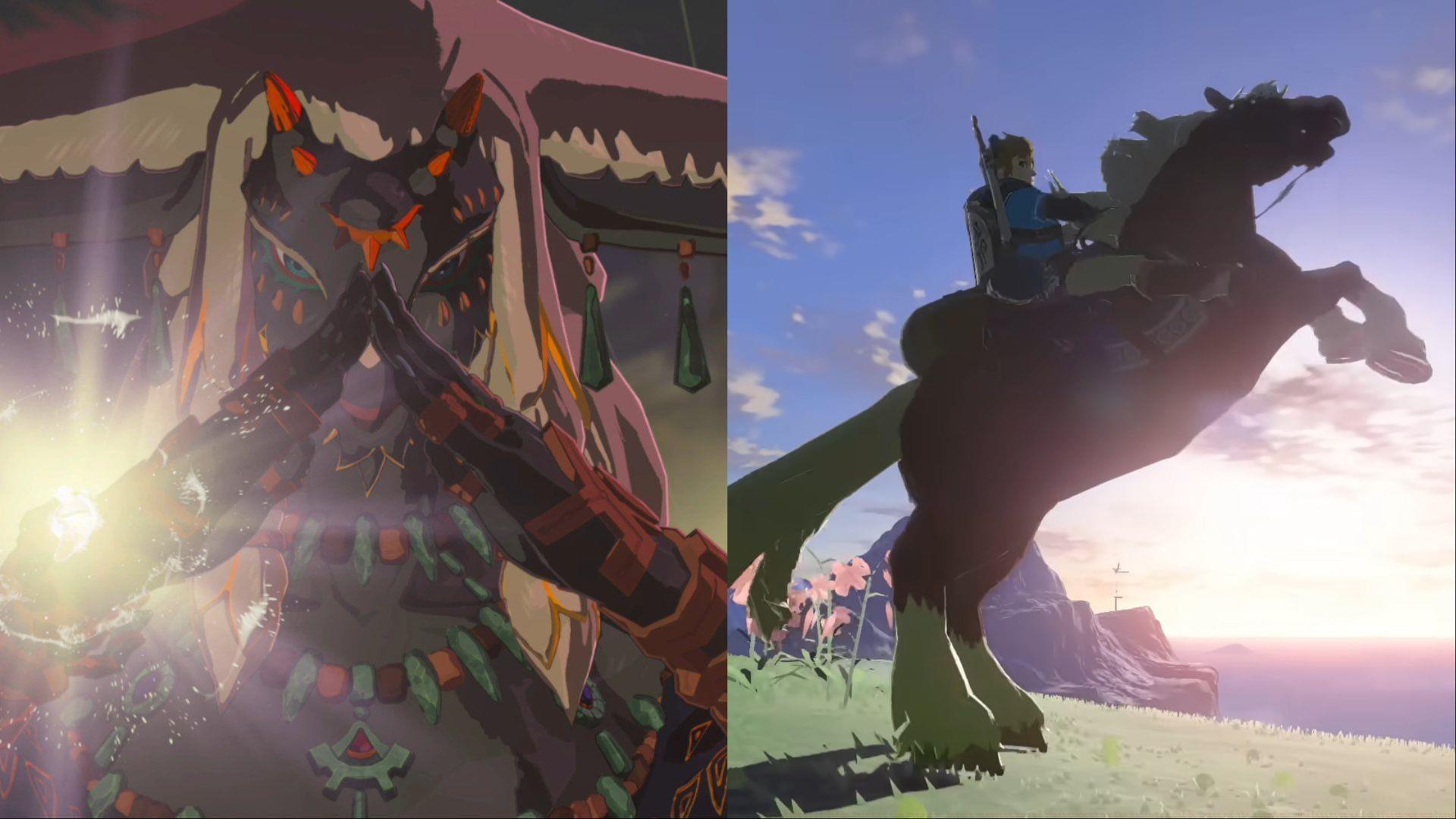
Hyrule Warriors Age of Imprisonment represents the latest installment in Nintendo’s collaborative hack & slash series developed with Koei Tecmo. This newest chapter expands upon the rich worldbuilding and mechanical foundations established in the groundbreaking 2023 sandbox adventure, The Legend of Zelda Tears of the Kingdom. Given their shared franchise heritage, many players naturally question how these two experiences compare and what distinguishes them beyond surface-level differences.
Canonical confirmation places Hyrule Warriors Age of Imprisonment chronologically within the events of Tears of the Kingdom, specifically during the period following Princess Zelda’s temporal displacement centuries into Hyrule’s past. Players witness her direct participation in the Imprisoning War, a pivotal historical conflict briefly referenced in Tears of the Kingdom that details the monumental struggle between Hyrule’s founding figures and the malevolent Demon King Ganondorf.
Gameplay Genre and Mechanics
Fundamental Genre Division
Following the established pattern of its predecessor Hyrule Warriors Age of Calamity, this latest Warriors installment delivers intense hack & slash combat mechanics with support for two-player cooperative gameplay. This creates a dramatic contrast with the mainline Zelda entry, Tears of the Kingdom, which maintains its tradition as an exclusively single-player action-adventure experience focused on exploration and environmental puzzles.
The combat systems between these titles showcase their genre differences profoundly. Hyrule Warriors Age of Imprisonment emphasizes defeating massive numbers of enemies through combo-driven attacks and special abilities, creating a power fantasy where players can eliminate hundreds of foes in minutes. Meanwhile, Tears of the Kingdom focuses on strategic, deliberate combat where each encounter requires tactical thinking, weapon durability management, and creative use of the environment.
Cooperative vs Solo Experience
The two-player co-op functionality in Hyrule Warriors Age of Imprisonment enables shared gaming sessions where friends can tackle challenges together, a feature completely absent from Tears of the Kingdom’s solitary journey. This multiplayer dimension transforms the gameplay dynamic, allowing for coordinated attacks and shared strategic planning that fundamentally alters how players engage with Hyrule’s conflicts.
Narrative Structure and Characters
Protagonist Evolution
The legendary hero Link has anchored nearly every mainline Zelda title throughout the franchise’s history, but his absence in Hyrule Warriors Age of Imprisonment marks a significant narrative departure. Since Zelda’s journey transports her to the Imprisoning War era within the Wilds timeline, Link remains centuries away from being born, completely removing him from this chapter’s storyline. Instead, participants command multiple distinct characters engaged in the historical conflict, including Princess Zelda herself taking an active combat role.
Returning Characters and Expanded Roles
Several personalities originally introduced in The Legend of Zelda Tears of the Kingdom reappear with enhanced significance, particularly Hyrule’s founding monarch Rauru and Queen Sonia, alongside sage figures like Mineru who previously appeared only in flashback sequences. Most of these returning characters transition into fully playable combatants, allowing players direct involvement in the Imprisoning War’s most critical moments from perspectives unavailable in the mainline game.
This character-focused approach contrasts sharply with Tears of the Kingdom’s protagonist-centered narrative, where Link remains the sole playable character throughout the entire adventure, with other figures serving primarily as quest-givers or narrative devices rather than active participants in combat scenarios.
World Design and Exploration
Linear Action vs Expansive Exploration
Furthermore, Hyrule Warriors Age of Imprisonment presents a linear gaming structure where participants progress through designated levels, obliterating countless enemies in a satisfying power fantasy while accomplishing specific mission objectives. Conversely, Tears of the Kingdom offers a vast, interconnected open world prioritizing discovery, creative problem-solving, and non-linear progression rather than pure combat dominance.
Objective Structure and Player Agency
The mission-based design of the Warriors title provides clear, directed goals with defined completion parameters, creating a structured experience ideal for shorter gaming sessions. Tears of the Kingdom embraces player-driven exploration where objectives emerge organically through environmental storytelling and curiosity, granting unprecedented freedom to ignore main quests entirely in favor of personal discovery and experimentation with the game’s physics systems.
Environmental Interaction Depth
Tears of the Kingdom’s Ultrahand and construction mechanics enable deep environmental manipulation and creative solutions to challenges, while Age of Imprisonment focuses environmental elements primarily as combat arenas and tactical considerations rather than interactive puzzles. This fundamental difference in world interaction represents one of the most significant distinctions between the two gaming experiences.
Shared Elements and Crossovers
Mechanical Inheritance and Adaptation
As the direct successor to The Legend of Zelda Breath of the Wild, Tears of the Kingdom introduced numerous innovative systems including Energy Cells, Zonai devices such as Emitters, and advanced crafting mechanics, all of which find thoughtful integration within the Warriors framework. The returning enemy roster also includes familiar adversaries like Constructs, Gleeoks, and opponents corrupted by Gloom, though their combat behaviors and tactical requirements often differ between titles.
Shared Universe, Different Implementation
While both games inhabit the same narrative universe and share character assets, their implementation philosophies diverge significantly. Tears of the Kingdom’s mechanics emphasize player creativity and emergent gameplay, while Age of Imprisonment adapts these elements to serve its action-oriented combat focus, creating familiar yet distinct experiences for players transitioning between titles.
Further Reading: Is it worth playing The Legend of Zelda Tears of the Kingdom in 2025?
Player Experience and Strategy Guide
Choosing Your Ideal Zelda Experience
Selecting between these titles depends largely on your preferred gameplay style. Hyrule Warriors Age of Imprisonment delivers fast-paced, satisfying combat with immediate gratification and social gaming opportunities through co-op. Meanwhile, Tears of the Kingdom offers deep immersion, creative freedom, and the joy of discovery at your own pace without combat pressure.
Advanced Player Strategies
For Warriors enthusiasts: Master character-switching during combat to maintain offensive pressure and utilize environment interactions for area control. Tears of the Kingdom players should prioritize battery upgrades early and experiment extensively with Zonai device combinations for puzzle solutions. A common mistake in both games is neglecting defensive maneuvers—dodging remains crucial despite their different combat paces.
Optimization Techniques
In Age of Imprisonment, focus on learning each character’s signature combos and crowd-control abilities. For Tears of the Kingdom, develop efficient travel routes using your expanded movement options and plan resource gathering around key upgrade paths. Both games reward systematic approaches rather than haphazard experimentation once you understand their core mechanics.
Additional reading recommendations:
No reproduction without permission:Tsp Game Club » The Legend of Zelda Tears of the Kingdom: Hyrule Warriors Age of Imprisonment vs The Legend of Zelda Tears of the Kingdom: Similarities and differences explored Discover the key gameplay, narrative, and mechanical differences between Hyrule Warriors Age of Imprisonment and Tears of the Kingdom