
TL;DR
- Master the drag revive system for tactical medic gameplay with blood trail awareness
- Optimize class selection with weapon-specific bonuses and role specialization
- Leverage input flexibility for improved control scheme performance
- Coordinate vehicle tactics with engineer class explosive resistance
- Utilize advanced movement and positioning for competitive advantage
Dominate Battlefield 6 with our comprehensive analysis of core mechanics, weapon systems, map strategies, and advanced techniques for peak battlefield performance.
The latest installment in the Battlefield franchise introduces transformative gameplay elements that experienced players must quickly master. From completely reimagined class structures to subtle mechanics that developers barely highlighted, this guide delivers the essential knowledge you need to excel immediately. Whether you’re navigating the new weapon flexibility system or uncovering hidden tactical features, we provide the advanced strategies that create winners.
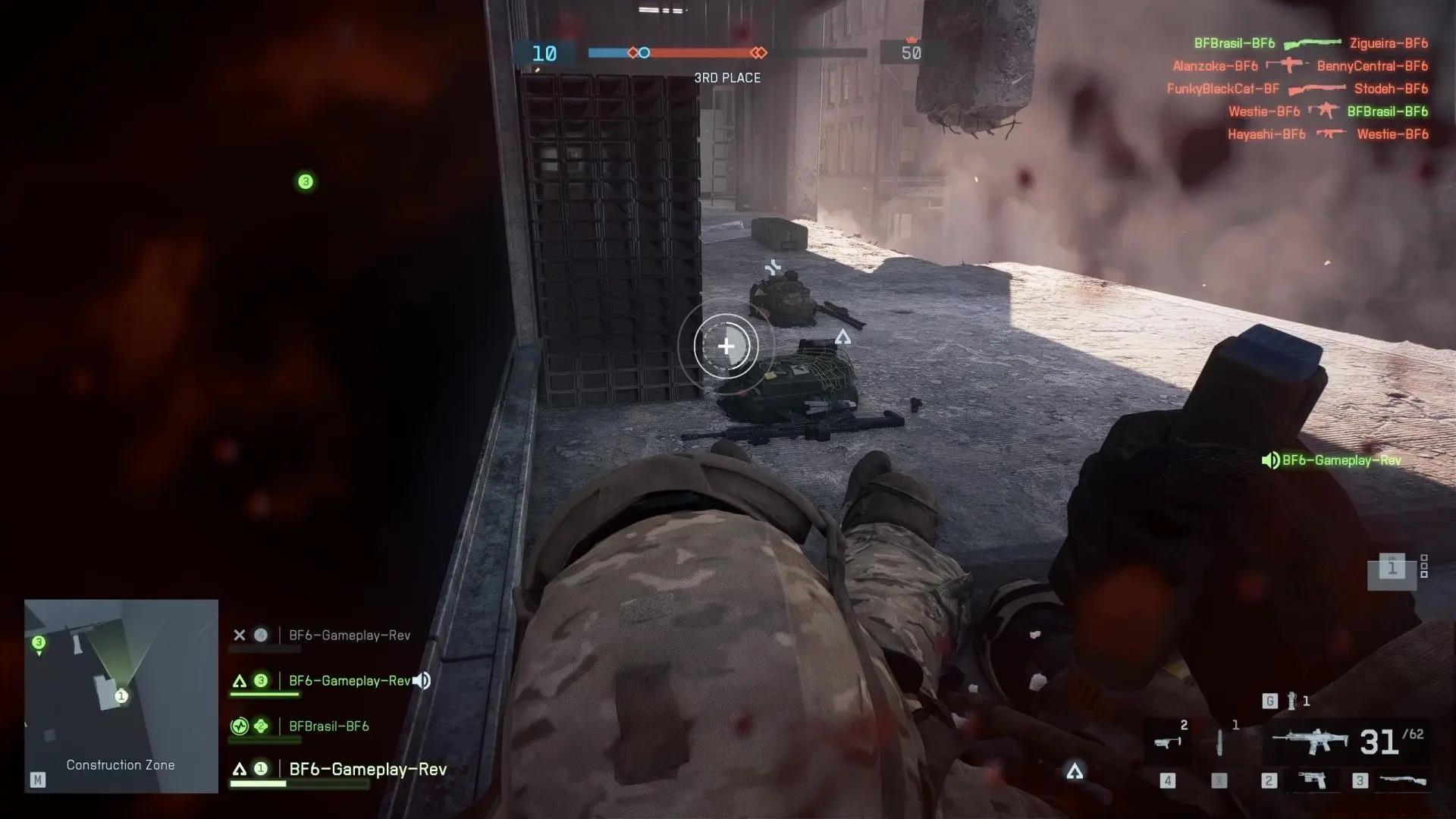
Battlefield 6 incorporates several revolutionary mechanics that aren’t immediately apparent during casual gameplay. The highly anticipated drag revive mechanic represents one of the most significant additions. When performing standard revives without defibrillators, you can now pull downed teammates to safer positions during the revival process. This action generates visible blood trails that smart opponents can track, adding strategic complexity to medical operations.
Console gamers now enjoy full keyboard and mouse compatibility, providing unprecedented control customization regardless of your preferred input method.

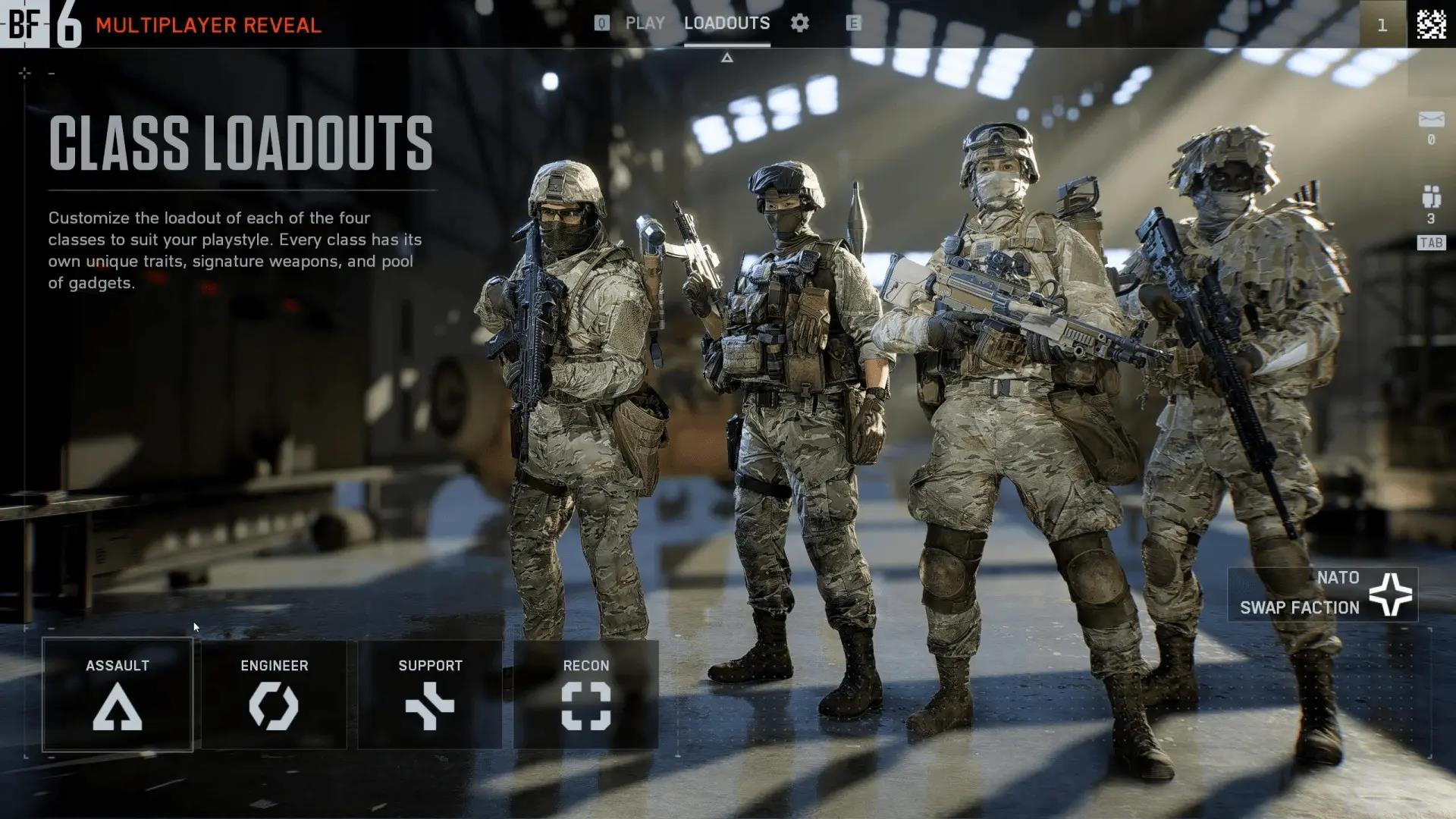
Battlefield 6 abandons the specialist framework, returning to four foundational classes while maintaining complete weapon accessibility. Every class can equip any firearm, but each receives specialized bonuses aligned with their designated weapon categories.
Here’s an in-depth analysis of the four core classes:
- Assault: Aggressive point-man class engineered for objective capture with assault rifles and dual-primary capability. The Adrenaline Injector enhances movement speed and durability while Improved ADS Mobility maintains combat effectiveness during advancement. Pro Tip: Combine adrenaline boosts with flanking routes to overwhelm defensive positions.
- Engineer: Armored vehicle specialist responsible for maintaining friendly tanks and eliminating enemy armor with rockets and explosive devices. PDW/SMG close-quarters accuracy bonuses and Explosive Damage Reduction ensure survival in vehicle-heavy engagements. Advanced Tactic: Use explosive resistance to safely plant mines near contested objectives.
- Support: Team sustainability backbone merging LMG area denial with squad-wide revival capability and defibrillator access. Unified supply containers provide both healing and ammunition to sustain offensive momentum. Strategic Note: Position supply crates behind cover near objective hotspots for continuous team resupply.
- Recon: Precision elimination and intelligence gathering role that removes high-value targets and provides team-wide situational awareness. Sniper rifle enhancements stabilize your aim, while Automated Spotting, Motion Detection, and UAV surveillance expose enemy movements. Expert Advice: Use motion sensors defensively to protect flanks during Conquest matches.
Class selection fundamentally impacts your BF6 effectiveness. The Assault class thrives in medium-range engagements but struggles against vehicles without proper squad support. Engineers dominate close-quarters vehicle areas but require careful positioning against infantry at distance. Support players dictate engagement pacing through suppression and healing, while Recon specialists control sightlines and provide critical intelligence.
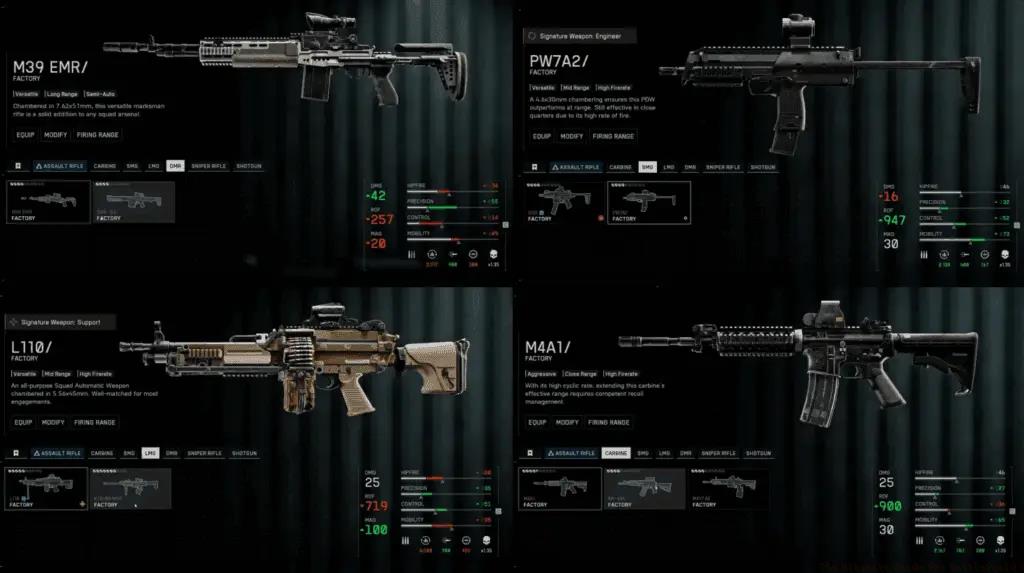
Weapon selection in Battlefield 6 requires understanding both statistical performance and class synergy. While any class can use any weapon, maximizing effectiveness means aligning firearms with class-specific bonuses.
Assault players should prioritize assault rifles with balanced rate-of-fire and controllable recoil patterns. The class’s ADS mobility bonus makes aggressive peeking and strafing exceptionally effective. Engineers benefit most from PDWs and SMGs that leverage their hip-fire accuracy advantages in close-quarters vehicle encounters.
Support specialists excel with LMGs that capitalize on suppression mechanics and sustained fire capability. Their ability to resupply means ammunition efficiency becomes less critical than pure stopping power. Recon operatives achieve peak performance with bolt-action rifles that synergize with their scope stability perks, though designated marksman rifles offer flexibility for aggressive sniping playstyles.
Attachment selection should complement both your weapon choice and intended engagement ranges. For assault rifles, medium-range optics paired with vertical grips provide the versatility needed for objective play. SMGs benefit from laser sights and extended magazines to maximize their close-quarters dominance. LMGs require bipods and extended barrels for effective area denial, while sniper rifles need high-magnification scopes and barrel attachments that minimize bullet drop.
Understanding these weapon-class synergies is crucial for completing Assignments efficiently and progressing through BF6‘s progression system. Check our Weapons Unlock Guide for detailed breakdowns of attachment combinations and unlock requirements.
Vehicle warfare in Battlefield 6 demands coordinated team play and understanding of anti-armor mechanics. The Engineer class remains essential for both vehicle maintenance and destruction, but other classes contribute significantly to armored engagements.
Effective anti-vehicle tactics require understanding weak points and ammunition types. Rocket launchers deal maximum damage to rear and side armor, while mines create area denial zones. Smart engineers combine explosive resistance with repair tools to maintain friendly vehicles under fire. Advanced Technique: Deploy mines at common vehicle routes then use rockets to finish damaged targets.
Armored vehicle operators should prioritize positioning that minimizes exposure to multiple angles. Using natural cover and terrain allows for aggressive pushes while maintaining escape routes. Communication with repair engineers becomes critical during sustained engagements—a well-maintained tank can dominate entire sectors when properly supported.
Air vehicles introduce vertical combat dynamics that require specialized countermeasures. Recon classes can designate air targets for improved tracking, while Engineers with lock-on weapons provide the primary anti-air capability. Combined arms tactics that coordinate ground and air suppression create overwhelming pressure on enemy positions.
Mastering Battlefield 6 requires going beyond basic mechanics to implement advanced tactical concepts. Movement optimization, situational awareness, and squad coordination separate elite players from the competition.
Movement techniques like slide-canceling and jump-peeking provide significant combat advantages. Sliding into cover breaks enemy aim assist while maintaining momentum, while jump-peeking around corners reveals opponents without exposing your critical hitbox. Pro Movement: Combine sliding with sudden direction changes to evade sniper fire during open-field advances.
Squad composition should balance class capabilities for maximum effectiveness. Ideal squads contain at least one Assault for offensive pressure, one Engineer for vehicle control, one Support for sustainability, and one Recon for intelligence. Role specialization within squads creates synergistic effects—Support players supplying Engineers with explosives, Recon designating targets for Assault flanks.

Map awareness extends beyond simple minimap reading. Understanding spawn points, objective flow, and common enemy routes allows for predictive positioning. In Conquest mode, controlling central flags often determines match outcomes, while flanking routes become crucial for breaking stalemates.
Communication systems in BF6 enable sophisticated coordination without voice chat. The expanded ping system allows precise marking of enemies, objectives, and tactical positions. Combining manual pings with class-specific abilities like motion sensors creates information dominance that overwhelms uncoordinated opponents.
For comprehensive strategies covering all gameplay aspects, explore our Complete Guide that delves deeper into meta strategies and advanced NATO tactics for competitive play during the Pax Armata event.
Action Checklist
- Practice drag revive mechanics in safe environments before attempting combat rescues
- Test each class with their bonus weapons to understand synergy effects
- Customize control schemes for your preferred input method (controller or KBM)
- Master slide-canceling and jump-peeking movement techniques in empty servers
- Coordinate with squad members to balance class composition before matches
No reproduction without permission:Tsp Game Club » The Ultimate Guide for Battlefield 6 Master Battlefield 6 with advanced class strategies, weapon optimization, and tactical mechanics for competitive dominance