
TL;DR
- WarGreymon and MetalGarurumon remain top-tier choices for balanced performance and elemental coverage
- Coronamon offers hidden potential with exceptional HP and hybrid damage capabilities
- Bearmon demonstrates how type classifications can amplify damage beyond raw stats
- Evolution path optimization requires careful resource planning and timing considerations
- Team synergy often outweighs individual Digimon rankings for endgame content
Navigate the complex Digital World with our comprehensive tier analysis framework designed to maximize your team’s potential. With over 400 available Digimon in Time Stranger, strategic selection becomes crucial for both story progression and competitive endgame content.
Our ranking methodology evaluates Digimon across multiple dimensions: base statistics at key level thresholds, evolution path efficiency, ability synergy, and type advantage utilization. Each tier represents a distinct power bracket with specific strategic applications.
Digimon Time Stranger Trophy and achievement tracking requires optimized team building

The elite tier represents Digimon with game-defining capabilities that excel across all content types. These partners provide consistent performance from early grinding to the most challenging endgame encounters.
The Agumon to Greymon to WarGreymon evolution chain maintains its legendary status for remarkable stat balance and devastating offensive power. Terra Force delivers massive area damage while maintaining single-target effectiveness. At level 11, his 538 attack rating establishes reliable damage output throughout your adventure, with defense stats that prevent becoming a liability in extended battles.
Gabumon’s progression to MetalGarurumon introduces exceptional DPS versatility with comprehensive elemental coverage. Cocytus Breath combines crowd control with substantial damage output, freezing opponents while dealing critical strikes. This evolution line proves particularly effective against Virus-type bosses where elemental advantages create significant combat leverage.
Coronamon represents the rookie-level powerhouse that defies conventional rankings. His Corona Flame ability blends physical and fire damage types, creating hybrid attack patterns that benefit dramatically from Acceleration Boost enhancements. At level 11, his impressive 1,670 HP pool and 391 defense provide unexpected durability while maintaining 523 attack power for aggressive playstyles.
Acquiring Coronamon requires specific evolution path manipulation: devolve Patamon to Poyomon, then progress through Pokomon to unlock this hidden gem. This unconventional route often surprises players who overlook devolution mechanics.
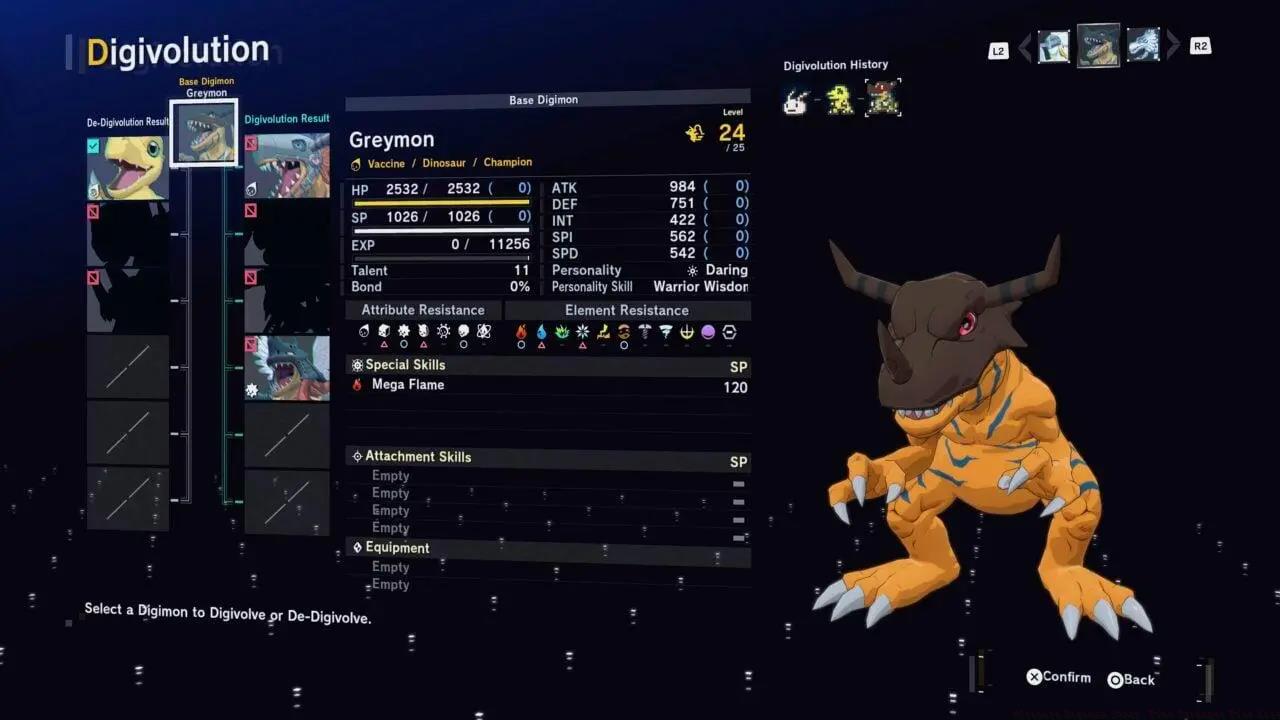
This category features Digimon with outstanding capabilities that fall just short of top-tier status due to specific limitations or situational dependencies. These partners deliver excellent performance in their optimal conditions.
Bearmon demonstrates how type classification can transcend raw statistical measurements. Despite displaying lower attack statistics (493 at level 11), his Barefist ability consistently outperforms expectations. The Beast-type designation appears to amplify physical damage calculations beyond what numerical values suggest. Combined with 317 defense, he maintains respectable durability while delivering unexpected punishment.
Many players make the mistake of overlooking A-tier Digimon due to superficial stat comparisons. The reality is that proper ability sequencing and type matching often elevate these performers to near-S-tier effectiveness in specific team compositions.
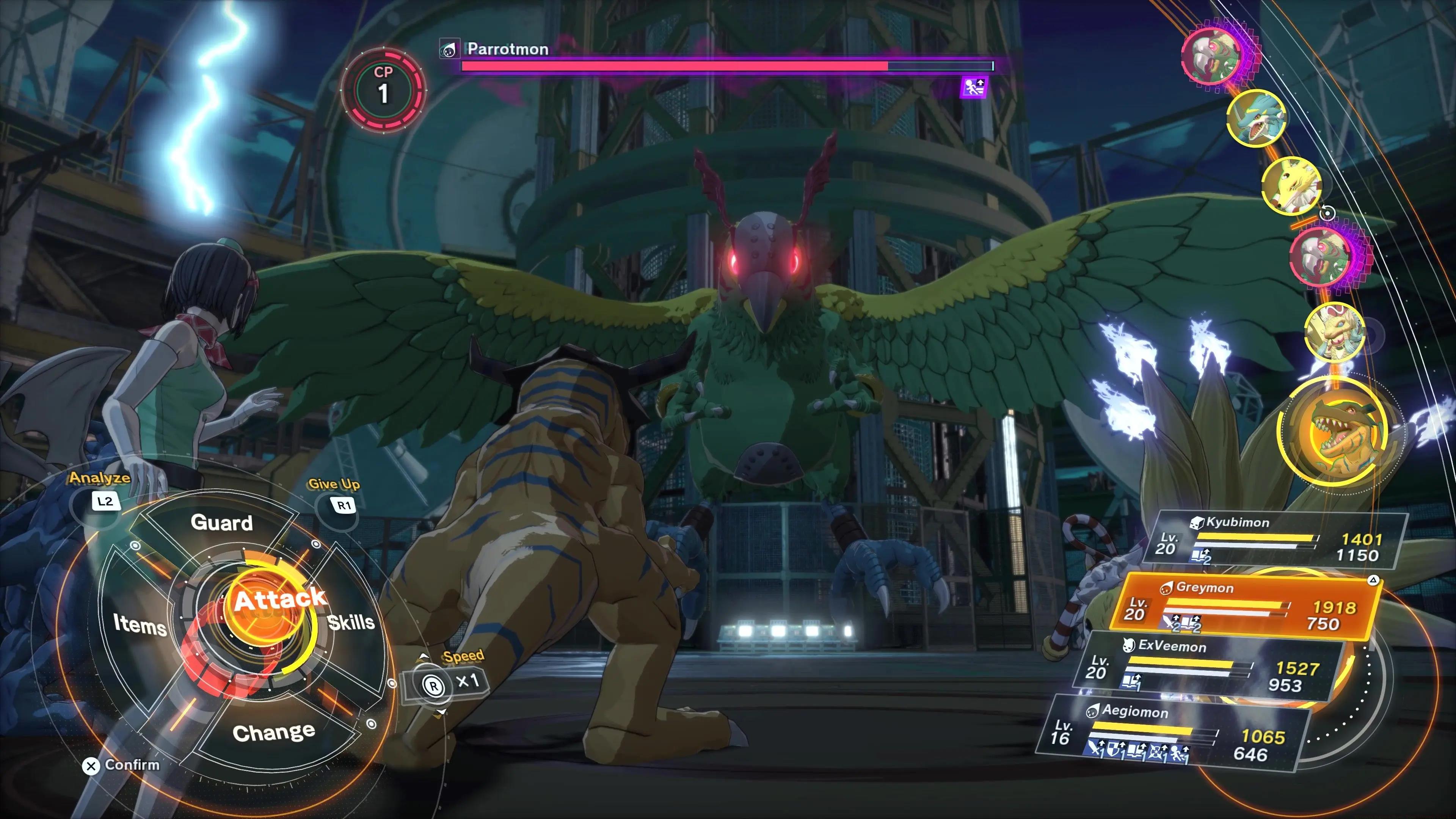
Strategic evolution planning separates average trainers from Digital masters. Optimal path selection requires understanding stat growth patterns, ability acquisition timing, and resource investment returns.
Early game evolution decisions should prioritize versatility and stat distributions that accommodate multiple playstyles. Mid-game transitions benefit from specialized evolution paths that counter specific challenge types. Endgame optimization demands meticulous planning around ability synergies and type coverage gaps.
Resource management becomes critical when pursuing rare evolution lines. The Weapons Unlock guide provides complementary strategies for equipment optimization that enhances evolution outcomes.
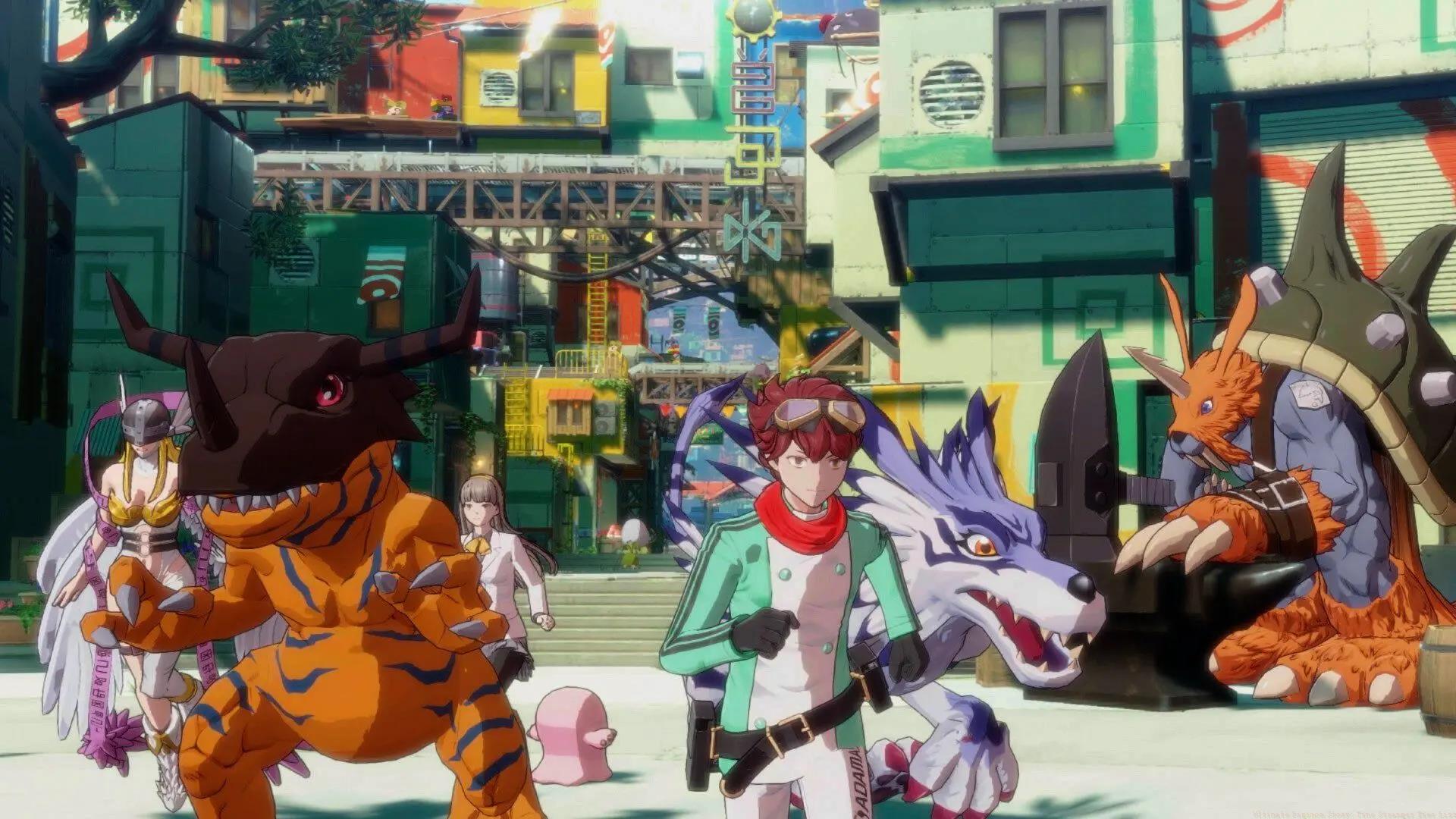
Building synergistic teams requires more than stacking high-tier Digimon. Effective compositions balance damage types, defensive capabilities, and support functions across your digital partners.
Role distribution should address frontline durability, mid-line control, and backline damage specialization. Type coverage should anticipate common opponent compositions while maintaining flexibility for unexpected encounters. The Class Guide offers parallel principles for role assignment that translate well to Digimon team building.
Advanced players should develop counter-compositions for specific endgame challenges. Sometimes sacrificing individual power for team synergy creates more effective overall performance. Consult our Complete Guide for comprehensive strategic frameworks applicable to team optimization.
Action Checklist
- Prioritize WarGreymon evolution line for balanced early-game progression
- Experiment with Coronamon’s hybrid damage mechanics against varied opponent types
- Test Bearmon’s type-amplified damage in controlled battle scenarios
- Develop three specialized team compositions for different endgame content types
- Master evolution path optimization using resource efficiency calculations
No reproduction without permission:Tsp Game Club » Ultimate Digimon Story: Time Stranger Tier List Master Digimon Time Stranger with comprehensive tier rankings, evolution strategies, and team-building tactics