
TL;DR
- Choose Gomamon as starter for superior early-game survivability and type advantage against common Virus bosses
- Maintain balanced type coverage with at least one Vaccine, Data, and Virus Digimon in your core team
- Focus on role specialization with clear tank, damage dealer, and support assignments for optimal synergy
- Plan evolution paths strategically to avoid stat gaps and maintain team balance during transitions
- Build flexible endgame teams capable of adapting to multiple combat scenarios and boss mechanics
Crafting an unbeatable Digimon squad begins with your initial partner selection, a decision that profoundly impacts your entire gameplay journey from the opening moments through mid-game challenges.
Building exceptional teams in Digimon Story: Time Stranger demands more than personal preference—it requires calculated decisions about typing, combat roles, and synergistic partnerships. Through methodical planning around these core elements, you can assemble squads that dominate even the most demanding encounters. Whether selecting your first companion or optimizing your final roster, mastering team composition transforms your adventure from struggle to consistent victory.
Your inaugural Digimon partner dictates your early-game trajectory, making this choice significantly more impactful than many players anticipate. Each starter provides distinct benefits that cascade through your initial gameplay hours, influencing everything from boss fight viability to resource management efficiency.
Gomamon stands as the optimal selection for newcomers and veterans alike. Boasting exceptional HP and DEF statistics, this Vaccine-type naturally absorbs punishment while delivering type superiority against the abundant Virus bosses encountered early. Its resilient nature ensures extended survival in challenging battles, providing crucial learning opportunities to master combat mechanics without constant game over screens.
Digimon Story: Time Stranger Gets New …
Patamon delivers the highest INT stat among starting options, positioning it as a formidable magical damage source. Unfortunately, its Data attribute creates vulnerability against those same Virus bosses, generating frustrating scenarios when consistent damage output becomes most critical.
DemiDevimon may appear tempting with its area-effect Demi Darts technique, but this selection frequently disappoints. Numerous early bosses resist its assaults due to unfavorable type matchups, and you can easily recruit this creature later via the Kuramon → Pagumon → DemiDevimon evolution sequence.
Remember that all starting Digimon become accessible later through evolution chains or wild encounters, so emphasize early-game performance over sentimental attachment.
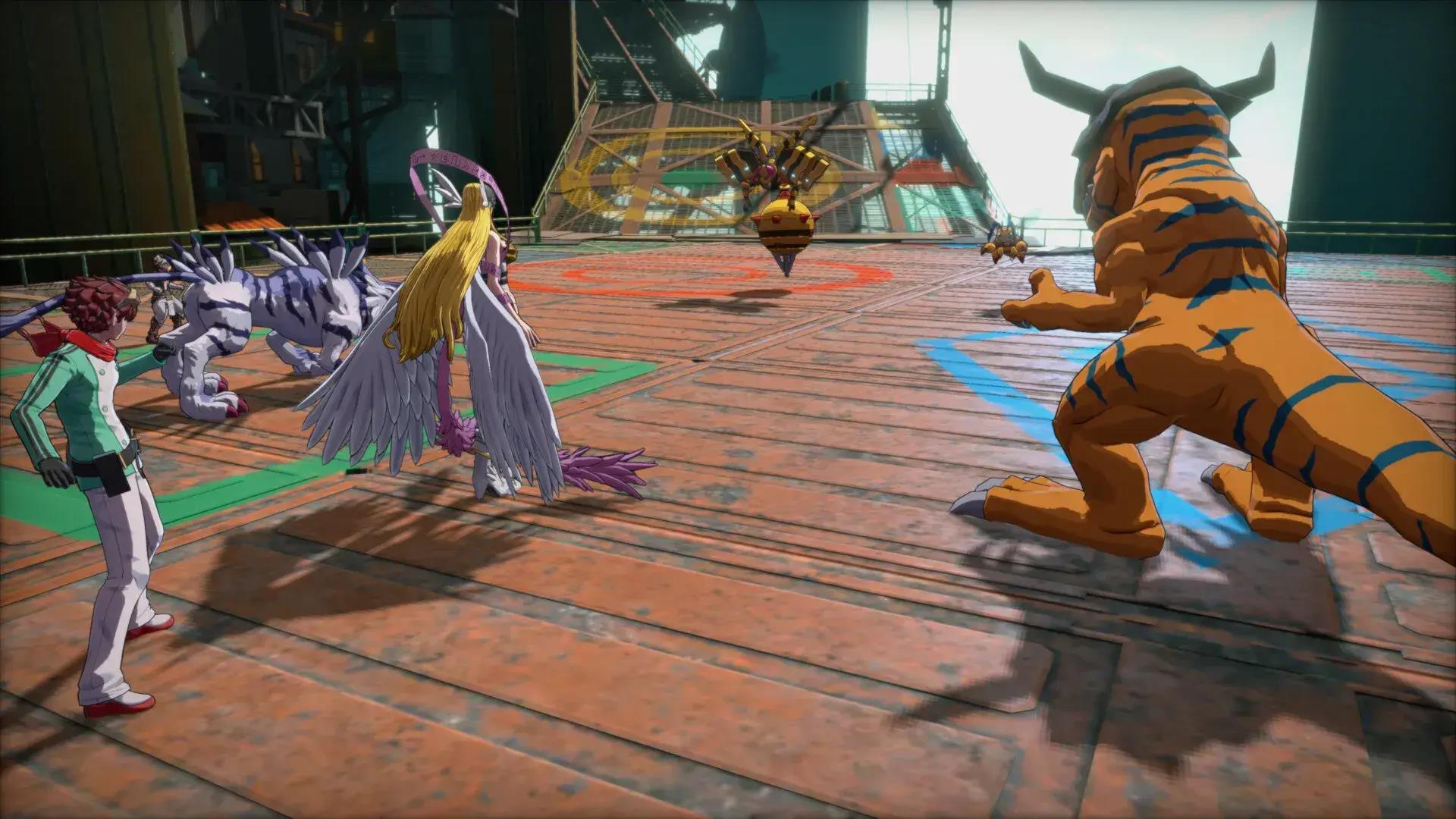
The Vaccine, Data, and Virus trinity constitutes the foundation of strategic team construction. Unlike elementary rock-paper-scissors systems, this framework rewards trainers who cultivate varied squads equipped to handle diverse threats.
Savvy team architects consistently incorporate minimum one representative from each category. This guarantees you never face complete vulnerability against specific enemy configurations, maintaining offensive and defensive options regardless of opposition composition.
Understanding type effectiveness extends beyond basic advantage/disadvantage relationships. Vaccine types typically excel against Virus opponents but struggle against Data types, creating strategic depth in team assembly. The key lies in predicting enemy team compositions and preparing appropriate counters rather than simply maximizing damage output.
Advanced players should note that some Digimon possess dual-typing or special attributes that modify standard type interactions. These exceptions require careful study but can provide significant tactical advantages when properly utilized within your team structure.
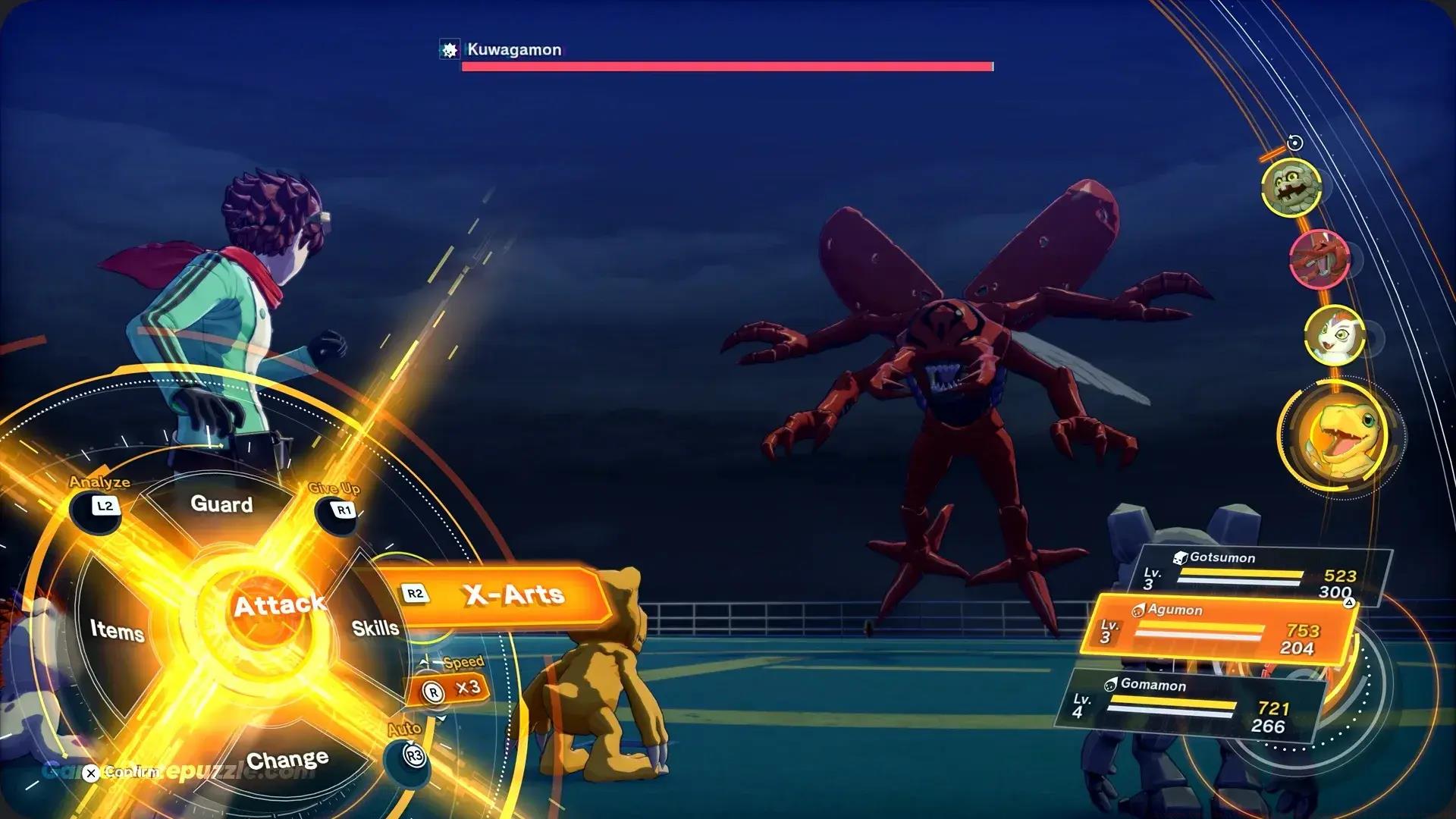
Establishing a solid three-Digimon foundation requires careful attention to role distribution, stat compatibility, and evolutionary potential. Your core team should function as a cohesive unit where each member complements the others’ strengths and covers their weaknesses.
Role specialization forms the backbone of effective team building. Designate clear responsibilities: tanks for damage absorption, damage dealers for offensive pressure, and support units for healing and buffs. Avoid hybrid roles early game when stat distributions may not support multiple functions effectively.
Stat synergy represents another critical consideration. Pair high-DEF tanks with high-ATK damage dealers, or combine high-INT mages with speed-focused supports. Understanding stat growth patterns across evolution paths prevents unexpected performance drops during critical progression phases.
Early game team construction should prioritize survivability and type coverage over specialized strategies. As you progress, you can refine your team to exploit specific enemy weaknesses or implement advanced tactical approaches. The flexibility to adapt your core composition based on upcoming challenges separates competent trainers from exceptional ones.
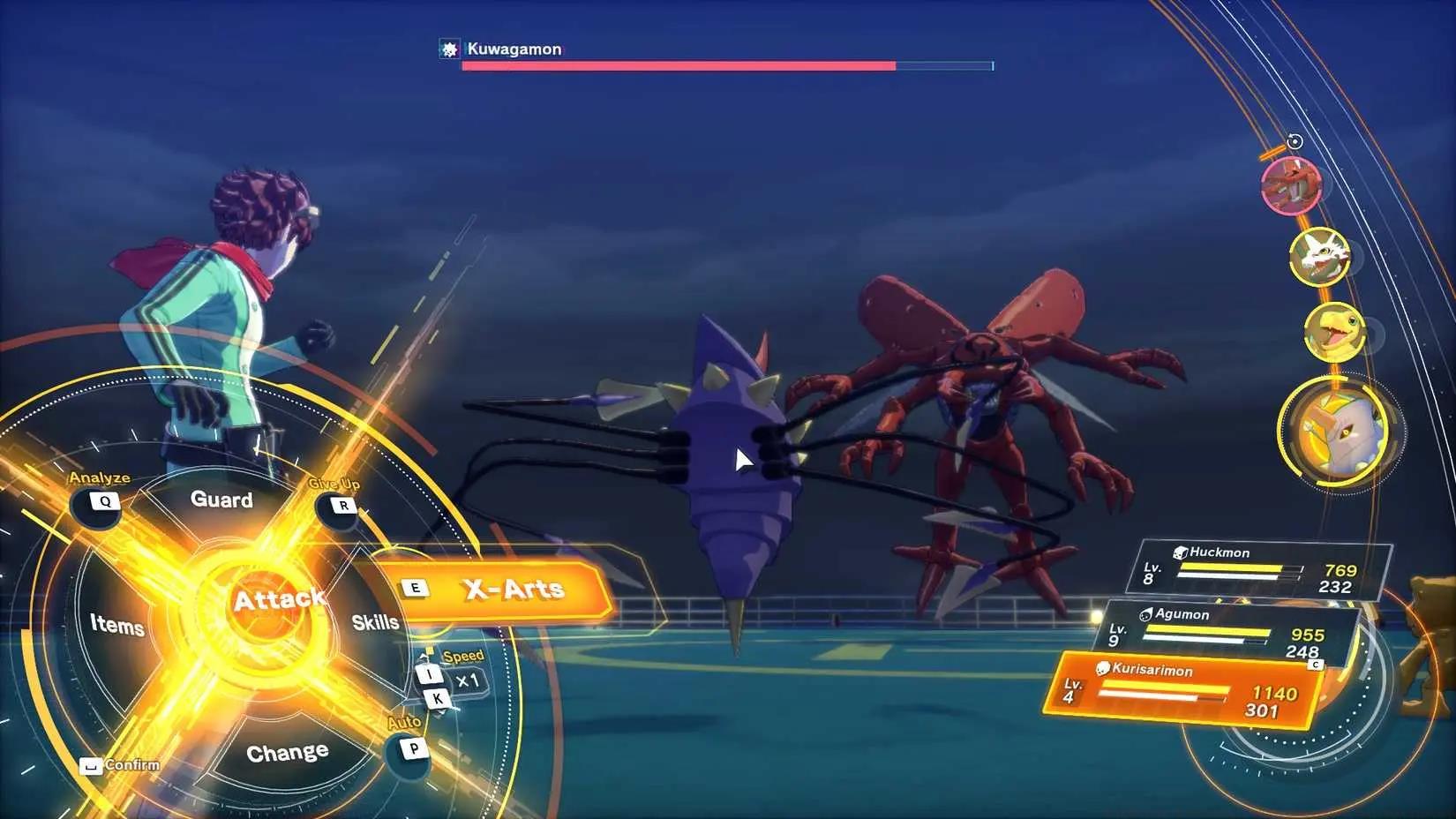
Moving beyond basic team building requires mastering ability combinations, support integration, and counter-strategy development. Advanced synergy transforms individual Digimon into coordinated units that outperform their separate capabilities.
Ability combination strategies involve sequencing attacks to maximize damage or control battle flow. For example, following a defense-debuffing ability with high-damage attacks significantly increases overall effectiveness. Similarly, timing healing abilities to counteract predictable enemy assault patterns preserves resources and maintains combat momentum.
Support role integration extends beyond simple healing. Effective support Digimon provide stat buffs, status effect removal, and battlefield control through abilities that manipulate turn order or limit enemy options. The most successful teams feature support units that actively enable their damage dealers rather than passively reacting to damage taken.
Counter-team building involves analyzing common enemy compositions and developing specialized responses. This advanced technique requires maintaining backup Digimon specifically trained to handle challenging matchups, allowing quick adaptation when facing particularly difficult bosses or enemy team configurations.
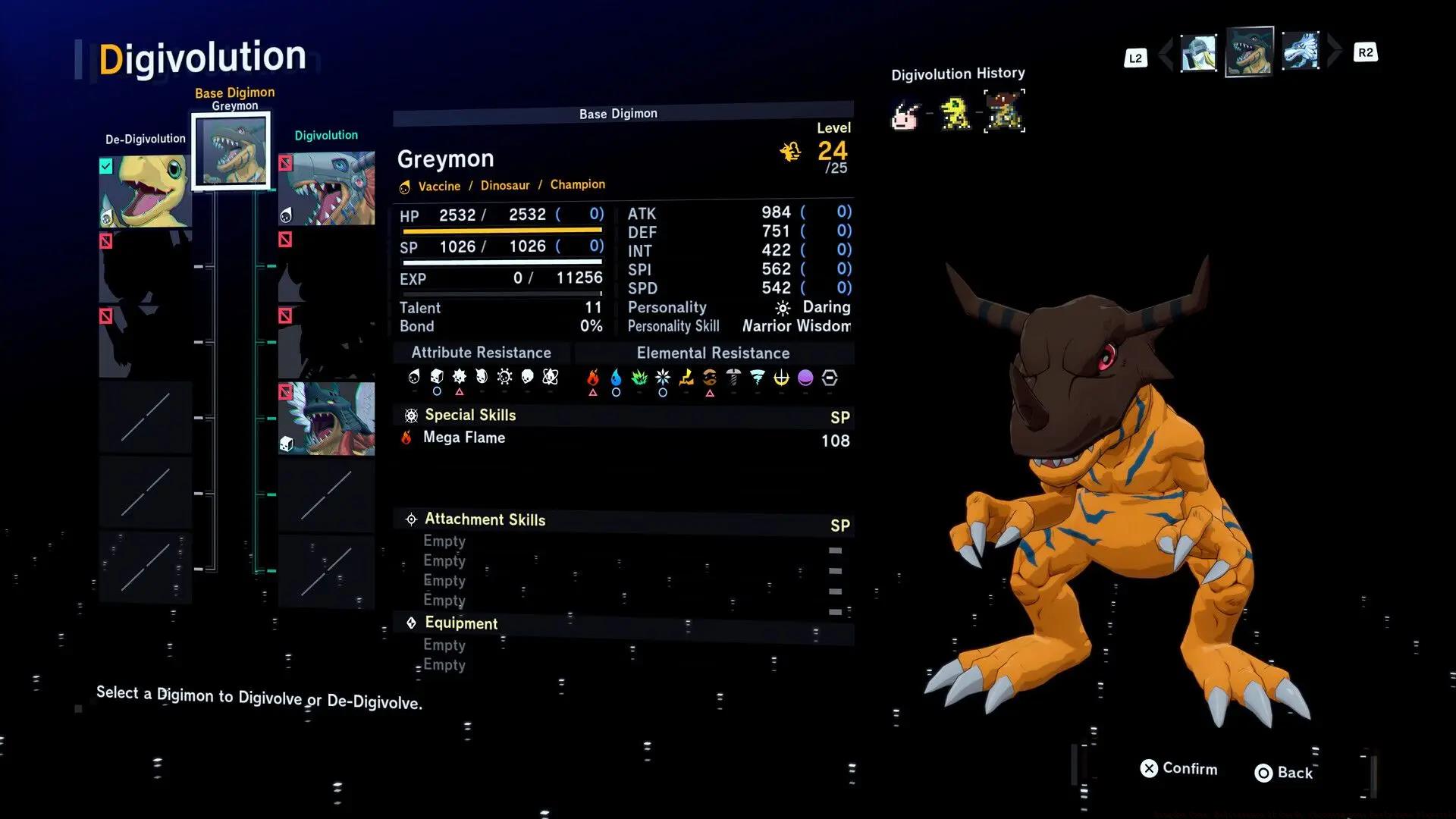
Strategic recruitment timing and evolution planning significantly impact team development efficiency. Understanding when to recruit specific Digimon and when to trigger evolution sequences prevents stat gaps and maintains competitive performance throughout your journey.
Optimal recruitment windows vary by Digimon species and availability. Some creatures appear only during specific story segments or under particular conditions, requiring advance planning to ensure timely acquisition. Monitoring recruitment guides for your desired team members prevents missed opportunities that could delay team completion.
Evolution path planning involves more than simply reaching the next stage. Consider stat distributions at target evolution levels, required resources for evolution, and compatibility with your current team composition. Rushing evolution without proper preparation can create temporary weaknesses that compromise battle effectiveness.
Resource management for evolution materials demands foresight and occasional grinding. Balance time invested in material acquisition against progression pace, ensuring you maintain appropriate power levels without excessive farming that disrupts gameplay enjoyment.

Avoiding frequent team construction errors separates successful trainers from frustrated ones. Recognizing these common mistakes early prevents wasted resources and gameplay stagnation.
Type imbalance represents the most prevalent team building error. Over-reliance on a single type creates vulnerability against specific enemies and limits strategic options. Ensure your core team maintains type diversity even when specializing for particular challenges.
Stat distribution errors occur when trainers prioritize favorite Digimon over statistically appropriate choices. While personal preference matters, ignoring fundamental stat requirements for specific roles leads to underperforming teams that struggle against appropriately balanced opponents.
Evolution timing mistakes include both rushing evolution without adequate preparation and delaying evolution unnecessarily. Both approaches create suboptimal performance periods where your team fails to meet challenge requirements. Follow evolution guides and plan transitions during relatively safe gameplay segments.
Additional common errors include neglecting support roles, underestimating speed statistics, and failing to adapt team composition to evolving gameplay requirements. Regular team assessment and adjustment prevents these issues from compromising your progression.
Endgame content demands refined team compositions capable of handling diverse challenge types and maximized statistical performance. Preparing for post-game content requires advanced planning and strategic foresight.
Mega Evolution planning should begin during mid-game development. Identify target Mega forms early, understanding their stat distributions, ability sets, and type advantages. This forward-looking approach ensures smooth transitions to maximum evolution stages without performance degradation.
Post-game content preparation involves building teams with specific boss mechanics and challenge requirements in mind. Unlike main story content, post-game challenges often feature specialized mechanics that demand tailored responses and flexible team adjustments.
Team flexibility becomes increasingly important in endgame scenarios. Maintaining backup Digimon for specific situations and developing multiple team compositions prevents stagnation when facing varied post-game content. The ability to quickly adapt your approach based on challenge requirements significantly enhances completion rates.
Advanced stat optimization through training, equipment, and ability selection separates competent endgame teams from exceptional ones. Meticulous attention to detail in stat development ensures your team performs at maximum potential against the game’s toughest challenges.
Action Checklist
- Select Gomamon as starter for early-game survivability and type advantage
- Build balanced core team with one Vaccine, Data, and Virus type Digimon
- Assign clear combat roles (tank, damage, support) to each team member
- Plan evolution paths to maintain team balance and prevent stat gaps
- Develop counter-teams for specific boss fights and challenging encounters
No reproduction without permission:Tsp Game Club » Digimon Story Time Stranger Best Team Compositions Ranked Master Digimon team building with strategic starter selection, type synergy, and advanced composition tactics for dominating battles