
Understanding Castle’s temporary removal in Rainbow Six Siege X Operation Daybreak and adapting your defensive strategies
The Castle Situation Explained
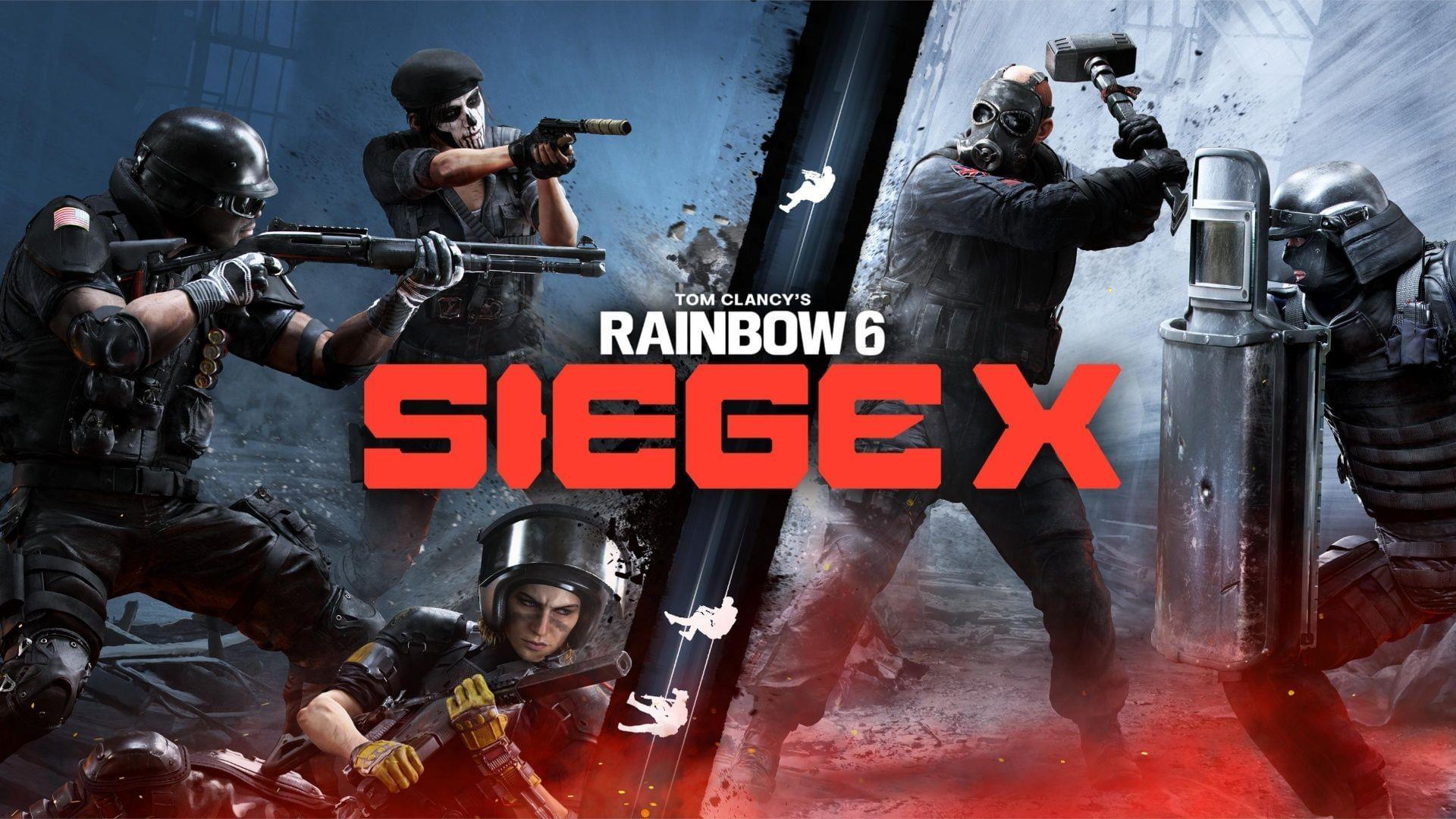
Ubisoft’s development team has made the decisive move to temporarily remove Castle from Rainbow Six Siege X Operation Daybreak across all competitive playlists. This unexpected action caught the community off guard, particularly since Castle has maintained consistent performance parameters for nearly four years without significant alterations. As a foundational FBI SWAT defensive operator, Castle provides essential tactical utility through his unique armor panel gadget system, which strategically blocks access points and sightlines in crucial defensive positions.
While the developers prioritize maintaining competitive fairness by withholding specific exploit replication details, the severity of this glitch cannot be understated. The vulnerability actively targets player accounts and effectively prevents continued participation in matches once triggered, creating fundamentally broken gameplay experiences that compromise match integrity.
After receiving substantial player reports detailing the exploit’s effects, Rainbow Six Siege X’s official communication channels confirmed the temporary removal strategy. Castle remains deactivated throughout Operation Daybreak’s ecosystem until engineering teams implement a comprehensive solution that eliminates the exploit entirely.
Understanding Castle’s Role in Defense
Castle’s tactical significance extends far beyond basic area denial. His armor panels create dynamic defensive setups that force attackers to expend valuable utility or reveal their positions through alternative entry methods. The strategic depth he provides makes him particularly valuable on specific map configurations where bottleneck control determines round outcomes.
For players accustomed to building strategies around Castle’s unique capabilities, his temporary absence necessitates immediate adaptation. Consider integrating alternative operators like Aruni for similar area denial functionality, though her Surya Gate system operates differently than Castle’s reinforced panels. Alternatively, deploy operators with deployable shields or other obstruction tools to partially replicate Castle’s zoning capabilities.
Advanced players should note that Castle excels particularly on maps with narrow choke points and limited entry vectors. Locations like Oregon’s basement defense or Clubhouse’s cash room become significantly more challenging to secure without his panel system. Understanding these map-specific vulnerabilities helps prioritize which defensive setups require the most adjustment during Castle’s unavailability.
Historical Precedents and Developer Approach
The practice of temporarily removing problematic operators has precedent in Rainbow Six Siege’s development history. Clash frequently faced similar temporary removals due to persistent issues with her CCE shield mechanics, which created multiple game-breaking scenarios and proved exceptionally challenging to resolve through standard patches. However, Castle’s current situation impacts a broader segment of the player base, given his substantially higher selection rate across competitive and casual playlists compared to the shielded defender.
Based on historical fix timelines for similar operator-specific exploits, players can reasonably expect a resolution within one to two weeks, though complex issues sometimes require extended development cycles. The engineering team’s transparent communication about working actively on the solution suggests prioritized attention, but the complexity of game-breaking exploits often demands comprehensive testing before reintegration.
Community response has been mixed, with competitive players appreciating the swift action to maintain competitive integrity while casual players express frustration at losing a favored operator. This dichotomy highlights the balancing act developers face when addressing critical gameplay issues affecting different segments of their player base.
Adapting Your Gameplay Without Castle
Immediately adjust your defensive strategies by focusing on operator flexibility and utility conservation. Without Castle’s panels, you’ll need to use alternative methods for area denial, such as strategically placed barbed wire, proximity alarms, or Lesion’s Gu mines to control spaces that would typically be secured with armor panels.
Common mistakes during this adjustment period include overextending defensive positions to compensate for lost area control and failing to communicate strategy changes with your team. Ensure your squad discusses revised defensive setups during the preparation phase and assigns specific roles to cover Castle’s previous responsibilities.
For advanced optimization, practice setting up crossfire positions that cover typical breach points Castle would normally secure. Combine operator abilities creatively – for example, using Mute’s signal jammers alongside deployable shields can create fortified positions that approximate Castle’s utility. Additionally, focus on improving your gunskill and positioning to win engagements rather than relying solely on utility-based area denial.
The development team continues working diligently to implement a permanent solution that addresses the exploit while restoring Castle’s full functionality. Once he returns, players should expect potential balancing adjustments alongside the exploit fix, as developers often take these opportunities to refine operator performance metrics.
For more news on Rainbow Six Siege X, follow Sportskeeda:
No reproduction without permission:Tsp Game Club » Why was Castle temporarily deactivated in Rainbow Six Siege X Operation Daybreak? Understanding Castle's temporary removal in Rainbow Six Siege X Operation Daybreak and adapting your defensive strategies