
Wuchang: Fallen Feathers offers classic Soulslike challenge with Chinese cultural depth, though performance issues need addressing
Introduction: A Bold Soulslike Entry
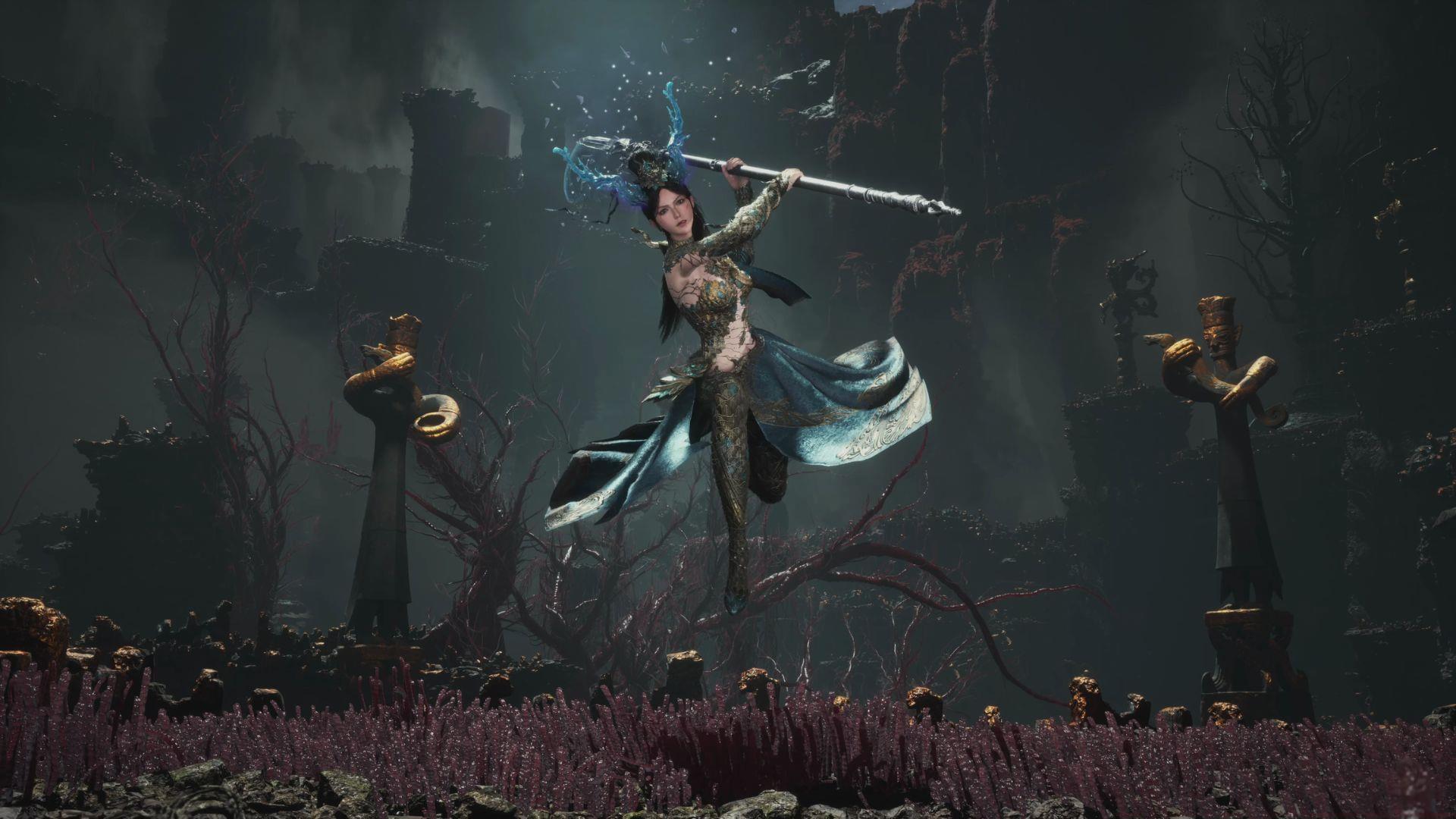
Leenzee Studios makes its mainstream gaming debut with Wuchang: Fallen Feathers, entering the competitive Soulslike arena where many have tried to replicate FromSoftware’s signature formula. The genre continues expanding with standout titles like The First Berserker Khazan and Lies of P setting high standards, though numerous mediocre attempts have also flooded the market.
Wuchang: Fallen Feathers deliberately channels the foundational design principles of early FromSoftware games rather than following contemporary Soulslikes. Game director Xia Siyuan emphasized in our exclusive discussion that the development team specifically studied Dark Souls 1’s philosophy, creating an experience that prioritizes methodical exploration over convenience.
Gameplay Design Philosophy
The checkpoint system in Wuchang: Fallen Feathers immediately establishes its old-school credentials. Unlike modern Soulslikes that provide frequent safety nets, Leenzee intentionally spaces checkpoints far apart, particularly in optional areas. This design choice creates constant tension during exploration, forcing players to carefully manage healing resources and remain vigilant against unexpected threats.
Strategic shortcuts become essential navigation tools. Rather than abundant checkpoints, the game features interconnected pathways and doors that unlock faster return routes to previously cleared areas after death. While this level design approach may initially feel punishing, it rewards spatial awareness and careful route planning.
Combat Mechanics Deep Dive:
Wuchang: Fallen Feathers features sophisticated combat built around weapon techniques and disciplines. Each weapon possesses two distinct skills: a default technique and an interchangeable discipline that works across weapon classes. These form the foundation of melee combat, enabling both defensive counters and aggressive attack combinations.
Skyborn Might serves as the primary resource management system. This mana-like energy accumulates through combat actions like perfectly timed dodges and successful strikes. Expenditure of Skyborn Might amplifies technique effectiveness, creating strategic decisions about when to conserve versus when to unleash powered-up abilities.
Advanced Combat Strategy: Conserve Skyborn Might for challenging encounters by practicing perfect dodges against common enemies to build your resource pool before facing bosses.
The Madness mechanic introduces compelling risk-reward dynamics. Represented by Bai Wuchang’s silhouette meter, Madness accumulates through player deaths and defeating human enemies. At maximum Madness, death triggers an Inner Demon miniboss encounter. Victory restores sanity and recovers lost Red Mercury (the game’s soul currency), while defeat means permanent currency loss but sanity restoration.
Madness Optimization Tip: Intentionally building Madness before difficult areas can provide damage buffs, but always ensure you have escape routes planned for Inner Demon encounters.
Boss design demands adaptive strategies. Each major enemy requires specific build adjustments and skill respeccing to overcome effectively. This system encourages experimentation and prevents reliance on single overpowered builds throughout the entire game.
Visual and Cultural Aesthetics
Wuchang: Fallen Feathers presents breathtaking environmental diversity inspired by real Sichuan province locations. The game transitions seamlessly between snow-capped mountains, tranquil villages, ancient temples, and autumn forests, each rendered with striking visual fidelity. These biomes aren’t merely decorative but incorporate gameplay elements specific to their themes.
Cultural authenticity extends beyond scenery. Leenzee drew direct inspiration from landmarks like the Leshan Giant Buddha and Sichuan opera traditions, integrating these elements organically into both environment design and narrative themes. This cultural representation distinguishes the game within a genre typically dominated by Western medieval or post-apocalyptic aesthetics.
Common Design Mistake to Avoid: Don’t rush through environments—many cultural details and hidden pathways require careful observation to discover.
Character design reflects deep folklore influences. Protagonist Bai Wuchang embodies the femme fatale archetype with combat proficiency matching her striking appearance. Enemy variety includes mutated creatures afflicted by the feathering curse and determined warriors battling these threats daily.
The soundtrack masterfully blends traditional Chinese instrumentation with atmospheric compositions. Serene melodies accompany forest exploration while ominous tones permeate underground areas, with each boss featuring customized musical themes that enhance encounter intensity.
Technical Performance Analysis
Performance issues represent the most significant drawback in Wuchang: Fallen Feathers. AMD graphics card users, particularly mid-range models, experience substantial frame rate problems regardless of settings adjustments. Even systems exceeding recommended specifications struggle to maintain consistent 60 FPS at 720p with lowest settings.
Performance Optimization Strategy: If using AMD hardware, prioritize driver updates and consider temporary resolution scaling until patches arrive.
The Unreal Engine 5 implementation raises optimization concerns. While the engine enables stunning visual presentation, the performance cost appears disproportionate to visual improvements. Comparisons to well-optimized UE4 titles like Stellar Blade highlight potential optimization shortcomings.
NVIDIA users report fewer issues, though some RTX 4060 and 4070 owners still encounter performance inconsistencies. This suggests broader optimization challenges beyond specific hardware architecture problems.
Visual bugs and clipping issues exist but remain minor compared to performance concerns. These are likely addressable through post-launch patches, unlike the fundamental performance optimization requiring more substantial development work.
The balancing between visual fidelity and performance accessibility needs improvement. Some boss encounters suffer from excessive enemy mobility that compounds performance issues, creating frustrating difficulty spikes beyond intended challenge levels.
Final Assessment
Wuchang: Fallen Feathers demonstrates impressive ambition from newcomer Leenzee Studios. The game successfully captures classic Soulslike tension while introducing meaningful innovations through its Madness system and cultural setting. When performance cooperates, the combat delivers satisfying depth and the environments provide immersive exploration.
Post-launch support will determine long-term success. The promised Photo Mode and potential performance patches could elevate the experience significantly. Current technical issues prevent full recommendation at launch for affected hardware configurations.
Advanced Player Tip: Master the Madness mechanic early—learning to manage the Inner Demon encounters transforms this system from liability to strategic advantage.
Despite performance drawbacks, Wuchang: Fallen Feathers stands as a memorable Soulslike entry that revitalizes genre conventions through Chinese cultural lens. The compelling blend of dark folklore and challenging combat creates distinctive identity within a crowded market.
Reviewed on: PC (Key provided by 505 Games)
Platforms: PC, Xbox Series X/S, and PS5
Release Date: July 24, 2025
No reproduction without permission:Tsp Game Club » Wuchang: Fallen Feathers review – A Soulslike masterpiece with Eastern elegance Wuchang: Fallen Feathers offers classic Soulslike challenge with Chinese cultural depth, though performance issues need addressing