
Master Monster Train 2 combat mechanics, deck strategies, and resource optimization for consistent victory
Understanding Core Combat Mechanics
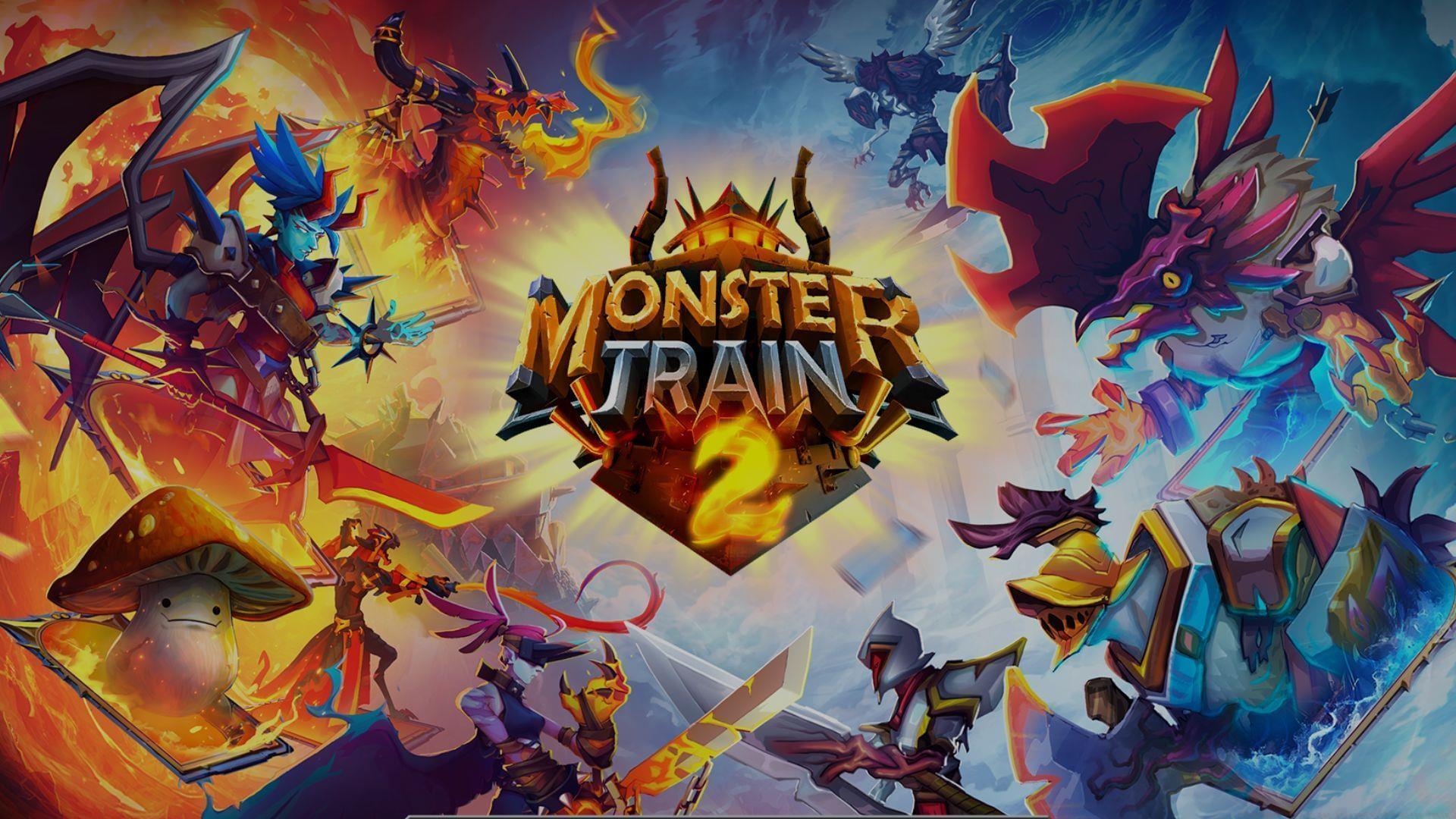
Monster Train 2 delivers an engaging deckbuilding experience with extensive card unlockables and compelling progression systems that create addictive gameplay sessions. New players often struggle initially due to the game’s intricate mechanical systems and strategic depth that demands careful planning.
Success requires thorough comprehension of all ability keywords and their synergistic potential across your card collection. Understanding these interactions forms the foundation of effective deck construction.
Also read: Is Monster Train 2 available on Nintendo Switch?
Battles unfold across multiple vertical train compartments where surviving enemy units advance upward one level per turn. Monitor your units’ survival status carefully—those facing elimination display a distinctive red cross indicator. This visual cue helps you anticipate and prepare for advancing threats.
Strategic unit placement involves positioning durable frontline units to absorb damage while protecting valuable backline attackers. This formation ensures your damage-dealing units survive longer to deliver multiple attacks. Consider unit health, damage output, and special abilities when arranging your defensive lines.
Spell cards provide direct damage capabilities that can eliminate weaker enemies before they attack. Early-game cards like Firestarter prove exceptionally valuable by efficiently removing one or two health enemies, preserving your unit health for tougher encounters. Spell efficiency increases dramatically when targeting specific enemy types that threaten your formation.
Position manipulation cards such as Just Cause enable tactical repositioning of your frontline and backline units. This flexibility allows you to protect valuable units with powerful passive abilities by moving them out of immediate danger when their health becomes critical.
Advanced Enhancement Selection
During each run, you’ll encounter three primary enhancement paths: Hell’s Flame, Limbo’s Solace, and Heaven’s Light. Each provides significant buffs that dramatically impact your strategic options. Early route selection should prioritize paths containing these powerful enhancements.
Among these options, Heaven’s Light delivers the most substantial early-game advantages by expanding your available train space. This additional capacity enables more flexible unit placement and stronger defensive formations. The extra space proves particularly valuable when combined with units that benefit from specific positioning requirements.
Common Enhancement Mistake: Many beginners randomly select enhancements without considering their deck composition. Hell’s Flame benefits aggressive burn strategies but provides little value to defensive decks. Similarly, Limbo’s Solace excels with healing-focused builds but offers minimal advantages to rush strategies. Always match enhancement choices to your current deck’s strengths and weaknesses.
Advanced Tip: Experienced players often combine Heaven’s Light with multi-unit strategies that capitalize on the extra space. Consider pairing this enhancement with units that gain bonuses from adjacent allies or those that trigger effects when multiple units are present on the same floor.
Champion Card Mastery
Champion cards serve as the cornerstone of your deck in Monster Train 2, featuring powerful abilities that create synergistic combinations with other units. Since these cards typically represent your most potent assets, strategically acquire supporting cards during runs that amplify your Champion’s strengths.
Prioritize upgrading your Champion cards above all others, as they provide the highest value return on investment. Their enhanced capabilities often determine successful run outcomes, especially during challenging boss encounters where their unique abilities can turn the tide of battle.
Synergy Building Strategy: Identify your Champion’s primary function—whether damage dealing, tanking, or support—and build your deck around complementing this role. For damage-focused Champions, include units that provide protective barriers or healing. For support Champions, incorporate high-damage units that benefit from their buffs.
Upgrade Priority System: Champion upgrades should receive 60-70% of your available upgrade resources, with remaining resources allocated to key supporting units. Avoid spreading upgrades too thinly across multiple cards, as focused power increases prove more effective than minor improvements across many cards.
Also read: Monster Train 2 trophy guide: Complete list of achievements and trophies
Resource Management and Progression
Strategic gold expenditure between missions is essential for card enhancement and progression in Monster Train 2. Upgrading your cards becomes increasingly necessary as enemy difficulty escalates. Investment options include improving unit armor and damage or reducing spell energy costs.
During early gameplay, concentrate resources on upgrading select key cards rather than distributing funds broadly. After establishing several powerful upgraded units, diversify your investments into spell enhancements. This prioritized approach ensures you develop a strong core team before expanding your capabilities.
Your Dragon’s Hoard level directly influences loot quality collected during each run. Higher levels yield substantially better rewards, making early collection inadvisable. Delay accessing this resource until reaching elevated levels for superior artifact acquisitions and enhanced progression items.
Advanced rewards include additional artifacts providing major enhancements and up to two powerful Pyreborn artifacts that can dramatically alter your strategic options. These high-level items often provide game-changing abilities that can carry otherwise challenging runs.
Gold Management Mistake: New players frequently spend gold immediately as it becomes available. Instead, save between 100-150 gold before visiting merchants, ensuring you can afford the most valuable upgrades when they appear. This disciplined approach prevents wasting gold on minor improvements when superior options might appear later.
Advanced Hoard Strategy: Seasoned players typically delay Dragon’s Hoard collection until reaching levels 4-5, where artifact quality increases significantly. The patience required for this strategy pays substantial dividends in late-game power spikes that smooth progression through more difficult encounters.
For more gaming news and guides, stay tuned to Sportskeeda.
No reproduction without permission:Tsp Game Club » 7 beginner tips to get started with Monster Train 2 Master Monster Train 2 combat mechanics, deck strategies, and resource optimization for consistent victory