
Master Death Stranding 2 difficulty settings with expert tips for optimal gameplay experience
Understanding Difficulty Settings
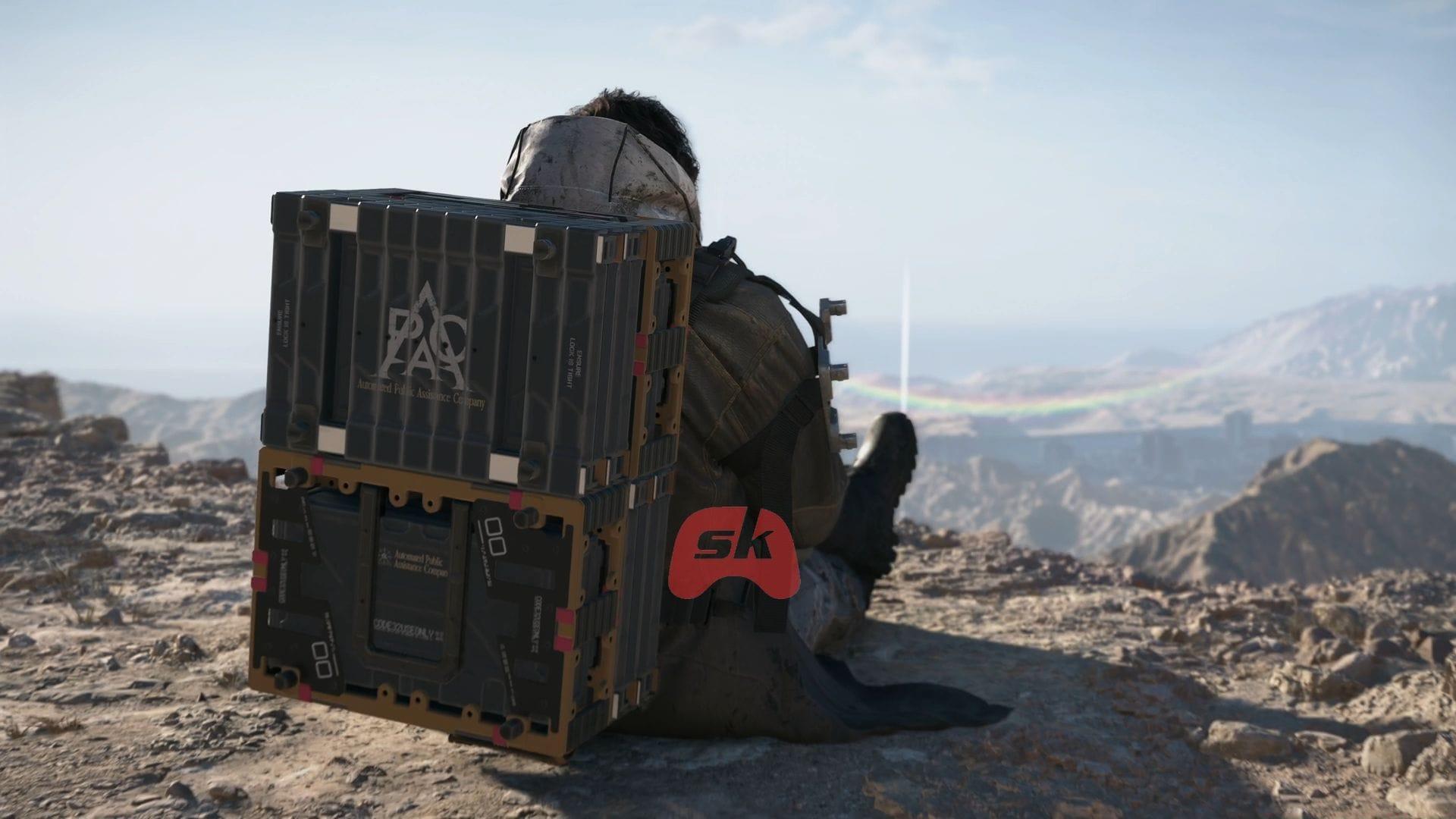
Death Stranding 2’s difficulty selection fundamentally transforms your entire journey through its haunting landscapes. Rather than merely adjusting enemy damage numbers, each setting recalibrates multiple interconnected systems including cargo durability, environmental resistance, hostile AI behavior, and resource scarcity. Your choice determines whether you’ll experience a narrative-focused pilgrimage or an intense survival simulation where every kilometer traveled becomes an achievement.
The game’s sophisticated difficulty design ensures that terrain navigation, equipment maintenance, and threat avoidance all scale according to your selected challenge level. On higher difficulties, weather patterns become more treacherous, timefall accelerates equipment degradation, and enemy patrols demonstrate improved tactical awareness. This holistic approach means difficulty affects exploration pacing and strategic planning as much as direct combat encounters.
Accessing Difficulty Settings
Adjusting your challenge level is conveniently accessible during active gameplay through the Ring Terminal interface. Follow these precise navigation steps:
Pro Tip: You can hot-key the System menu for faster access during tense situations. The game permits difficulty adjustments at any time except during active cutscenes or scripted sequences, allowing you to dynamically adapt to challenging sections without restarting missions.
Story Mode – Relaxed Experience
Story Mode prioritizes narrative immersion above gameplay challenges, making it ideal for players who want to experience Kojima’s visionary storytelling without mechanical frustrations. Enemy encounters become minimal obstacles rather than serious threats, with hostile entities displaying reduced aggression and simplified attack patterns. Your equipment maintains exceptional durability, cargo rarely suffers damage from falls or environmental hazards, and resource management becomes straightforward.
This setting significantly reduces the survival mechanics that defined the first game’s identity. Timefall deterioration occurs at approximately 25% of standard rates, allowing you to traverse expansive regions without constant equipment maintenance. BT encounters remain present but pose minimal danger, functioning more as atmospheric elements than genuine threats. Perfect for players who found the original game’s systems overwhelming or those primarily interested in the philosophical narrative and world-building.
Common Mistake to Avoid: Don’t completely ignore basic survival mechanics—while simplified, proper cargo management and route planning still enhance the experience and prevent unnecessary backtracking.
Casual Mode – Balanced Approach
Casual Mode strikes an elegant balance between accessibility and engagement, introducing meaningful gameplay challenges without overwhelming new players. You’ll encounter authentic survival mechanics including cargo wear, environmental resistance, and genuine combat threats, but with adjusted parameters that allow for occasional mistakes. Enemy AI demonstrates basic tactical behavior but won’t aggressively flank or coordinate attacks like higher difficulties.
This setting serves as an excellent introduction to Death Stranding’s unique systems for players unfamiliar with the franchise. Resource management requires attention but doesn’t demand optimization, equipment degradation occurs at manageable rates, and hostile encounters provide tension without excessive punishment. The reduced fall damage and improved stability mechanics make treacherous terrain navigation more forgiving while still rewarding careful planning.
Strategic Insight: Use Casual Mode to master core mechanics like cargo stacking, balance management, and route planning before advancing to more demanding difficulties. The skills developed here translate directly to higher challenge levels.
Normal Mode – Authentic Challenge
Normal Mode delivers the definitive Death Stranding experience as intended by the developers, providing substantial challenge while remaining accessible to series veterans and action game enthusiasts. This setting demands thoughtful preparation before expeditions, strategic cargo management during travel, and tactical decision-making during encounters. Enemy AI employs flanking maneuvers, coordinated attacks, and will exploit environmental advantages.
The survival mechanics operate at full intensity—timefall rapidly degrades equipment, cargo becomes vulnerable to damage from falls and environmental hazards, and resource scarcity requires careful planning. BT encounters present genuine threats that can quickly escalate if handled improperly. This difficulty perfectly balances tension and accomplishment, making successful deliveries feel genuinely earned without crossing into frustration territory.
Advanced Tactic: Master the quick-save function and regularly create backup saves before challenging sections. Normal Mode punishes recklessness but rewards methodical approaches and environmental awareness.
Brutal Mode – Ultimate Test
Brutal Mode represents the pinnacle of Death Stranding 2’s challenge, transforming every delivery into an extreme survival scenario. Enemy damage output increases dramatically while your resilience decreases, making direct confrontations exceptionally dangerous. Equipment degradation accelerates significantly, sometimes requiring multiple repair kits for extended journeys. Environmental factors become relentless adversaries with intensified timefall, stronger winds, and more treacherous terrain.
This difficulty introduces additional mechanics not present in other settings, including advanced enemy AI that learns from your tactics, limited resource spawns, and accelerated stamina depletion. BT territories expand and become more dense, requiring sophisticated avoidance strategies or perfectly executed combat. Success demands mastery of every game system, optimal route planning, and efficient resource management.
Survival Strategy: Prioritize stealth and avoidance over confrontation, invest in infrastructure development to create safe routes, and always carry redundancy equipment for critical items like ladders and climbing anchors.
Advanced Difficulty Strategies
Strategic difficulty management can significantly enhance your Death Stranding 2 experience. Consider starting on Normal Mode to learn core mechanics, then adjusting based on specific challenges or preferences. The game permits seamless difficulty transitions without progress penalties, enabling you to optimize challenge levels for different mission types. Story-heavy sections might benefit from reduced difficulty to maintain narrative flow, while delivery-focused missions could warrant increased challenge for greater satisfaction.
For players seeking maximum efficiency, consider these optimization approaches: Use Story Mode for initial exploration and infrastructure development, Normal Mode for standard deliveries, and Brutal Mode exclusively for end-game content or self-imposed challenges. Pay attention to how different difficulties affect trophy/achievement acquisition if you’re pursuing completionist goals.
Expert Recommendation: Create separate save files when experimenting with difficulty changes to preserve your preferred experience. Monitor how difficulty adjustments affect specific mechanics like cargo degradation rates and enemy spawn frequency to make informed decisions.
No reproduction without permission:Tsp Game Club » All Death Stranding 2 difficulty levels, explained Master Death Stranding 2 difficulty settings with expert tips for optimal gameplay experience