
Master Death Stranding 2’s environmental hazards with expert strategies for cargo protection and survival
Introduction: The Unforgiving World of Death Stranding 2
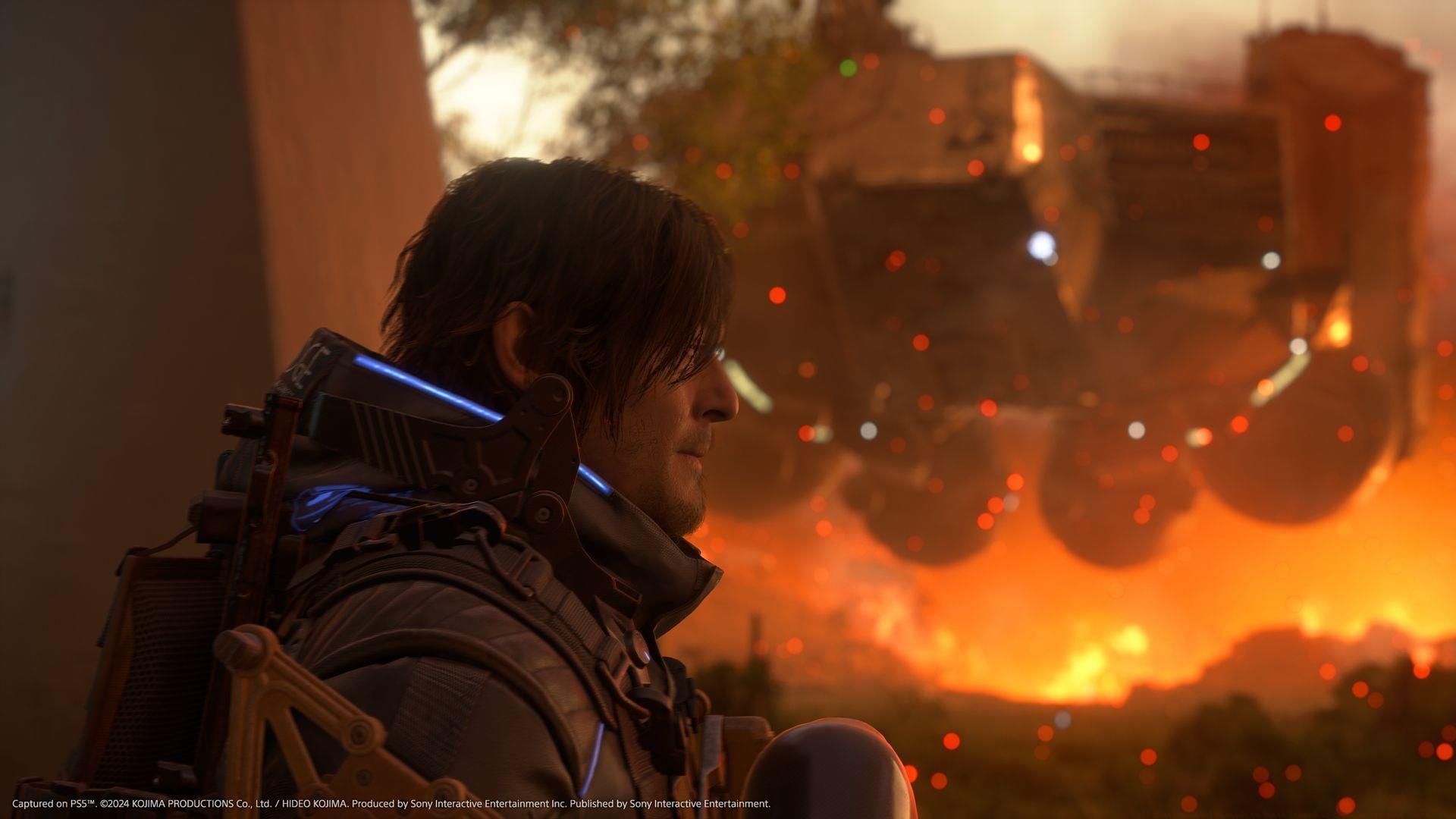
Environmental challenges in Death Stranding 2 represent more than mere visual obstacles – they systematically threaten your delivery efficiency, stamina reserves, and ultimate survival. Navigating the brutal, ever-changing landscapes spanning Mexico and Australia presents inherent difficulties, yet the game’s five distinct environmental threats ensure players remain constantly vigilant and adaptive.
Timefall: The Age-Accelerating Rain
Timefall remains the signature environmental phenomenon within the Death Stranding universe. This peculiar precipitation rapidly accelerates aging processes on anything it contacts, with cargo containers being particularly vulnerable. Extended exposure progressively deteriorates your shipments and can completely undermine S-rank delivery accomplishments. Strategic utilization of Timefall Shelters provides essential protection during these meteorological events.
When cargo sustains damage from Timefall exposure, immediate application of Container Repair Spray becomes critical to restore integrity before catastrophic failure occurs. Maintain at least two repair units during extended delivery routes, as multiple Timefall encounters may exhaust your supplies. Advanced players recommend positioning shelters at strategic intervals rather than carrying excessive spray cans to optimize cargo capacity.
Common Mistake: Underestimating Timefall’s cumulative effect – even brief exposures gradually degrade cargo quality. Pro Tip: Monitor weather patterns using your map and plan routes through natural cave systems and overhangs when shelters are unavailable.
Strong Winds: Navigation and Stability Challenges
Powerful wind currents typically manifest in exposed or desert regions, capable of destabilizing Sam’s balance, obscuring visual clarity, and depleting stamina reserves – collectively transforming traversal into high-risk endeavors. Avoid direct opposition to wind directions and identify natural windbreaks including rock formations or constructed infrastructure whenever feasible.
When trapped in severe wind conditions, implement regular stamina recovery pauses and leverage geographical features for protection. Equipping stabilization equipment such as Power Skeletons significantly enhances footing security. Advanced technique: Move at 45-degree angles to wind direction rather than straight lines, reducing resistance while maintaining progress.
Optimization Strategy: Combine Power Skeletons with All-Terrain Skeletons for mixed environments where winds may suddenly change direction. Equipment Priority: Always upgrade skeleton battery capacity before long desert crossings to ensure continuous stabilization support.
Tremors and Earthquakes: Terrain Instability
Abrupt seismic activities and ground vibrations can violently knock Sam from his feet and potentially initiate dangerous landslides. These events typically display brief duration but effectively disrupt traversal momentum and rhythm. When tremors commence, immediately cease movement and relocate to level, stable terrain until the event concludes.
Steer clear of precipitous inclines or cliff-adjacent zones during seismic events to prevent being dragged into destructive slides. Advanced players recommend scanning for fissure patterns before traversing new regions – these often indicate future earthquake zones. Critical Timing: The three-second window between initial tremor detection and full impact allows strategic positioning if recognized early.
Advanced Tactics: Experienced porters use tremor events to identify previously hidden paths, as seismic shifts sometimes reveal new routes through mountains. However, this high-risk reconnaissance should only be attempted with minimal cargo value.
Flash Tides: Rapid Water Hazards
This environmental threat resembles sudden flooding incidents or rapidly rising tidal surges. Water elevations increase unpredictably, making crossing attempts during these periods extremely dangerous. Never attempt swimming maneuvers or traversing inundated areas – patiently await natural water level reduction before proceeding.
Deploy your Odradek scanning technology to evaluate terrain composition and aquatic depth in advance. Master players recommend mapping multiple crossing points during low-tide periods, creating alternatives when primary routes become impassable. Depth Assessment: Scanner readings above 1.5 meters indicate high-risk zones even during apparent low-tide conditions.
Common Error: Assuming tide patterns follow predictable timetables – they’re randomly generated per session. Survival Technique: Always carry floating carriers when near water zones, as they provide emergency buoyancy if caught in unexpected tides.
Tar Pits: The Ultimate Environmental Threat
These viscous black reservoirs represent exceptionally lethal environmental hazards. Immersion risks triggering Voidout catastrophes that reset local environments and potentially annihilate cargo. Avoid these zones completely and consistently employ scanning technology to identify and navigate around tar concentrations. When operating in high-risk territories, exercise extreme caution and prioritize elevated pathways.
Voidout consequences extend beyond mere cargo loss – they permanently alter game world geography, potentially destroying established structures and creating new hazardous zones. Detection Enhancement: Upgrade your Odradek’s tar-sensing capabilities at earliest opportunity to increase early warning distance.
Advanced Navigation: When forced to traverse tar regions, utilize floating carriers as temporary platforms, though this requires precise throwing accuracy and rapid movement. Catastrophe Prevention: Always carry at least one extra oxygen tank when near tar pits to escape if accidentally submerged.
Advanced Hazard Management System
Environmental threats in Death Stranding 2 directly influence delivery capability, survival probability, and exploration potential. From destructive Timefall to lethal tar reservoirs, these natural forces prove equally dangerous as hostile entities. Master porters develop integrated hazard management systems rather than treating each threat independently.
Proactive Planning Framework: Before any major delivery, analyze regional weather patterns, seismic activity reports, and tidal charts available through terminal interfaces. Plot routes with multiple shelter options and escape paths for each hazard type.
Gear Optimization Protocol: Maintain specialized equipment sets for different environmental conditions rather than relying on universal loadouts. Desert regions demand wind stabilization gear, coastal deliveries require floating equipment, and mountain traverses need seismic detection enhancements.
Route Selection Algorithm: Sometimes the longest safe route proves faster than the shortest hazardous path. Calculate time penalties from potential cargo damage, detours, and recovery operations when evaluating route efficiency.
Environmental mastery transforms from survival necessity to strategic advantage in Death Stranding 2’s demanding landscapes.
No reproduction without permission:Tsp Game Club » All Environmental Hazards in Death Stranding 2 and how to deal with them Master Death Stranding 2's environmental hazards with expert strategies for cargo protection and survival