
Master Timefall survival strategies in Death Stranding 2 with expert cargo protection techniques
Understanding Timefall Mechanics
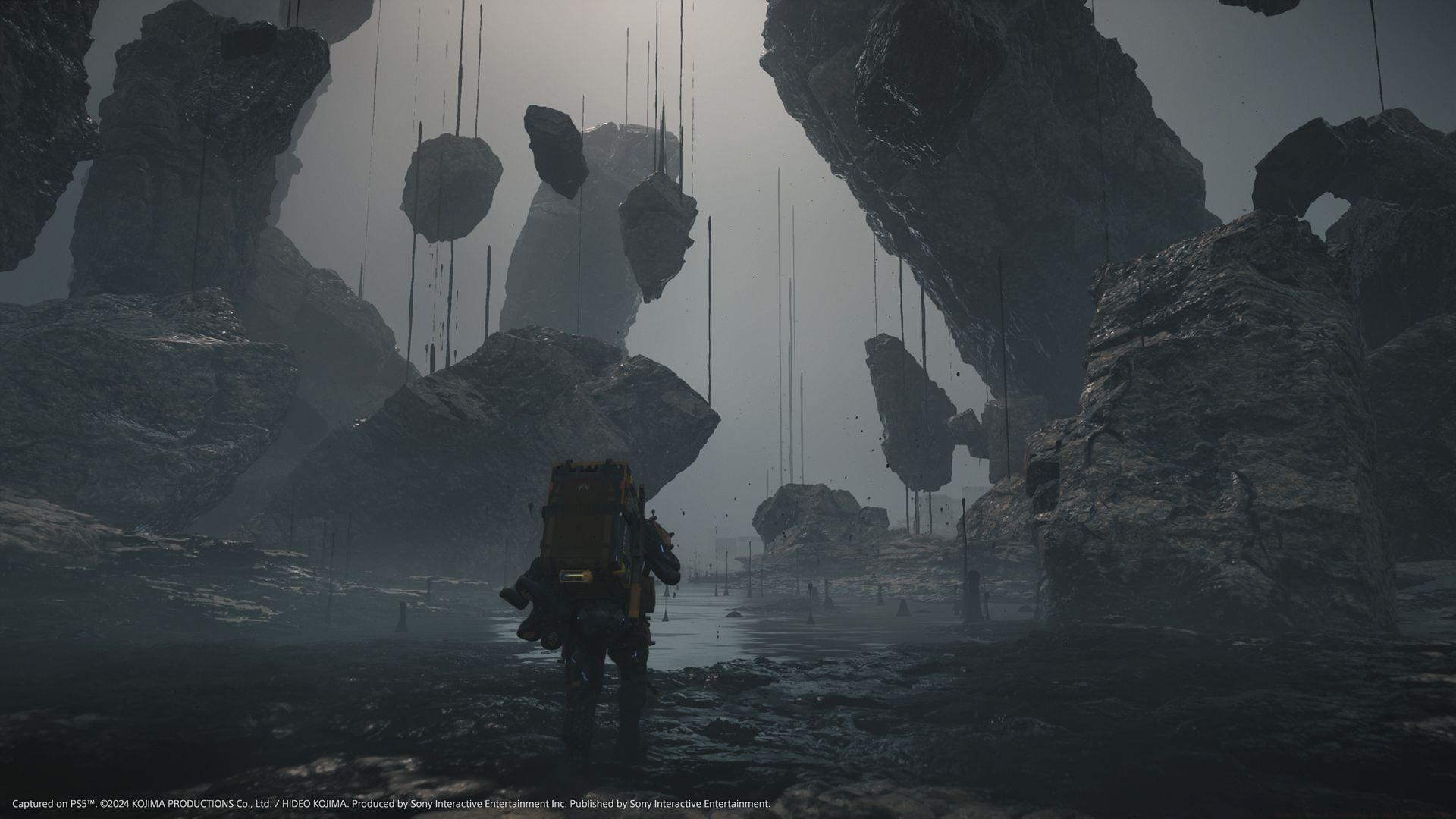
Timefall represents one of the most mechanically sophisticated environmental hazards in Death Stranding 2. This supernatural precipitation doesn’t merely damage cargo superficially – it accelerates molecular aging processes, causing containers to deteriorate from the inside out. Understanding that damage accumulates exponentially rather than linearly is crucial; a package at 50% damage actually has compromised structural integrity that makes subsequent Timefall exposure far more dangerous.
The connection between Timefall and BT presence creates dynamic weather patterns that experienced players can learn to predict. Certain terrain features and story progression points trigger predictable Timefall events, allowing prepared couriers to avoid being caught unprepared. The rain’s intensity also varies geographically – some regions experience constant drizzle while others have torrential downpours that can destroy unprotected cargo in under 60 seconds.
Shelter-Based Protection Methods
Private Rooms scattered throughout the game world provide the most reliable Timefall protection, but their strategic value extends beyond simple shelter. These facilities enable comprehensive equipment maintenance, stamina recovery, and most importantly – cargo inspection and repackaging. Advanced players use Private Rooms as staging areas before entering high-risk zones, ensuring their cargo is optimally configured for the challenges ahead.
The PCC-fabricated Timefall Shelter represents one of your most versatile tools against environmental hazards. These portable structures serve multiple functions: immediate rain protection, temporary storage for prioritizing delivery order, and surprisingly effective BT deterrence. Strategic placement involves positioning shelters at natural choke points, near resource deposits, and along frequently traveled routes where other players’ structures create emerging safe networks.
Common mistake: players often place shelters too close to BT territories, making access dangerous. Optimal placement maintains 50-100 meter buffers from known BT zones while still covering maximum traversal distance. Shelters placed on elevated terrain provide better visibility and reduce the likelihood of surprise BT encounters.
Advanced BT Engagement Tactics
Direct confrontation with Beached Things offers the most aggressive approach to Timefall management. Eliminating these spectral entities immediately dissipates localized precipitation, but this strategy demands careful risk assessment. Before engaging, evaluate your hematic weapon reserves, protective gear durability, and escape route availability. Successful BT clearance creates temporary safe corridors that can be exploited for multiple deliveries within the cleared timeframe.
Stealth-focused players should understand that BT detection ranges vary based on cargo weight, movement speed, and terrain type. Heavier loads increase detection risk, while crouch-walking through rocky terrain provides natural sound dampening. The ‘hold breath’ mechanic becomes crucial when navigating dense BT territories during heavy Timefall, though this stamina drain must be managed carefully to avoid exhaustion at critical moments.
Pro tip: Certain gear upgrades, like the Odradek scanner enhancements, provide earlier BT detection warnings, giving you precious extra seconds to alter your route or deploy emergency shelters. Always carry at least one emergency PCC for unexpected Timefall situations.
Pro-Level Cargo Management
Beyond immediate Timefall avoidance, sophisticated cargo management significantly reduces overall damage exposure. Route optimization involves analyzing weather patterns across different regions and timing deliveries around predictable Timefall cycles. Many experienced couriers complete shorter routes during heavy precipitation periods, reserving long-distance hauls for clearer weather windows.
Container maintenance represents an often-overlooked aspect of Timefall protection. Regularly upgrading cargo containers at distribution centers provides substantial damage resistance, with top-tier containers reducing Timefall effects by up to 70%. Proper packing technique – placing sensitive items in the center of your load surrounded by more durable packages – creates natural shielding that prolongs cargo viability.
The most successful players employ multi-layered protection: combining shelter networks, optimized routes, upgraded containers, and strategic timing to minimize Timefall exposure across entire delivery circuits. This systematic approach separates professional couriers from those constantly repairing damaged goods.
No reproduction without permission:Tsp Game Club » How to avoid Timefall in Death Stranding 2 Master Timefall survival strategies in Death Stranding 2 with expert cargo protection techniques