
Master boot management in Death Stranding 2 with advanced strategies for optimal footwear maintenance and inventory efficiency
Understanding the Boot Bar System
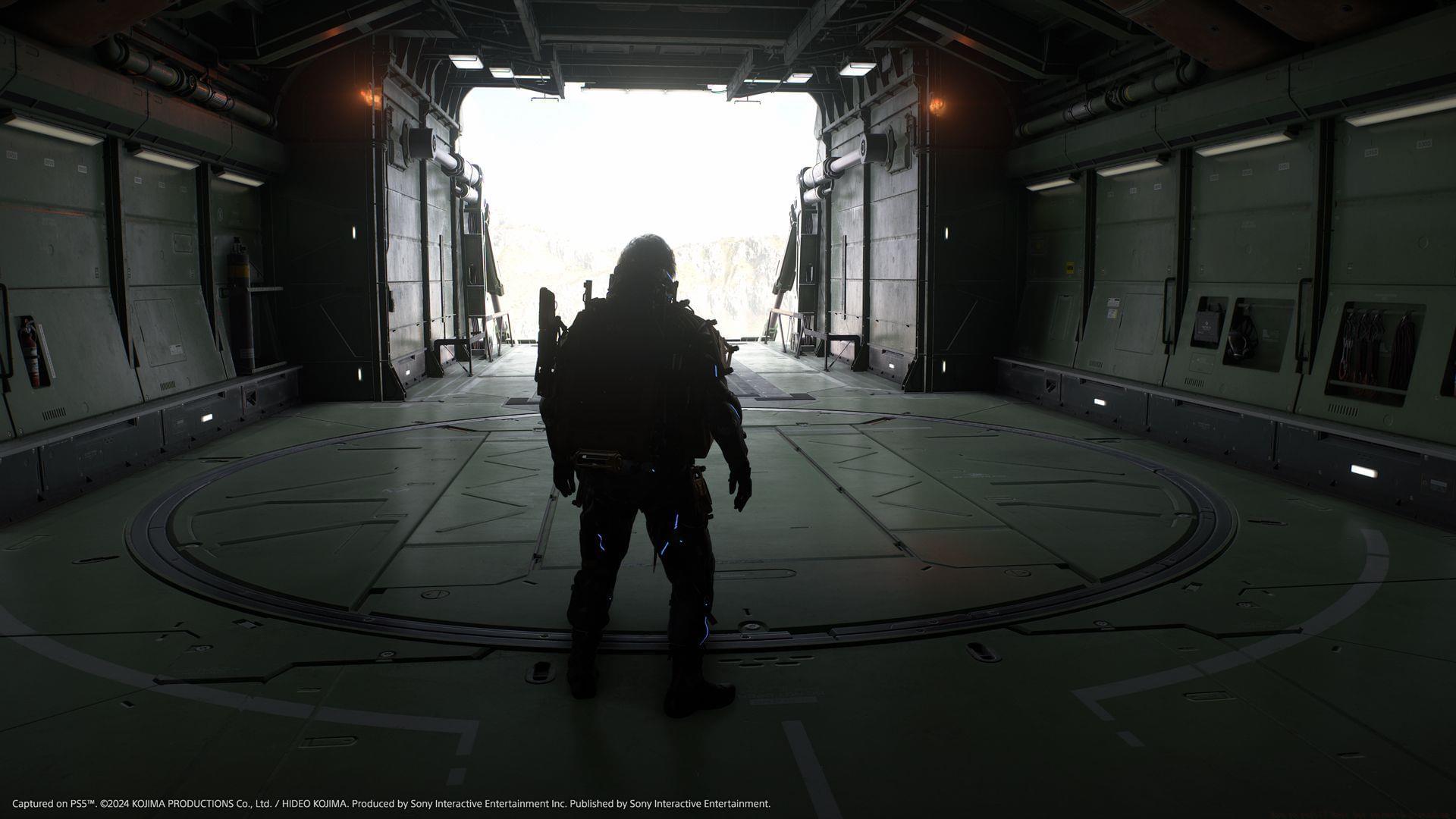
The Boot Bar represents a fundamental survival mechanic in Death Stranding 2, continuously monitoring the condition of your footwear as you traverse the demanding environments of Mexico and Australia. This subtle interface element frequently goes unnoticed until critical failure occurs, at which point your character’s mobility becomes severely compromised.
Unlike health or stamina indicators that receive prominent display, the Boot Bar operates as a background system that only becomes apparent during degradation. When footwear integrity drops below 20%, you’ll begin experiencing noticeable movement penalties including reduced climbing efficiency, unstable footing on uneven terrain, and increased stumbling frequency during rapid directional changes.
Looking for Crossword hints & solutions? Check out latest NYT Mini Crossword Answers, LA Times Crossword Answers, and Atlantic Crossword Answers
Boot deterioration accelerates significantly when crossing specific terrain types. Rocky surfaces, riverbeds, and mountainous regions can reduce boot lifespan by up to 40% compared to standard grassland traversal. Understanding these terrain multipliers is essential for planning long-distance deliveries without unexpected equipment failure.
Practical Boot Replacement Process
Restoring optimal mobility requires timely boot replacement through a straightforward interface process. Unlike replenishable resources, footwear cannot be repaired once degraded beyond usable thresholds, making replacement the only viable restoration method.
Boot Replacement Procedure:
- Access the Cargo Shelf interface or activate the Equipment Wheel radial menu
- Navigate to the Footwear section and select the “Put on Footwear” command
- Choose replacement boots from your available inventory slots
- Confirm selection to immediately equip the new footwear
Upon successful equipment change, the Boot Bar automatically resets to maximum capacity. The transition occurs seamlessly during gameplay, though you may experience brief movement instability during the first few steps with unfamiliar footwear. For optimal performance, consider replacing boots proactively at 30% durability rather than waiting for complete depletion.
Advanced players should master the quick-equip technique: during movement, briefly open the Equipment Wheel and rapidly select footwear without breaking stride. This advanced maneuver prevents momentum loss during critical delivery timeframes.
Advanced Boot Management Strategies
Sophisticated boot management extends beyond basic replacement to include fabrication specialization and inventory optimization. Delivery Terminals serve as your primary equipment source, offering multiple boot variants through the Fabricate Equipment interface.
Boot Fabrication Specifications:
- Transporter Boots: Standard issue requiring 16 Resins, balanced durability and traction
- Combat Boots: Enhanced durability (25% increase) with moderate terrain penalty on soft surfaces
- Sneaking Boots: Superior grip on unstable terrain with 15% faster degradation rate
- All-Terrain Boots: Unlocked through progression, featuring adaptive sole technology
The Boot Clip attachment revolutionizes inventory management by providing external storage for one spare boot pair. This accessory eliminates backpack space consumption while ensuring immediate access during emergencies. Strategic players should always maintain at least one boot pair on the clip and two additional pairs in backpack storage for extended expeditions.
Resource-conscious players can optimize Resin expenditure by fabricating boots in batches during terminal visits. Bulk fabrication (3+ pairs) typically reduces individual resource cost by 10-15% through manufacturing efficiency bonuses.
Pro Tips and Common Pitfalls
Avoiding common footwear management mistakes separates successful porters from those stranded mid-delivery. The most frequent error involves underestimating terrain-specific degradation rates, particularly when transitioning between biome types without appropriate boot preparation.
Critical Mistakes to Avoid:
- Initiating mountain ascents with boots below 50% durability
- Carrying insufficient spare pairs for long-distance deliveries
- Ignoring Boot Bar warnings during time-sensitive missions
- Using specialized boots in non-optimal environments
- Neglecting to check boot condition after BT encounters
Terrain-specific boot selection dramatically extends usable lifespan. Combat Boots excel in rocky, unstable regions while Sneaking Boots provide superior performance in swampy or slippery environments. Always match your footwear to anticipated terrain challenges rather than defaulting to general-purpose options.
Emergency protocols should include predetermined boot replacement points during extended journeys. Identify safe locations (shelters, waystations) at 25-30% intervals along your route where you can safely access inventory without environmental threats.
Also read: Death Stranding 2 pre-order guide: Editions and bonuses
More articles on Death Stranding 2:
- How to safely cross rivers in DS 2
- How to get vehicles in DS 2
- How to avoid or eliminate BTs in DS 2
No reproduction without permission:Tsp Game Club » How to refill Boot Bar in Death Stranding 2 Master boot management in Death Stranding 2 with advanced strategies for optimal footwear maintenance and inventory efficiency