
Master the Bahrain GP in F1 25 with a tailored setup guide for optimal traction, tire management, and race-winning confidence.
Understanding the Bahrain International Circuit Challenge
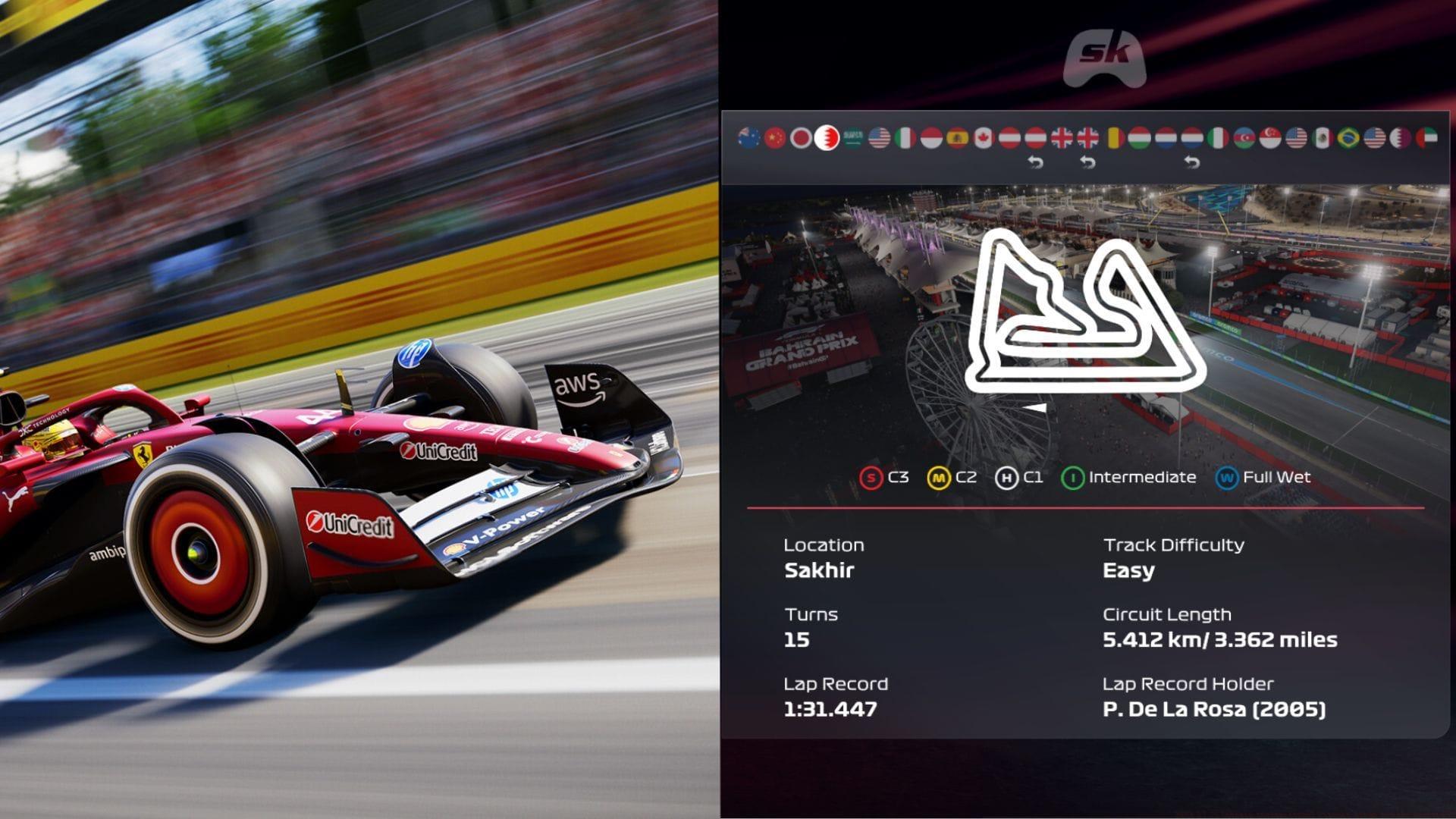
Racing under the lights at the Bahrain International Circuit presents a unique test in F1 25. The track combines long, power-hungry straights with a sequence of technical, low-speed corners that punish any lack of traction. Significant elevation changes, particularly the downhill run into Turn 10, add another layer of difficulty, demanding precise brake and throttle control.
The circuit layout specifically challenges your car’s ability to transition from high-speed stability to low-speed mechanical grip. Sectors 1 and 3 reward straight-line speed and confidence under braking, while the twisting Esses of Sector 2 require a nimble front end and a planted rear. Mastering corners like the demanding Turns 1-2 complex and the deceptive Turn 10 is key to a fast lap.
Core Setup Philosophy: Balancing Speed and Control
This tailored setup for the Bahrain GP is engineered around one core principle: maximizing rear-end confidence to exploit traction out of slow corners without sacrificing stability under braking or high-speed agility. The desert surface and night conditions can make grip levels unpredictable, so a forgiving and balanced car is essential.
The philosophy breaks down into three pillars. First, corner exit traction is paramount for good lap times. Second, braking stability allows for later, deeper entries into key overtaking zones. Third, effective tire management ensures performance doesn’t fade in the long, abrasive stints typical of Bahrain. This setup leans the car towards a softer rear to tame oversteer, while keeping the front responsive for quick directional changes.
Detailed Setup Parameters Breakdown
Here are the specific settings that bring the balanced philosophy to life. Each adjustment works in concert to create a predictable and fast car.
- Differential Adjustment On Throttle: 70% – This high setting allows the rear wheels to rotate at similar speeds when you apply power, reducing wheelspin and maximizing traction out of slow corners like Turn 4 and the exit of Turn 10.
- Differential Adjustment Off Throttle: 30% – A lower off-throttle diff lets the rear wheels rotate more independently when you lift off the brake, stabilizing the car during turn-in and preventing a nervous rear end.
- Front Anti-Roll Bar: 15 – A stiffer front bar (higher number) sharpens initial turn-in response, which is critical for navigating the quick left-right transitions of Sector 2’s Esses with precision.
- Rear Anti-Roll Bar: 21 – A relatively softer rear bar (compared to the front) increases rear suspension compliance, aiding traction and making the car more forgiving on corner exit.
- Front Right Tyre Pressure: 28.9 psi
- Front Left Tyre Pressure: 28.9 psi – Higher front pressures support the stiffer front suspension, maintaining responsiveness and reducing understeer. Symmetrical pressures ensure balanced handling.
- Rear Right Tyre Pressure: 22 psi
- Rear Left Tyre Pressure: 22 psi – Lower rear pressures increase the tire contact patch for better mechanical grip under acceleration, crucial for traction zones. The significant front-to-rear split also helps manage overall tire temperature.
This configuration, with its stiffer front and softer rear dynamic, creates a car that turns in eagerly and plants itself on exit. The brake pressure and bias (not listed but recommended around 50-52% front bias) should be tuned to allow deep dives into Turns 1 and 10 without lock-ups, a common mistake here.
Advanced Driving Strategies and Common Pitfalls
Having the right setup is only half the battle. How you drive it separates good laps from great races.
Practical Strategy Tips:
– Qualifying: Use the aggressive traction and responsive front end to attack curbs, especially in Sector 2. You can afford slightly more rear tire slip for ultimate lap time.
– Race: Focus on smooth, progressive throttle application from the apex onwards to conserve rear tires over a stint. The Bahrain surface is abrasive.
– Overtaking: Your braking stability allows you to challenge into Turn 1. Focus on a clean exit from Turn 14 (the last corner) to get a good tow down the main straight.
Common Mistakes to Avoid:
– Snap Oversteer on Exit: Caused by being too aggressive with the throttle too early. Wait until the car is fully settled and pointed straight.
– Front Lock-ups: Often happen at Turns 1 and 10 due to downhill braking zones. Practice modulating brake pressure rather than just stamping on the pedal.
– Tire Overheating: The rear-left tire suffers the most. Avoid excessive steering input on throttle and short-shift (change up early) in the early laps to manage temps.
Optimization for Advanced Players: Consider reducing rear wing by 1 click for qualifying for more straight-line speed, but be prepared for a more nervous rear in Sector 2. For wet conditions (if applicable), increase both front and rear tire pressures by 1.0-1.5 psi to generate heat more quickly.
Also Read: F1 25 review: A Formula One game that knows where it’s going
Putting It All Together: From Garage to Podium
This comprehensive Bahrain GP setup provides a robust foundation for success in F1 25. It builds a car that forgives minor driver errors, manages its tires effectively over a race distance, and delivers confidence in both qualifying trim and race conditions. By understanding the ‘why’ behind each setting and combining it with disciplined driving, you can tackle the specific challenges of the Bahrain International Circuit with authority.
Whether you’re pushing for pole position or navigating a strategic long stint, this package equips you with a competitive and adaptable machine. Remember, small personal adjustments to suit your driving style—like a click of front wing or a percent of brake bias—can fine-tune this base setup into your personal winning formula.
Read more F1 25-related articles below:
- Best F1 25 Shanghai International Circuit setup for the Chinese GP
- Best F1 25 Albert Park Circuit setup for the Australian GP
- Best F1 25 Lusail International Circuit Setup for the Qatar GP
- Best F1 25 Suzuka Circuit setup for the Japanese GP
No reproduction without permission:Tsp Game Club » Best F1 25 Bahrain International Circuit setup for the Bahrain GP Master the Bahrain GP in F1 25 with a tailored setup guide for optimal traction, tire management, and race-winning confidence.