
Master the Circuit Gilles Villeneuve with optimized F1 25 setup and expert racing strategies
Understanding Montreal’s Challenging Circuit
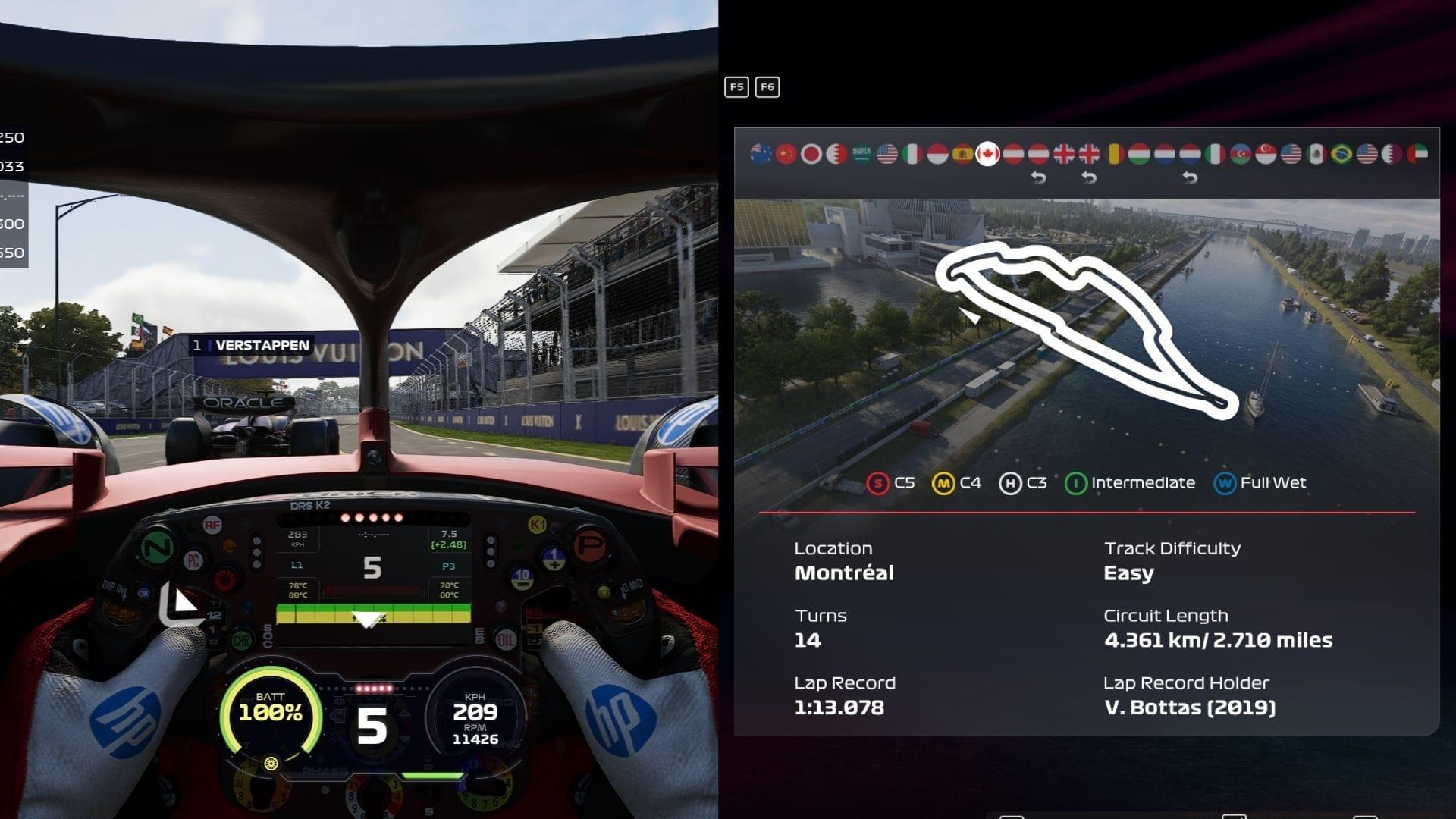
The Canadian Grand Prix at Circuit Gilles Villeneuve presents drivers with one of Formula 1’s most demanding technical challenges. This Montreal-based island circuit combines punishing high-speed sections with precision-demanding technical corners that test both car and driver capabilities. The track’s notorious proximity to concrete barriers leaves zero margin for error, making setup optimization absolutely critical for competitive performance.
Circuit Gilles Villeneuve’s unique layout features multiple distinct technical zones that require specialized approaches. The famous Casino straight demands maximum top speed, while the complex infield section tests low-speed mechanical grip and traction. The critical Turn 10 hairpin represents one of the slowest corners on the F1 calendar, placing enormous stress on front tires and demanding exceptional car balance to maintain cornering momentum.
Front-left tire preservation emerges as the single most important factor for race success in Montreal. The combination of long-duration corners and abrasive track surface creates extreme wear patterns that can ruin a race strategy if not properly managed. Understanding how to distribute mechanical loads across all four tires while maintaining competitive lap times separates elite performers from midfield runners.
Optimized Car Setup Specifications
Our meticulously developed setup configuration addresses Circuit Gilles Villeneuve’s unique demands through specialized parameter optimization. Each adjustment has been calibrated to provide the ideal balance between straight-line speed and cornering stability required for competitive performance.
- Differential Adjustment On Throttle: 100% – Maximizes traction application during acceleration phases, crucial for exiting slow corners like the Turn 10 hairpin where maintaining momentum is essential
- Differential Adjustment Off Throttle: 15% – Provides stable deceleration characteristics while allowing sufficient rotation during trail-braking maneuvers into technical sections
- Front Anti-Roll Bar: 4 – Creates responsive turn-in characteristics without inducing excessive understeer through Montreal’s combination corners
- Front Right Tire Pressure: 29.5 psi – Optimizes contact patch stability for right-hand corners while maintaining temperature consistency
- Front Left Tire Pressure: 29.5 psi – Balances left-side loading through the circuit’s dominant right-hand corners while controlling wear patterns
- Rear Right Tire Pressure: 26.5 psi – Enhances rear grip during power application while maintaining progressive breakaway characteristics
- Rear Left Tire Pressure: 26.5 psi – Creates symmetrical rear axle behavior for predictable handling during combined cornering and acceleration
This comprehensive setup configuration delivers exceptional aerodynamic balance through Montreal’s challenging chicane sequences. The differential settings work in harmony with tire pressure optimization to provide maximum mechanical grip during both acceleration and deceleration phases. Suspension geometry selections enhance curb-riding capability without compromising high-speed stability, allowing drivers to utilize every inch of track width available.
Advanced Racing Techniques
Mastering Circuit Gilles Villeneuve requires more than just an optimized car setup—it demands specialized driving techniques tailored to the track’s unique characteristics. Implementing these advanced strategies can yield significant lap time improvements and race position advantages.
Cornering Precision: The final chicane before the start-finish straight requires millimeter-perfect accuracy. Approach with late turn-in to straighten the exit, carrying additional speed onto the long straight. Focus on maintaining minimum speed through the apex rather than early acceleration, as the resulting straight-line speed gain more than compensates for any cornering time loss.
Tire Management Strategy: Montreal’s abrasive surface demands proactive tire conservation. Reduce steering inputs where possible by utilizing wider lines in non-critical corners. Modulate throttle application to minimize wheelspin, particularly when exiting the hairpin where traction is limited. Monitor tire temperatures closely—overheating the front-left can cost multiple seconds over a race stint.
Overtaking Opportunities: The Circuit Gilles Villeneuve offers limited but crucial passing zones. The best opportunity comes at the end of the Casino straight into Turn 10, where late braking combined with optimal tire temperatures can create passing chances. Set up overtakes by gaining a better exit from the final chicane, building momentum that carries down the entire start-finish straight.
Common Pitfalls and Solutions
Even experienced F1 25 competitors often fall victim to Montreal’s unique challenges. Recognizing these common mistakes and implementing preventative strategies can dramatically improve race outcomes and consistency.
Front Tire Overheating: The most frequent error involves pushing too hard through right-hand corners, overheating the front-left tire. Solution: Practice smoother steering inputs and focus on maintaining minimum cornering speeds rather than maximum. Reduce front wing angle if persistent overheating occurs despite driving adjustments.
Chicane Instability: Many drivers lose time through the high-speed chicanes due to unstable car behavior. Solution: Ensure your differential off-throttle setting provides sufficient rotation without causing snap oversteer. Practice lifting slightly earlier and progressively reapplying throttle to maintain chassis balance.
Braking Zone Inconsistency: Montreal’s braking zones combine bumpy surfaces with critical corner entries. Solution: Focus on maintaining straight-line braking whenever possible, only beginning turn-in once significant brake pressure has been released. This technique reduces lock-up incidents and improves stopping consistency.
Also read: Best F1 25 Circuit de Barcelona-Catalunya Setup for the Spanish GP
- F1 25 overhauls My Team, retires “Owner Driver”
- F1 25 review: A Formula One game that knows where it’s going
- Best F1 25 Autodromo Jose Carlos Pace Setup for the Brazilian GP
No reproduction without permission:Tsp Game Club » Best F1 25 Circuit Gilles Villeneuve setup for the Canadian GP Master the Circuit Gilles Villeneuve with optimized F1 25 setup and expert racing strategies