
Master F1 25’s British GP Reverse with expert setup tips, driving techniques, and optimization strategies
Understanding Silverstone’s Reverse Challenge
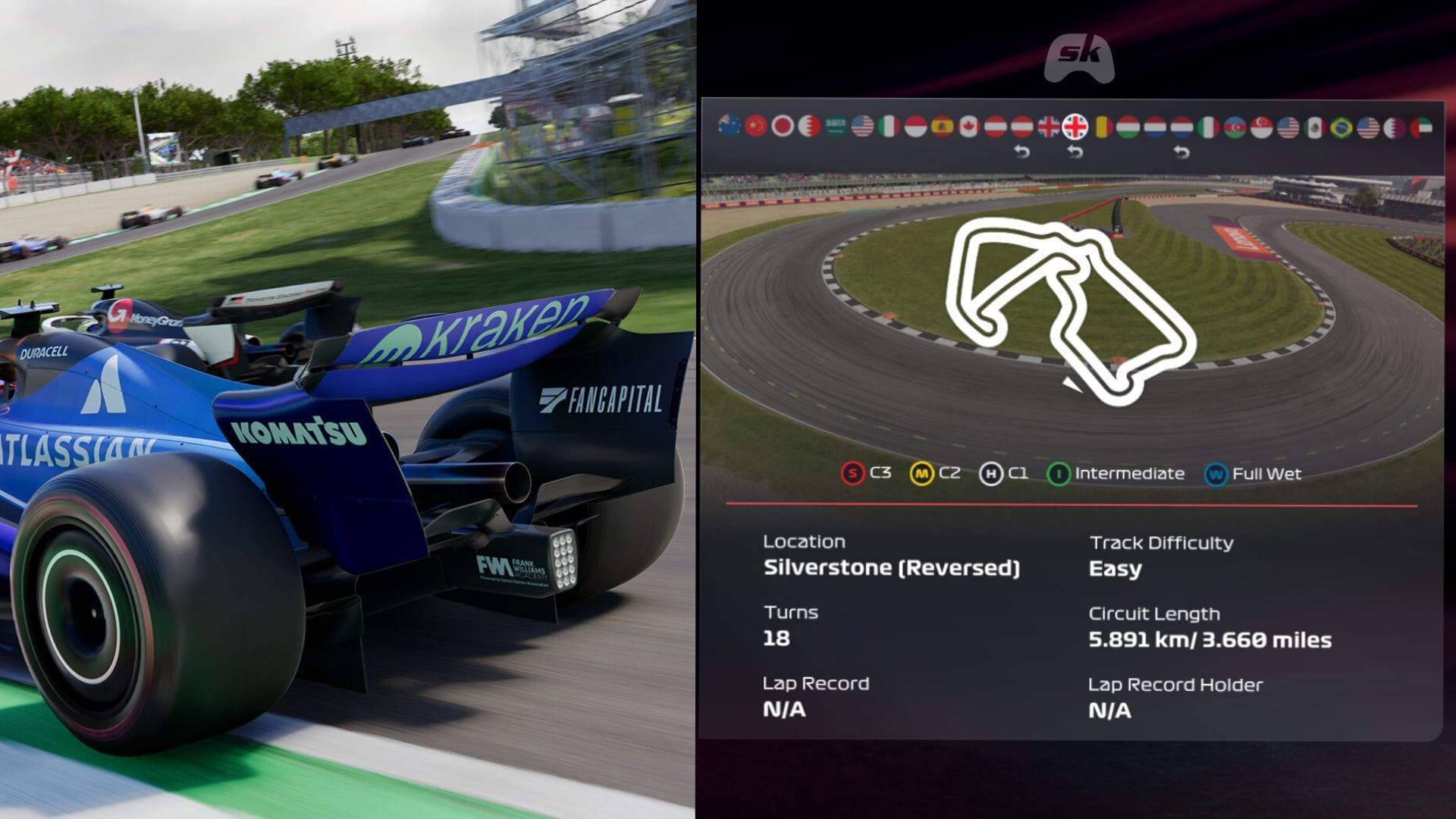
The British Grand Prix represents one of Formula One’s most prestigious events, but F1 25 introduces a dramatic transformation by reversing the legendary Silverstone Circuit into the innovative British GP Reverse. This inverted configuration completely redefines critical racing elements including braking reference points, cornering sequences, and Drag Reduction System activation zones. The reversed orientation turns familiar high-speed sections into technical challenges that demand precise car control.
Traction management and stability during deceleration phases become absolutely crucial for competitive performance. What was previously a flowing, rhythmic circuit now presents drivers with a demanding technical layout that rigorously tests vehicle balance and throttle modulation skills. The reversed Maggots and Becketts complex, in particular, requires exceptional car control and braking precision.
Optimal British GP Reverse Setup Configuration
Here’s the comprehensive British GP Reverse setup configuration to master this reimagined version of Silverstone:
This carefully calibrated setup emphasizes rear-end stability and sharp turn-in responsiveness, both essential qualities for navigating Silverstone’s reversed configuration. The slightly reduced rear wing angle helps maintain straight-line velocity on the newly configured straights while preserving cornering traction through meticulous suspension calibration. For advanced tuning, consider adjusting front wing angle between 7-9 degrees based on your driving style and weather conditions.
The firm front suspension combined with more compliant rear components ensures the vehicle remains planted during aggressive braking maneuvers and minimizes oversteer when powering out of the tighter reversed corners. Simultaneously, the anti-roll bar arrangement and precise toe settings deliver crisp yet controllable handling characteristics, vital for maintaining consistency through rapid direction changes. Advanced drivers should experiment with brake bias between 52-55% forward to optimize stopping power for the reversed corners.
Advanced Driving Techniques and Strategies
Mastering the British GP Reverse requires adapting your driving technique to the layout’s unique demands. Focus on late braking into the reversed corners, particularly at the new Turn 1 complex where carrying extra speed can gain significant time. The key is balancing aggression with precision – too early on the throttle will induce wheelspin, while too late sacrifices exit speed.
Cornering approaches need complete reevaluation. The reversed Abbey curve now leads into a technical section requiring early turn-in and maintenance of minimum speed through the apex. Practice trail braking techniques to rotate the car while maintaining stability. For the reversed Wellington Straight, focus on maximizing DRS effectiveness by positioning your car optimally before the detection point.
The balanced tire pressure configuration effectively manages temperature accumulation while providing sufficient sidewall flex for optimal grip. That completes your comprehensive British GP Reverse setup package to dominate this reconfigured Silverstone layout. Remember to gradually build pace during qualifying sessions to ensure optimal tire temperature management throughout the lap.
Common Pitfalls and Performance Optimization
Also Read: F1 25 review: A Formula One game that knows where it’s going
Avoid these common mistakes when tackling the British GP Reverse: Over-aggressive throttle application exiting slower corners will compromise traction and lap consistency. Many drivers struggle with brake temperature management due to the reversed layout’s demanding deceleration zones. Monitor your brake wear carefully during longer stints and adjust bias accordingly.
For race strategy optimization, consider a two-stop approach with soft-medium-soft compound progression for maximum performance. The reversed layout increases tire degradation in specific sectors, particularly the left-front during the technical sequence. In wet conditions, increase front tire pressures by 1.0-1.5 psi and reduce rear wing angle by 1-2 clicks for better aquaplaning resistance.
Read more F1 25-related articles:
No reproduction without permission:Tsp Game Club » Best F1 25 Silverstone Circuit (R) setup for the British GP Reverse Master F1 25's British GP Reverse with expert setup tips, driving techniques, and optimization strategies