
TL;DR
- Predictive calls based on economic patterns give your team strategic foresight
- Coordinated pushes require precise timing calls and post-death intelligence gathering
- Utility coordination prevents teamfights and creates unstoppable execute rhythms
- Post-death spectating provides critical rotation and flank intelligence
- Professional-grade audio equipment eliminates communication breakdowns during critical moments
Advanced CS2 communication transcends reactive reporting—it’s about anticipating enemy movements before they happen. When you master pattern recognition, you transform from information relay to strategic predictor, giving your team the psychological edge that separates amateurs from professionals.
Economic awareness forms the foundation of predictive calls. After three consecutive round losses, most teams will force-buy or eco, creating predictable behavior patterns. A call like “Expect eco round—prepare for pistol rush” immediately shifts your team’s defensive posture. This isn’t guesswork; it’s calculated probability based on observable economic patterns that dictate enemy weapon choices and tactical approaches.
Enemy habit tracking elevates this further. Documenting tendencies like “Their AWPer consistently holds B site from car” or “They always double-nade top mid during default setups” provides actionable intelligence that enables preemptive counter-strategies.
Strategic anticipation calls include:
- “Watch for early mid aggression—they’ve done it three rounds straight”
- “Prepare for A split if they lose this pistol round”
- “Anticipate B rush after timeout—they’re momentum players”
The trust dividend from accurate predictive calls cannot be overstated. When teammates consistently receive valuable foresight, they develop confidence in your reads, creating team synergy that feels almost clairvoyant to opponents.
Communication serves as the central nervous system for aggressive team strategies. A perfectly executed B split requires precisely timed communication layers that transform individual actions into synchronized team movements.
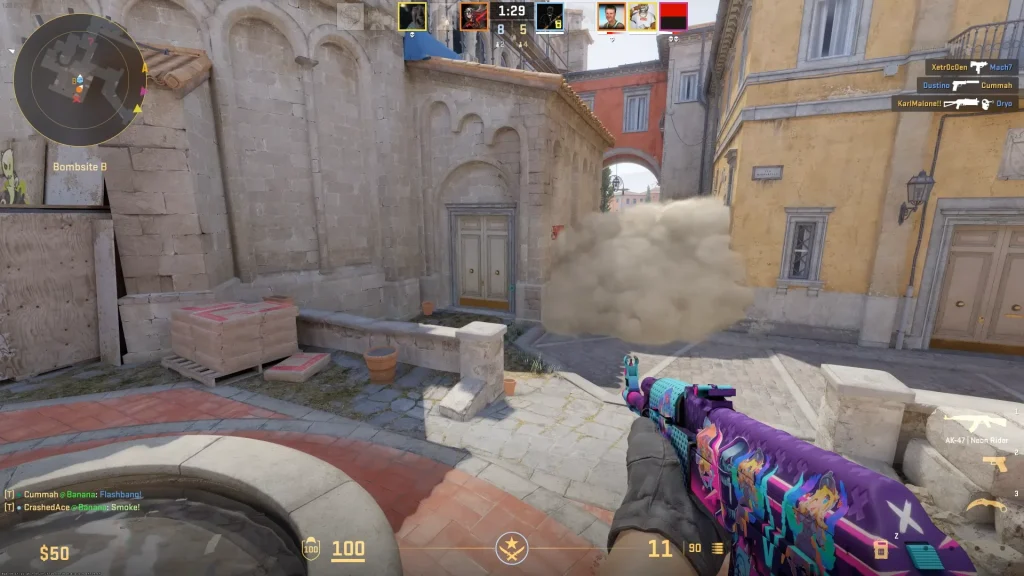
Timing precision separates elite teams from average squads. Poorly coordinated attacks result in staggered entries where defenders pick off teammates one by one. Effective communication ensures simultaneous entry, overwhelming defensive setups through coordinated timing.
Rotation calls require immediate team response. When an anchor player reports “3 A ramp, rotate immediately!” the remaining players must instantly reposition while maintaining map control and avoiding predictable rotation paths.
Post-death intelligence gathering represents an often-overlooked strategic advantage. Your role transforms from active participant to strategic observer, providing:
- Minimap movement tracking: “Two rotating through CT spawn”
- Flank awareness: “One pushing long A—watch your back”
- Economic intelligence: “Last enemy has AK—no bomb sighting”
- Utility status monitoring: “They used both smokes—execute now”
Common rotation timing mistakes include delayed calls (2+ seconds after spotting), vague location reporting (“somewhere A” instead of “pit and site”), and failure to track enemy weapon economy for future round planning.
This communication dimension remains critically underutilized in lower competitive tiers, yet it separates coordinated teams from chaotic pugs. Never deploy utility silently—verbal coordination transforms random grenade throws into strategic symphonies.
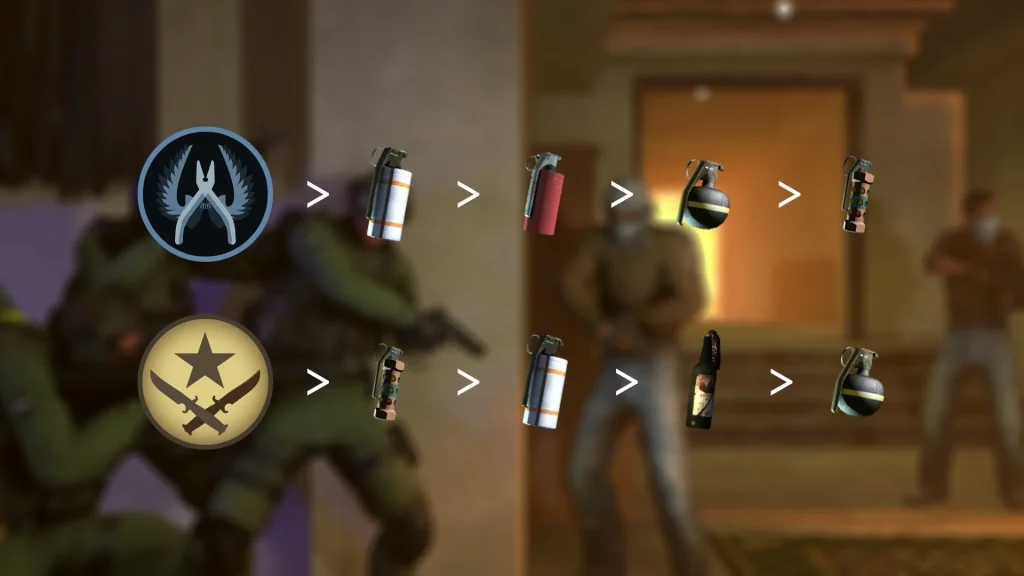
Typical utility coordination failures include:
- Flashbang team blinding: Player B throws blind flash into Player A’s engagement angle
- Smoke timing misalignment: Early smoke dissipation exposes pushing teammates
- Utility overlap: Multiple players wasting identical grenades on same positions
Strategic utility calling prevents this chaos through concise phrases:
- “Smoking CT in 3 seconds—execute on pop”
- “Flash over apps in 2…1…now!”
- “Hold position—mollying site box before entry”
During site executions, utility calling becomes exponentially more critical. Announcing “Mollying Sandbags—watch for jump peek!” does more than prevent friendly fire—it creates tactical opportunities by signaling teammates to watch for repositioning enemies or flushed-out opponents.
Elite teams operate like precision orchestras during attacks. Every utility piece serves deliberate purpose, each call synchronizes to establish unstoppable offensive rhythm.
While premium gear won’t instantly transform you into communication master, subpar equipment will definitively break your comms effectiveness. Microphone crackling, audio cutouts, or background noise interference transforms helpful calls into confusing noise pollution.
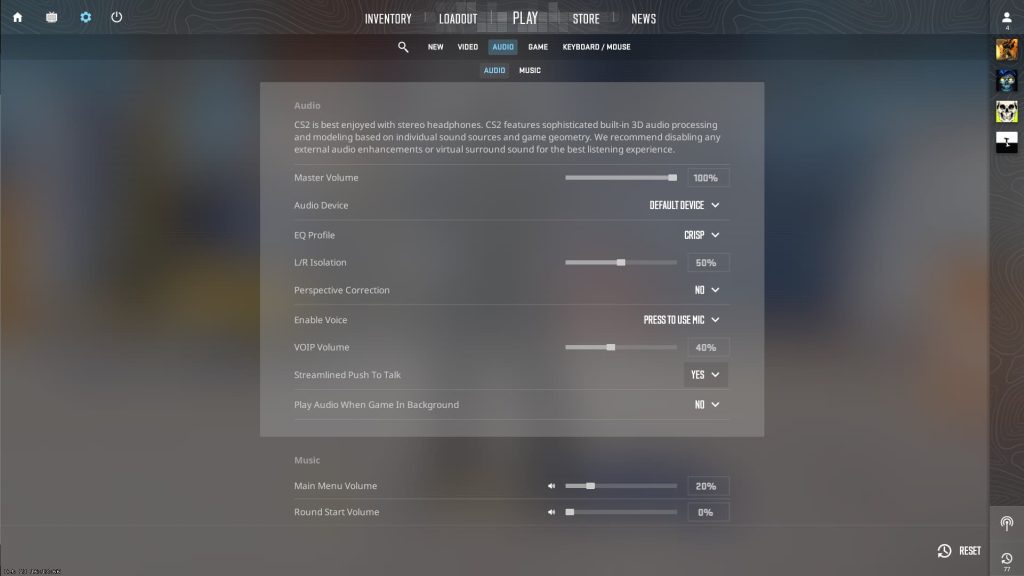
Investment in quality headset-microphone combination ensures your vocal transmissions reach teammates with maximum clarity and minimal latency.
Essential audio features for competitive CS2:
- Active noise cancellation: Eliminates keyboard clicks, fan noise, and ambient distractions that compromise call intelligibility.
Professional-grade recommendations include:
- HyperX Cloud II: Tournament-proven with detachable noise-canceling microphone
- SteelSeries Arctis Nova Pro: Premium dual-battery system for marathon sessions
- Audio-Technica ATH-G1: High-fidelity audio with broadcast-quality mic
Standalone microphone options like Blue Yeti or Elgato Wave:3 deliver studio-grade voice reproduction.
Studio-level equipment isn’t mandatory, but consistent “What did you say?” responses indicate urgent upgrade requirements.
In Counter-Strike 2, communication functions as the central nervous system of your team’s performance. Unlike individual-focused shooters, CS2 demands synchronized information sharing where every call serves as a strategic building block for round-winning plays.
Why Communication Wins Games
Consider this tactical scenario: your team faces a 2v4 post-plant situation. Without clear comms, players operate in isolation, making predictable moves. With effective communication, your team transforms into a cohesive unit capable of outmaneuvering numerically superior opponents.
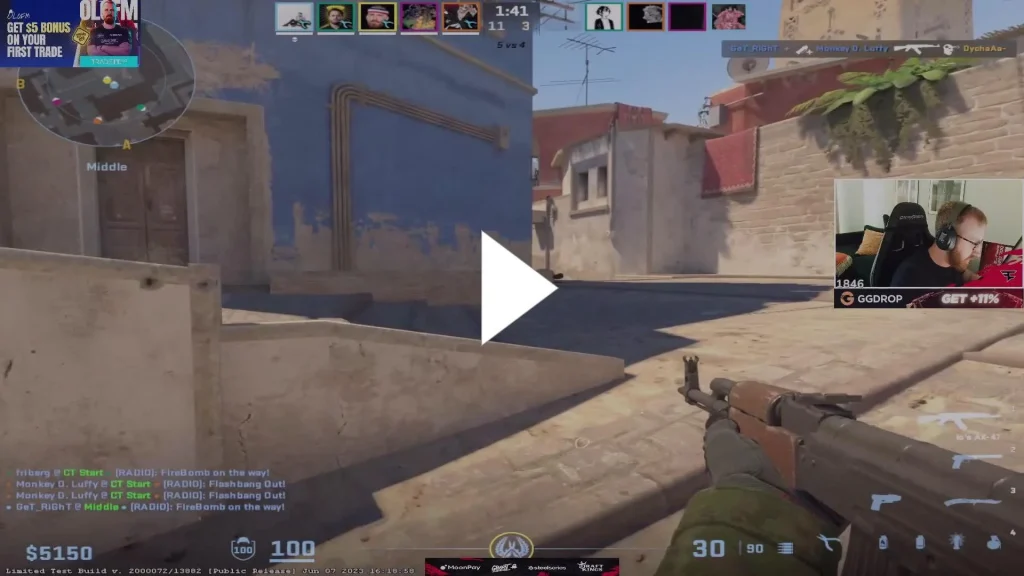
This comprehensive framework will elevate you from passive listener to proactive communicator who shapes round outcomes through strategic information delivery.
Essential Terminology Breakdown
Understanding CS2’s communication ecosystem requires mastering specific terminology that functions as your team’s operational language:
- Reactive calls – Immediate threat reporting: “Three pushing B tunnels with bomb”
- Strategic calls – Team movement coordination: “Let’s execute A split with mid control”
Strategic communication extends beyond simple enemy spotting to include economic assessments, utility planning, and rotation predictions based on map control patterns.
In CS2’s structured team environment, each position carries distinct communication responsibilities that optimize team performance when executed correctly.
Entry Fragger: The Frontline Intel
The entry fragger operates as your team’s reconnaissance unit, providing critical initial engagement data that determines execute success rates.
Entry Fragger
Positioned at the tactical vanguard, this player’s primary function involves securing opening kills while delivering immediate positional intelligence.
Effective communication patterns include:- “One heaven, tagged 60—trade available”
- “AWPer holding close angle—need flash support”
- “Site clear except one hiding default—check corners”
Their linguistic approach prioritizes brevity and urgency, converting visual data into actionable tactical commands within 1-2 second windows.
Support Player: Utility Coordination
Support specialists function as the team’s tactical enablers, using grenade deployment to create space and control enemy movement patterns.
Support players employ systematic utility communication:
- “Smoking cross in 3 seconds—execute on pop”
- “Double flashing ramp—push in 2, 1… now!”
- “Molly ready for back site—throwing on your entry”
These players ensure synchronized team movement through precise timing calls and grenade sequence coordination.
IGL: Strategic Decision Making
The In-Game Leader (IGL) serves as the team’s strategic processor, converting individual inputs into coordinated team actions.
IGL communication encompasses:
- “Default setup—gather info before committing”
- “If they stack A, we’ll hit B with fast rotate”
Exceptional IGLs demonstrate situational awareness by knowing when to maintain radio silence during clutch situations, allowing focused decision-making without auditory distraction.
Lurker: Information Gathering
Lurkers operate as intelligence gatherers, providing critical flank security and rotation intelligence.
Predictive Calls and Pattern Recognition
Advanced communication transcends reactive reporting to incorporate predictive analysis based on opponent behavioral patterns and economic cycling.
Consider this predictive scenario: After losing three consecutive rounds, the enemy team’s economy will typically force an eco round. Instead of waiting for the pistol rush, proactively call: “Expect eco push B—hold close angles with nade support ready.”
This proactive approach transforms your team from reactive defenders to proactive strategists who control engagement timing and positioning.
Coordinated Push Execution
Successful site executions depend on precisely timed communication sequences that synchronize utility deployment and player movement.
Consider a B-site execute on Mirage requiring coordinated timing:
- “Smokes deployed mid and apps—execute on flash pop”
- “Flashing over site in 3, 2, 1—push!”
Poorly coordinated pushes typically result from communication gaps where players enter sites sequentially rather than simultaneously, creating easy pick opportunities for defenders.
Utility Management Protocols
Advanced teams treat utility communication as a strategic resource management system rather than simple notification.
Effective utility calls include:
- “Holding execute—waiting for nade calls”
When executing coordinated strategies, communication should flow like a tactical orchestra—each player contributing specific inputs that combine into a cohesive team performance.
Daily Communication Drills
Transform your communication skills through structured practice routines that develop muscle memory for effective in-game speech patterns.
30-Second Intel Sweeps:
Load into practice maps and verbally report all visual information within 30-second intervals, focusing on clarity and relevance prioritization.Example training sequence: “Crossing mid, smoking connector… hearing B push… rotating through CT spawn…”
This exercise builds your ability to quickly process and verbalize critical game state information.
VOD Analysis Techniques
Review recorded gameplay with specific focus on communication effectiveness assessment:
- Identify missed call opportunities
- Analyze timing precision for critical information delivery.
Critical analysis questions include:
- Did I provide sufficient warning for rotations?
- Was my utility coordination properly timed?
- Did I maintain appropriate comms discipline during clutch situations?
Building Team Communication Culture
Establish team communication standards through regular structured reviews:
- Select 2-3 key rounds from recent matches
- Document communication patterns and effectiveness metrics
- Implement focused improvement goals for subsequent gameplay sessions.
For players looking to expand their tactical knowledge across different game modes, our Complete Guide provides comprehensive strategic frameworks applicable to CS2 communication principles.
Teams that prioritize communication development typically demonstrate 40% higher round conversion rates on executes and 35% improved clutch situation performance.
Action Checklist
- Practice economic pattern recognition by tracking enemy buy patterns across 3-round sequences
- Implement utility coordination calls in next 5 matches using specific phrases
- Record and review one match focusing exclusively on post-death intelligence quality
- Test audio equipment clarity with teammates and adjust settings accordingly
- Practice 30-second intel sweeps daily on practice maps
- Review one match recording weekly focusing solely on communication effectiveness
- Implement role-specific call protocols in your next 5 matches
- Establish team communication standards with regular review sessions
No reproduction without permission:Tsp Game Club » CS2 Communication Guide: How to Call Effectively