
TL;DR
- Warm-ups activate neural pathways for faster reaction times and better decision-making
- Role-specific training (entry, AWP, support) targets your specific in-game responsibilities
- Combine workshop maps with external aim trainers for comprehensive mechanical development
- Mental preparation and proper ergonomics are as crucial as aim practice
- Avoid overtraining by recognizing fatigue symptoms and adjusting intensity
Whether you’re battling through Silver ranks or pushing toward Global Elite status, one undeniable truth separates consistent performers from struggling players—systematic warm-up preparation before entering CS2 ranked matches creates a measurable competitive edge. You might possess the sharpest raw aim in your lobby, but if your hands feel sluggish and your crosshair placement drifts aimlessly, you’ll consistently lose engagements that should be guaranteed victories. This comprehensive guide explores scientifically-validated warm-up protocols for CS2 competitive play, delivering a structured framework to refine your mechanics, enhance performance stability, and consistently land those satisfying one-tap eliminations.
Let’s systematically deconstruct the process so you’re both cognitively and physically prepared before clicking that crucial “Start Match” button.
Why Warming Up Matters in CS2
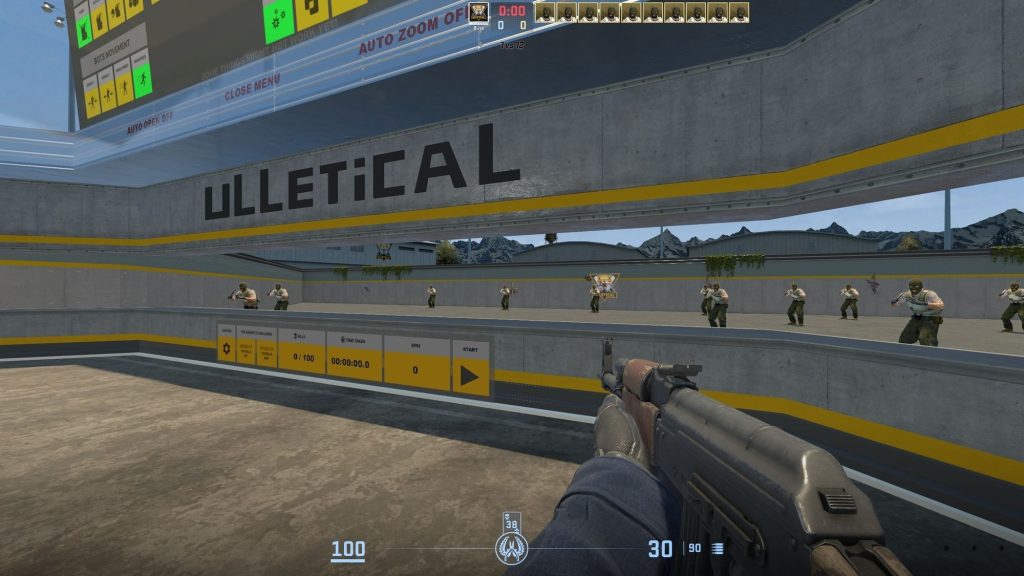
Warming up transcends mere ritual—it represents a physiological necessity for competitive gaming excellence. If you’ve ever launched directly into a ranked match without preparation and subsequently missed straightforward shots or found yourself consistently out-aimed at every engagement angle, you’ve experienced this reality through frustrating trial and error. However, let’s examine precisely why systematic warm-up preparation carries both scientific validity and strategic importance within the CS2 ecosystem.
Mental Focus and Reaction Time

CS2 represents as much a psychological challenge as it does a mechanical test. When your cognitive processing remains cold, you’ll frequently second-guess angle exposures, overextend peeks without proper clearance protocols, and generally execute suboptimal tactical decisions. A structured warm-up regimen provides your brain essential transition time to:
- Activate “game mode” neurological pathways
- Enhance situational awareness and concentration clarity
- Accelerate neural response velocity for critical split-second engagements
Conceptualize this process as dynamic stretching before an athletic sprint—you’re conditioning your reflexive systems to perform without conscious deliberation. Precision aiming involves not just physical hand coordination but equally your brain’s capacity to process enemy positioning data, predict peeking behaviors, and make real-time micro-adjustments. An effective warm-up synchronizes your visual processing capabilities with physical reaction timing.
Muscle Memory and Crosshair Control
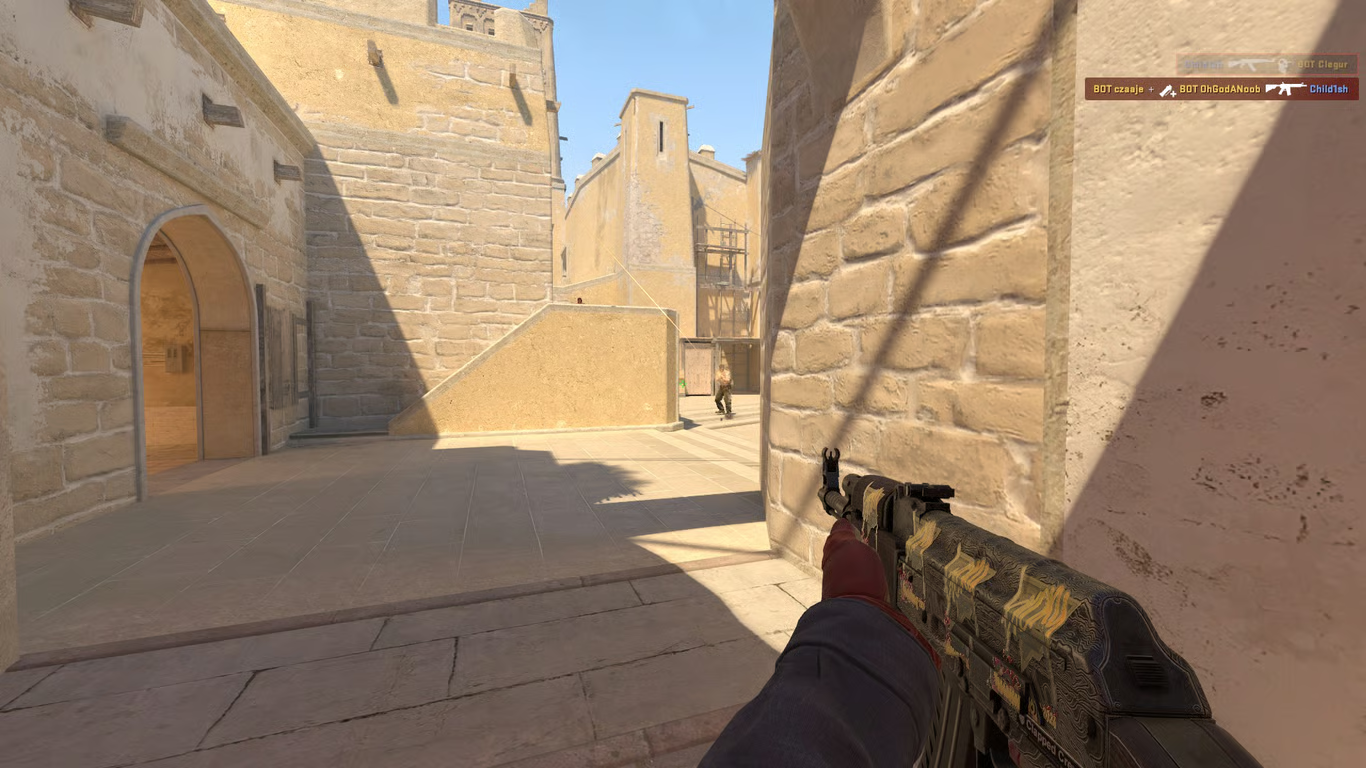
If you’ve observed professional competitors executing pixel-perfect headshots, that represents cultivated muscle memory rather than random chance. Through repetitive drilling before competitive sessions, you’re strengthening neural connections that facilitate intuitive mouse movement bypassing conscious thought. This neurological reinforcement produces:
- Enhanced crosshair positioning accuracy
- Accelerated flick targeting and object tracking
- Improved control management during high-stress spray transition scenarios
Your physical execution remembers what your cognitive processes consistently rehearse. This fundamental principle explains why productive warm-ups must incorporate purposeful practice methodologies rather than automated shooting repetition.
Not every competitor should approach warm-up identically—nor is this advisable. Your designated team function (combined with preferred gameplay methodology) should directly influence how you structure your preparatory routine. Whether you operate as an aggressive entry fragger, methodical AWPer, or strategic utility specialist, each positional responsibility demands targeted preparation emphasis.
Entry Fragger Warm-Up Focus
When you’re positioned as the initial site penetrator, your warm-up protocol should concentrate exclusively on:
- Flicks and reaction shots: Entry specialists fundamentally depend upon reaction velocity superiority over opponents.
- Pre-aiming common angles: Develop automatic muscular recall for those established peeking locations across Mirage, Inferno, and Overpass.
- Movement drills: You’ll systematically clear corners under defensive fire, thus requiring established muscle memory for jiggle peeking and wide swing engagements.
Your objective centers upon securing those 50/50 duel victories with unwavering confidence—functioning as the tactical spearhead necessitates lightning-fast reflexive execution and flawless crosshair positioning.
AWP Warm-Up Specifics
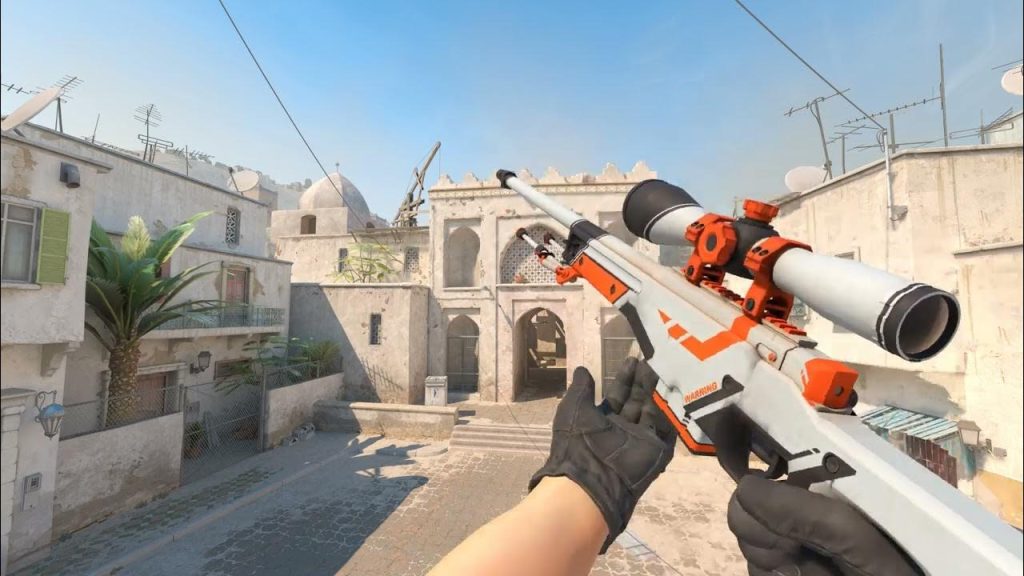
Sniper specialists succeed or fail based upon flick-shot precision. Your preparatory regimen should incorporate:
- Fast flick drills to both sides: Practice single-tap flick engagements at intermediate to extended combat ranges.
- Quick scoping and no-scoping mechanics: Verify your automatic muscular recall remains properly calibrated.
- Holding angles and fast repositioning: Execute rapid target acquisition while maintaining post-shot mobility discipline.
AWP execution revolves around strategic patience and mechanical precision. You don’t require bullet volume saturation—you demand shot efficiency optimization.
Support and Utility Practice
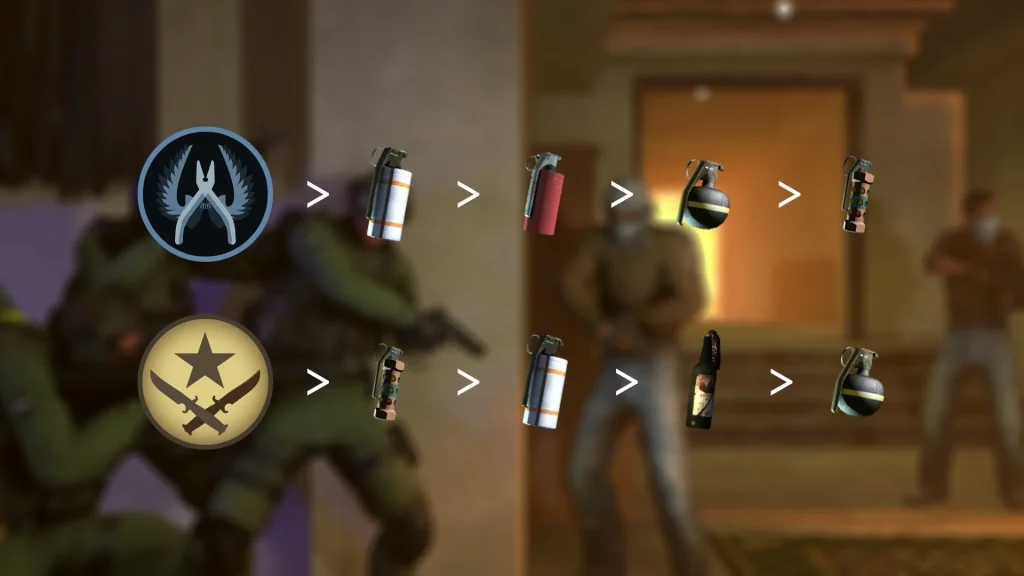
Support-oriented players might not engage every combat scenario, yet your preparatory routine maintains critical importance. Concentrate upon:
- Nade lineups: Practice smoke deployment, flashbang trajectories, and molotov placement patterns across your primary competitive maps.
- Crosshair placement drills: Even functioning in supportive capacities, you’ll encounter direct engagements. Never disregard fundamental aiming proficiency.
- Communication warm-ups: Develop comfort with utility calling protocols and trade execution coordination during pressure situations.
Operating as support doesn’t equate to limited impact. Perfectly timed flashbang deployment can secure round victories, and your shooting accuracy must remain sharp during cleanup operations or defensive holds.
To warm up with professional precision, you require appropriate training instrumentation. Fortunately, the CS2 community provides exceptional workshop creations and supplementary resources to develop precision mechanics, reflexive velocity, and competitive confidence.
Best Workshop Maps for Aim Training
If you continue utilizing basic Dust2 bot routines for preparation, you’re employing suboptimal methodology. Here are essential community training environments you must incorporate into your rotation:
- Aim Botz – Training
- Ideal for target transition exercises and flick-shot development
- Customizable artificial intelligence behavior, engagement distance, and movement patterns
- training_aim_csgo2
- A heritage training environment maintaining excellent functionality within CS2
- Superior for rapid shooting execution and visual reflexive calibration
- Yprac Maps (Mirage, Inferno, Overpass, etc.)
- Practice utility deployment, angle clearance, crosshair positioning across individual maps
- Perfect for role-customized warm-up protocols
- FAST AIM/REFLEX MAP
- Enhances close-quarters flick accuracy and counter-strafing synchronization
- Excellent for entry specialists or aggressive rifling specialists
These specialized training environments simulate authentic competitive scenarios, enabling comprehensive development across flick shooting, peeking methodology, and smoke deployment techniques.
Aim Trainers vs. In-Game Practice
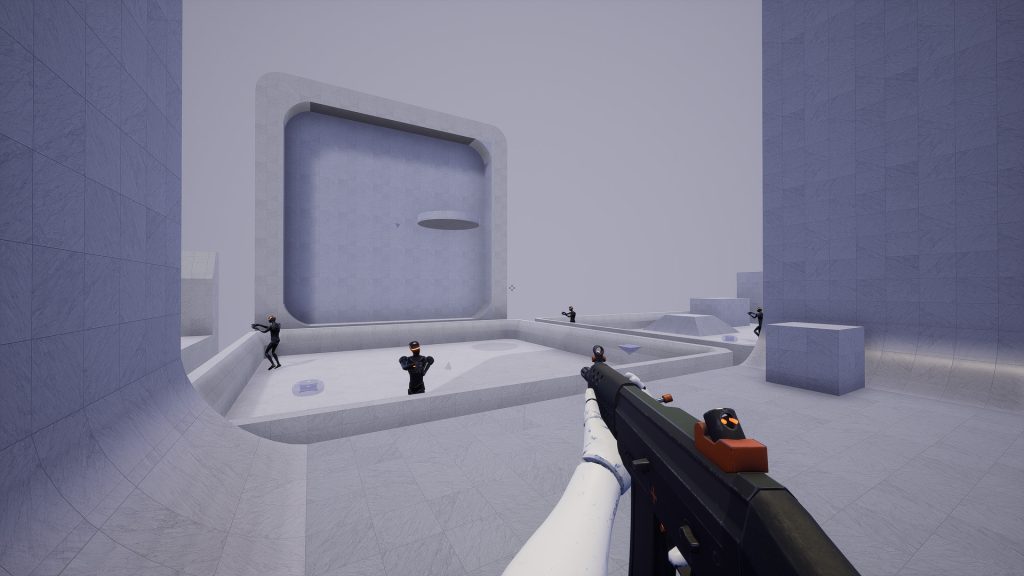
Certain competitors additionally employ external aiming trainers such as Kovaak’s, Aim Lab, or Aimtastic. While these represent solid instrumentation for establishing baseline aiming competency, nothing surpasses warming up within the CS2 environment for authentic gameplay muscular recall development.
- Use Aim Trainers if you’re developing:
- Pure flick-shot accuracy
- Hand-eye coordination synchronization
- Longitudinal aiming proficiency tracking
- Use CS2 Maps for:
- Weapon spray control management
- Crosshair positioning discipline
- Peeking methodology and angle clearance protocols
Optimal methodology? Integrate both approaches. Commence with external aiming instrumentation, then transition to in-game training environments for comprehensive preparatory development.
Let’s systematically analyze the optimal 30-minute warm-up protocol for CS2 competitors. This structural framework prepares you mechanically without energy depletion preceding match queuing.
First 10 Minutes: Aim and Tracking Drills
Initiate with Aim Botz or Kovaak’s to activate your flick-shot readiness. Emphasize:
- Head-height target transition exercises
- Controlled burst firing methodologies rather than automatic sustained discharge
- Movement target tracking across your visual field
Avoid automated shooting repetition—treat each training bot as authentic opposition. Practice control maintenance and velocity development simultaneously.
Next 10 Minutes: Recoil Control and Spray Practice
This segment establishes your spray pattern consistency. You might possess world-class flick accuracy, but if your spray discipline remains erratic and uncontrolled, you’ll consistently lose extended engagements. Here’s systematic calibration methodology:
- Utilize specialized environments like Recoil Master – Spray Training.
- Concentrate upon AK-47, M4A1-S/M4A4, and Galil/FAMAS spray pattern familiarization.
- Experiment with spray execution across variable engagement distances—close proximity, intermediate range, and extended combat scenarios.
Monitor attentively bullet deviation patterns during sustained firing. Don’t simply depress mouse1—manage your movement patterns, reset between controlled bursts, and practice the complete 30-round discharge sequence until automatic muscular recall activates.
Protocol recommendations for this routine segment:
- Execute firing sequences from both standing and crouched positions to simulate in-game adjustment requirements.
- Incorporate lateral movement while spraying to replicate authentic engagement dynamics.
- Integrate spray transition exercises—move systematically between training targets with controlled precision.
This methodology prioritizes intelligent spray management rather than rapid discharge volume.
Final 10 Minutes: Movement and Crosshair Placement
Now that your physical execution feels fluid and aiming precision remains calibrated, the concluding segment should reinforce positional awareness, systematic angle clearance, and crosshair positioning discipline—frequently the most underestimated aiming component.
Utilize Yprac training environments for this purpose. Here’s recommended procedure:
- Practice entry pathway execution across competitive maps like Mirage, Inferno, or Ancient.
- Clear engagement angles methodically while maintaining crosshair positioning securely anchored at head-height elevation.
- Incorporate movement methodology drills including jiggle peeking techniques, counter-strafing mechanics, and wide swing engagement protocols.
This ultimate preparatory phase simulates authentic ranked gameplay execution—site entry, pre-firing execution, peeking discipline, and positional reestablishment. Focus upon fluid, intentional movement patterns and avoid chaotic jumping reminiscent of undisciplined deathmatch behavior.
You should commence competitive matches with your physical execution calibrated for:
- Angle maintenance with precision execution
- Confident peeking execution
- Corner clearance execution with predator-like precision
Following completion of this structured 30-minute session, you’ll experience responsive execution, comprehensive preparation, and competitive readiness for ranked session initiation.
Now we progress toward elite competitive territory. The distinction between adequate warm-up preparation and exceptional methodology centers upon emphasizing performance stability over temporary excitement. You require repeatable drilling protocols that stabilize mechanical execution—not merely elimination accumulation in deathmatch environments.
Static Target Flick Shots
Commence fundamentally—flick execution toward stationary targets. Employ Aim Botz or Yprac Aim Arena configurations for immobilized head targets. The objective?
- Execute exclusive headshot eliminations
- Single-tap execution, subsequent reset protocol
- No spray methodology, no panic execution—pure precision methodology
Maintain this drilling sequence for 5 continuous minutes, adjusting between proximate and distant training bots. Don’t concentrate upon velocity initially—achieve accuracy precision first, then systematically develop velocity parameters.
Drill optimization technique:
Implement temporal constraints for each flick execution. Condition your cognitive processing to react under temporal pressure, simulating authentic peeking scenarios within ranked competition.
Dynamic Moving Targets
Now introduce complexity: mobile engagement targets. These replicate peeking opposition or strafing duel participants.
Utilize:
- Fast Aim Reflex Training specialized environment
- Aim Lab training scenarios incorporating strafing artificial intelligence
Initiate with reduced velocity bots and progressively accelerate movement parameters. This instructional methodology develops:
- Micro-adjustment execution during mid-flick scenarios
- Improved timing synchronization for tracking and shooting execution
- Concentration maintenance during chaotic engagement moments
The strategic approach here avoids target pursuit—lead your aiming trajectory minimally, analogous to intercepting opposition movement patterns.
Strafing and Counter-Strafing Practice
Among the primary reasons competitors miss engagements involves deficient counter-strafing execution. If you discharge during movement execution, your bullet dispersion expands dramatically. Therefore practice this methodology:
- Employ Yprac training environments or Deathmatch server configurations
- Strafe leftward, cessation execution, discharge. Strafe rightward, cessation execution, discharge.
- Concentrate upon clean movement resets and shot timing synchronization
Integrate variation:
- Tap-shooting execution during counter-strafing sequences
- Spray execution and adjustment methodology during movement execution
- Crouch peeking execution following strafing sequences
This methodology centers upon rhythmic development. When your physical execution senses the timing synchronization, you’ll intuitively discharge with enhanced accuracy during mid-engagement scenarios.
Whether you’re climbing from Silver ranks or pushing through Global Elite, one undeniable truth remains—effective warm-up routines before CS2 ranked matches create game-changing advantages. You might possess the most lethal aim in your lobby, but if your hands remain cold and crosshair floats unpredictably, you’ll consistently lose duels you should dominate. This comprehensive guide explores optimal warm-up strategies for CS2 competitive play, delivering a clear blueprint to refine your mechanics, enhance consistency, and land those crisp one-taps like an elite professional.
Let’s systematically break down each component so you’re mentally sharp and mechanically prepared before clicking “Start Match.”
Why Warming Up Matters in CS2
Warm-ups transcend mere ritual—they’re competitive necessities. If you’ve ever joined ranked matches without preparation and found yourself missing straightforward shots or getting consistently out-aimed, you’ve experienced this reality painfully. But let’s examine why warming up proves scientifically and strategically critical in CS2’s high-stakes environment.
Mental Focus and Reaction Time
CS2 represents as much psychological warfare as mechanical competition. When your mind remains unprimed, you’ll likely second-guess angles, overpeek without proper checking, and generally make poor tactical decisions. Structured warm-up routines grant your brain crucial time to:
- Transition into “game mode” mentality
- Heighten concentration and situational awareness
- Accelerate reaction speeds for decisive split-second engagements
Consider it analogous to stretching before sprinting—you’re conditioning reflexes to respond without delay. Precision aiming involves not just hand coordination but also cognitive processing of enemy positions, peeking patterns, and rapid adjustments. Effective warm-ups synchronize visual processing with physical reaction capabilities.
Muscle Memory and Crosshair Control
If you’ve witnessed professional competitors landing pixel-perfect headshots consistently, that demonstrates trained muscle memory rather than luck. Through pre-match drills, you strengthen neural pathways enabling mouse movements without conscious thought. This results in:
- Superior crosshair positioning
- Quicker flick shots and target acquisition
- Enhanced control during high-pressure spray transitions
Your hands retain what your mind repeatedly practices. That’s precisely why warm-ups must incorporate deliberate practice rather than aimless shooting.
Different players shouldn’t employ identical warm-up methods—nor should they. Your team role and preferred playstyle must dictate how you structure preparation. Whether you’re an aggressive entry fragger, patient AWPer, or tactical support specialist, each position demands targeted focus areas.
Entry Fragger Warm-Up Focus
When you’re the initial player storming bomb sites, your warm-up should concentrate on:
- Flick shots and rapid reactions: Entry specialists thrive on outpacing opponents.
- Pre-aiming standard angles: Develop muscle memory for common peeking locations on maps like Mirage, Inferno, and Overpass.
- Movement exercises: You’ll navigate corners under enemy fire, so establish muscle memory for jiggle peeks and wide swings.
Your objective involves winning 50/50 duels confidently—spearheading assaults demands lightning-quick reflexes and flawless crosshair placement.
AWP Warm-Up Specifics
AWP specialists succeed or fail based on flick accuracy. Your preparation should incorporate:
- Rapid flick drills to both directions: Practice single-tap flicks at medium to extended distances.
- Quick scope and no-scope mechanics: Ensure muscle memory remains precisely calibrated.
- Angle holding and quick repositioning: Snap between positions and focus on mobility following each shot.
Sniper gameplay centers on patience and precision. You don’t require bullet spam—you need every shot to count decisively.
Support and Utility Practice
Support players might not engage every duel, but your preparation proves equally vital. Concentrate on:
- Grenade lineups: Practice smoke, flashbang, and molotov placements on preferred maps.
- Crosshair placement exercises: Even supporting roles encounter duels. Never neglect aiming fundamentals.
- Communication practice: Accustom yourself to calling utility usage and trade opportunities under pressure.
Playing support doesn’t equate to minimal impact. Perfectly timed flashes can secure round victories, and your accuracy must remain sharp during cleanup operations or defensive holds.
To warm up professionally, you require appropriate tools. Fortunately, the CS2 community provides exceptional workshop maps and third-party resources to build precision, speed, and confidence.
Best Workshop Maps for Aim Training
If you’re still utilizing Dust2 bots for preparation, you’re employing suboptimal methods. Here are essential community maps you must incorporate into your rotation:
- Aim Botz – Training
- Ideal for target transitioning and flick shots
- Customize bot behavior, spacing, and movement patterns
- training_aim_csgo2
- A legacy map continuing excellent performance in CS2
- Superb for rapid shooting and visual reflex development
- Yprac Maps (Mirage, Inferno, Overpass, etc.)
- Practice grenades, angles, crosshair positioning for specific maps
- Perfect for position-specific preparation
- FAST AIM/REFLEX MAP
- Enhances close-range flicks and counter-strafe timing
- Excellent for entry specialists or aggressive riflers
These maps replicate authentic game scenarios, enabling work on everything from flicks to peeking to smoke deployments.
Aim Trainers vs. In-Game Practice
Certain competitors additionally employ external aim trainers such as Kovaak’s, Aim Lab, or Aimtastic. While these represent solid tools for developing baseline aiming skills, nothing surpasses warming up within CS2 for authentic game muscle memory.
- Utilize Aim Trainers when focusing on:
- Raw flick precision
- Hand-eye coordination enhancement
- Monitoring long-term aiming development
- Employ CS2 Maps for:
- Spray pattern control
- Crosshair positioning
- Peeking and angle clearing techniques
Optimal methodology? Combine both approaches. Commence with external aim trainers, then transition to in-game maps for comprehensive preparation.
Let’s deconstruct the ideal 30-minute warm-up structure for CS2 competitors. This framework prepares you mechanically without depleting energy reserves before queuing.
First 10 Minutes: Aim and Tracking Drills
Begin with Aim Botz or Kovaak’s to activate your flick capabilities. Concentrate on:
- Head-height target transitioning
- Short burst firing rather than automatic spraying
- Tracking mobile targets across your display
Avoid thoughtless shooting—treat each bot as genuine opposition. Practice control and velocity simultaneously.
Next 10 Minutes: Recoil Control and Spray Practice
This segment solidifies your spray consistency. You might possess world-class flick accuracy, but if your spray patterns remain erratic and undisciplined, you’ll consistently lose extended engagements. Here’s proper calibration methodology:
- Employ maps like Recoil Master – Spray Training.
- Focus on AK-47, M4A1-S/M4A4, and Galil/FAMAS spray configurations.
- Experiment spraying across varying distances—close, medium, and extended ranges.
Monitor bullet deviation patterns during spraying sequences. Don’t simply hold mouse1—manage movement, reset between bursts, and practice complete 30-round patterns until muscle memory activates.
Tips for this routine segment:
- Shoot from standing and crouched positions to simulate in-game adaptations.
- Move laterally while spraying to replicate duel scenarios.
- Incorporate spray transitions—shift between bots maintaining control.
It’s not about accelerated spraying—it’s about intelligent spraying.
Final 10 Minutes: Movement and Crosshair Placement
Now that your hands feel loose and aiming proves precise, the concluding portion should reinforce positioning, angle management, and crosshair positioning—among aiming’s most undervalued components.
Utilize Yprac maps accordingly. Recommended activities:
- Practice entry routes on maps including Mirage, Inferno, or Ancient.
- Systematically clear angles while maintaining crosshair fixed at head elevation.
- Include movement exercises such as jiggle peeks, counter-strafing, and wide swings.
This final stage emulates actual ranked gameplay—entry tactics, pre-firing, peeking, and repositioning. Emphasize fluid, intentional movement and avoid chaotic jumping like deathmatch randomness.
You should enter matches with hands calibrated for:
- Holding angles with exactness
- Peeking confidently
- Clearing corners proficiently
Upon completing this 30-minute session, you’ll experience responsive, prepared readiness for ranked competition.
Want to prepare like elite professionals? Here’s insider access to how top CS2 competitors enter optimal states before major matches.
S1mple’s Warm-Up Breakdown
Oleksandr “S1mple” Kostyliev demonstrates more than raw talent—he employs systematic methodology. His preparation regimen incorporates:
- 30 minutes of Aim Botz headshot-exclusive practice
- 15 minutes of flick training utilizing custom maps
- 15–30 minutes of Deathmatch (headshots exclusively, AK or Deagle)
- AWP preparation when assuming sniper responsibilities that match
He emphasizes efficiency, accuracy, and discipline—never engaging in wild spraying or time wastage. S1mple maintains preparation commitment consistently, regardless of previous game quantities.
NiKo’s Aim Routine
Nikola “NiKo” Kovač achieves recognition through rifle dominance. His preparation includes:
- 20 minutes of Yprac Aim Trainer
- Recoil pattern exercises for AK and M4 weapons
- Crosshair positioning runs across Mirage and Inferno maps
- 10 minutes of headshot-only Deathmatch
NiKo transcends simple bot elimination—he practices systematic angle clearing and sustaining his peeking advantage timing.
Zywoo’s Pre-Game Habits
Zywoo represents more relaxed competitive approaches. His preparation concentrates on:
- Brief, intensive 15–20 minute Aim Botz sessions
- Composed DM gameplay—he actively avoids rushing
- Psychological visualization and constructive mindset development
Zywoo additionally avoids excessive preparation, preferring to begin matches refreshed, not exhausted. His objective? Quality superseding quantity in every mouse click.
Warm-ups prove essential, yet delicate boundaries exist between preparedness and overpreparation. If you train excessively before competition, you might initiate ranked sessions cognitively fatigued and mechanically inconsistent. Let’s discuss maintaining sharpness without excessive effort.
Recognizing Overtraining Symptoms
You might consider playing 2 hours of deathmatch before ranked demonstrates dedication—but frequently represents direct pathways toward burnout. Here are indicators you’re preparing excessively:
- Diminished aiming precision following 30–45 minute sessions
- Mental cloudiness—you’re spacing out rather than focusing
- Fatigued hands or fingers
- Irritability or frustration during preparation
If you detect any such symptoms, step back momentarily. Remember: your warm-up should generate heightened focus, not depletion.
Light vs. Heavy Warm-Ups
Consider warm-ups analogous to physical training: light and heavy regimens exist, and you should customize them according to current condition.
Light Warm-Up (15–20 mins)
- Employ when you’ve previously completed several games earlier
- Brief Aim Botz practice
- Limited rounds on Yprac or 5v5 deathmatch
- Movement and peeking exercises
Heavy Warm-Up (30–45 mins)
- Utilize before your initial daily match or returning following breaks
- Comprehensive Aim Botz → Spray Training → Yprac progression
- Recoil management, tracking, and entry path development
- Optional: 10 minutes of Aim Lab or Kovaak’s to extend boundaries
Consistently heed bodily signals. You’re not mechanical—if hands feel rigid, stretch thoroughly. If mind seems unclear, temporarily withdraw and return subsequently.
Action Checklist
- Execute 10-minute Aim Botz session focusing on head-level target transitions and controlled burst firing
- Practice recoil control using Recoil Master map for AK-47 and M4 patterns
- Run Yprac maps for movement drills and crosshair placement
- Complete role-specific training based on your team position
- Allocate 30 minutes for comprehensive preparation: 10 minutes aim training, 10 minutes spray control, 10 minutes movement practice
- Select role-appropriate drills (entry fragger flicks, AWP precision, support utility)
- Monitor for overtraining signs: decreased accuracy, mental fog, hand fatigue
- Adjust intensity based on daily condition and previous gameplay
No reproduction without permission:Tsp Game Club » Best Warm-Up Routines for Ranked Matches