
TL;DR
- Solo queue builds individual skill and adaptability through chaotic matchmaking environments
- 5-stack play emphasizes team coordination, communication, and strategic execution
- Hybrid approaches combining solo and team play yield the fastest improvement rates
- Advanced players should use 5-stacks for strategy development and solo for mechanical practice
- Queue times and team consistency are critical factors in choosing your playstyle
The competitive gaming landscape continues to evolve rapidly, presenting players with a fundamental choice that significantly impacts their progression: should you embrace the solitary challenge of solo queue or coordinate with a dedicated 5-stack team? This decision influences not just your win rate but your overall development as a player across titles like League of Legends, Valorant, Dota 2, and CS:GO. Understanding the core mechanics and psychological aspects of each approach is essential for maximizing your gaming potential.
Defining Solo Queue Mechanics
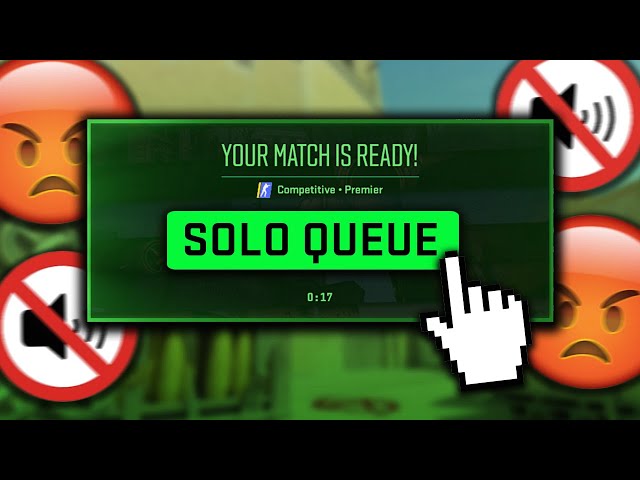
Solo queue represents the individual competitive experience where players enter matchmaking systems alone, being paired with and against others of comparable skill levels. This system forms the foundation of ranked progression in most major esports titles, characterized by its unpredictable nature and demanding progression systems that test player resilience.
The majority of competitive gamers begin their ranked journeys through solo queue systems. Whether you’re a newcomer aiming to ascend the competitive ladder or an experienced competitor pursuing higher rankings, this mode is widely regarded as the most authentic assessment of personal capabilities. It compels you to develop game understanding autonomously, track meta developments, and enhance your flexibility with each competitive session.
Built-in team chemistry and coordinated voice communications are absent—success depends entirely on your performance capacity and interaction effectiveness with randomly assigned teammates. While frequently challenging, the experience offers substantial rewards. Your triumphs feel genuinely earned, errors remain your exclusive responsibility, and advancement mirrors your individual development as a competitor.
The Psychology of Solo Play
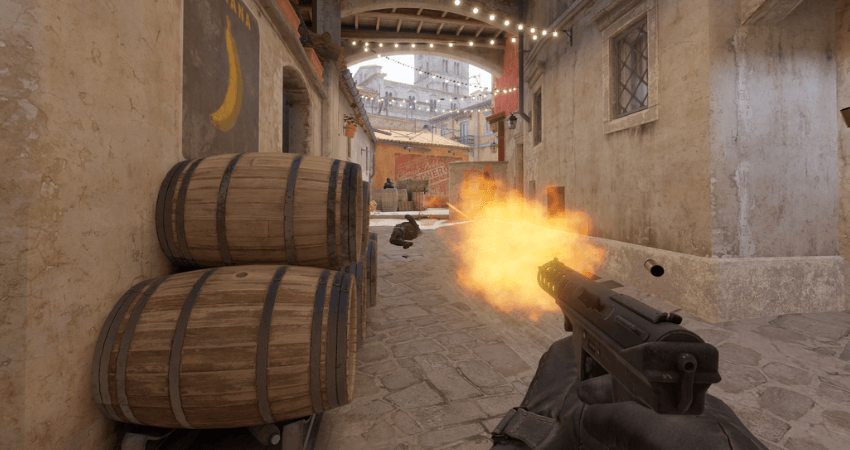
Why do countless competitors consistently engage with the volatile solo queue environment? The answer centers on autonomous decision-making. There’s profound satisfaction in single-handedly determining match outcomes or executing pivotal plays without dependence on organized team structures.
- Complete Agency: You maintain full authority over character selections, gameplay approaches, and tactical planning without concessions for social dynamics or team composition requirements.
- Schedule Flexibility: No requirement to coordinate teammate availability or manage timing conflicts.
- Accelerated Skill Acquisition: You’re compelled to develop proficiency across multiple positions and playstyles, accelerating your learning trajectory.
- Unfiltered Competitive Spirit: It represents direct personal challenge against the competitive ecosystem.
The solo queue environment facilitates rapid learning through systematic failure analysis. You’ll encounter diverse player types—skilled, inexperienced, negative, and encouraging—and every match transforms into an educational opportunity. You develop understanding not merely of technical mechanics, but also leadership dynamics, emotional management, and adversity response strategies.
Naturally, solo queue presents limitations (detailed subsequently), but it unquestionably develops psychological durability. This is where exceptional players emerge, where content creators demonstrate raw ability, and where dedicated ranked competitors persistently advance toward peak rankings.
5-Stack Fundamentals
A 5-stack configuration consists of five players entering competitive matchmaking as a coordinated unit. Whether comprising friendship circles, community organizations, or professional squads, 5-stacks embody the pinnacle of organized teamwork across most competitive gaming environments.
In titles such as Valorant, Overwatch 2, or League of Legends, participating with a pre-formed group fundamentally alters game dynamics. Communication occurs seamlessly (typically through Discord or integrated voice systems), strategic planning happens pre-match, and role assignments follow team chemistry considerations rather than random chance.
The experience transitions from standard match participation to authentic team sport engagement. You’re not merely competing for victory—you’re performing as an integrated collective. Team dynamics, mutual trust, and collective objectives become operational factors, and when synchronization occurs, it delivers profoundly satisfying outcomes.
Team Communication Systems
Gaming with established companions extends beyond entertainment (though that constitutes a significant component). It also relates to increased victory frequency, maintaining positive mindset during difficult matches, and avoiding the unpredictability inherent in solo queue systems.
- Enhanced Information Exchange: You can coordinate tactical maneuvers, synchronize positional rotations, and develop strategies in real-time, resulting in more precise execution.
- Reduced Frustration, Increased Enjoyment: Defeats experienced alongside friends feel significantly less discouraging than solitary losses. Additionally, you can treat errors with humor.
- Role Specialization: Individual players can achieve mastery within their designated positions—eliminating disputes over support or assault roles.
- Predictable Play Patterns: Gradually, your squad establishes distinctive operational rhythms, improving coordination efficiency with successive matches.
The psychological advantage of 5-stack participation is substantial. When confident that your teammates provide reliable support, you compete with greater assurance. You’re also substantially less likely to encounter disruptive players or intentional performance sabotage, which afflict solo queue environments excessively.
Furthermore, within ranked environments, numerous competitors document elevated success percentages when entering matchmaking as a coordinated 5-stack, particularly when all participants maintain aligned perspectives. However, matchmaking algorithms frequently counterbalance this advantage by matching 5-stacks against other full teams or moderately stronger opposition, maintaining competitive integrity.
Pros of Solo Queue
Faster Matchmaking
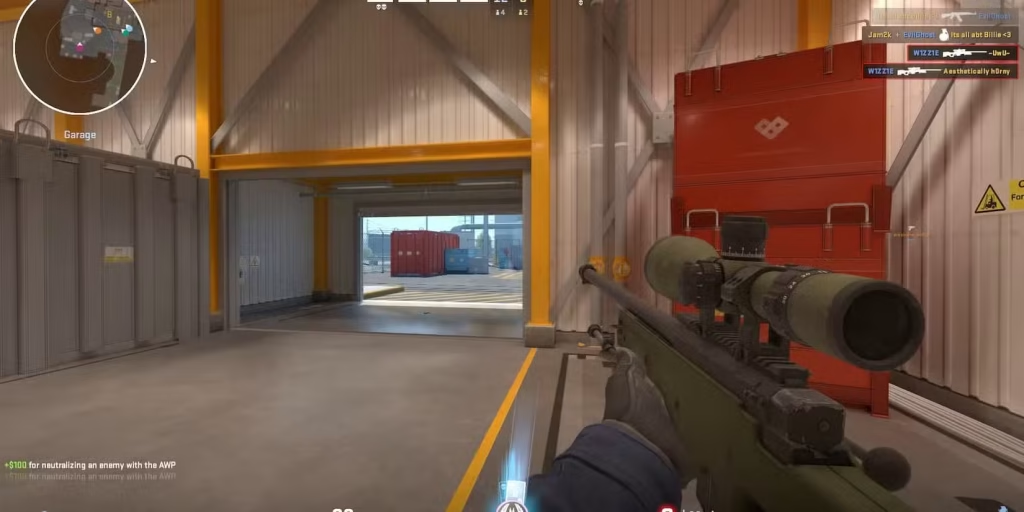
Let’s address reality directly—among the most significant benefits of solo queue is expedited game entry. Since the algorithm must locate only one participant per team, queue durations typically remain shorter compared to 5-stack matchmaking, which requires accommodating complete team pairings.
In high-level competitive environments or specialized regions, this distinction creates substantial impact. An individual competitor might join matches within 30 seconds, while a 5-stack could wait 5-10 minutes—or longer—for appropriately balanced contests. If you’re progressing competitively following work or educational commitments, accumulated time becomes meaningful.
Additionally, the matchmaking system operates with more extensive selection pools, increasing likelihood of encountering matches closely aligned with your skill capabilities. While teammate quality may fluctuate, queue velocity persists as one of solo queue’s primary attractions, especially for recreational players or broadcasters maintaining continuous content flow.
Accelerated matchmaking additionally contributes to competitive momentum preservation. Regardless of outcome, you return to action rapidly, assisting in maintaining concentration and motivation throughout extended ranked gaming periods.
Improved Personal Growth and Adaptability
Solo queue compels you to adjust to unpredictable circumstances, and that capability extends beyond gaming contexts. Every match presents unique challenges, and you remain uncertain about teammate or opponent characteristics. Sometimes you’re carrying performance burdens, sometimes providing support functions, and other instances desperately attempting strategic direction despite communication silence or negativity.
This environment of uncertainty develops resilient, flexible competitors. You acquire skills to maximize limited resources, optimize personal impact, and address team composition deficiencies dynamically.
Key personal development advantages encompass:
- Enhanced Game Intelligence: Map interpretation, rotation anticipation, and timing comprehension become instinctive.
- Communication Skill Development: You enhance capacity to convey critical information rapidly and clearly—even when teammates disregard communication.
- Psychological Durability: Losing sequences and negative gaming environments evaluate your patience, assisting in building resilience and emotional regulation.
- Positional Versatility: You eventually experiment with every role and character, deepening comprehensive game understanding.
In summary, solo queue strengthens competitor capabilities. While not consistently pleasant, it produces comprehensively developed, self-sufficient gamers capable of handling any scenario the game presents.
Freedom to Experiment
Experiencing fatigue from identical role repetition? Interested in testing unconventional builds or non-meta selections? Solo queue serves as your experimentation laboratory. Unlike 5-stack configurations where team chemistry and strategic planning dominate, solo queue permits exploration and innovation according to personal preferences.
- Explore New Positions: Curious about jungle dynamics or sniper capabilities? Proceed without restrictions.
- Unconventional Character Choices: Utilize that unusual hero or tactical approach observed on community platforms—no restrictions apply.
- Experiential Learning Methodology: No superior method exists for role comprehension than complete immersion.
While your teammates might not consistently approve (particularly during ranked sessions), solo queue represents the optimal environment for refining technical mechanics and testing novel concepts without compromising team strategic integrity.
Cons of Solo Queue
Lack of Team Coordination
Among the most significant frustrations within solo queue environments is the absence of cohesive team operations. Since you’re matched with random participants, there’s no assurance of communication, synergy, or fundamental teamwork. You might encounter one competitor advancing objectives, another pursuing eliminations, and a third who’s temporarily unavailable.
In most competitive games, coordination constitutes the foundation of success—and solo queue frequently resembles chaotic unstructured competition. You depend on optimism rather than strategic planning. Unless fortunate to receive highly skilled and cooperative teammates, you frequently find yourself responding to disconnected decisions.
Critical coordination challenges include:
- Strategic Direction Deficiency: Without designated leadership or in-game direction, tactical executions occur randomly.
- Timing Synchronization Failures: Ultimate abilities, positional rotations, and objective advancements frequently lack coordination.
- Positional Conflict Situations: Multiple participants desire identical roles or characters, resulting in automatic assignments or disagreements.
Even with positive intentions, linguistic barriers, suboptimal audio equipment, and trust deficiencies can render communication inefficient or nonexistent. This complicates execution of advanced strategies or coordinated advances, potentially determining the difference between decisive victory and disorderly defeat.
In essence, solo queue typically evaluates your capacity to carry performance or adjust, rather than your ability to function within established systems. If you’re the type of competitor who excels through strategic planning and synergistic cooperation, solo queue can feel isolating.
Higher Chance of Toxicity
Let’s confront reality directly: solo queue maintains established perceptions, and not necessarily positive ones. When combining anonymity with competitive environments and high-stakes scenarios, you frequently encounter emotional frustration, blame distribution patterns, and direct negativity.
Unlike 5-stack configurations where participants generally maintain mutual accountability, solo queue functions as breeding ground for:
- Verbal Hostility: Participants criticizing others for errors—actual or perceived.
- Disruptive Behavior and Intentional Performance: Teammates deliberately underperforming, selecting disruptive characters, or refusing cooperation.
- Immediate Emotional Response: Single elimination or mistake triggers participant surrender or early concession requests.
- Accountability Avoidance Culture: Participants frequently redirect responsibility, complicating learning and development processes.
This negative environment doesn’t merely diminish enjoyment—it can significantly impact psychological state. Losing matches because of negative teammates feels substantially worse than simple competitive defeat. Gradually, it can precipitate competitive exhaustion, where the game you appreciate begins feeling obligatory.
Platform providers and developers have attempted resolution through mute functions, reporting mechanisms, and disciplinary measures, but negativity persists as fundamental challenge within solo queue ecosystems. The most accomplished competitors acquire skills to mute promptly, maintain focus, and preserve emotional stability—but not everyone possesses this capability, and that’s acceptable.
Inconsistent Performance and Win Rates
Within solo queue environments, your personal performance doesn’t consistently correlate with victories. You might achieve 30-elimination performances yet still experience defeat because your team couldn’t secure objectives or maintain map dominance. This represents one of the most aggravating aspects of individual competitive participation.
Factors contributing to performance instability include:
- Team Skill Variation: You remain uncertain whether teammates are experiencing successful sessions—or encountering losing sequences.
- Secondary Accounts and Skill Enhancement Services: Certain matches appear unachievable because of imbalanced skill distributions.
- Role Synergy Deficiencies: Fielding five assault specialists without defensive roles rarely concludes successfully.
- Momentum Transition Events: Single performance errors can reverse match outcomes, and solo queue teams frequently lack cohesive recovery capabilities.
This performance instability results in rank fluctuation patterns, where you secure three consecutive victories, only to experience five defeats the following day. It additionally complicates accurate measurement of your authentic progression as a competitor. Your capabilities might be advancing, but your ranking might not reflect this advancement—currently.
Over extended periods, this instability can undermine confidence. It transforms competitive advancement into gambling-like experiences, where chance factors equally influence outcomes alongside skill. That’s why numerous participants eventually transition toward duo or 5-stack participation, where outcomes feel more predictable and controllable.
Which Option is Better for Climbing Rank?
The central competitive question—should you pursue individual progression or coordinated team advancement for ranking improvement? The resolution, as consistently, is: dependent upon your objectives, psychological framework, and consistency patterns.
Solo Queue is Better If:
- You aim to enhance personal mechanical capabilities rapidly.
- You possess restricted gaming availability and desire expedited match participation.
- You feel comfortable adjusting to randomly assigned teammates.
- You prefer comprehensive authority over gameplay decisions.
5-Stack is Better If:
- You prioritize team cooperation and communication effectiveness.
- You maintain consistent companion groups with comparable skill levels.
- You intend to cultivate extended synergy development and macro-level strategic comprehension.
- You compete during peak participation periods and can accommodate extended queue durations.
For the majority of competitors, a strategic combination of both represents the ideal approach. Solo queue instructs independent operation and sharpens individual capabilities. 5-stacks teach coordination, strategic planning, and trust development. Alternating between these approaches according to emotional state, availability, or objectives can maintain game freshness and assist development across all competitive dimensions.
Balancing Solo and 5-Stack for Maximum Improvement
If you’re committed to competitive enhancement and increased enjoyment, the solution resides in integrating both methodologies into your regular routine. Utilize each approach to develop different components within your competitive toolkit.
Tips for Balancing Both:
- Individual Progression Sessions: Concentrate on enhancing underdeveloped positions or technical mechanics.
- Team Development Practice: Rehearse tactical executions, positional recoveries, and overarching strategic concepts.
- Post-Match Analysis Collaboration: Individual or coordinated, participate in communication sessions following matches and conduct performance evaluations.
- Casual Mode Utilization: Reserve 5-stack participation for non-ranked environments to minimize ranking pressure.
- Collective Objective Establishment: Within 5-stack configurations, align on goals such as “master innovative composition” or “practice recovery scenarios.”
By merging the high-pressure educational environment of solo queue with the profound synergy of coordinated team participation, you access optimal competitive dimensions. You evolve into an adaptable, comprehensively developed competitor capable of adjusting to any team, composition, or chaotic situation the game presents.
Conclusion
Therefore, solo queue versus 5-stack—which represents superior choice? The reality remains, both possess legitimate positions, and both can assist your development into a superior player, contingent upon utilization methodologies.
Solo queue enhances your instinctive capabilities, constructs psychological resilience, and instructs autonomous operation. 5-stacks enable access to authentic coordination potential, social dynamics, and shared strategic development. The pathway you select—or integrate—depends entirely on your objectives, personality characteristics, and gameplay preferences.
Whether you’re advancing competitively toward elite rankings or simply enjoying social interactions during recreational sessions, comprehending the advantages and limitations of each approach can optimize your time investment within the game.
Competitive gaming continues to evolve at breakneck speed, and if you’re actively engaged in titles like League of Legends, Valorant, Dota 2, or CS:GO, you’ve undoubtedly encountered the perennial debate—should you venture alone or assemble your elite squad? While both approaches deliver distinct thrills and challenges, your choice between solo queue and 5-stack gameplay profoundly impacts your performance trajectory, ranking progression, and overall enjoyment. This comprehensive guide delves into the nuanced advantages and limitations of each format, empowering you to select what aligns with your gaming philosophy and objectives.
What is Solo Queue in Online Games?
Solo queue represents individual matchmaking without pre-established team connections. You’re deployed into matches alongside and against players of comparable ranking or ability levels, depending on randomly assigned teammates to achieve victory. This format serves as the foundational experience for most competitive ranking systems across major gaming titles. It’s raw, unpredictable, and frequently demanding—yet these very characteristics contribute to its compelling nature.
The majority of competitive gamers initiate their ranking journey through solo queue participation. Whether you’re a newcomer aiming to ascend the ladder or a veteran pursuing elite status, solo queue is widely regarded as the most authentic assessment of personal capability. It compels you to master gameplay mechanics independently, comprehend meta transitions, and hone your adaptive capabilities with each engagement.
There exists no inherent chemistry or voice communication infrastructure to depend upon—every outcome rests on your performance effectiveness and interaction quality with unfamiliar teammates. While potentially frustrating, the experience delivers profoundly rewarding outcomes. Your triumphs feel genuinely earned, your errors remain exclusively your responsibility, and your advancement mirrors your individual evolution as a competitor.
The Appeal of Playing Solo
Why do countless competitors voluntarily immerse themselves in solo queue’s turbulent environment daily? One concept encapsulates the motivation: autonomy. There exists an intensely gratifying sensation derived from single-handedly carrying matches or executing game-altering maneuvers without coordinated team support.
- Decision Sovereignty: You maintain complete authority over character selections, tactical approaches, and strategic decisions without compromising for friendship dynamics or team composition requirements.
- Schedule Flexibility: No requirement to await your squad’s availability or navigate timing complications.
- Accelerated Skill Acquisition: You’re compelled to proficiency across multiple positions and playstyles, dramatically accelerating your development curve.
- Unadulterated Competition: It represents pure individual versus collective challenge, a genuine examination of personal determination and ability.
The solo queue experience additionally facilitates rapid learning through failure experiences. You’ll encounter the complete spectrum of player types—skilled, inexperienced, toxic, and supportive—with each match transforming into educational opportunity. You acquire knowledge not merely regarding mechanical execution, but also concerning leadership dynamics, tilt management, and adversity navigation techniques.
Naturally, solo queue contains imperfections (detailed subsequently), but it unquestionably develops resilience. This environment serves as the birthplace for legendary performances, where streamers demonstrate unrefined talent, and where authentic ranking combatants persistently advance toward peak positions.
Accelerated Matchmaking
Let’s address reality directly—among the most significant benefits of solo queue involves expedited game entry. Since the system merely requires locating individual participants per team, queue durations typically accelerate compared to 5-stack matchmaking, which must accommodate pairing complete teams against one another.
Within high-ranking lobbies or specialized regions, this distinction creates substantial impact. An independent player might join matches within 30 seconds, whereas a coordinated squad could anticipate 5-10 minute waits—or extended periods—for balanced competition. If you’re grinding sessions following employment or education commitments, these accumulated minutes become significant.
Furthermore, the matchmaking algorithm possesses expanded selection pools, indicating increased probability of securing matches closely aligned with your capability level. While teammate quality fluctuates, queue velocity remains among solo queue’s most attractive features, particularly for recreational players or content creators maintaining continuous broadcasting.
Expedited matchmaking additionally contributes to performance momentum. Victory or defeat, you return to action rapidly, assisting maintenance of concentration and determination throughout extended ranking marathons.
Skill Development Crucible
Solo queue compels you to adapt to unpredictable chaos, and this capability transcends gaming contexts. Every engagement presents unique puzzle scenarios, and you remain uncertain regarding teammate or opponent compositions. Sometimes you’re carrying matches, occasionally supporting, and periodically desperately attempting shot-calling across communication voids or hostile environments.
This intense environment of uncertainty forges robust, flexible competitors. You master improvisation with limited resources, maximize personal impact potential, and address team composition deficiencies spontaneously.
Essential personal development advantages encompass:
- Enhanced Game Awareness: Map interpretation, rotation prediction, and timing comprehension become instinctive capabilities.
- Communication Practice: You enhance your capacity to transmit critical information swiftly and clearly—even when teammates disregard communication attempts.
- Psychological Resilience: Defeat sequences and hostile lobbies challenge your patience thresholds, assisting development of endurance and emotional regulation.
- Position Versatility: You ultimately experiment with every role and character, deepening comprehensive game understanding.
In summary, solo queue strengthens your competitive foundation. It’s not consistently aesthetically pleasing, but it generates multifaceted, self-sufficient gamers capable of managing whatever scenarios the game presents.
Creative Experimentation Freedom
Exhausted by repetitive role assignments each match? Interested in testing unconventional builds or non-meta selections? Solo queue becomes your experimental laboratory. Unlike coordinated squads where team synergy and strategic planning dominate, solo queue permits exploration and experimentation according to your creative impulses.
- Explore New Positions: Curious about jungle dynamics or sniper proficiency assessment? Proceed without hesitation.
- Non-Meta Selections: Deploy that unconventional character or tactical approach observed on community platforms—nobody prevents your exploration.
- Experiential Learning: There exists no superior method for comprehending roles than complete immersion into challenging environments.
While your teammates might not consistently appreciate these efforts (particularly during ranked sessions), solo queue represents the optimal environment for refining mechanical execution and testing innovative concepts without undermining team strategic frameworks.
Teamwork Coordination Gaps
Among the most aggravating aspects of solo queue involves the absence of cohesive team collaboration. Since you’re paired with random participants, there exists no assurance of communication effectiveness, synergistic interaction, or fundamental cooperative gameplay. You might experience one player advancing objectives, another pursuing eliminations, and a third participant remaining disconnected.
Within most competitive titles, coordination establishes victory’s foundation—and solo queue frequently resembles disordered free-for-all encounters. You depend upon optimism rather than strategic planning. Unless you’re fortunate enough to receive highly skilled and cooperative teammates, you frequently find yourself responding to fragmented decision-making processes.
Critical coordination complications include:
- Leadership Vacuum: Without designated shotcaller or IGL (in-game leadership) presence, gameplay unfolds randomly.
- Missed Synchronization: Ultimate abilities, rotational movements, and objective advancements often lack coordinated timing.
- Role Allocation Conflicts: Multiple players desire identical positions or characters, resulting in automatic assignments or disputes.
Even with positive intentions, linguistic barriers, inferior microphone quality, and trust deficiencies can render communication awkward or nonexistent. This creates difficulty implementing sophisticated strategic approaches or coordinated advancement, potentially determining clean victory versus chaotic defeat distinctions.
In essence, solo queue commonly examines your carrying capacity or adaptive flexibility, rather than your capability functioning within established systematic frameworks. If you represent the player type thriving upon strategic planning and synergistic interaction, solo queue can resemble isolated progression efforts.
Toxicity Management
Let’s confront reality: solo queue maintains established reputation, and not necessarily positive characterization. When combining anonymity with competitive intensity and significant stakes, you frequently encounter tilt, blame distribution patterns, and direct toxicity.
Unlike coordinated squads, where participants generally maintain mutual accountability, solo queue serves as fertile environment for:
- Verbal Harassment: Players aggressively criticizing others for errors—actual or perceived.
- Intentional Disruption and Surrender: Teammates deliberately feeding opponents, selecting troll characters, or refusing cooperative participation.
- Immediate Tilt Reactions: Single elimination or mistake triggers participant abandonment or “FF” typing five minutes into matches.
- Accountability Avoidance Culture: Players regularly shift responsibility, complicating learning and development processes.
This negative atmosphere doesn’t merely destroy enjoyment—it can seriously influence psychological condition. Losing matches because of toxic teammates feels substantially worse than simple outperformance. Over extended periods, it can precipitate exhaustion, where the game you cherish begins resembling obligatory task.
Platform developers and publishers have attempted addressing these issues through mute functionality, reporting systems, and disciplinary measures, but toxicity persists as fundamental challenge within solo queue ecosystems. The most proficient players master early muting techniques, maintain concentration, and preserve composure—but not everyone achieves this capability, and that’s acceptable.
Performance Consistency Issues
Within solo queue environments, your individual performance doesn’t automatically convert into victories. You might achieve 30-elimination performances yet still experience defeat because your team couldn’t secure objectives or maintain map control. This represents among the most frustrating elements of independent gameplay.
Factors contributing to inconsistency encompass:
- Team Capability Variance: You remain uncertain whether teammates experience productive sessions—or whether they endure losing sequences.
- Secondary Account Users and Ranking Boosters: Certain matches appear impossible to win because of unequal skill distributions.
- Role Synergy Deficiencies: Fielding 5 assassin characters without tank roles rarely concludes successfully.
- Momentum Transition Points: Individual throw can reverse match momentum, and solo queue teams frequently lack cohesive recovery capacity.
This inconsistency produces oscillating ranking positions, where you secure three consecutive victories, only to experience five defeats the following day. This additionally complicates accurate measurement of genuine advancement as competitor. Your ability might demonstrate improvement, but your ranking might not reflect this progression—currently.
Over extended durations, this inconsistency can diminish confidence levels. It transforms climbing experiences into gambling scenarios, where fortune influences outcomes as significantly as skill. This explains why numerous participants eventually transition toward duo or 5-stack gameplay, where outcomes feel increasingly stable and within personal control parameters.
Understanding 5-Stack Play
What is a 5-Stack Team?
A 5-stack represents precisely what terminology suggests—complete team consisting five participants queuing collectively into matches. Whether representing friend collections, community organizations, or professional squads, 5-stacks embody the ultimate coordination manifestation within most competitive gaming environments.
Within titles like Valorant, Overwatch 2, or League of Legends, stacking alongside pre-formed groups completely alters dynamic characteristics. Communication circulates freely (typically through Discord or integrated voice systems), strategic approaches receive pre-planning attention, and role assignments occur based upon team synergistic considerations rather than random chance.
It generates sensations less resembling matches and more approximating team athletic competitions. You’re not merely competing for victory—you’re performing as unified entity. Team chemistry, trust development, and shared objective alignment become operational factors, and when all elements synchronize, it delivers absolutely satisfying experiences.
Why Players Prefer Stacking with Friends
Playing alongside friends extends beyond simple enjoyment (although that represents substantial component). It additionally concerns increased victory frequency, maintaining positive attitudes even during challenging sessions, and avoiding unpredictability that solo queue introduces.
- Enhanced Communication Quality: You can announce plays, rotate collectively, and strategize in real-time, resulting in refined execution precision.
- Reduced Tilt Probability, Increased Enjoyment: Defeat experiences alongside friends feel substantially superior compared to solitary losses. Additionally, you can humorously dismiss errors.
- Specialization Opportunities: Each participant can master their designated position—eliminating disputes regarding support or duelist assignments.
- Consistent Tactical Approach: Over temporal progression, your team cultivates unique rhythmic patterns, rendering coordination increasingly fluid across sequential matches.
The psychological advantage of 5-stacking demonstrates significant impact. When you understand your team provides backup support, you perform with heightened confidence levels. You’re also significantly less likely to encounter troll participants or intentional feeders, which plague solo queue environments excessively frequently.
Moreover, within ranking configurations, many competitors report elevated victory percentages when queuing as coordinated squads, particularly if all members maintain aligned perspectives. However, matchmaking systems frequently compensate for this advantage by matching 5-stacks against alternative coordinated teams or moderately challenging opponents, which preserves competitive intensity.
Enhanced Communication and Strategy
Among the most advantageous aspects of 5-stacking involves the power of instantaneous communication. Whether utilizing Discord, Teamspeak, or integrated chat systems, possessing complete five-player alignment unlocks unprecedented coordination levels.
With comprehensive team coordination:
- Crystalized Callout Quality: No delays, no misinterpretations—simply precise information transmission.
- Pre-Designed Strategic Approaches: You can pre-arrange compositions, execution patterns, rotational movements, or even unconventional tactical approaches.
- Mid-Match Strategic Adjustments: You can pivot tactical approaches during engagements without confusion generation.
- Role Proficiency Development: All members adhere to their strength areas, enhancing collective team performance metrics.
Unlike solo queue environments where communication remains restricted or absent, 5-stacks facilitate fluid decision-making processes. Requiring rotation toward Baron or establishing last-moment advancement on Split? Alongside pre-established teams, implementation occurs seamlessly.
This coordination magnitude proves especially valuable within high-ranking matches, scrimmage sessions, or tournament configurations. The capability to discuss plays, evaluate errors, and refine execution across temporal progression represents authentic improvement methodology. It transforms each match into team development exercises, not merely ranking progression efforts.
Longer Queue Times
While 5-stacking delivers distinct advantages, it introduces one aggravating disadvantage: extended queue durations. Most competitive matchmaking systems work more intensively to locate alternative coordinated teams matching against your pre-formed squads, which naturally requires additional time investment.
You might anticipate:
- 5–10 minute intervals within intermediate ranking brackets,
- 15+ minute periods at elevated ELO levels,
- or even experience queue avoidance behaviors when lower-ranked teams hesitate confronting complete stacks.
Matchmaking designs aim to guarantee equitable competition. When five participants queue collectively, they often exhibit superior communication, synergistic interaction, and coordination capabilities compared to five random individuals. To balance this advantage, the system either matches you against alternative 5-stacks (increasingly difficult to locate) or enhances opposing team’s ranking averages marginally—both approaches demanding temporal investment.
For recreational players possessing restricted availability, this can represent genuine deterrent. Spending half your evening merely attempting locating matches—particularly if queue dodging or server complications occur—can eliminate positive atmosphere.
Additionally, prolonged waiting periods can generate psychological exhaustion preceding match initiation. It becomes increasingly challenging maintaining “warmed up” conditions or engagement levels when observing queue interfaces for 10–15 minute intervals. That energy reduction can lead to underperformance, especially within high-pressure ranking encounters.
Skill Discrepancy Within the Stack
Here exists consideration receiving insufficient discussion: not all members within 5-stacks maintain equivalent capability levels. It’s commonplace for friend groups to queue together even if individual rankings demonstrate substantial variation—and this can produce tension.
Some frequent complications include:
- Individual competitor consistently achieving bottom performance metrics or lagging behind progression.
- Frustration regarding errors or missed play opportunities.
- Unintentional ranking elevation, where higher-ranked participants carry lower-tier associates.
- Ranking disparity effects influencing matchmaking complexity or experience acquisition.
Even if everyone experiences enjoyment, frustration can gradually accumulate when matches begin deteriorating because someone cannot maintain pace.
Worse scenarios involve system penalties or soft-cap progression limitations for elevated-ELO participants within groups to prevent boosting behaviors, which complicates climbing efforts. Conversely, low-ELO competitors might receive placement into matches exceeding their preparation levels—devastating confidence.
5-stacks function optimally when all members approximate equivalent capability and commitment levels. If this condition remains unmet, it can transform into balancing exercises involving ego management, patience development, and compromise requirements.
Over-Reliance on Group Play
Another concealed disadvantage of stacking involves this consideration: you might experience excessive comfort levels. When you consistently possess squad backup support, it becomes simple losing competitive edge as independent player. You develop dependency upon callout systems, pre-arranged strategic approaches, and trust relationships—elements unavailable within solo queue environments.
This generates several consequences:
- Solo queue feels increasingly difficult than appropriate because you’re accustomed to receiving assistance.
- Ranking advancement stagnation occurs if your team remains offline.
- Individual development deceleration happens because you’re not practicing autonomous capabilities.
- You evade uncomfortable positions, permitting teammates to address deficiencies instead.
It resembles training sessions with spotters every instance—you experience strength sensations, but once operating independently, it represents different gaming experience. Certain participants even experience ranking lock conditions because they exclusively queue alongside friends. When those associates remain occupied or take breaks, they encounter stagnation, uncertain regarding effective independent gameplay methodologies.
Contrastingly, solo queue combatants frequently maintain sharper individual skill collections. They’re familiar with chaotic environments, possess stronger map awareness capabilities, and can adapt more rapidly. Therefore while 5-stacks deliver enjoyment and effectiveness, they can unintentionally produce soft skill deterioration if you never exit comfort zone parameters.
Which Option is Better for Climbing Rank?
Ah, the definitive inquiry—should you pursue independent grinding or squad assembly for ranking advancement? The resolution, as consistently applies, represents: this depends upon your objectives, mental framework, and consistency levels.
Solo Queue is Better If:
- You desire accelerating personal mechanical improvement rapidly.
- You possess limited gaming availability and desire rapid match sequences.
- You feel comfortable adapting alongside random teammates.
- You prefer complete authority over gameplay experiences.
5-Stack is Better If:
- You value team collaboration and communication effectiveness.
- You maintain consistent friend groups at similar capability levels.
- You wish developing extended synergistic relationships and macro gameplay understanding.
- You compete during peak activity periods and can accommodate extended queue durations.
For the majority of participants, a balanced combination proves ideal. Solo queue instructs autonomous capabilities and sharpens individual skills. 5-stacks teach coordination, strategic planning, and trust development. Alternating between both approaches depending upon mood fluctuations, availability constraints, or objective considerations can maintain game freshness and assist development across all directional vectors.
Balancing Solo and 5-Stack for Maximum Improvement
If you maintain serious attitudes regarding skill enhancement and enjoyment maximization, the secret resides within integrating both methodologies into your routine patterns. Utilize each approach for sharpening distinct tools within your competitive toolkit.
Tips for Balancing Both:
- Independent Sessions During Intensive Grinding Periods: Concentrate upon enhancing weak positions or mechanical execution.
- Coordinated Play for Team Training Exercises: Practice execution patterns, retake scenarios, and macro strategic approaches.
- Post-Match Analysis Collaboration: Independent or stacked, initiate communication post-engagement and deconstruct elements systematically.
- Flexible Mode Casual Participation: Reserve 5-stack chaotic experiences for non-ranked formats to avoid ranking pressure complications.
- Shared Objective Establishment: Within coordinated squads, align upon goals resembling “master innovative composition” or “practice retake techniques.”
Through combining the high-pressure learning environments of solo queue with the profound synergistic benefits of team gameplay, you unlock optimal combinations across both universes. You transform into versatile, comprehensively developed competitors capable of adapting toward any team, composition, or chaotic scenario the game presents throughout your journey.
Conclusion
Therefore, solo queue versus 5-stack—which demonstrates superiority? The reality indicates, both maintain legitimate positions, and both can assist becoming superior players, dependent upon utilization methodologies.
Solo queue sharpens your instinctive capabilities, constructs your resilience foundations, and teaches autonomous standing capabilities. 5-stacks permit accessing authentic coordination potential, friendship development, and shared strategic planning. The trajectory you select—or blend—remains entirely dependent upon your goals, personality characteristics, and playstyle preferences.
Whether you’re grinding toward Grandmaster achievement or simply enjoying friend interactions throughout Friday evenings, comprehending the advantages and limitations for each format can assist maximizing temporal investment within the game environment.
The competitive gaming landscape continues to evolve rapidly, presenting players with crucial decisions about how to approach ranked progression. If you’re invested in titles like League of Legends, Valorant, Dota 2, or CS:GO, you’ve likely encountered the fundamental debate—should you pursue individual mastery or team coordination? Both pathways offer distinct advantages and challenges that significantly impact your performance metrics, ranking trajectory, and overall gaming satisfaction. This comprehensive guide explores the tactical implications of both approaches, helping you design a personalized strategy aligned with your competitive objectives.
Solo Queue Fundamentals
Solo queue represents the individual competitive experience where players enter matchmaking without pre-arranged teammates. You’re matched with and against players of comparable skill ratings, depending on randomly assigned allies to achieve victory. This format serves as the foundational ranked progression system across most competitive titles, characterized by its raw unpredictability and demanding grind—elements that paradoxically contribute to its enduring appeal.
Most competitive gamers initiate their ranking journey through solo queue mechanics. Whether you’re a newcomer aiming to ascend the competitive ladder or an experienced veteran pursuing elite rankings, solo queue frequently stands as the most authentic assessment of personal capability. It compels you to master game systems autonomously, comprehend meta transitions, and enhance your adaptive capabilities with each competitive engagement.
The absence of established team chemistry or dedicated communication channels means every outcome rests entirely on your performance effectiveness and interaction quality with randomly assigned teammates. While undeniably frustrating at times, the experience delivers profound satisfaction. Your triumphs feel genuinely earned, your errors remain exclusively your responsibility, and your advancement mirrors your individual development as a competitor.
5-Stack Team Dynamics
A 5-stack configuration precisely describes what the term implies—a complete five-player unit queuing collectively into matches. Whether comprising friendship circles, community clans, or professional organizations, 5-stacks embody the pinnacle of coordinated play in competitive gaming environments.
In titles such as Valorant, Overwatch 2, or League of Legends, participating with pre-formed groups fundamentally transforms strategic dynamics. Communication flows uninterrupted (typically via Discord or integrated voice systems), tactics get premeditated, and roles distribute according to team synergy rather than algorithmic chance.
The experience transcends conventional match participation, evolving into authentic team sports engagement. You’re competing not merely for victory—you’re performing as an integrated unit. Team chemistry, mutual trust, and collective objectives become operational factors, and when synchronization occurs perfectly, the satisfaction proves absolutely remarkable.
Solo Queue Skill Development
Why do countless competitors consistently brave solo queue’s chaotic ecosystem daily? The answer centers on one concept: autonomous development. There exists extraordinary gratification in independently carrying matches or executing game-altering plays without coordinated team support.
- Complete Decision Autonomy: You determine champion selections, tactical approaches, and strategic implementations without compromising for friendship dynamics or team composition requirements.
- Scheduling Flexibility: Eliminates waiting for squad availability or managing coordination complexities.
- Accelerated Learning Curve: You’re compelled to proficiency across multiple positions and playstyles, dramatically accelerating skill acquisition.
- Pure Competitive Assessment: It represents uncompromised individual versus global competition, evaluating personal determination and capability.
The solo queue environment additionally facilitates rapid learning through failure analysis. You’ll encounter diverse player archetypes—skilled, inexperienced, toxic, and supportive—and each engagement transforms into educational opportunity. You develop understanding beyond mechanical proficiency, encompassing leadership principles, tilt management, and adversity response strategies.
Naturally, solo queue presents imperfections (detailed subsequently), but unquestionably develops competitive resilience. This environment breeds legendary performances, enables streamers to demonstrate raw talent, and empowers dedicated ranking warriors to grind toward competitive pinnacles.
Team Play Advantages
Competing alongside friends extends beyond entertainment value (though that constitutes significant appeal). It also involves increased victory frequency, maintaining positive mentality during challenging matches, and avoiding randomness inherent in solo queue systems.
- Enhanced Communication Systems: You coordinate tactical executions, rotational movements, and strategic implementations in real-time, producing tighter operational precision.
- Reduced Tilt Probability: Defeat among friends feels substantially more tolerable than solitary loss. Additionally, you can transform errors into humorous moments.
- Specialized Role Development: Each participant masters their designated position—eliminating conflicts over support or carry role assignments.
- Consistent Tactical Implementation: Over extended periods, your unit cultivates distinctive rhythm, enhancing coordination fluidity with successive engagements.
The psychological advantage of 5-stack participation proves substantial. When confident in your team’s supportive capabilities, you perform with increased assurance. You additionally experience dramatically lower encounter rates with intentional feeders or disruptive players, issues that persistently afflict solo queue environments.
Furthermore, within ranked configurations, numerous competitors document elevated victory percentages when queueing as complete stacks, particularly when all members maintain strategic alignment. However, matchmaking algorithms frequently counterbalance this advantage by matching 5-stacks against other coordinated teams or marginally stronger opposition, preserving competitive integrity.
Solo Queue Pitfalls
Among the most aggravating aspects of solo queue participation involves the absence of cohesive team coordination. Since you match with randomly assigned players, there exists no assurance of communication, synergistic cooperation, or fundamental collaborative play. You might experience one participant pushing objective control, another pursuing elimination counts, and a third maintaining AFK status.
Within most competitive titles, coordination forms the foundation of success—yet solo queue frequently resembles chaotic unrestricted competition. You depend on optimistic expectations rather than strategic planning. Unless fortunate enough to receive highly capable and cooperative teammates, you frequently find yourself responding to disconnected decision-making.
Critical coordination deficiencies encompass:
- Leadership Vacuum: Without designated shotcallers or in-game leaders (IGL), tactical executions occur randomly.
- Synchronization Failures: Ultimate abilities, rotational movements, and objective advancements frequently lack temporal alignment.
- Positional Conflicts: Multiple players desire identical roles or champions, resulting in automatic fills or disputational exchanges.
Even assuming positive intentions, linguistic barriers, inferior audio equipment, and trust deficiencies can render communication ineffective or non-existent. This complication impedes execution of advanced strategic concepts or coordinated offensive maneuvers, potentially determining the margin between decisive victory and disorderly defeat.
Essentially, solo queue regularly evaluates your capacity to carry independently or adapt situationally, rather than your ability to operate within established systems. If you’re the type of competitor who excels through strategic planning and synergistic cooperation, solo queue can feel like isolated grinding.
5-Stack Limitations
While 5-stack configurations provide substantial benefits, they introduce one particularly frustrating disadvantage: extended queue durations. Most competitive matchmaking systems exert additional effort locating corresponding coordinated teams to oppose your pre-formed squad, which inherently consumes additional time.
You might experience waiting periods of:
- 5–10 minute intervals within intermediate ranking brackets,
- 15+ minute delays at elevated ELO tiers,
- or even encounter queue avoidance behaviors when lower-ranked teams hesitate confronting complete stacks.
Matchmaking architecture designs intend to guarantee equitable competition. When five participants queue collectively, they typically demonstrate superior communication, synergistic cooperation, and coordination capabilities compared to five randomly assigned players. To counterbalance this advantage, the system either matches you against alternative 5-stacks (increasingly difficult to locate) or slightly elevates opposition team ranking averages—both mechanisms requiring temporal investment.
For recreational players constrained by limited availability, this can constitute genuine deterrent. Devoting half your gaming session exclusively to match searching—particularly if queue dodging or server complications arise—can diminish enthusiasm.
Additionally, prolonged waiting periods can generate psychological fatigue preceding match initiation. Maintaining optimal “warm-up” condition or engagement level proves challenging when observing queue interfaces for 10–15 minute spans. That energy reduction can precipitate underperformance, especially during high-stakes ranked competitions.
When pursuing serious competitive improvement while maximizing enjoyment, the strategic solution involves integrating both methodologies into your training regimen. Utilize each approach to develop distinct capabilities within your competitive toolkit.
Skill Development Framework
For the majority of competitive participants, implementing balanced integration proves optimal. Solo queue cultivates autonomous development and sharpens individual capabilities. 5-stacks instruct coordination principles, strategic planning, and trust development. Alternating between these approaches according to emotional state, schedule availability, or developmental objectives can maintain gaming freshness and facilitate comprehensive skill advancement.
- Solo During Intensive Training Sessions: Concentrate on enhancing underdeveloped positions or mechanical proficiencies.
- Coordinate for Team Practice Drills: Rehearse tactical executions, defensive retakes, and macro strategic concepts.
- Collective Match Analysis: Whether playing individually or collectively, initiate post-game communication sessions to deconstruct performance elements.
- Utilize Flexible Modes Casually: Reserve 5-stack coordinated chaos for non-ranked formats to minimize ranking pressure.
- Establish Shared Objectives: Within 5-stack configurations, synchronize around targets such as “master innovative composition” or “practice defensive retake scenarios.”
Through combining the high-pressure educational environment of solo queue with the profound synergistic benefits of team participation, you access optimal competitive advantages. You evolve into an adaptable, comprehensively developed competitor capable of adjusting to any team configuration, strategic composition, or chaotic situation the game presents.
Advanced Implementation Strategy: Schedule 70% of your gaming time for solo development focusing on mechanical precision, map awareness, and individual decision-making. Dedicate the remaining 30% to coordinated team play emphasizing strategic synchronization, role specialization, and collective objective achievement. This proportional distribution ensures you maintain individual capability while developing team coordination skills.
Consider maintaining separate performance tracking for each playstyle mode. Document metrics including kill-death ratios, objective control percentages, and communication effectiveness separately. This analytical approach identifies specific improvement areas within each competitive methodology.
Additionally, implement cross-training exercises where you practice solo queue techniques during team sessions and vice versa. This approach prevents skill stagnation and maintains competitive versatility across different gaming scenarios and team configurations.
Performance Metrics Analysis
The pivotal competitive question—should you pursue individual grinding or collective advancement for ranking progression? The resolution, consistently, remains: dependent upon your objectives, psychological framework, and consistency levels.
Solo Queue Optimization Conditions:
- You aim to accelerate personal mechanical proficiency.
- You possess constrained gaming availability and desire rapid match access.
- You feel comfortable adjusting to randomly assigned teammates.
- You prefer complete autonomy over gameplay decisions.
5-Stack Enhancement Scenarios:
- You prioritize team collaboration and communication effectiveness.
- You maintain consistent friendship circles at comparable skill tiers.
- You seek to establish enduring synergistic relationships and macro strategic gameplay.
- You compete during peak population hours and can accommodate extended queue durations.
Therefore, the ultimate resolution regarding solo queue versus 5-stack—which proves superior? The reality demonstrates that both approaches maintain validity, and both can facilitate your development into superior competitors, contingent upon utilization methodologies.
Solo queue hones your competitive instincts, constructs resilience capabilities, and instructs autonomous competitive operation. 5-stacks enable accessing the genuine potential of coordination, friendship dynamics, and shared strategic implementation. The pathway you select—or integrate—remains entirely determined by your objectives, personality characteristics, and playstyle preferences.
Whether you’re intensively training for Grandmaster attainment or casually enjoying friendship interactions during weekend evenings, comprehending the advantages and disadvantages of each methodology can optimize your temporal investment within the gaming environment.
Progressive Development Timeline: Allocate 2-3 months exclusively to solo queue development focusing on fundamental mechanical skills, adaptive capabilities, and individual decision-making proficiency. Subsequently, integrate team play sessions to apply developed capabilities within coordinated team environments, creating cyclical improvement patterns that reinforce both individual and collective competitive capabilities.
For competitors transitioning between methodologies, implement gradual adaptation protocols. Begin with 80% solo participation, gradually transitioning toward balanced integration as team coordination improves and strategic alignment solidifies.
Action Checklist
- Analyze your weekly gaming schedule to allocate specific days for solo mechanical practice and team strategy development
- Use solo queue for role flexibility training and off-meta experimentation
- Establish clear communication protocols with your 5-stack team
- Implement post-match review sessions for both solo and team play analysis
- Track performance metrics separately for solo and team sessions to identify improvement areas
- Assess your weekly gaming schedule and identify prime solo vs team play opportunities
- Practice toxicity management techniques during solo queue sessions
- Establish clear objectives for both independent and coordinated gameplay sessions
- Implement communication protocols for 5-stack coordination improvement
- Track performance metrics across both modes to identify improvement areas
- Schedule 3 solo sessions weekly focusing on mechanical precision and role versatility development
- Organize 2 dedicated 5-stack practices weekly emphasizing strategic coordination and team synchronization
- Maintain separate performance logs tracking K/D ratios, objective control, and communication effectiveness for each playstyle
- Implement cross-training exercises applying solo techniques in team environments
- Conduct monthly strategic reviews analyzing improvement patterns across both methodologies
No reproduction without permission:Tsp Game Club » Solo Queue vs 5-Stack: Pros and Cons