
TL;DR
- Mick Gordon confirmed absent from Doom The Dark Ages credits despite fan expectations
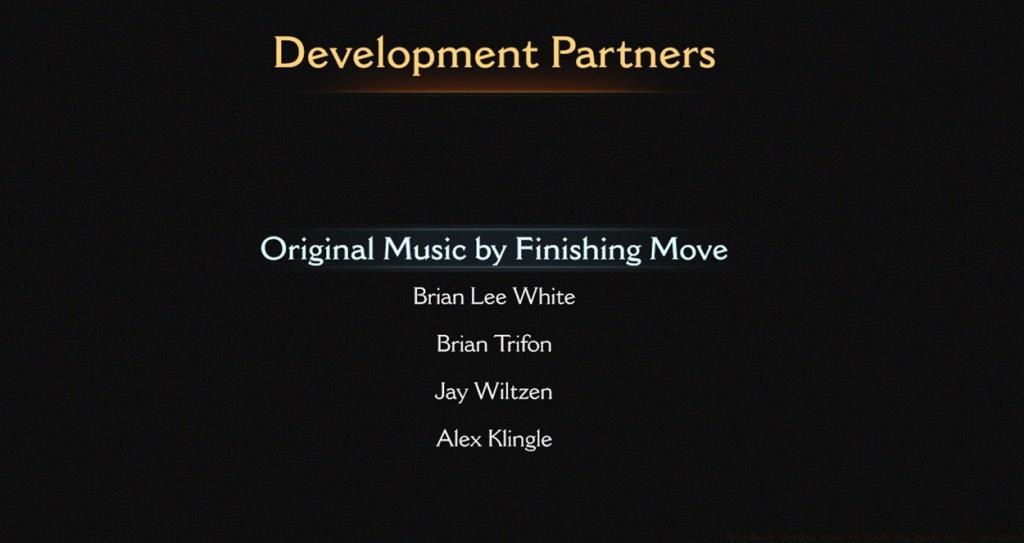
- Finishing Move, a four-composer team, handled all original music composition
- The absence stems from creative conflicts during Doom Eternal’s development cycle
- Sound design approaches differ significantly between the two musical teams
- Community divided between nostalgia for Gordon’s work and appreciation for new direction
Mick Gordon has achieved legendary status within the Doom gaming community through his groundbreaking musical contributions to Doom 2016 and Doom Eternal. His innovative use of unconventional instruments and aggressive sound design created an auditory experience that perfectly complemented the games’ intense combat mechanics. However, with the announcement of Doom The Dark Ages, there was complete silence regarding his involvement in the latest franchise installment.
The definitive answer is that Mick Gordon did not participate in Doom: The Dark Ages. All original musical composition was handled exclusively by Finishing Move, a collaborative team comprising four talented composers. While early announcements indicated Finishing Move’s primary involvement, many community members maintained hope that Gordon might have contributed at least minimal collaborative work on specific tracks.
Our thorough investigation confirms Gordon’s complete absence from the official credits of Doom The Dark Ages. Despite this development, Finishing Move has delivered exceptional auditory work that deserves recognition on its own merits. While dedicated fans understandably feel disappointed, we encourage appreciating the quality composition Finishing Move brought to this medieval-inspired Doom narrative.
No official explanation has been provided regarding Mick Gordon’s exclusion from Doom: The Dark Ages, but industry analysts point toward significant creative disagreements between Gordon and id Software following Doom Eternal’s launch. Development timeline pressures meant Gordon could only complete partial musical composition for Doom Eternal rather than handling the full soundtrack. This limitation resulted in noticeable quality variations between tracks, which attentive players immediately detected.
When community pressure mounted for clarification, Gordon transparently disclosed which compositions were his original work versus those completed by id Software’s internal team. This honesty sparked considerable backlash against the development studio, creating lasting tension between the acclaimed composer and the game developers.
The musical transition represents a strategic shift in creative direction for the franchise. Finishing Move brings a different compositional philosophy that emphasizes orchestral elements alongside traditional metal influences, creating a soundscape that aligns with the medieval thematic elements of The Dark Ages. Their approach incorporates period-appropriate instrumentation while maintaining the aggressive energy Doom fans expect.
Understanding these creative dynamics helps contextualize why franchise veterans might notice stylistic differences while new players can appreciate the fresh auditory perspective.
The transition between composers reveals fascinating differences in musical philosophy and technical execution. Gordon’s signature style relied heavily on industrial metal elements, synthesized distortions, and heavily processed guitar riffs that created a uniquely aggressive soundscape. His technical innovation included custom-built instruments and experimental recording techniques that became hallmarks of the modern Doom sound.
Finishing Move adopts a more orchestral approach while maintaining core metal foundations. Their composition strategy integrates traditional medieval instrumentation with modern production techniques, creating a hybrid sound that supports the game’s thematic setting. This approach demonstrates how musical composition must evolve to match narrative directions while preserving franchise identity.
For players accustomed to Gordon’s distinctive style, the adjustment period might require several gameplay sessions. However, giving Finishing Move’s work independent evaluation without constant comparison reveals substantial compositional merit and technical proficiency.
The community response has been understandably mixed, with some players expressing disappointment while others appreciate the fresh musical perspective. This division highlights the challenges of maintaining artistic continuity while introducing new creative voices to established franchises.
Action Checklist
- Listen to Finishing Move’s soundtrack independently before comparing to Gordon’s previous work
- Compare specific compositional elements between both soundtracks during gameplay
- Research the technical differences in sound design approaches between the composers
- Participate in community discussions to understand diverse perspectives on the musical transition
No reproduction without permission:Tsp Game Club » Did Mick Gordon Work on Doom The Dark Ages? Answered Exploring Mick Gordon's absence from Doom The Dark Ages and the musical legacy of Finishing Move