
TL;DR
- Three main training methods: Deathmatch for real combat practice, bots for fundamentals, targets for reaction speed
- Customize your routine based on weapon preferences and skill gaps for maximum improvement
- Training Aim CSGO 2 offers customizable target practice with weapon selection and difficulty settings
- Professional players combine all three methods for comprehensive skill development
- Consistent daily practice of 15-30 minutes yields better results than occasional long sessions
Precision aiming stands as the cornerstone of competitive success in CS:GO, which explains why dedicated players establish consistent training regimens to maintain and enhance their shooting capabilities. Each competitor develops unique practice routines because different training approaches yield distinct benefits. Individual needs vary significantly—some require spray control mastery, while others need sniper rifle proficiency development. For various firearms and shooting techniques, you must design specialized training sessions using appropriate maps and tools to maximize skill acquisition efficiency.
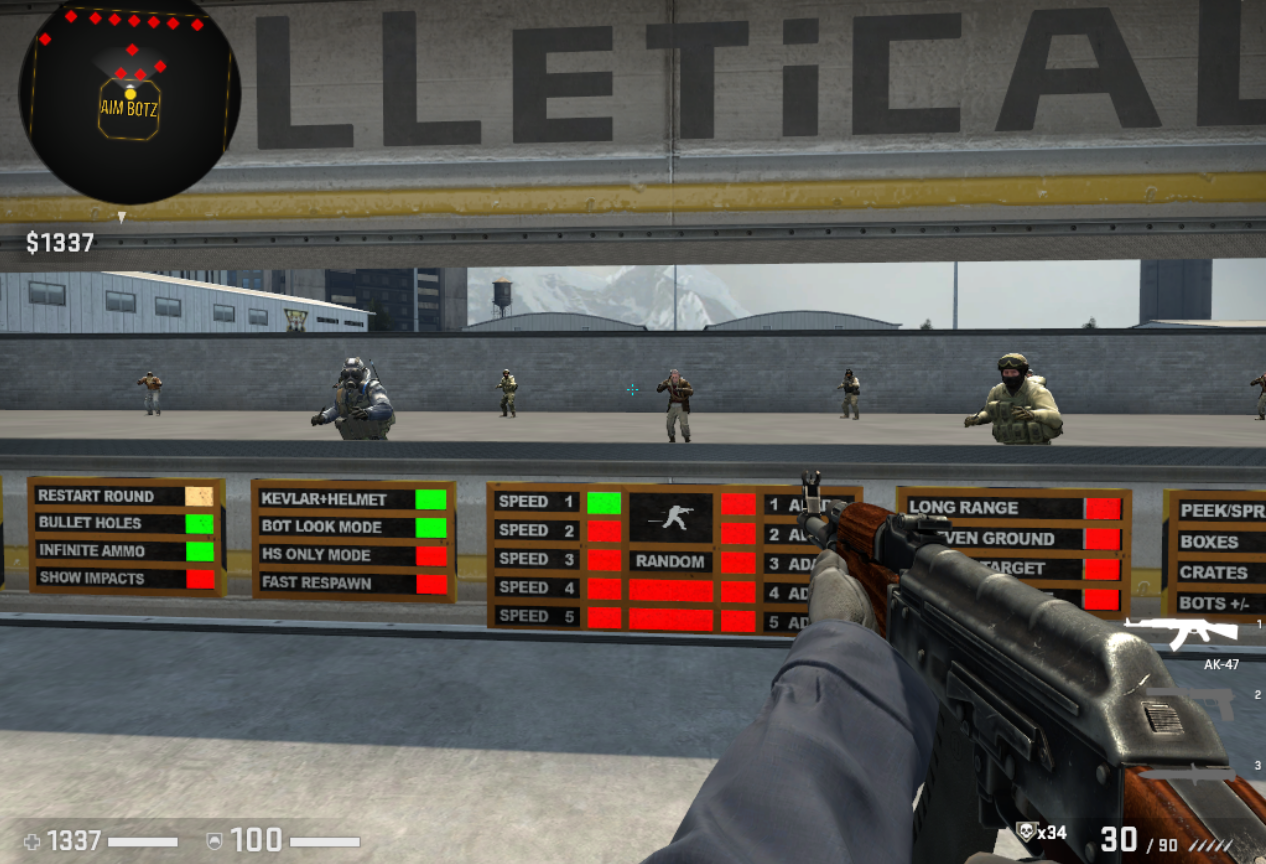
Understanding your specific improvement areas is crucial—beginners often focus on crosshair placement while advanced players work on flick shots and movement prediction. The most effective routines address both mechanical skill and decision-making simultaneously.
CS:GO offers three primary training approaches for enhancing your shooting accuracy, each serving different development purposes.
- Deathmatch Practice – This remains the most widely used training format. You engage in combat against human opponents on competitive maps (selection varies by server). Professional competitors dedicate substantial time here because it provides rapid warm-up efficiency (the engagements mirror those encountered in ranked matches, consequently improving your positioning tactics and mechanical execution).
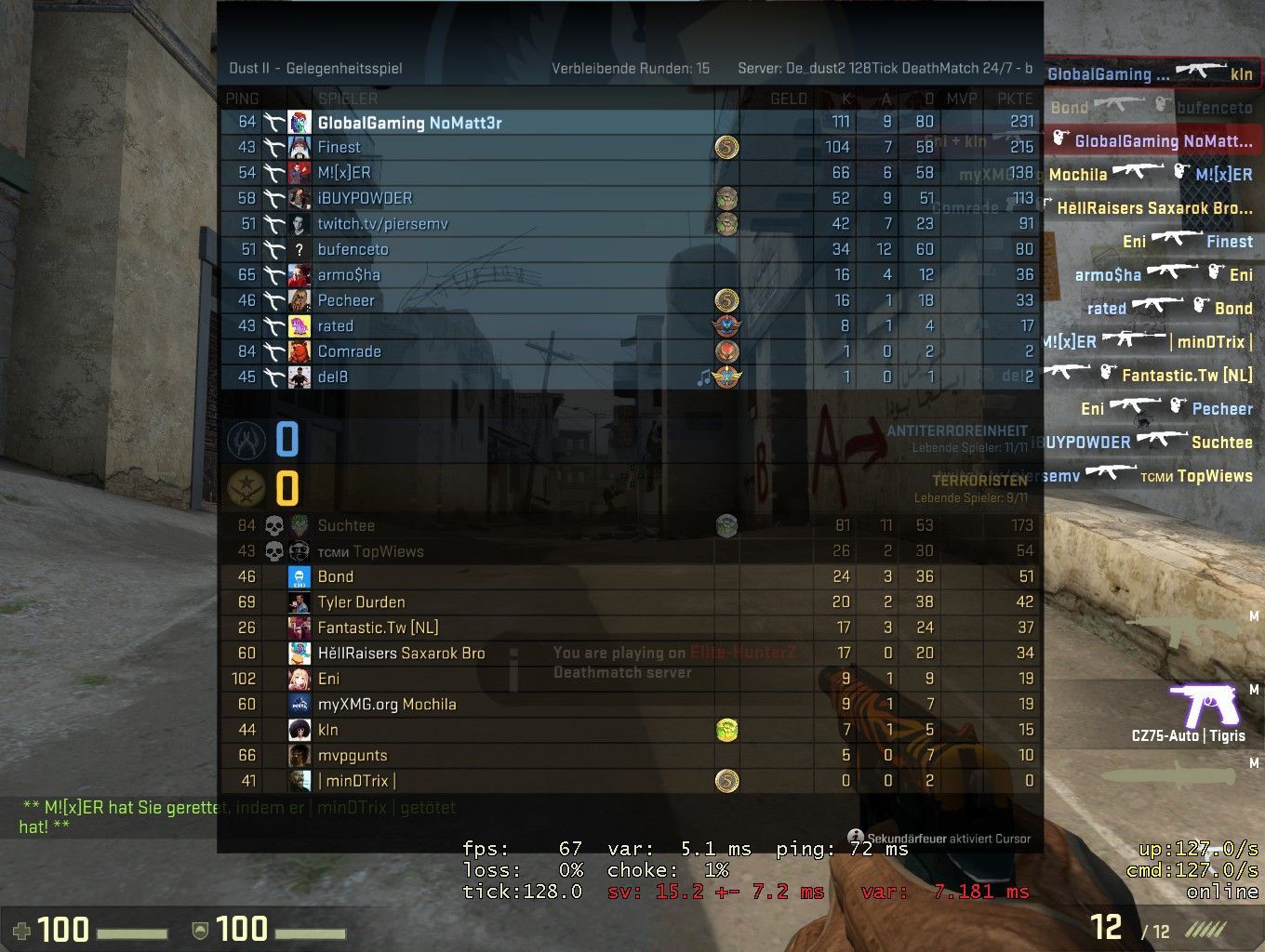
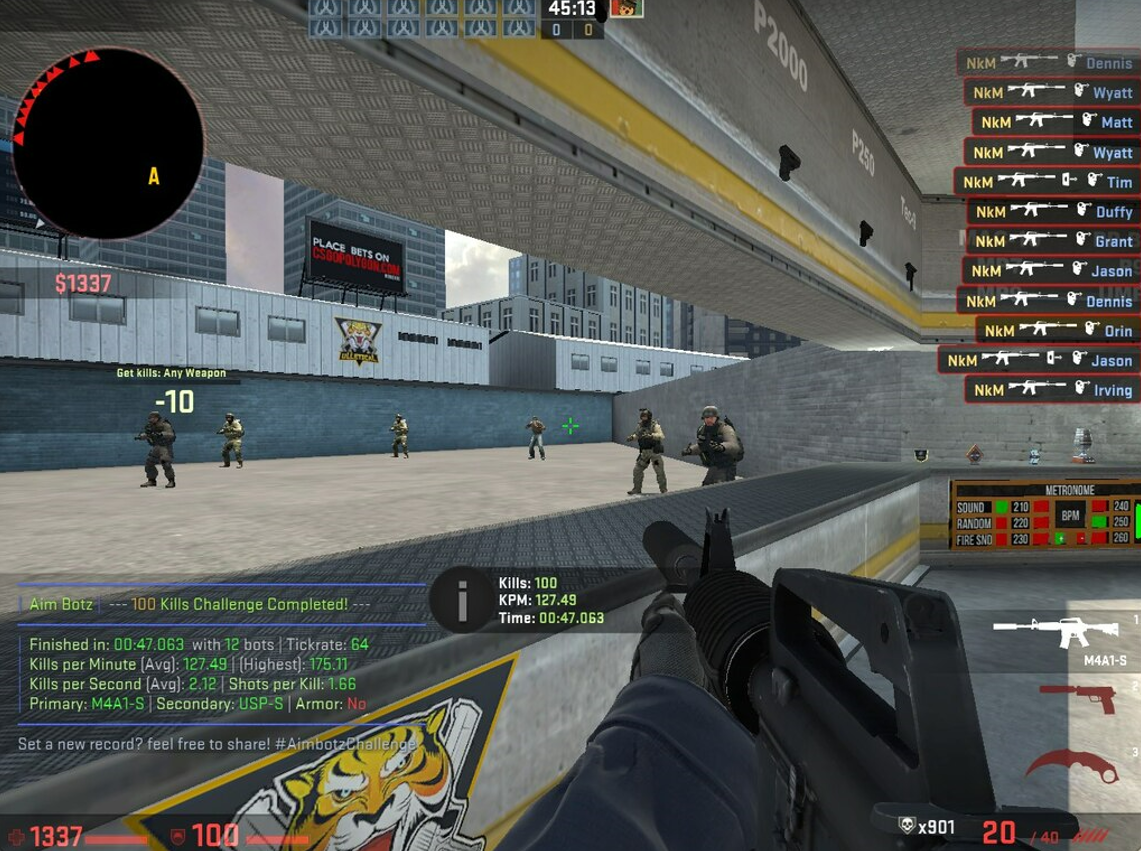
- Bot Training Sessions – Numerous modifications and specialized maps exist, ensuring you’ll discover options that suit your preferences. Stationary bot elimination remains popular for warm-ups (this enhances headshot accuracy). Moving target practice also sees frequent use. Prefire map training represents the third major option. These maps emerged relatively recently (within the past few years) and receive high praise from the competitive community.
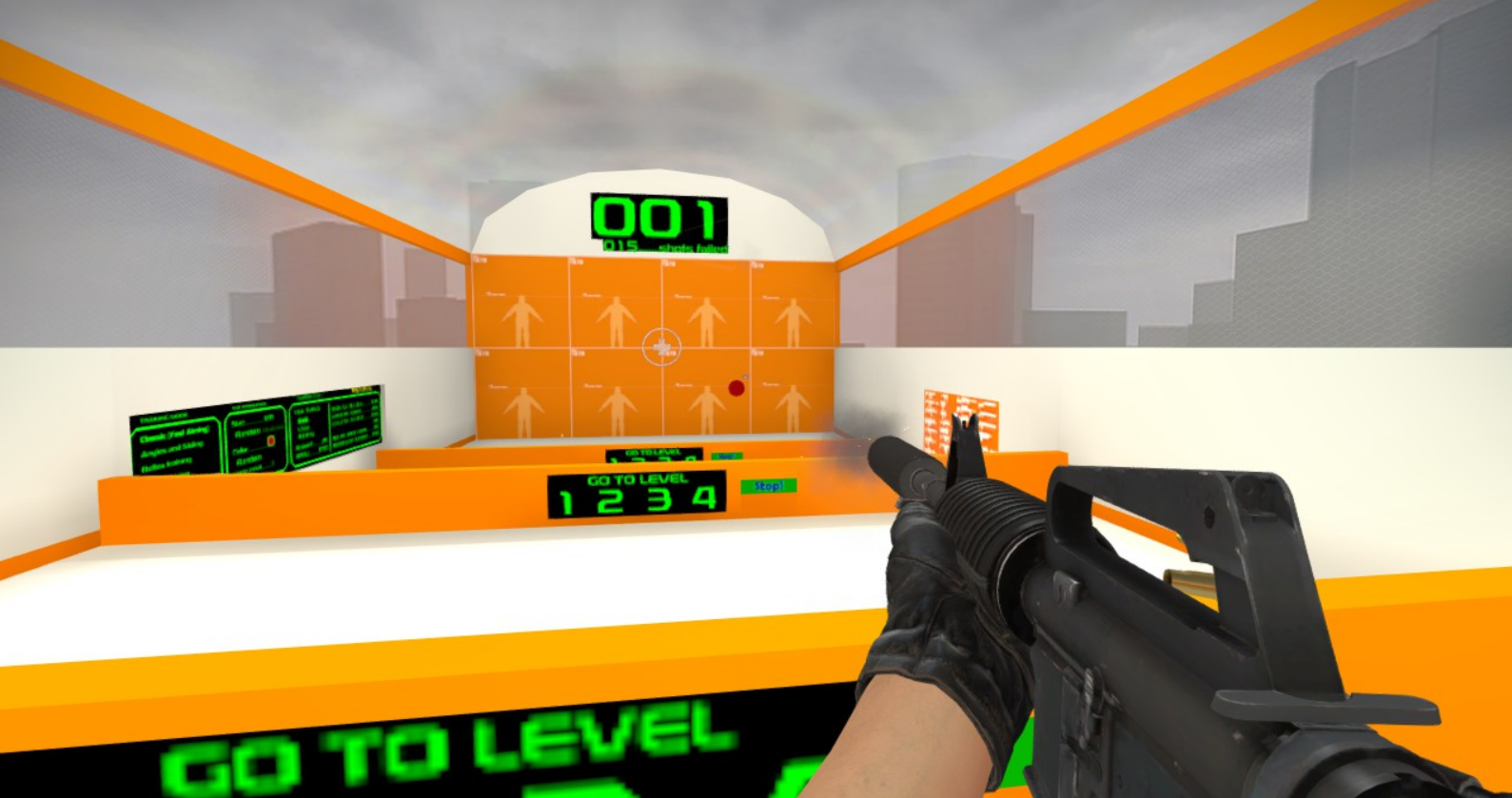
- Target Reaction Drills – Fewer maps feature this training style, but they serve valuable purposes within comprehensive routines. Most competitors utilize them specifically for handgun accuracy enhancement and reflex development.
Determining the optimal training approach proves challenging due to its subjective nature. Some competitors prefer deathmatch exclusively, while others favor specific bot configurations or target exercises. We strongly advise experimenting with multiple training environments to identify what works best for your development needs and create personalized routines based on empirical results.
Strategic Method Selection: Beginners typically benefit most from bot training to establish fundamental mechanics, while intermediate players should incorporate deathmatch for real-world application. Advanced competitors often use target drills for reflex enhancement and consistency maintenance.
Common Training Errors: Many players make the mistake of focusing exclusively on one method—the most effective approach combines elements from all three. Another frequent error involves practicing without specific goals; always train with clear objectives like improving headshot percentage or reducing reaction time.
Time Investment Guidelines: For optimal results, dedicate 15-30 minutes daily rather than occasional extended sessions. This consistent practice builds muscle memory more effectively than sporadic training marathons. For comprehensive weapon mastery, check our Weapons Unlock guide for detailed equipment strategies.
The predominant target training environment remains Training Aim CSGO 2. This specialized map focuses specifically on reflex enhancement. Participants select their preferred firearm, difficulty setting (engagement distance), and additional parameters including target dimensions, appearance timing, and movement patterns.
Advanced Configuration Tips: Start with larger targets and slower spawn rates, gradually decreasing size and increasing speed as your skills improve. For team strategy integration, our Class Guide provides complementary tactical knowledge. Professional players often combine target training with Complete Guide to competitive play for comprehensive improvement.
Performance Tracking: Monitor your accuracy percentages and reaction times to measure improvement. Many elite competitors maintain training journals to track progress across different weapon categories and difficulty levels.
Action Checklist
- Assess your current skill gaps (spray control, flick shots, tracking)
- Begin with 10 minutes of bot training focusing on headshot accuracy
- Practice 10 minutes in deathmatch servers applying learned techniques against real opponents
- Complete 5 minutes of target reaction drills using Training Aim CSGO 2
- Gradually increase target difficulty by reducing size and increasing spawn speed
- Record your performance metrics and adjust your routine weekly based on progress
No reproduction without permission:Tsp Game Club » Different approaches of aim training. Guide by SCOPE.GG Master CS:GO aim training with three proven methods to improve reaction time and shooting accuracy