
TL;DR
- FM26 introduces revolutionary dual-phase tactics requiring separate offensive and defensive formations
- The 4-2-3-1 formation provides optimal balance for beginners with proper player role assignments
- Understanding role compatibility and partnerships is crucial for tactical success
- Effective match reading and in-game adaptation separates average managers from elite ones
- Developing a consistent tactical philosophy ensures long-term team improvement and success
Transform your Football Manager 26 experience by mastering the game’s groundbreaking tactical innovations that mirror modern football’s evolution. The latest edition introduces sophisticated mechanics that demand strategic thinking beyond traditional formation setups.
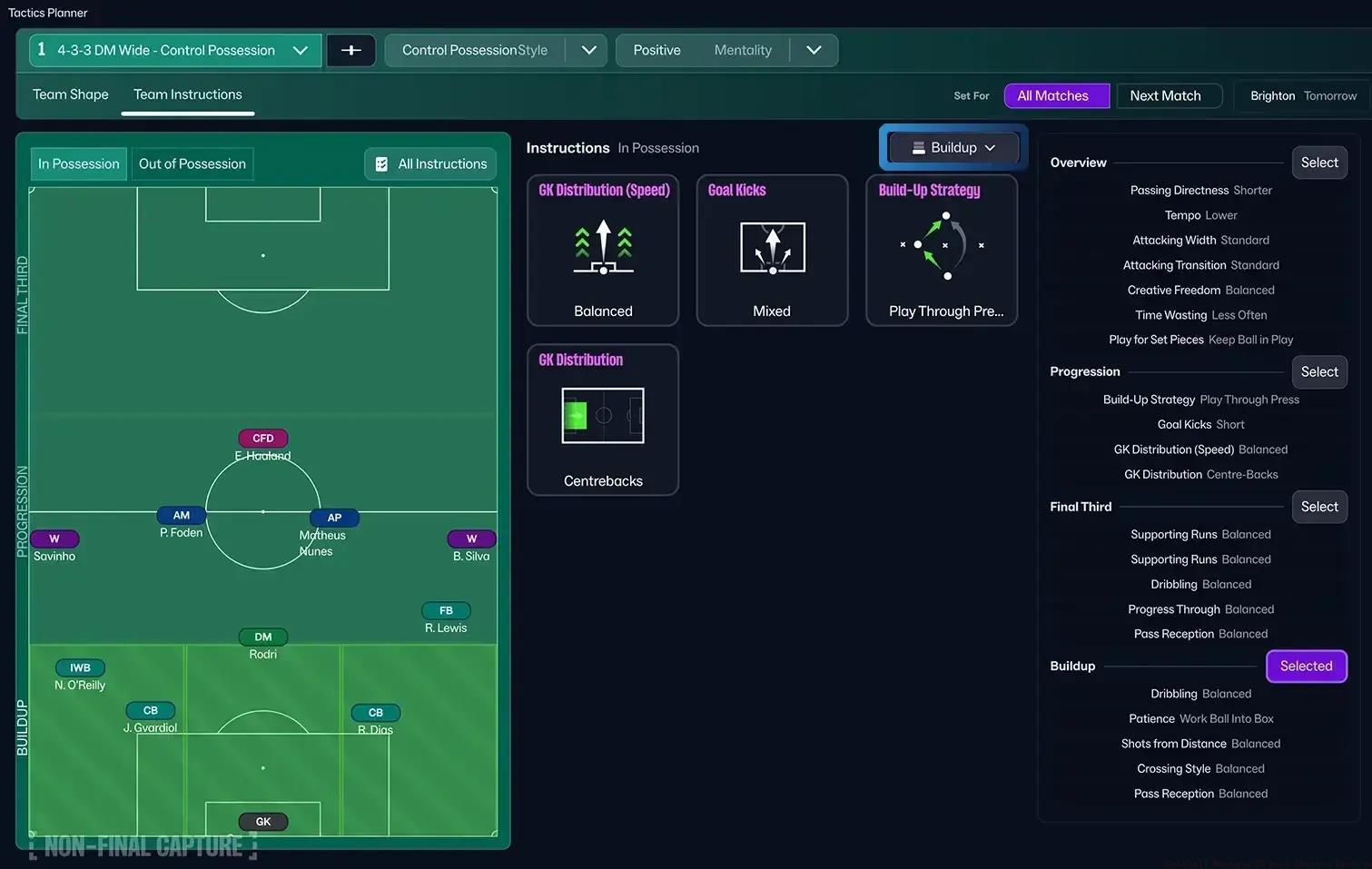
Football Manager 26 represents the most significant tactical overhaul in years, featuring an intuitive yet complex system that rewards careful planning and adaptation. Newcomers and veterans alike will appreciate how the In Possession and Out of Possession mechanics create authentic football simulations requiring separate strategic approaches for attacking and defensive phases.
The core innovation centers on dual-phase tactical design, where managers craft distinct formations and instructions based on ball possession status. This departure from previous versions’ single-formation approach enables more realistic team behavior and strategic flexibility. Teams now transition seamlessly between offensive and defensive shapes, much like elite clubs in real-world football.
Consider how top teams operate tactically: Manchester City fluidly shifts between a 4-3-3 attacking structure and compact 4-4-2 defensive block, while Liverpool’s gegenpressing system creates multiple transitional shapes throughout matches. FM26 captures these nuances through its phase-specific tactical options.
Football Manager 26 Review (PC …
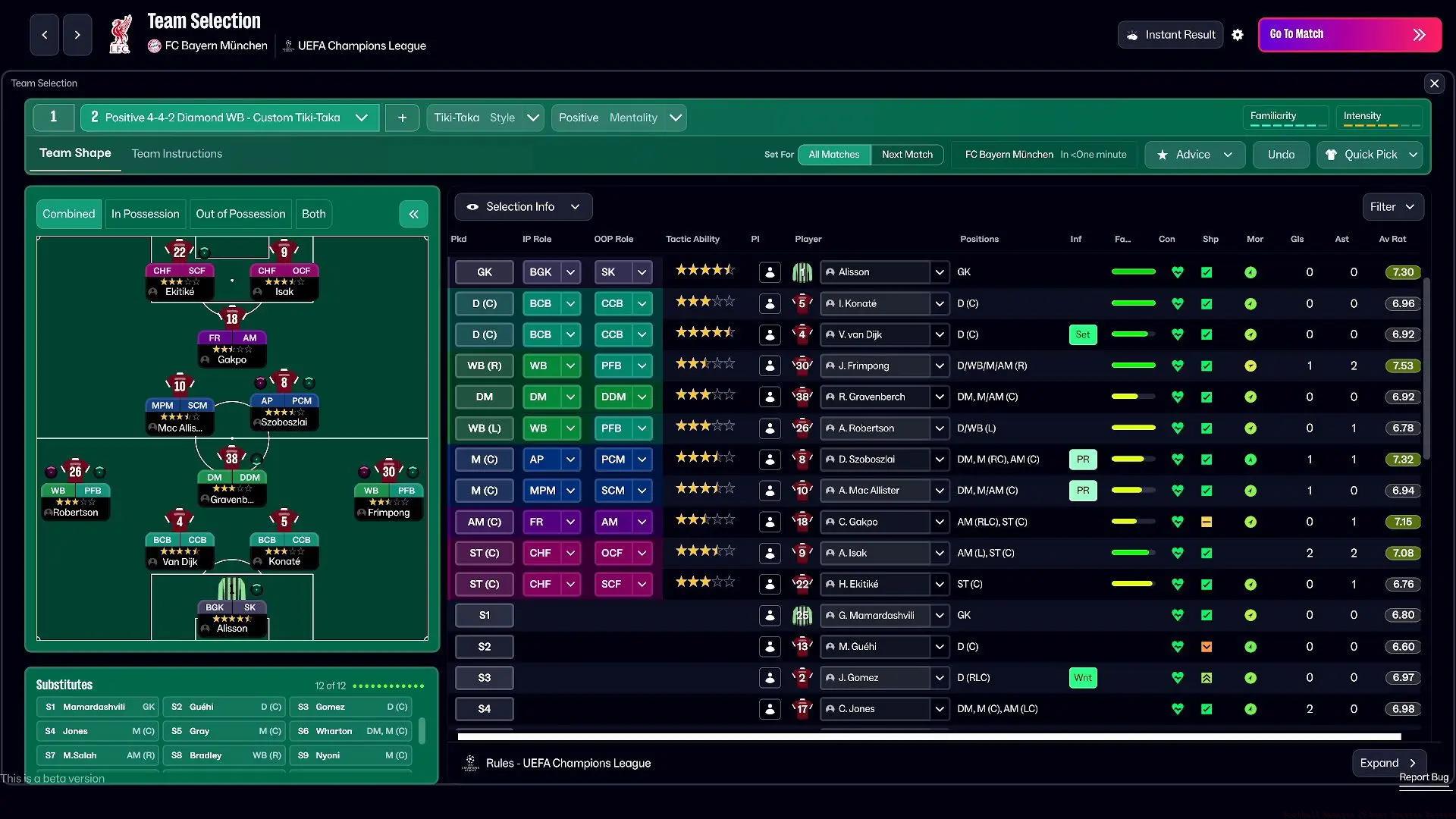
Establish tactical stability with the versatile 4-2-3-1 formation, widely regarded as the most balanced starting point for FM26 beginners. This setup provides defensive security through dual holding midfielders while generating consistent attacking threats through width and creative central play.
Begin your tactical journey by implementing this formation with carefully selected player roles that complement each other. The double pivot in midfield offers both defensive coverage and build-up support, while the advanced midfield trio creates multiple attacking avenues. Avoid the common mistake of over-committing players forward, which leaves vulnerable defensive gaps.
- Goalkeeper: Sweeper Keeper (Support) enables modern distribution and sweeper functions behind high defensive lines
- Full-backs: Wing-Back (Attack) provides essential width in possession while maintaining defensive awareness
- Centre-backs: Ball Playing Defender (Defend) paired with Central Defender (Defend) creates balanced defensive partnership
- Holding midfielders: Deep Lying Playmaker (Support) combined with Box to Box Midfielder (Support) offers creative and energetic midfield presence
Critical consideration: Ensure your wing-backs have sufficient stamina and defensive attributes to fulfill their demanding dual responsibilities. Many beginners overlook this requirement, resulting in exposed flanks during defensive transitions.
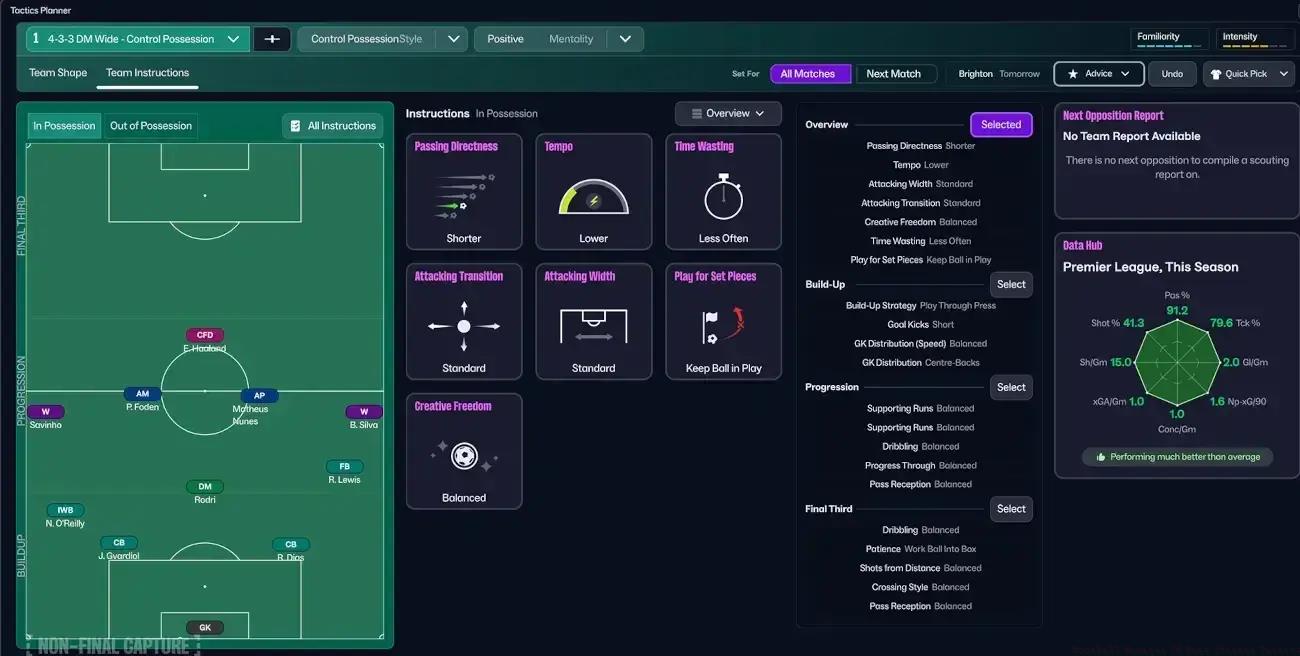
Master player role compatibility to unlock your team’s full potential through carefully constructed partnerships and tactical understanding. Effective role selection goes beyond individual assignments to create cohesive units that function effectively together.
The relationship between your defensive midfielders proves crucial for tactical stability. A Deep Lying Playmaker operating alongside a Box to Box Midfielder creates ideal balance—one provides positional discipline and creative distribution while the other offers energy and transitional support. This partnership covers both defensive solidity and attacking impetus.
Advanced tip: Consider player attributes and preferred moves when assigning roles. A Ball Playing Defender with excellent passing range complements a Sweeper Keeper’s distribution game, while Wing-Backs with “Gets Forward Whenever Possible” trait need covering midfield support.
Avoid incompatible role combinations that create tactical vulnerabilities. Pairing two Ball Playing Defenders risks defensive instability, while combining two playmaking roles in central midfield often leaves defensive gaps. Always balance creative freedom with defensive responsibility.
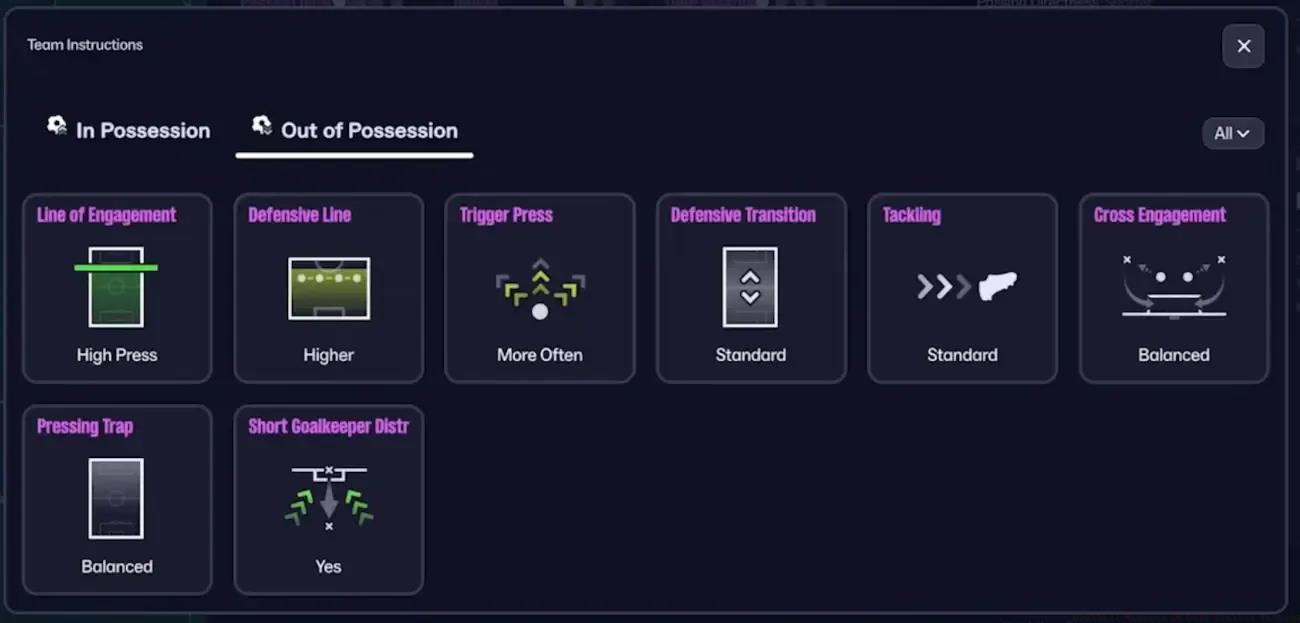
Develop elite managerial skills by learning to read matches effectively and implement tactical adjustments that counter opponent strategies. Successful FM26 managers don’t stick rigidly to pre-match plans but adapt dynamically to in-game developments.
Monitor key match statistics and visual cues to identify tactical weaknesses. Pay attention to possession percentages in different field zones, pass completion rates by player, and shot locations. These metrics reveal where your tactics are succeeding or failing against specific opposition setups.
When facing teams that dominate possession, consider shifting to a more compact defensive shape and implementing counter-attacking instructions. Against defensive opponents, increase tactical tempo and implement more aggressive pressing triggers. The ability to make these mid-game adjustments separates average managers from exceptional ones.
Practical adaptation strategy: Use the first 15-20 minutes to analyze opponent patterns, make one or two focused changes at halftime, and keep a substitution ready for tactical reinforcement around the 60-minute mark. This structured approach prevents reactive, panicked changes that disrupt team cohesion.
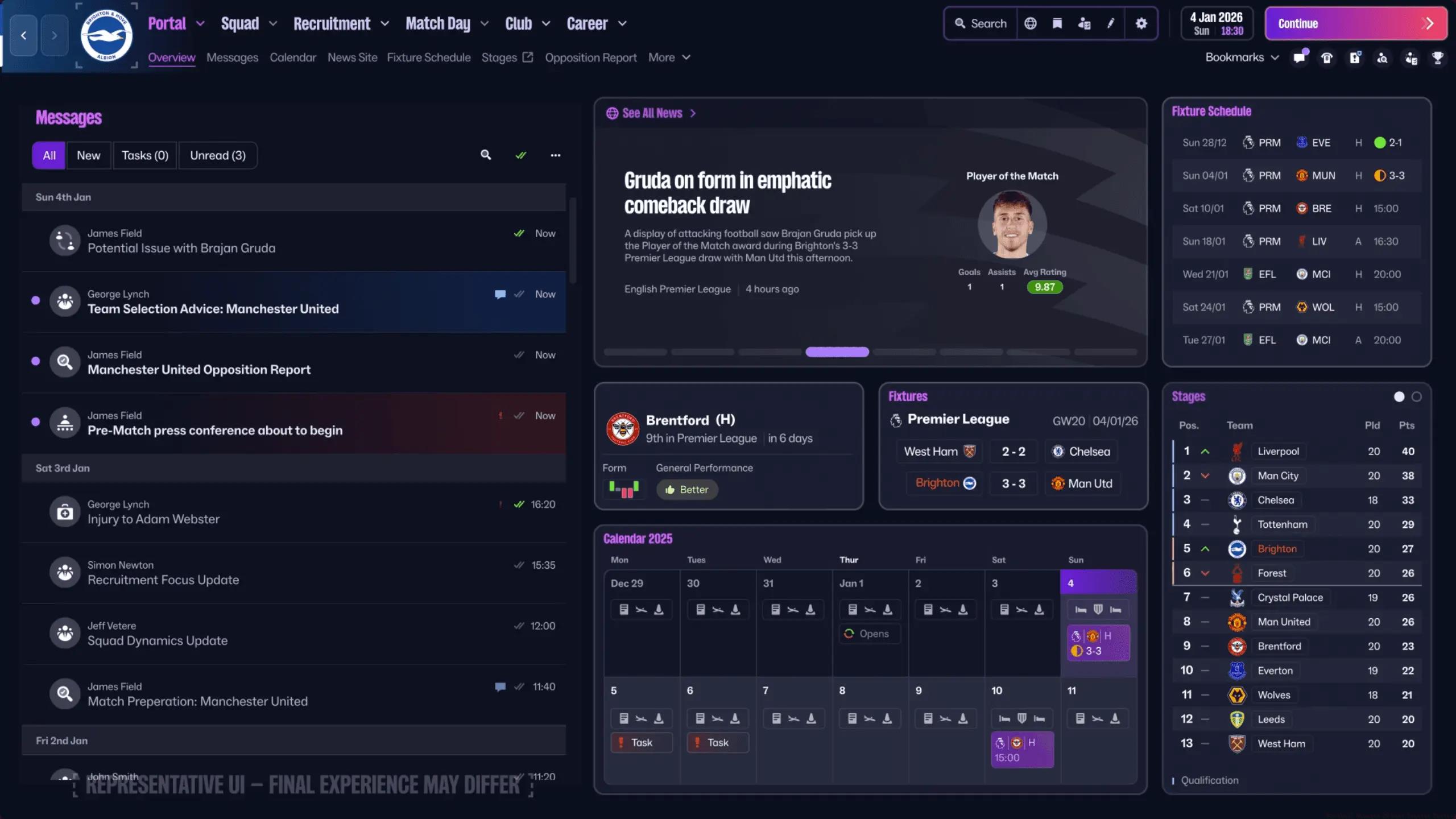
Cultivate a distinctive tactical identity that reflects your managerial style while ensuring long-term squad development and consistent performance. Your coaching philosophy should guide every decision from transfer targets to training focus and matchday approaches.
Establish clear principles for how your team plays—whether you prefer possession-dominant football, rapid transitions, or defensive solidity. This consistency helps players understand their roles and develops cohesive team understanding over multiple seasons.
Align your recruitment strategy with your tactical philosophy. If implementing high-pressing systems, prioritize players with excellent stamina, aggression, and work rate. For possession-based approaches, focus on technical attributes like passing, first touch, and composure.
Training optimization tip: Schedule match preparation sessions that reinforce your tactical approach while developing individual player attributes that support your system. Use individual training focus to address role-specific requirements and create well-rounded squad members.
Remember that tactical mastery evolves over time. Start with solid foundations, gradually introduce advanced concepts as your understanding deepens, and always remain adaptable to new challenges and opponent innovations.
Action Checklist
- Set up separate In Possession and Out of Possession formations using the 4-2-3-1 as foundation
- Assign complementary player roles ensuring defensive coverage and attacking balance
- Analyze first 3 matches to identify tactical weaknesses and adaptation opportunities
- Develop your coaching philosophy and align recruitment/training with tactical approach
- Implement advanced tactical adjustments based on opponent analysis and match statistics
No reproduction without permission:Tsp Game Club » Football Manager 26 Best Starter Tactics Master FM26's revolutionary dual-phase tactics with practical formations, player roles, and match adaptation strategies for immediate success