
Genshin Impact developer MiHoYo wins landmark lawsuit against Pinduoduo for fraudulent Primogem advertising scheme
The False Collaboration Scheme
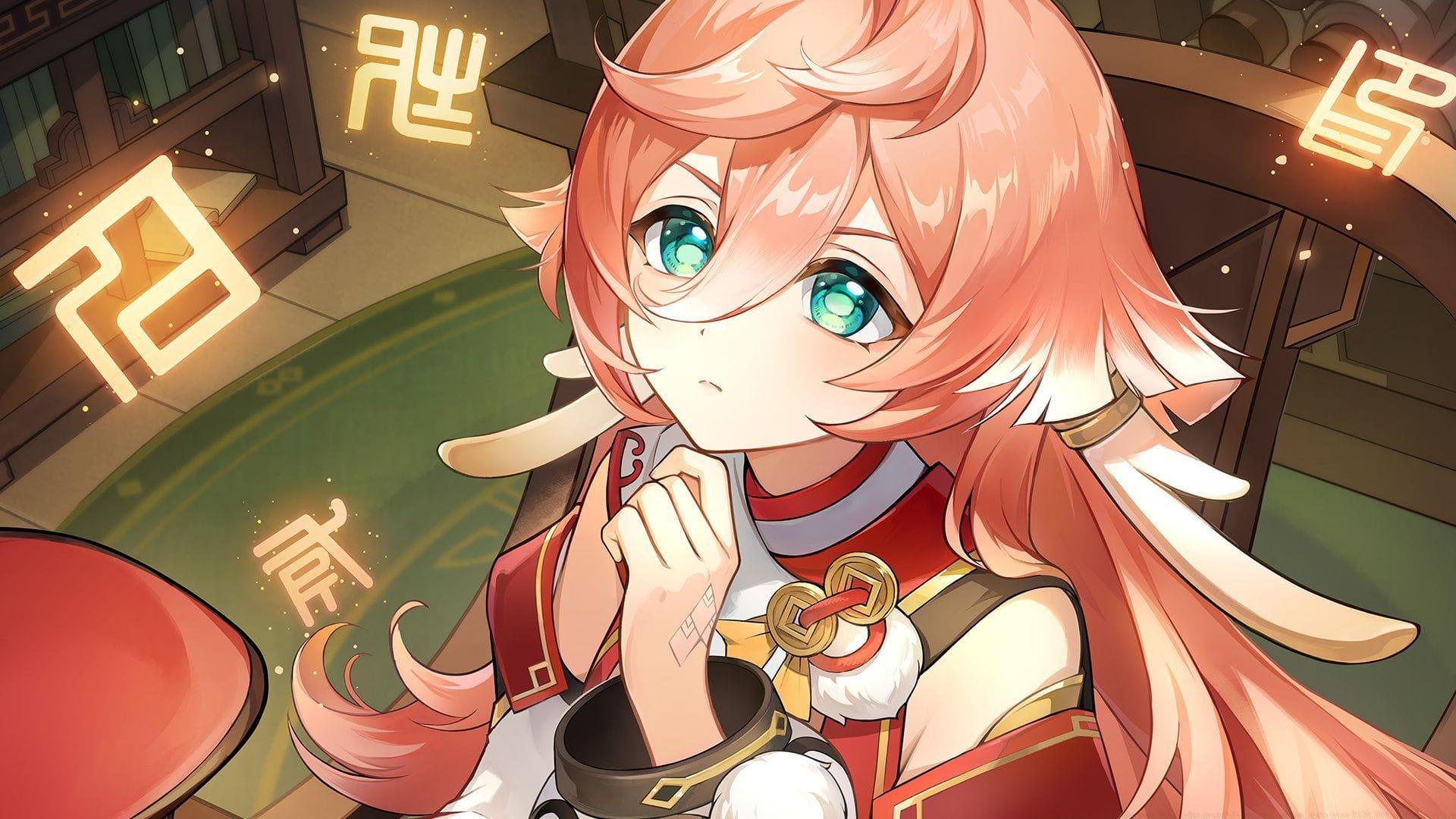
Chinese e-commerce giant Pinduoduo faced significant legal consequences after orchestrating an elaborate deceptive marketing campaign falsely claiming partnership with Genshin Impact creators MiHoYo. The gaming company’s legal team publicly disclosed the lawsuit details through their official Bilibili communications channel, revealing how Pinduoduo misrepresented their relationship to exploit the popular RPG’s player base.
The fraudulent operation involved recruiting social media influencers and content creators to promote a fabricated “Genshin Impact special quest” that promised substantial Primogem rewards. These premium in-game currency units were advertised as available for just ¥1, creating an irresistible offer for unsuspecting players. When users clicked the promotion links expecting to receive their Primogems, the system automatically downloaded Pinduoduo’s shopping application instead, providing zero actual gaming benefits.
This sophisticated bait-and-switch tactic capitalized on Genshin Impact’s massive popularity and players’ desire for affordable Primogems, which normally require significant gameplay time or real money purchases to acquire. The scheme deliberately exploited the trust between players and the game’s developers, creating false expectations of official collaborations.
Legal Battle and Court Rulings
MiHoYo’s legal department quickly identified the unauthorized promotional campaign and filed formal litigation against Pinduoduo for false advertising violations and unauthorized use of intellectual property. The initial court proceedings resulted in a decisive victory for the game developers, with judges ordering Pinduoduo to pay ¥350,000 (approximately $48,608) in reparations for their deceptive marketing practices.
Unsatisfied with the initial ruling, Pinduoduo exercised their right to appeal, bringing the case before the Zhejiang Provincial Higher People’s Court for reconsideration. However, the appellate court thoroughly reviewed the evidence and unanimously upheld the original verdict, confirming Pinduoduo’s liability for counterfeit advertising and trademark infringement.
The final judgment imposed additional significant penalties beyond the original reparations. Pinduoduo received a court mandate to immediately cease all unauthorized Genshin Impact-related promotions and publish official notices clarifying the absence of any legitimate partnership with MiHoYo. Most substantially, the e-commerce platform was ordered to pay ¥1,000,000 (over $130,000) in compensation for reputational damage and economic losses caused to the Genshin Impact franchise.
This legal precedent establishes important protections for game developers against unauthorized third-party promotions. The courts recognized that such deceptive schemes not only mislead consumers but also undermine the developer-player relationship and devalue legitimate in-game economies.
Understanding the Corporate Connection
Community discussions on platforms like Reddit initially misidentified Temu as the responsible party in this legal dispute, creating confusion among Genshin Impact players tracking the case. This misunderstanding stemmed from the corporate relationship between Pinduoduo and Temu, which operate as sister companies under the same parent organization.
The shared corporate structure between these e-commerce platforms explains why some community members incorrectly associated Temu with the lawsuit. However, court documents and MiHoYo’s official statements clearly identify Pinduoduo as the defendant responsible for the fraudulent promotional activities.
This case highlights the importance of verifying legal information through official channels rather than relying solely on community speculation. As gaming companies increasingly face unauthorized promotions from third-party platforms, players benefit from understanding corporate relationships that might affect their gaming experiences.
Protecting Against Gaming Scams
This legal case provides valuable lessons for gamers navigating promotional offers and alleged collaborations. Players should develop skepticism toward offers that seem excessively generous, particularly those promising premium currency like Primogems at unrealistically low prices. Official collaborations between game developers and third-party platforms typically receive extensive publicity through verified channels.
Several red flags can help identify potentially fraudulent offers: promotions requiring automatic app downloads, lack of official developer endorsement, pressure to act quickly, and requests for excessive personal information. Legitimate collaborations maintain transparency about terms and deliver promised rewards immediately.
To verify promotional authenticity, players should check the game’s official website, social media accounts, and in-game announcements. MiHoYo consistently uses these channels to communicate legitimate partnerships, ensuring players can distinguish official offers from unauthorized schemes. When uncertain, contacting customer support through official channels provides definitive clarification.
The gaming industry continues to battle unauthorized promotions and counterfeit collaborations, making player awareness crucial for protection. This legal victory establishes stronger precedents for holding deceptive marketers accountable while empowering players with knowledge to avoid similar scams.
No reproduction without permission:Tsp Game Club » Genshin Impact reportedly sues Pinduoduo over fake collaboration, gets over $130,000 in compensation Genshin Impact developer MiHoYo wins landmark lawsuit against Pinduoduo for fraudulent Primogem advertising scheme