
TL;DR
- Focus analysis on established regions and tier 1-3 teams for reliable data collection
- Evaluate player practice intensity through Steam hours and social media activity monitoring
- Analyze team map preferences and veto patterns to predict match outcomes
- Assess psychological factors including tournament importance and travel fatigue
- Avoid matches with recent roster changes or unknown stand-ins to minimize unpredictability
Are you preparing to compete at the highest level with your organization? Perhaps you’re transitioning into professional esports analytics as a career path? Either way, understanding the systematic approach to match evaluation represents your next critical development phase. This comprehensive guide delivers the analytical framework needed to confidently assess any CS:GO or CS2 competitive team.
Entering any competitive scenario without proper intelligence gathering constitutes a fundamental strategic error. Always prioritize comprehensive data collection about opposing teams, particularly during tournaments featuring emerging talent. Serious esports professionals recognize that advanced analytical capabilities separate successful predictors from casual observers. We’ll explore systematic team evaluation methodologies and opponent preparation strategies that professional analysts employ.
Not every competitive tournament receives HLTV broadcast coverage. You’ve likely encountered multiple prediction platforms offering match outcome forecasts. Begin your analytical process with strategic match selection. Target games that provide maximum intelligence gathering potential for both competing organizations. Avoid analyzing matches from regions where Counter-Strike lacks established competitive infrastructure; concentrate primarily on European and North American competitions, with selective South American inclusion.
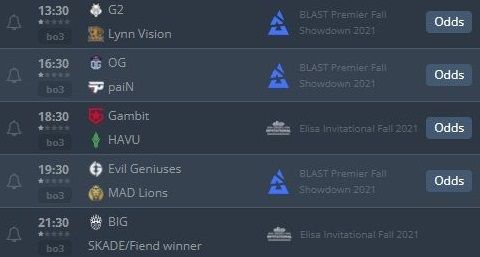
Following regional determination, assess team competitive tiers methodically. Resist exploring completely unknown player ecosystems without established track records. Select organizations from tiers 1-3 that you’ve previously monitored or possess baseline knowledge about. Understanding team strategic tendencies generally and individual player styles specifically proves invaluable for accurate prediction. Some squads favor hyper-aggressive approaches, while others implement methodical, time-pressure oriented strategies.
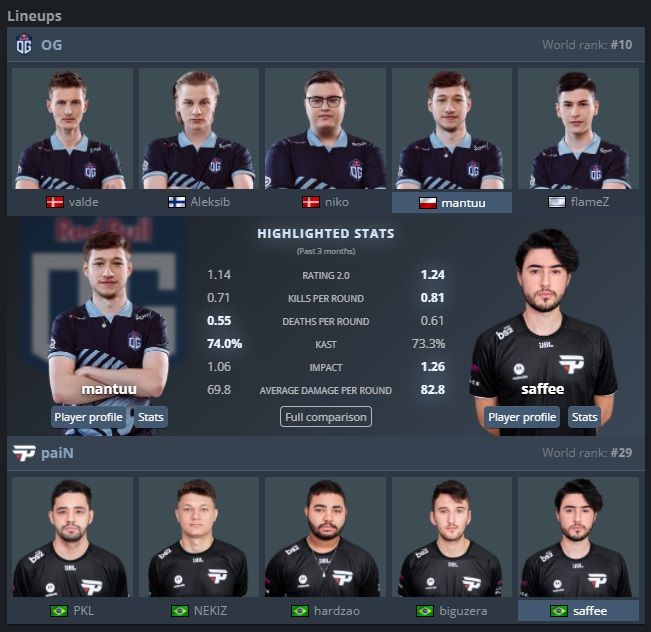
Within this analytical framework, begin by identifying primary fraggers in each competing organization. Compare CS2 competitor statistics across platforms like scope.gg comparison tools or HLTV.org professional databases. Compile match samples from the preceding three-month period and evaluate how many official matches each player contested. Select the highest-performing individuals from both teams and conduct comparative statistical analysis. When one athlete maintains a 1.1 K/D ratio while their counterpart demonstrates 1.4, you’ve established preliminary performance differential intelligence.
Additionally examine each competitor’s performance metrics across gaming platforms systematically. Most professionals compete on FACEIT, facilitating straightforward profile location. Calculate their recent match participation and victory rates across the last 20 competitive engagements.
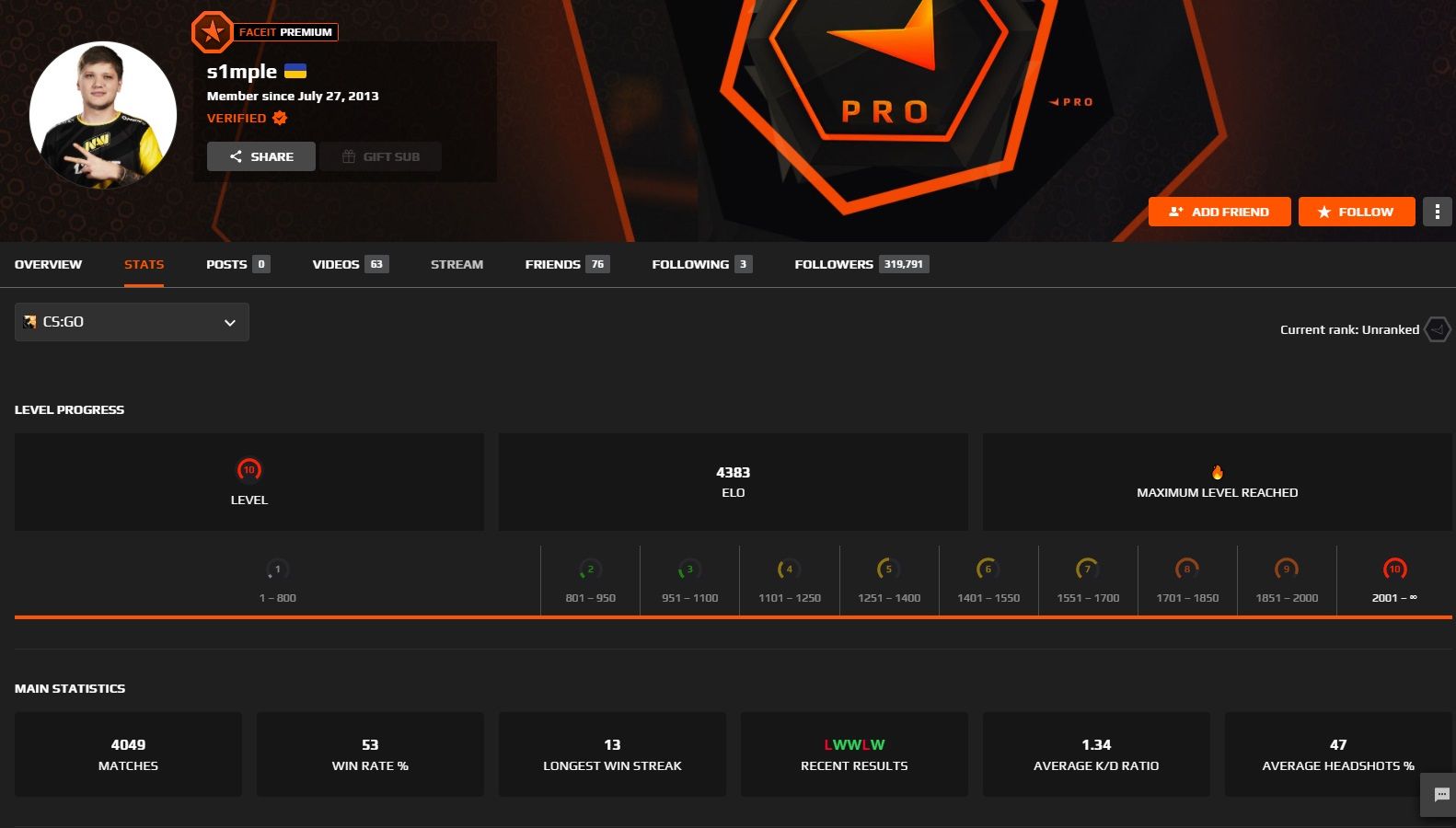
Another critical analytical dimension involves comparing designated snipers and in-game leaders between competing squads. Snipers possess match-deciding capability through pure mechanical skill execution. Team captains shoulder responsibility for tactical preparation and strategic decision-making. When in-game leaders accumulate excessive frag counts during matches, this frequently indicates squad members operating independently, negatively impacting collective team performance.
Competitors demonstrate significant variance in training regimen intensity. Some professionals strategically distance themselves from CS2/CS:GO immediately preceding tournaments to prevent competitive burnout. Others maintain intensive ten-hour daily practice schedules. Generally, athletes demonstrating higher training volumes outperform their less-dedicated counterparts, barring exceptional circumstances.
How can you verify such preparation metrics? Through competitor Steam profile examination, naturally! Locate their profile interfaces and extract maximum available intelligence, with recent two-week play hours representing the most crucial metric. How do you locate authentic player profile pages? You might search queries like “s1mple steam profile,” though this carries fake profile encounter risks. This necessitates implementing secondary verification protocols.
Access Liquipedia through provided links and research each competitor from both organizations. There you’ll discover verified profile pages, including authentic Steam accounts. This methodology provides optimal fake profile discrimination capability.
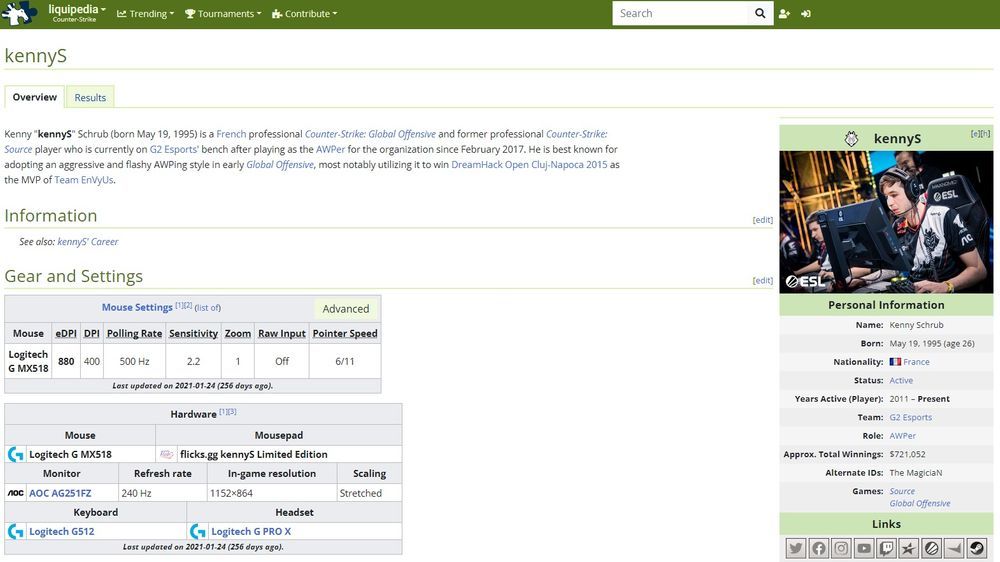
Following verification, simply evaluate how many hours each competitor invested during the preceding fortnight. Thirty hours indicates approximately two-hour daily engagement—critically insufficient for professional preparation. If entire squads maintain similar practice regimens, their victory probabilities diminish considerably. Some professionals demonstrate hundred-hour two-week totals, translating to seven-hour daily training commitment. Such dedicated athletes frequently dominate through raw skill alone, requiring minimal strategic complexity.
Additionally monitor competitor social media channels using Liquipedia-provided links. They might share bootcamp photography or discuss recent activity patterns. When observing Player A engaged in Counter-Strike practice while Player B enjoys recreational beach activities, you’ve identified performance differential indicators.
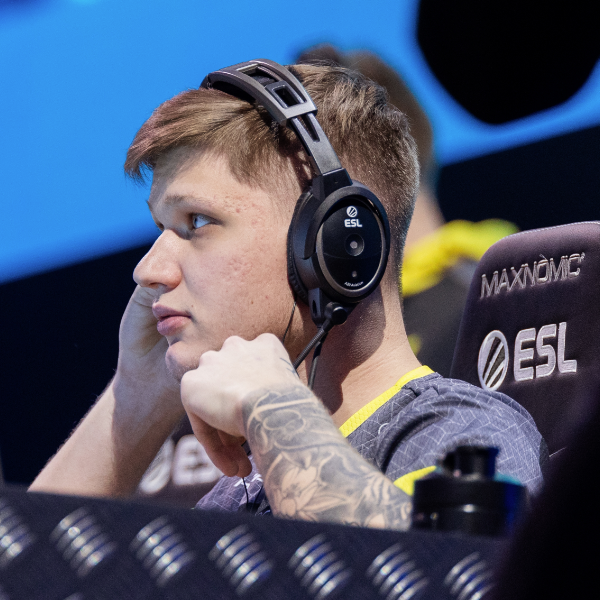
Another performance-influencing factor involves long-distance travel logistics. Organizations may experience circadian rhythm disruption following multi-timezone travel, creating competitive disadvantage for several days. Tournament organizers typically avoid scheduling matches immediately post-arrival, though this variable warrants consideration.
Following individual competitor assessment, transition to organizational-level strategic evaluation. HLTV.org continues providing exceptional team performance data resources. There you’ll discover comprehensive organizational results with detailed statistical breakdowns. Prioritize data samples from recent months, as sustained peak performance remains exceptionally rare. Exceptions like Astralis’ multi-year competitive dominance exist, though such consistency represents extreme outliers. Every competitive organization experiences performance fluctuations influenced by fatigue management and competitive motivation.
Initially examine recent match performances for both competing squads. Evaluate their competitive outcomes against superior opponents and performance metrics versus inferior competition. When teams consistently depend on overtime resolutions, favoring them carries elevated risk profiles.
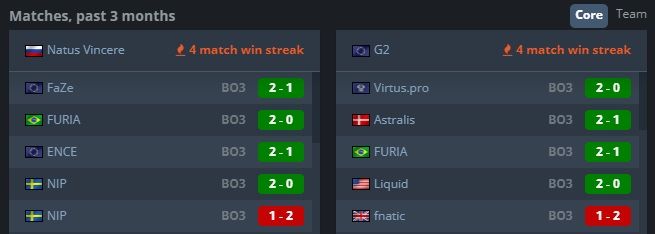
Never underestimate that every competitor represents a human being where psychological factors prove critically important. For instance, tournaments featuring $50,000 prize pools may not motivate top-tier organizations significantly. They might approach such events as extended practice sessions, experimenting with new tactical approaches while maintaining relaxed competitive mentality. During these scenarios, underdog organizations frequently demonstrate surprising victory potential, as stakes represent career-defining opportunities.
During premier tournaments like IEM championships or Majors, however, professionals compete for legacy-defining achievements. Unexpected outcomes might occur during early stages, though elimination rounds typically feature established organizations dominating inferior competition decisively.
Analysing the ‘head-to-head’ matches
Now examine how competing organizations historically perform against each other specifically. Even world-class teams encounter strategically uncomfortable opponents. Predicting outcomes in such matchups proves exceptionally challenging, regardless of previous head-to-head results.
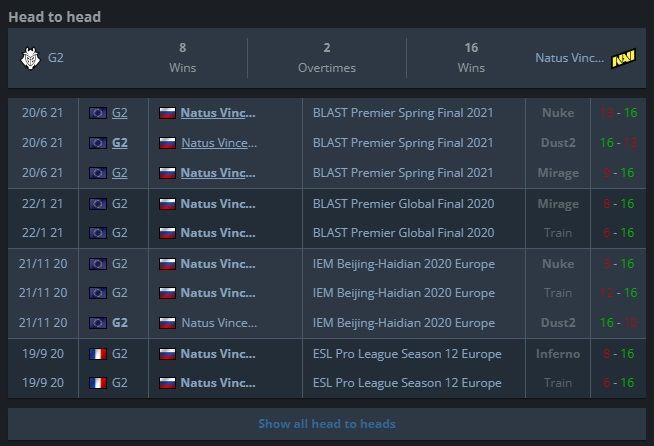
The most reliable analytical approach involves evaluating Best-of-Three series between these specific organizations. When previous encounters concluded through overtime resolutions or narrow scorelines like 14-16, selecting favorites based on historical data becomes essentially random.
Every competitive organization maintains preferred map selections. Within current competitive meta, we can state with 90% confidence that Natus Vincere would select Dust2. Conversely, every squad demonstrates “instant ban” maps consistently removed during veto phases.
Following organizational win rate evaluation across all active duty maps, always contextualize opponent quality assessment. Situations may arise where teams achieve 70% Nuke victory rates while competing against significantly inferior opposition. This Weapons Unlock strategic understanding helps identify genuine map proficiency versus statistical inflation.
By identifying optimal and suboptimal maps for both competing organizations, you can predict potential decider map scenarios—the final remaining map following ban/pick completion.
Certain organizations, however, demonstrate exceptional strategic flexibility, practicing and executing across all seven active pool maps competently. Gambit historically exemplifies such adaptable squads. Organizations possessing this capability can frequently secure victories even on opponents’ signature maps through superior tactical adaptation.
For comprehensive organizational condition assessment, monitoring team social media channels provides significant intelligence advantages. This enables early awareness of critical structural changes including roster reshuffles and match-specific substitutions.
Typically, roster restructuring negatively impacts organizational performance metrics. Athletes accustomed to specific team dynamics may undergo positional and responsibility adjustments. In-game leaders might transition to sniper roles, while new recruits receive simplified positions facilitating adaptation periods. Acclimatization to such changes may require months or potentially never achieve previous synergy levels.
The competitive landscape differs regarding temporary substitutions. Due to player illness or other circumstances, organizations may utilize stand-in competitors. Usually teams avoid significant strategic alterations, instead recruiting mechanically skilled marksmen with minimal tactical responsibilities. These individuals primarily provide shooting proficiency and teammate support—capabilities ubiquitous across Counter-Strike professional ecosystems.
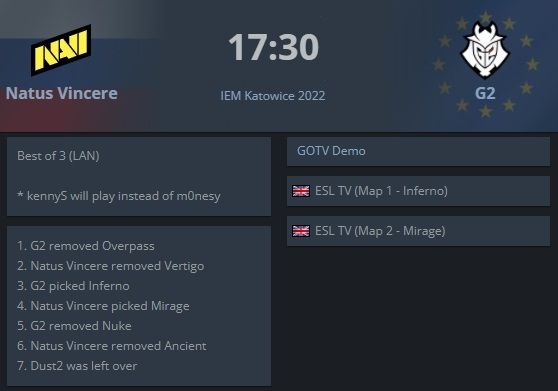
Typically professionals receive advance stand-in notification, facilitating tactical preparation sessions covering critical round scenarios, strategic approaches, and potential deception plays. This preparation methodology ensures temporary replacements don’t negatively impact organizational performance and may even create strategic complications for opposing teams. If competitors planned counter-strategies targeting specific player tendencies, stand-ins may completely disrupt prepared tactical frameworks. Overall, player substitution doesn’t inherently indicate negative outcomes. However, for risk-averse analysts, avoiding matches featuring temporary replacements represents safer strategic positioning.
Let’s consolidate our comprehensive analytical framework:
- Avoid engagements featuring unknown organizations and unproven competitors. Results demonstrate extreme volatility due to limited competitive exposure, skill inconsistency, and potential competitive integrity concerns at that level.
- Leverage all available intelligence from HLTV and Liquipedia platforms, particularly recent CS:GO/CS2 gameplay time investments.
- Systematically evaluate victory percentages across different maps and identify signature strategic preferences.
- Examine previous competitive encounters between organizations. When no historical matchup data exists, conduct supplementary analysis comparing competitive skill levels systematically.
- Generally prioritize avoiding matches featuring temporary stand-ins or immediately following major roster restructuring.
For those seeking to expand their Class Guide knowledge, understanding role dynamics significantly enhances analytical accuracy across competitive titles.
Action Checklist
- Select matches from established competitive regions (Europe/NA) with tier 1-3 organizations
- Compare key player statistics using HLTV.org or scope.gg comparison tools
- Verify practice intensity through Steam profile hours and social media monitoring
- Analyze team map preferences and historical veto patterns
- Assess psychological factors including tournament significance and travel impacts
- Evaluate head-to-head history and recent organizational performance trends
No reproduction without permission:Tsp Game Club » How to analyze a professional CS:GO team before the match? Guide by SCOPE.GG Master CS2 match analysis with advanced player evaluation techniques and strategic insights for competitive betting