
Master aerial combat in BF2042 with advanced flight tactics, weapon loadouts, and practice strategies for jets and helicopters
Understanding Aerial Vehicle Dynamics
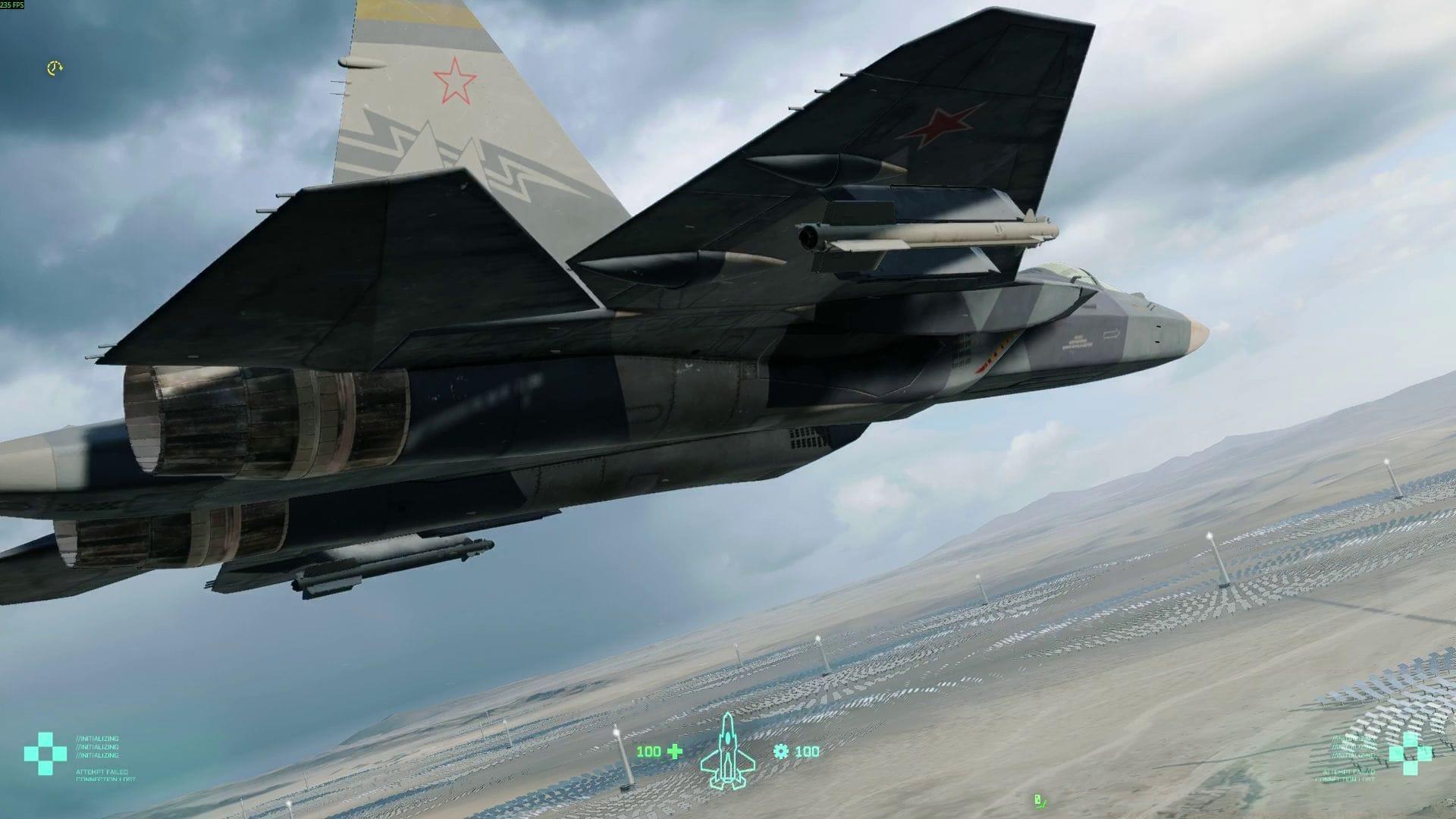
Mastering aerial warfare in Battlefield 2042 requires understanding the unique advantages these vehicles provide. Aircraft offer three-dimensional mobility that ground units cannot match, enabling flanking maneuvers from unexpected angles and vertical assault capabilities that bypass traditional defenses. The ability to traverse map boundaries quickly makes them ideal for rapid response and area denial strategies. Many players returning for seasonal content like the Road to Battlefield 6 battlepass discover aerial combat offers both high skill ceilings and rewarding gameplay loops when properly mastered.
Common mistake: New pilots often expose themselves to multiple threats simultaneously by flying directly over contested objectives. Instead, approach from oblique angles and use elevation changes to minimize exposure to ground fire.
Jet Combat Fundamentals
Effective jet piloting begins with threat prioritization. While Wildcats represent significant anti-air threats, experienced pilots recognize that enemy jets pose the most immediate danger to air superiority. Against ground-based AA systems, employ map boundary hugging techniques to minimize detection while positioning for surprise attacks. Against aerial opponents, maintain altitude advantages and use the sun’s position to obscure your approach when possible.
Energy management separates novice pilots from experts. Your Afterburner serves multiple functions beyond speed boosts – it enables rapid directional changes and emergency evasion. Use it in calculated bursts rather than sustained engagement. Braking maneuvers, while risky, can create unexpected positioning advantages against pursuing aircraft. Once air superiority is established, coordinate with ground forces using the comms wheel to mark high-value targets for coordinated strikes.
Pro tip: Map your Afterburner to a easily accessible key or button for rapid activation during dogfights. Many advanced pilots use toggle rather than hold configurations for better control during extended maneuvers.
Cooldown management represents another critical skill. When your countermeasures and primary weapons are depleted, retreat to safe airspace near map boundaries. Use this downtime to assess battlefield developments and plan your next engagement vector. Returning to combat with fully refreshed systems dramatically increases survival odds and combat effectiveness.
Helicopter Tactical Operations
Helicopter warfare demands different tactical thinking than jet combat. These aircraft excel at surgical strikes and area denial through their unique hover capability and low-altitude maneuverability. Your primary targets should be enemy helicopters and armored ground units, as these pose the greatest threat to team objectives. Against jets, evasion proves more effective than direct engagement – use your superior low-speed maneuverability to break missile locks and seek cover.
Successful helicopter pilots mentally map engagement routes before committing to attacks. Identify the shortest safe path to objectives, execute your weapon deployment, and immediately transition to retreat vectors. This ‘attack-retreat-reposition’ cycle prevents becoming stationary targets for enemy AA systems.
Advanced technique: Master the art of terrain masking by flying nap-of-the-earth routes that use landscape features to break line of sight. This dramatically reduces your vulnerability to lock-on weapons and unexpected engagements.
Low-altitude operations provide significant defensive advantages. By hovering near terrain features and structures, you create temporary safe zones to manage weapon cooldowns and assess battlefield developments. After completing attack runs, immediately identify the next covered position rather than lingering in engagement areas.
Advanced Combat Techniques
Camera system mastery provides significant combat advantages. When missiles track your aircraft, the rear-view camera offers critical situational awareness about threat vectors and timing. This intelligence enables precise countermeasure deployment and evasion maneuvering. For ground attack missions, third-person view delivers superior field awareness and targeting precision through its zoom capabilities.
Weapon system specialization determines combat effectiveness. For air superiority roles, the 25mm Cannon and AA-12 Radar Missile combination delivers devastating damage against enemy aircraft. When engaging ground armor, switch to 30mm Cannons paired with Air-to-Ground Missiles for maximum penetration. Always equip Missile Countermeasure Flares and Repair Systems in your equipment slots for survivability.
Targeting trick: When rocket systems prove difficult to aim using standard crosshairs, fire a single round and use the smoke trail as a trajectory guide for subsequent volleys. This technique significantly improves accuracy against both stationary and moving targets.
Helicopter loadouts require mission-specific configuration. The Nightbird excels with 20mm Cannons and Rocket Pods for versatile engagement profiles. Attack helicopters like the Hokum and Apache benefit from situationally selecting between Anti-Vehicle and Anti-Personnel Rocket Pods, while maintaining Air-to-Ground Missiles for armored threats.
Practice and Progression Systems
Skill development requires dedicated practice in low-risk environments. Access bot lobbies through the main menu by selecting Conquest, then Solo/Co-op Conquest mode. Configure the difficulty to Intermediate for balanced challenge that mimics human player behavior without excessive frustration. This environment allows weapon proficiency development and control scheme familiarization without competitive pressure.
Optimization strategy: Use practice sessions to simultaneously farm weapon unlocks while developing muscle memory for advanced maneuvers. Focus on one vehicle type per session to build specialized expertise rather than spreading attention across multiple aircraft.
Vehicle availability limitations make pilot seat time valuable. Rather than waiting for respawn timers, consider transitioning to infantry roles between aerial deployments. This maintains battlefield contribution while awaiting your next opportunity for air superiority. Remember that patience and situational awareness consistently outperform aggressive but poorly planned engagements.
As you progress, document your successful tactics and analyze engagements where you suffered early elimination. This reflective practice accelerates skill development and helps identify personal weaknesses in your aerial combat approach.
No reproduction without permission:Tsp Game Club » How to fly in Battlefield 2042? A beginner’s guide to flying Helicopters and Jets Master aerial combat in BF2042 with advanced flight tactics, weapon loadouts, and practice strategies for jets and helicopters