
TL;DR
- Build Spinning Wheel using Flax, Ash Logs, and Stones collected from Bramblemead Valley
- Gather Coarse Animal Fur by defeating Kebbits as alternative material source
- Ensure proper shelter construction before operating the spinning wheel
- Use Build menu (B key) to access crafting interface and processing options
- Optimize material collection routes for maximum efficiency in early game
In the expansive crafting system of RuneScape DragonWilds, Coarse Thread stands out as a fundamental component that bridges early game progression with advanced equipment creation. This versatile material serves as the backbone for numerous essential recipes, enabling players to craft everything from the powerful Ash Battlestaff to various bow types that enhance combat capabilities.
Unlike many basic resources that can be gathered directly from the environment, Coarse Thread requires intermediate processing through specialized equipment. This manufacturing step creates a strategic bottleneck that many new players overlook, making proper preparation crucial for uninterrupted progression through the game’s crafting tiers.
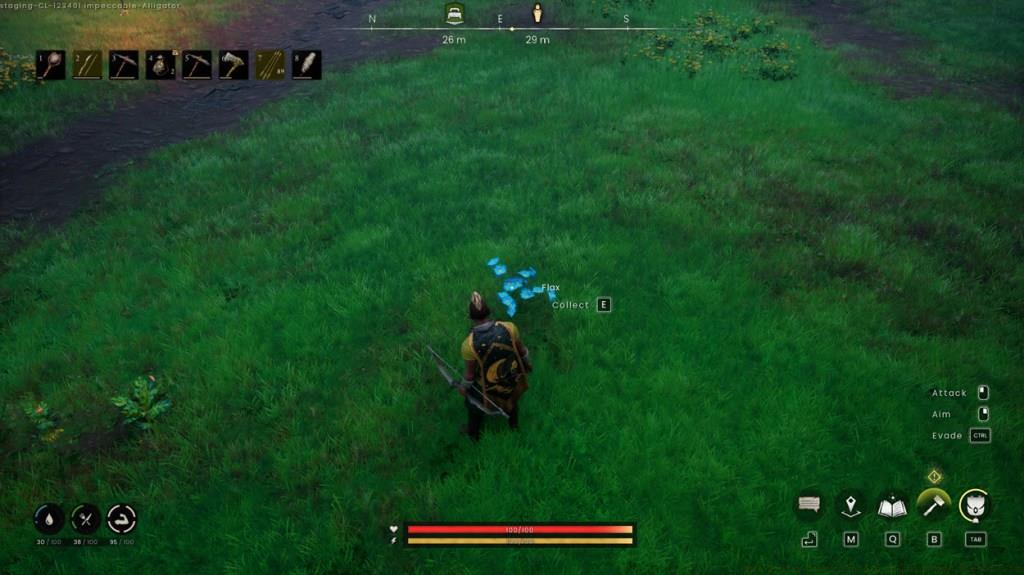
Establishing your spinning infrastructure begins with gathering three core components: Flax, Ash Logs, and Stones. Each material has specific collection methods that optimize your time investment. Flax appears as distinctive blue flora concentrated in Bramblemead Valley, where you can harvest substantial quantities by pressing the interact key (E) near these plants.
For Ash Logs and Stones, employ a dual approach: actively harvest from trees and boulders while simultaneously collecting scattered ground resources during your travels. This passive accumulation strategy significantly reduces the dedicated farming time required.
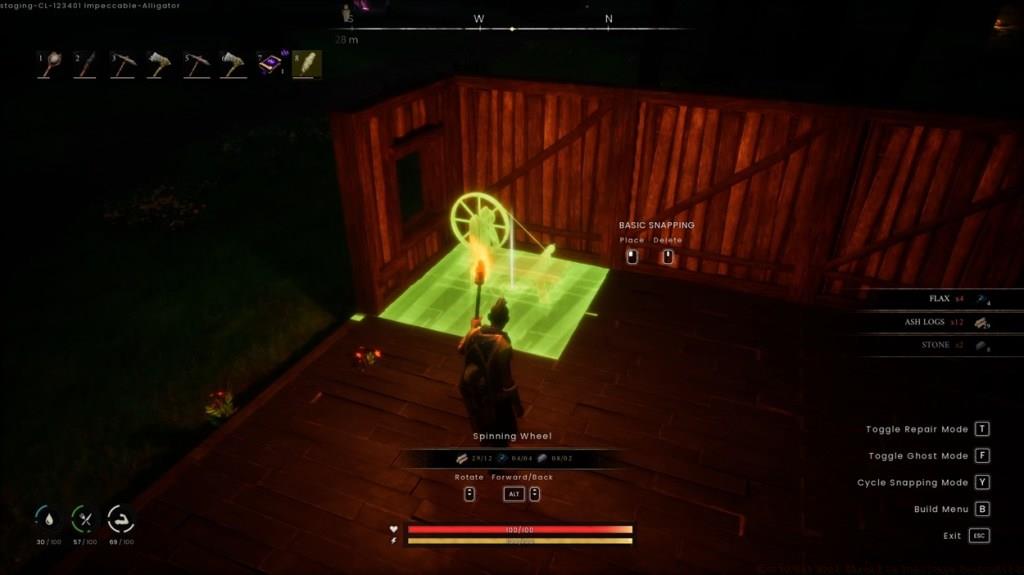
Once materials are secured, access the Build interface by pressing B, navigate to the Crafting category, and select the Spinning Wheel from Processing options. A critical construction requirement often missed by beginners: the spinning wheel must be placed under shelter to function. Ensure you’ve constructed a basic roof structure before attempting to use this equipment.
Flax represents the most accessible material for Coarse Thread production, with Bramblemead Valley offering the highest concentration of harvestable plants. For optimal efficiency, establish a circular collection route through the valley’s central areas, where flax spawns most densely. Return to these locations after in-game days reset to find respawned resources.
The alternative material, Coarse Animal Fur, requires combat engagement with Kebbits. These creatures typically inhabit forested areas adjacent to Bramblemead Valley, making them convenient targets during flax collection runs. Kebbits have moderate health pools and predictable attack patterns, making them manageable for players with basic combat proficiency.
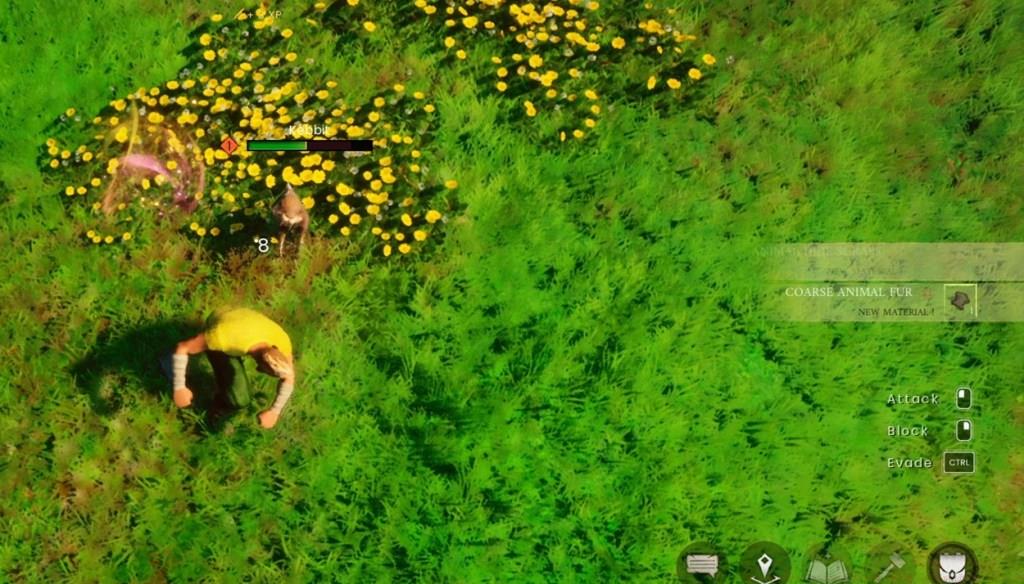
Advanced players should note that Coarse Animal Fur provides a slightly higher thread yield per unit compared to Flax, making it the preferred material once you’ve developed sufficient combat capabilities to farm Kebbits efficiently.
With your Spinning Wheel operational under proper shelter, the conversion process becomes straightforward. Access the wheel and select either Flax or Coarse Animal Fur from your inventory to begin production. The interface clearly displays conversion rates and estimated completion times for each batch.
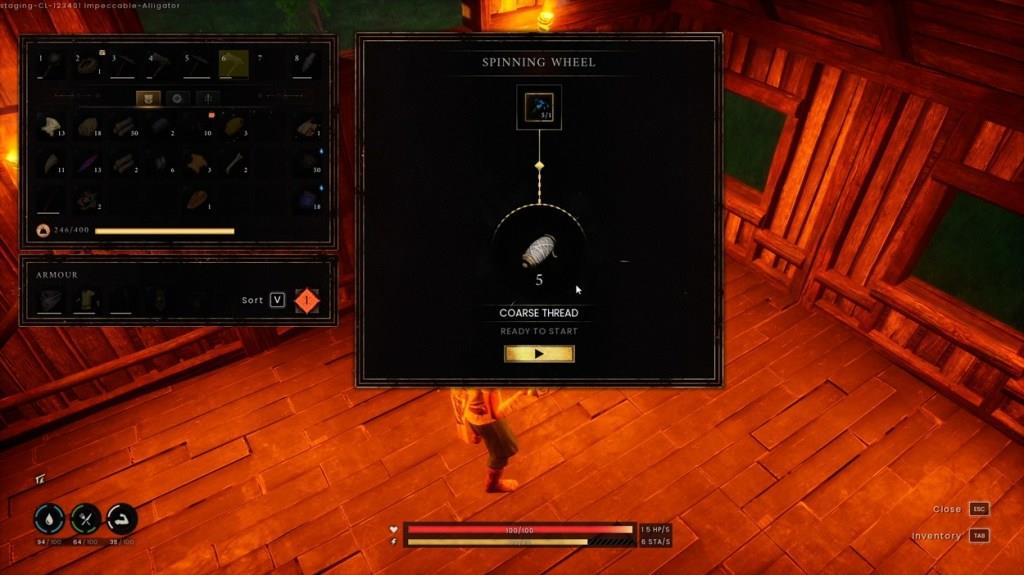
Material conversion efficiency varies between sources: Flax typically produces 1-2 Coarse Threads per unit, while Coarse Animal Fur yields 2-3 threads per unit. This differential makes combat acquisition more valuable for players who can efficiently defeat Kebbits.
Batch processing represents a key efficiency technique—gather substantial material quantities before using the Spinning Wheel to minimize travel time between crafting sessions. This approach becomes particularly important when supplying multiple crafting projects simultaneously.
Seasoned DragonWilds adventurers recommend establishing a dedicated crafting cycle: collect Flax during daylight hours, hunt Kebbits in transitional periods, and process materials during evening in-game time. This rhythm aligns with resource respawn patterns and optimal visibility conditions.
Avoid the common mistake of constructing your Spinning Wheel in remote locations—place it centrally to minimize travel time between resource areas and your production facility.
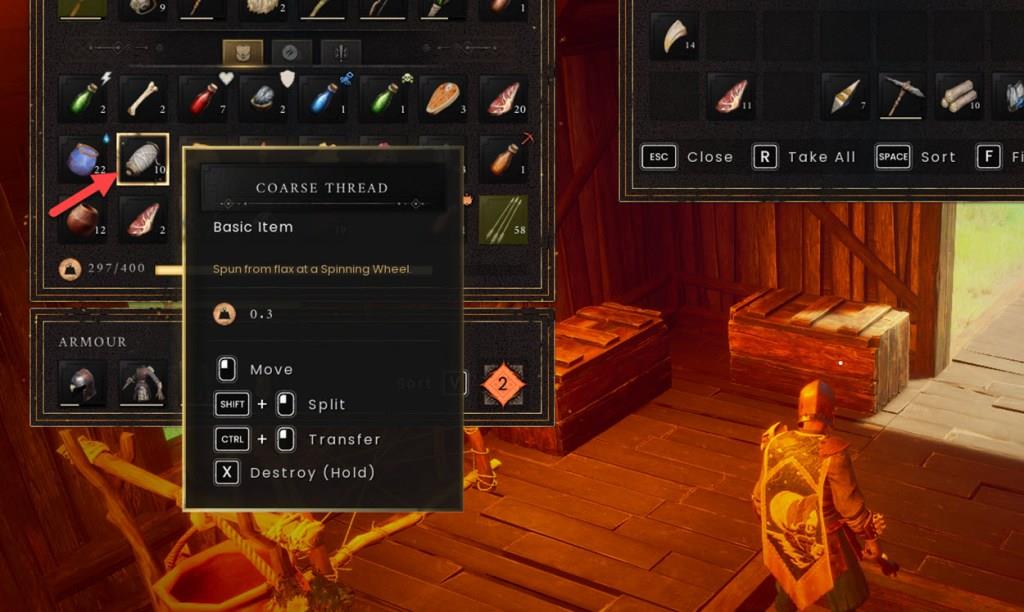
For players progressing toward more advanced content, understanding Coarse Thread requirements for specific high-tier recipes allows for proactive stockpiling. Check our Complete Guide for detailed breakdowns of late-game crafting dependencies.
Inventory management proves crucial—designate specific storage containers near your Spinning Wheel for raw materials and finished threads to maintain organizational efficiency.
Action Checklist
- Gather Flax from Bramblemead Valley using E key
- Collect Ash Logs and Stones from trees/boulders and ground spawns
- Build Spinning Wheel under shelter using B menu
- Defeat Kebbits in forest areas to obtain Coarse Animal Fur
- Process materials at Spinning Wheel for Coarse Thread production
No reproduction without permission:Tsp Game Club » How to Get Coarse Thread in RuneScape DragonWilds Master the essential crafting process for Coarse Thread in RuneScape DragonWilds with expert tips and strategies