
TL;DR
- Lurking requires strategic patience, not passive camping – timing is everything
- Master map control through information gathering and strategic positioning
- Adapt your lurking style based on map design and enemy behavior patterns
- Weapon choice and utility usage dramatically impact lurk effectiveness
- Pro players like ropz demonstrate how calculated aggression wins rounds
Mastering the lurker position in Counter-Strike 2 transcends basic flanking maneuvers – it represents a sophisticated tactical discipline that systematically dismantles opponent strategies through calculated positioning and precise timing. Unlike traditional roles focused on direct engagements, the lurker operates as your team’s strategic shadow, creating psychological pressure that forces enemies to second-guess every rotation decision.
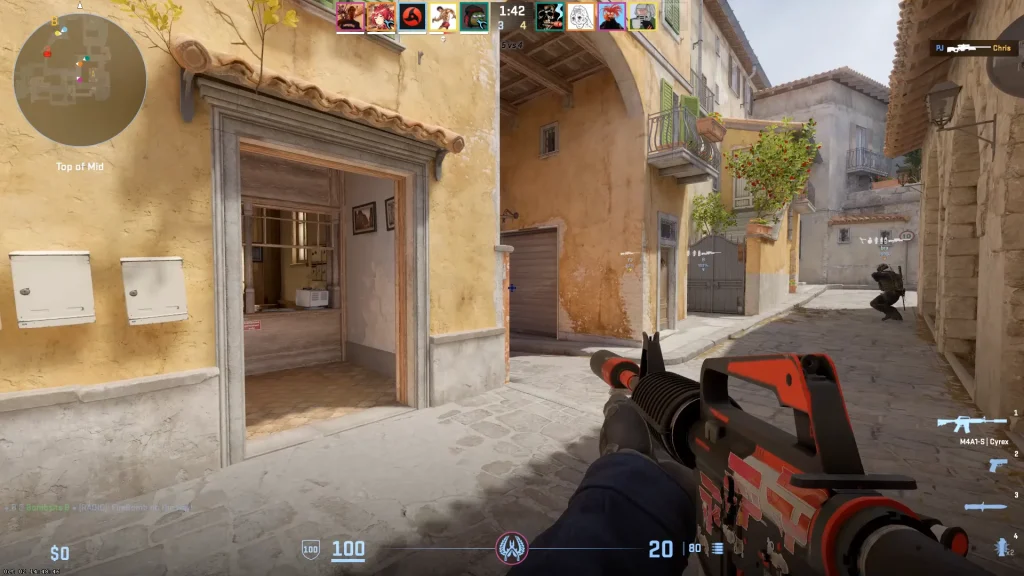
Within CS2’s tactical ecosystem, the lurker occupies a unique space between reconnaissance specialist and tactical assassin. This player deliberately separates from the primary assault group to exploit defensive vulnerabilities, intercept rotation patterns, and create strategic paralysis across the entire map. When executed with precision, effective lurking generates compound advantages that extend far beyond individual frag counts.
The psychological dimension of lurking cannot be overstated. A competent lurker forces opponents to allocate mental resources to potential threats from multiple directions simultaneously, creating decision fatigue that often leads to critical defensive errors during high-pressure situations.
Common Role Misunderstandings
Several persistent myths undermine proper understanding of the lurker’s function within team dynamics:
- “Lurkers are just baiters.” This represents a fundamental misunderstanding of tactical intent. Baiting involves deliberate sacrifice of teammates without strategic purpose, while lurking creates deliberate map pressure with coordinated timing.
- “Lurkers play solo and don’t need comms.” Effective lurking demands constant communication – you’re the team’s forward intelligence asset, not a lone wolf.
- “Anyone can just hold back and be a lurker.” Successful lurking requires sophisticated game sense, predictive analysis of enemy behavior, and seamless integration with team execution timing.
- “If I’m not getting kills, I’m not lurking well.” Strategic presence alone can win rounds by delaying critical rotations by mere seconds.
Pro Tip: The most effective lurkers maintain what professionals call “selective visibility” – they remain strategically present without telegraphing their exact positioning until engagement becomes unavoidable.
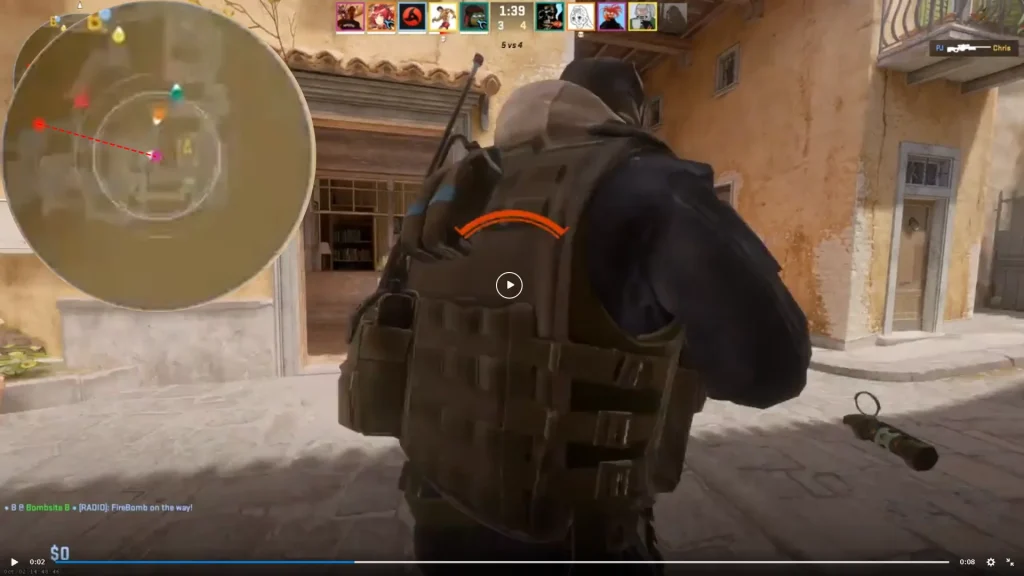
Every successful lurker operates with clearly defined tactical objectives that extend beyond simple elimination metrics. Understanding these core responsibilities transforms random flank attempts into calculated round-winning strategies.
Map Control & Presence
Strategic area denial forms the foundation of effective lurking. By occupying critical choke points and rotation pathways, you deny opponents free information gathering and map control acquisition. Consider positions like A apartments on Mirage or Banana control on Inferno – these locations represent the nervous system through which defensive coordination flows.
Advanced Technique: Implement what pro players call “progressive presence” – gradually extending your control area as the round develops, forcing defenders to commit additional resources to areas they previously considered secure.
- Information Gathering: Function as your team’s tactical radar system, processing auditory cues, utility deployment patterns, and rotation timing to build comprehensive situational awareness.
- Punishing Rotations & Overextenders: Capitalize on premature defensive rotations where players abandon positions before establishing actual threat validation.
- Timing the Backstab: The quintessential lurker skill involves synchronizing your engagement window with your team’s primary execution timing.
- Creating Strategic Distractions: Sometimes your mere existence in a strategic location forces defensive miscalculations. Even unsuccessful peek attempts can serve strategic purposes by drawing utility expenditure and defensive attention.
Remember that effective lurking prioritizes quality over quantity in eliminations. A single well-timed elimination that disrupts the entire defensive structure holds exponentially more value than multiple inconsequential frags.
Critical Insight: Professional analysis demonstrates that rounds with successful lurking typically feature only 1-2 key eliminations – but those frags consistently occur at moments that collapse defensive coordination.
Cultivating the complete lurker skillset demands dedicated focus on three interconnected competency areas that transform basic positioning into tactical mastery.
Map Awareness Mastery
Developing comprehensive map knowledge represents the foundational pillar of successful lurking. This extends beyond simple memorization of angles and pathways to encompass predictive analysis of opponent behavior patterns across different game situations.
Advanced game sense development involves building what professionals call “tactical intuition” – the ability to anticipate defensive movements before they manifest visually.
Ask yourself these strategic questions mid-round:
- “Based on current utility usage patterns, where will defensive resources likely concentrate?”
- “Have I identified patterns in their rotation timing or defensive positioning?
- “What defensive adjustments have they made in response to previous lurking attempts?”
Lurkers capable of answering these questions demonstrate the predictive capabilities that separate competent players from truly impactful strategic assets.
Pro Development Tip: Allocate 15-20 minutes before matches to review opponent demo patterns, focusing specifically on rotation timing and defensive gap exploitation opportunities.
Patience and Timing
The patience differential represents perhaps the most significant separator between amateur and professional lurking approaches.
Optimal timing doesn’t merely involve delayed engagement – it requires precise synchronization with your team’s primary execution moments.
Mastering what pros call the “engagement window” – that critical 2-3 second period where defenders face multiple simultaneous threats.
Avoid This Common Error: Many developing lurkers misinterpret patience as passive inactivity. In reality, strategic patience involves constant information processing and positional adjustment while maintaining concealment.
Communication Essentials
Despite operating independently, elite lurkers maintain constant communication flow, providing what amounts to tactical intelligence that shapes round development.
Essential communication responsibilities include:
- Rotation pathway identification and timing predictions
- Utility expenditure patterns and defensive resource allocation observations
- Auditory cue processing and positional intelligence dissemination
The most impactful lurkers coordinate their final engagement precisely as defenders commit to confronting the primary assault.
Advanced Coordination Technique: Implement what professional teams call “synchronized pressure” – creating simultaneous threats that overload defensive processing capabilities.
Each competitive map presents unique tactical landscapes that demand specialized lurking approaches. Understanding these map-specific nuances transforms generic flanking into targeted round-winning strategies.
Mirage Tactics
On Mirage’s complex urban environment, high-value lurking positions include Palace/A Apartments when your team executes B site assaults – enabling interception of defensive rotations through Connector or Jungle pathways.
- Inferno Routes
Inferno’s narrow corridors and rotation pathways offer distinctive lurking opportunities. The Banana control represents a classic high-risk, high-reward path – when your team commits to A site execution, deep Banana control followed by strategic wrapping creates devastating backline access. - Overpass Approaches
Overpass introduces vertical complexity and multiple connector routes that create sophisticated lurking matrices.
The overarching strategic principle across all maps involves selecting pathways that defenders typically consider low-priority or frequently bypass during mental rotation mapping.
Adjusting Lurking Style Based on Map Design
Different map architectures demand corresponding adjustments in lurking methodology and engagement timing.
- On maps featuring extended sightlines (Overpass, Mirage mid), avoid static positioning in exposed areas.
Critical Adjustment Factors:
- Maps with tight corridors (Inferno Banana, Overpass tunnels) permit more aggressive positioning while maintaining tactical caution.
- For environments with multiple rotation options, implement pathway variation to maintain unpredictability – a critical component of sustained lurking effectiveness.
- Sound propagation characteristics significantly impact lurking effectiveness. Areas with pronounced acoustic reverberation demand heightened audio discipline to avoid premature positional revelation.
Timing adjustments represent another crucial adaptation. On maps with rapid rotation capabilities, you may need to initiate engagement earlier or select more aggressive angles to prevent defensive containment.
Pro-Level Insight: Professional analysis reveals that successful lurkers adapt their timing windows based on map size and rotation pathway complexity.
Elevating your lurking from competent to game-changing requires mastering sophisticated techniques demonstrated by professional players across countless high-stakes matches.
Distraction Creation
Strategic misdirection represents an advanced lurking dimension where your primary objective involves manipulating defensive perception rather than securing eliminations.
Effective distraction techniques include:
- Deploy fake utility usage patterns to simulate presence in alternative locations
- Strategic auditory cue generation to pull defensive resources away from primary execution pathways
- Deliberate positional revelation followed by immediate concealment to create defensive uncertainty
Pro-Level Execution: Elite lurkers understand that sometimes the most impactful contribution involves convincing defenders that threats exist where none actually materialize.
The Art of Late-Round Clutches
When rounds progress to late-stage scenarios, lurkers often find themselves in prime position to secure victory through calculated late engagements.
Clutch success protocols:
- Maintain emotional composure and strategic clarity under extreme pressure
- Leverage remaining utility resources to control engagement timing and isolate opponents
Many of competitive CS2’s most memorable 1v2 or 1v3 victories originate from lurkers who maintain positional advantage until the decisive moment
Studying professional demos reveals that the most successful lurkers demonstrate what analysts call “strategic patience” – waiting for opponents to make positioning errors under time pressure.
Advanced Adaptation Strategy: Implement what pros call “pattern disruption” – deliberately breaking established lurking routines to maintain unpredictability against observant opponents.
Optimized Lurking Routes for Key Competitive Maps
Understanding the specific rotation patterns and defensive gaps on each map is what separates amateur lurkers from strategic threats. Each environment presents unique opportunities that require tailored approaches rather than generic lurking behavior.
- Mirage
When executing B site takes, position yourself in Palace / A Apartments to intercept CTs moving through Connector or Jungle. The Underpass → Connector → Catwalk sequence proves particularly effective for pinning down defenders who prematurely rotate or attempt to hold mid control. For A site pushes, establish presence around Tetris / CT Spawn to eliminate CTs attempting to retake or flank from unexpected angles. - Inferno
The legendary Banana corridor serves as both information gathering zone and lethal ambush point when timed with team coordination. - Overpass
Leverage the map’s vertical complexity by moving from Bathrooms / Water toward Connector, or navigate the Long Sewer → Monster → B route to emerge behind defensive setups. The A to Connector / Bank path creates perfect interception points for CTs rotating between bomb sites. The abundance of long sightlines and elevation changes allows for creative positioning that maximizes element of surprise.
The strategic principle remains consistent across all competitive maps: identify and exploit pathways that defenders mentally discount or routinely neglect in their rotation calculations. Consistency breeds predictability—if you repeatedly utilize identical lurk positions, observant opponents will quickly adapt and neutralize your effectiveness.
Tailoring Your Approach to Environmental Characteristics
Different maps present distinct architectural challenges that demand customized lurking methodologies. Your ability to read the terrain and adjust your movement patterns accordingly determines your success rate.
- On maps featuring long sightlines (such as Overpass and Mirage mid), avoid maintaining static positions in exposed areas. Utilize environmental cover, shadow zones, and controlled crouch-walking to minimize detection probabilities. Only reveal your position when enemy attention is firmly committed to other engagements.
- When navigating tight corridors and narrow paths (like Inferno’s Banana or Overpass mid tunnels), you can adopt more assertive positioning while maintaining tactical awareness. Pre-emptively clear common defensive angles and deploy utility to restrict CT vision and movement options.
- For maps with multiple rotation routes, implement systematic path variation. Avoid repetitive deep infiltration via identical routes—when multiple options exist including mid, connector, or back alley pathways, deliberately mix your approaches. Maintaining unpredictability becomes your primary defensive weapon against organized teams.
- Acoustic awareness becomes critical: on maps with pronounced echo or reverberation characteristics (particularly confined interior spaces), your footstep patterns and utility deployment sounds carry significantly farther distances. Exercise heightened caution regarding noise discipline in these acoustically sensitive environments.
Style adaptation extends beyond positioning to encompass timing adjustments. On compact maps with rapid rotation capabilities, you may need to initiate your strikes earlier or select more aggressive angles to prevent CTs from establishing impenetrable defensive formations.
Armament Considerations for Stealth Operations
A lurker’s equipment selection must carefully balance stealth requirements, elimination potential, and survivability factors. Here are optimized choices and their situational applications:
- Silenced / quieter weapons: When map geometry permits or suppressor attachments are available, utilizing acoustically dampened firearms helps prevent positional compromise. In CS2’s current meta, while standard AK/M4 platforms lack integrated silencers unlike previous iterations, selecting weapons that minimize auditory signature during engagements proves strategically advantageous.
- Rifles (AK‑47 / M4A1-S / M4A4): These represent foundational choices due to their one-tap headshot capability and burst-fire consistency. As a lurker, when surprising unprepared opponents, you require immediate elimination capability. Rifles provide versatile performance across both intermediate and extended engagement distances should your angles become exposed.
- SMGs / MP5 / MP7: During close-quarters infiltration or when navigating confined passageways, SMGs demonstrate distinct advantages. Their enhanced mobility facilitates rapid repositioning following successful eliminations or missed opportunities. Their economical pricing structure also benefits during eco or partial buy scenarios.
- Pistols (USP‑S, P250, Deagle, Five‑Seven, Tec‑9): In pistol rounds or financially constrained situations, utilize available resources effectively. For instance, the USP‑S’s acoustic suppression characteristics provide tactical benefits. A precisely placed Deagle round while maintaining stealth positioning can produce devastating round-impacting results.
- AWP / Sniper (situational deployment): For players possessing advanced sniper proficiency, occasionally a lurker controlling extended sightlines (such as CT spawn or long mid corridors) can function in dual roles. However, this approach carries inherent risk—you sacrifice mobility, and missed shots as a lurking specialist incur substantially higher strategic costs.
Fundamental principle: select equipment you trust implicitly, providing both elimination reliability and operational flexibility.
Strategic Grenade Implementation for Area Denial and Distraction
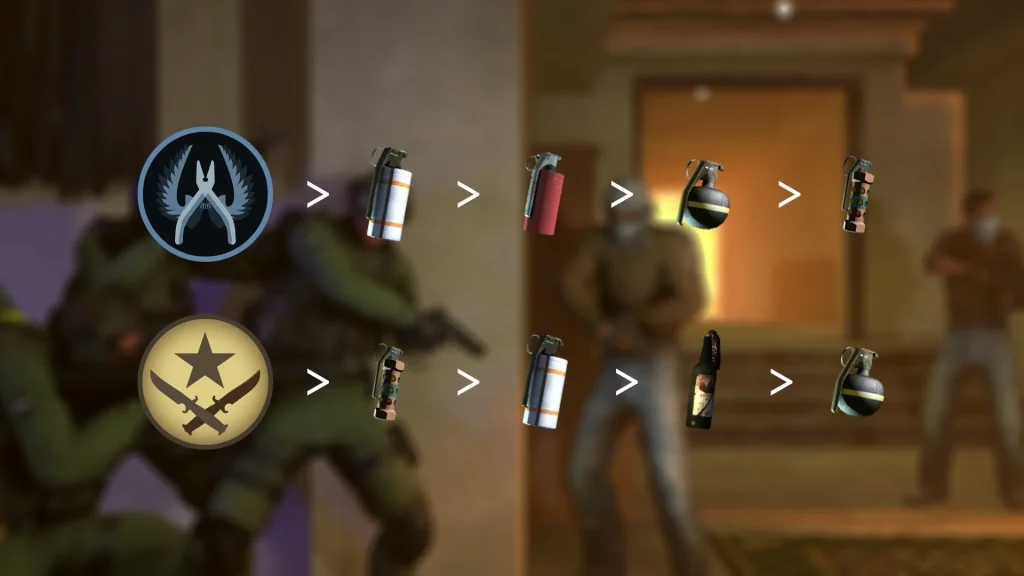
Tactical grenade deployment frequently determines the difference between successful eliminations and complete tactical failure. Utilize your explosive arsenal to enhance stealth characteristics and apply strategic pressure.
- Smoke Grenades
Employ smoke canisters to obstruct CT visual coverage along rotation corridors—forcing hesitation or complete avoidance of retake attempts. You can also position smokes behind your location following successful engagements to sever pursuit paths from CTs tracking your flank movement. In certain situations, smoke deployment facilitates undetected infiltration past defensive positions or enables tactical repositioning without observation. - Flashbangs / Pop-flashes
A precisely timed flash detonation around corners you plan to advance past can visually impair defenders, increasing your operational safety. Occasionally, a decoy flash throw toward your primary push direction can attract CT attention allocation, permitting your silent advancement through alternative routes.
Successful lurking in Counter-Strike 2 demands adapting your approach based on the economic situation and available equipment. Understanding how to modify your tactics for different round types separates amateur lurkers from strategic game-changers.
Full-Buy Round Execution
When both teams have full loadouts, lurking becomes a high-leverage strategy that can single-handedly determine round outcomes. With access to grenades and superior firearms, your flank eliminations or rotation interceptions can completely dismantle the enemy’s defensive structure. However, Counter-Terrorists will be operating at peak alertness during these rounds.
Key considerations for full-buy lurking include:
- Varying your approach routes to avoid becoming predictable
- Strategic deployment of utility to create confusion and isolate engagements
- Avoiding commonly pre-aimed positions that experienced players consistently check

Eco and Force-Buy Round Adaptation
When your team operates with financial limitations, lurking transforms into a more nuanced art form. You may find yourself as the sole rifle carrier among pistol-equipped teammates, creating both opportunities and vulnerabilities.
During economically constrained rounds:
- Exercise extreme caution regarding crossfire situations and extended engagements
- Emphasize stealth and element of surprise rather than direct confrontations
- Leverage auditory distractions or limited utility to bait defenders out of position
In eco scenarios, successful flank kills deliver disproportionately high returns compared to their risk. A single well-timed elimination behind enemy lines can secure rounds that otherwise seemed unwinnable.
Practical eco-round lurking strategy involves creating rotation pathways for your economically disadvantaged teammates while minimizing your exposure to unfavorable engagements.
Elite-level lurking transcends simple positional play—it requires actively interpreting opponent behavior, identifying rotation tendencies, and exploiting defensive vulnerabilities in real-time.
- Pre-Game Demo Analysis
Before competitive matches, thoroughly review opponent gameplay recordings or previous round performances. Identify their rotation timing patterns (fast response, delayed reaction, post-initial contact). Where do they consistently leave coverage gaps during rotations? Are there map sectors they repeatedly neglect? - In-Game Audio and Visual Cues
When teammates report enemy contact, utility deployment, or positional callouts, process this information strategically. If your squad announces “two opponents at A, smoke deployed mid,” this may indicate an impending rotation or diversionary tactic. Capitalize on these moments strategically. - Sound-Based Intelligence Gathering
Counter-Terrorists moving through secondary pathways often produce detectable noise. Audible footsteps in connector areas or map transition zones provide actionable intelligence—but remain vigilant, as enemies sometimes simulate movement sounds through tactical grenade usage. - Strategic Patience and Rotation Baiting
Sometimes maintaining position and awaiting enemy rotation proves more effective than aggressive advancement. If CTs must clear every potential ambush point before rotating, they consume valuable time. If they face utility shortages, their rotation speed may decrease significantly or cease entirely. - Pattern Recognition and Adaptation
If opponents consistently rotate through Connector initially, position yourself accordingly. But if they transition to Long or Mid routes in subsequent rounds, adjust your approach accordingly. Maintain unpredictability through continuous tactical variation.
Exploiting Predictable Opponent Behavior
When you identify consistent tendencies—such as early banana pushes on Inferno, or consistent smoke usage to block mid rotations—exploit these behavioral patterns systematically.
- Isolated Rotation Punishment
If you observe situations where only a single CT rotates, prepare to eliminate this vulnerable isolated defender. - Counter-Smoke Tactical Advantage
If enemies repeatedly deploy smokes at specific choke points, position yourself behind or adjacent to these smoke screens. Counter-Terrorists often assume smoke barriers provide complete visual obstruction; you can capitalize on this assumption. - Movement Pattern Analysis
If CTs consistently walk quietly during rotations, lurking near their pathways becomes particularly effective. However, if they begin running during rotations, anticipate potential flanking maneuvers against your position. - Positional Overlap Creation
You can apply pressure across multiple angles simultaneously, forcing defenders into over-rotation or positional compromises. Utilize decoy utility or auditory misdirection to manipulate their positioning, then strike where they’ve created vulnerabilities. - Mid-Match Strategic Adjustment
If Counter-Terrorists alter their patterns due to detecting your lurking strategies, avoid persisting with identical approaches. Rotate your tactical methodology, positioning locations, and timing windows to maintain operational secrecy.
Overcommitment Dangers
One of the most significant errors emerging lurkers commit is tactical overextension. You secure an elimination, observe an apparently clear pathway, and advance aggressively without comprehensive situational awareness. The temptation is powerful—but the consequences are often round-losing.
Overcommitment typically occurs when you:
- Advance too deeply into hostile territory without verifying remaining defender positions
- Assume map sectors remain clear based on outdated information
- Engage multiple sightlines concurrently, distributing your attention excessively thin
Remember, strategic lurking fundamentally differs from entry fragging. You’re not spearheading the assault—you’re systematically eliminating stragglers, intercepting rotations, or targeting late-arriving defenders.
Corrective measures for overcommitment:
- Prioritize intelligence gathering before committing to advances
- When uncertain, retreat to safer positions or maintain passive defensive angles
- Synchronize your movement timing with team execution phases
- Accept that sometimes securing no eliminations creates greater strategic pressure than advancing and dying prematurely
Strategic patience consistently wins lurking engagements. Succumb to greed, and you’ll sacrifice not just your operational life, but your team’s competitive momentum.
Passive vs. Aggressive Balance
Effective lurking requires maintaining delicate equilibrium between caution and initiative. Excessive passivity renders you strategically irrelevant. Unchecked aggression transforms you into just another early-round casualty statistic.
Indicators you’re playing excessively passively:
- You consistently survive until round conclusion but generate minimal strategic impact
- You never proactively secure map control or gather critical intelligence
- You fail to compel CTs to respect your map presence
Corrective actions:
- Execute more deliberate peeking maneuvers
- Generate strategic pressure—even through auditory distraction or tactical utility deployment
- Maintain deeper defensive angles that enable rotation interception
Indicators you’re playing excessively aggressively:
- You die prematurely during most rounds attempting to execute lurking maneuvers
- You initiate engagements without adequate support or tactical preparation
- You consistently lose duels because you’re advancing without proper setup
Corrective measures:
- Master common CT holding positions and defensive setups
- Allow defenders to overextend rather than charging into their pre-aimed positions
- Permit round development to progress before making tactical commitments
The strategic objective remains maximized impact with minimized visibility. You should function as an operational phantom—constantly present, never detected until engagement initiation becomes unavoidable. Strategic lurking represents a continuous tightrope traversal between calculated boldness and strategic restraint.
How Pro Players Like ropz, Xyp9x, and EliGE Master the Lurking Role
Observing elite professional players provides invaluable insights into high-level lurking execution. These athletes demonstrate how to transform a tactical role into a game-winning advantage through refined decision-making and impeccable timing.
- ropz (FaZe / ex-Mouz)
Renowned for his methodical approach, ropz exemplifies intelligent patience in lurking situations. He consistently positions himself to capitalize on enemy over-aggression while maintaining perfect crosshair discipline. The key lesson from ropz: positioning and timing create more opportunities than raw aggression. His ability to read opponent tendencies allows him to appear exactly where defenders least expect. - Xyp9x (Astralis)
Nicknamed the “Clutch Minister,” Xyp9x turned clutch scenarios into routine victories through calculated lurking. He mastered the art of remaining invisible until critical moments, then delivering decisive impact. What you learn: clutch awareness and lurking go hand-in-hand. A skilled lurker evolves into a lethal finisher when rounds matter most. - EliGE (Liquid)
Though not exclusively a lurker, EliGE frequently adopts this function with a versatile approach. His assertive movements are carefully measured, and he employs utility with precision to displace defenders from entrenched positions. What you learn: you don’t need to be passive to lurk—aggressive lurks can also work when synchronized properly with team movements and supported by effective grenade usage.
Analyze their match recordings with focused intent. Concentrate beyond the elimination highlights—examine the movement patterns, angle selections, and tactical choices. This deeper analysis reveals the strategic foundation behind their success.
What You Can Learn from Strategic Demo Analysis
Match recording review serves as essential development work for dedicated competitors seeking genuine improvement, not just casual players.
When studying professional lurkers:
- Monitor rotation timing decisions—do they advance early or await teammate engagements?
- Analyze crosshair placement consistency—maintaining head-level aiming position regardless of situation.
- Evaluate utility deployment strategies—do they utilize flashbangs before peeking or deploy smokes to obstruct common rotation corridors?
- Observe auditory deception techniques—numerous elite lurkers simulate footstep sounds, weapon reload animations, or use grenades as bait to attract defender attention.
Leverage third-person perspective or x-ray visualization modes to comprehend how they psychologically manipulate opposing defenders. Crucially, implement these observed lessons within your own gameplay sessions. Conceptual understanding remains worthless without practical application through repetition.
Balancing Lurking with Entry Fragging Responsibilities
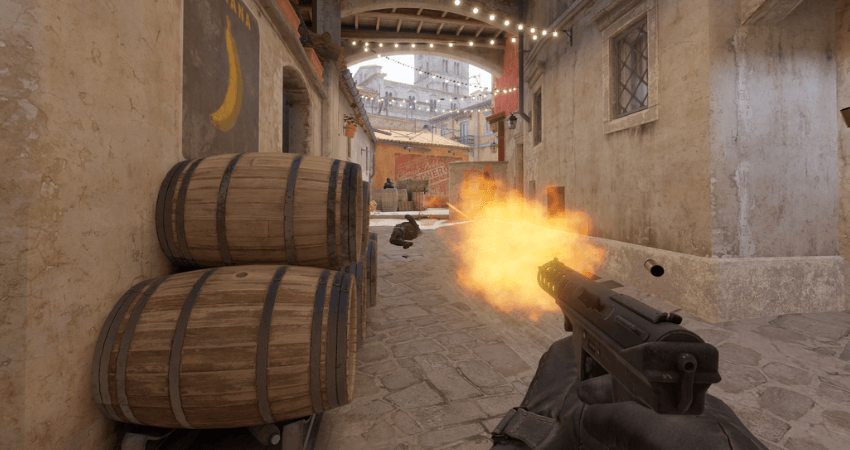
Adopting the lurking role every single round represents unnecessary specialization. You’ll naturally transition between entry fragger, support player, or utility specialist roles naturally. However, comprehending how to seamlessly incorporate lurking into your comprehensive approach provides additional tactical resources for victory.
- When functioning as an entry fragger, apply your lurking expertise to anticipate where defenders typically position themselves.
- Should you transition to lurking mid-game, your unpredictability will surprise counter-terrorist players unexpectedly.
- Alternate between responsibilities. Perhaps you employ lurking tactics during full purchase rounds, and assume entry duties during economic or forced-buy situations.
- Utilize your accumulated knowledge to assist fellow lurkers. When another teammate assumes lurking functions, provide them intelligence updates or protect their exposed flanks.
The essential principle remains adaptability. Avoid categorizing yourself exclusively as “the lurker.” Become the versatile competitor capable of performing multiple functions—and executing them competently.
Strategic Timing: When to Lurk Versus When to Support Team Coordination
Elite lurkers intuitively recognize when to operate independently and when to consolidate with the collective unit.
Employ lurking tactics when:
- Your team initiates execution phases and you can intercept rotating CT squad members.
- You’re controlling critical pathways (examples: connector corridors, mid control zones, apartment complexes) that present flanking vulnerability.
- You possess confident assessment regarding adversary positioning and movement timing patterns.
Coordinate with the primary team formation when:
- Round situations descend into chaos and you require numerical superiority.
- Your lurking patterns have been identified (CTs demonstrate adaptation or pre-fire your common positions).
- The opposition launches aggressive rushes, necessitating consolidated site defense.
- You participate in pistol rounds or limited purchase scenarios requiring trade frag opportunities.
Conceptualize lurking as an implement—not an identity. Deploy it when generating optimal value. Abandon it when transforming into disadvantage.
Best Practice Routines for Aspiring Lurkers
Simply deciding to become an effective lurker proves insufficient. You must train specific situational responses and condition your cognitive processes for patience development and awareness enhancement.
- Customized aim training environments: Refine angle control, flick shot accuracy, and crosshair positioning consistency. Lurkers frequently encounter isolated engagements—they must consistently prevail in these encounters.
- Movement specialization maps: Acquire silent strafing techniques, crouch-walking proficiency, and information-concealing peek execution.
- Utility application mastery: Memorize smoke, flashbang, and incendiary lineup placements for each competitive arena. These capabilities provide implements to separate or prevent CT movement.
- Match recording analysis sessions: Review your personal competitive matches. Question yourself—did I initiate lurking prematurely? Did I hesitate excessively? Did I maintain ineffective defensive angles?
Establish training regimens that strengthen your lurking mentality:
- During each gameplay session, designate specific rounds to practice dedicated lurking methodology.
- Define measurable objectives: “I will secure 1 high-impact elimination without detection until firing initiation.”
- Following round completion, evaluate performance: “Did I influence match outcome significantly, or did I function as an inconsequential presence?”
Community Servers and Custom Maps for Lurking Skill Development
Utilize CS2’s extensive community-generated content to hone your competitive capabilities:
- Yprac practice arenas: These assist your training for smoke, flash, and molotov placements. Critical for lurkers seeking to restrict adversary mobility or rotate securely.
- Retake scenario servars: Excellent for rehearsing clutch circumstances that lurkers regularly confront.
- Deathmatch training environments: Practice angle maintenance and reaction speed development. Emphasize confined engagements rather than chaotic run-and-gun scenarios.
- 1v1 duel arena servars: Lurkers require victory in separated confrontations—these environments help refine that mechanical proficiency.
Additionally, generate customized bot training matches where you simulate lurking routes, rotation control, and silent corner clearance techniques. Repetitive practice develops instinctive responses.
Creating Strategic Distractions
Occasionally, your primary function isn’t elimination—it’s psychological manipulation.
- Deploy decoy smoke grenades or flashbang simulations toward bombsite A, then reposition toward B.
- Discharge your firearm in one compass direction while your teammates covertly advance along alternative routes.
- Generate running sounds to activate rotation responses, then establish complete silence.
Distraction represents psychological warfare. You compel defenders to react based on inaccurate intelligence. You convince them the primary assault originates from one orientation—when reality differs. The more proficient you become at this strategic layer, the greater confidence your team places in your capacity to secure round victories without ever penetrating the bombsite perimeter.
The Art of Late-Round Clutch Execution as a Lurker
When you remain as the final surviving participant, complete responsibility rests upon your decisions. This juncture transforms lurkers into legendary figures.
Here’s the methodology for clutch execution with ghost-like precision:
- Maintain emotional composure: Avoid panic reactions. Should you progress this extensively, the CT units experience comparable uncertainty.
- Employ auditory awareness: Monitor for footstep patterns, reload auditory cues, and bomb-defusal sound indicators.
- Utilize tactical grenade deployment: Preserve flashbang resources for critical angle clearance. Deploy molotov cocktails to obstruct bomb defusal attempts.
- Adopt adversary perspective analysis: Where would they anticipate your positioning? Occupy alternative locations.
- Leverage temporal management: Chronological progression serves as your most powerful weapon. Entice them toward impatient decision-making.
Numerous legendary 1v2 or 1v3 scenarios originate from lurking specialists. Because they function from concealed positions, they initiate engagement at precisely calculated instants.
Action Checklist
- Study opponent rotation patterns during first 3 rounds to identify exploitable tendencies
- Practice silent movement techniques on community servers for 15 minutes daily
- Master 2-3 key lurking pathways on your primary competitive maps
- Develop communication protocols for mid-round intelligence sharing with your team
- Study enemy rotation timing through demo review – note when CTs typically abandon sites
- Practice silent movement techniques on community servers for 10 minutes daily
- Identify 2-3 alternative lurk paths for your primary maps
- Analyze opponent demos pre-match to identify rotation timing and defensive gap patterns
- Adjust your lurking depth and aggression based on round economy (full-buy vs. eco)
- Vary your approach routes and timing windows to maintain unpredictability
- Use auditory cues and utility to manipulate defender positioning
- Analyze 2-3 professional match recordings weekly, focusing specifically on rotation timing and positioning decisions
- Practice silent movement and angle control on community training maps
- Develop 3-4 distinct lurking routes for your primary maps
- Implement role switching between lurking and entry fragging based on round economy
No reproduction without permission:Tsp Game Club » How to Lurk Effectively in CS2