
TL;DR
- Anchors serve as defensive pillars, creating psychological pressure and enabling team flexibility
- Master positioning variation, utility timing, and communication discipline for maximum site control
- Develop map-specific anchor protocols and adapt strategies based on economy and enemy tendencies
- Practice focused training routines targeting spray control, utility lineups, and clutch decision-making
- Study pro player VODs to learn advanced positioning and utility usage patterns
In Counter-Strike 2’s evolving tactical landscape, the site anchor represents one of the most strategically vital defensive roles. Far beyond simple angle holding, anchoring encompasses a sophisticated blend of mechanical precision, strategic foresight, and psychological warfare. The modern anchor doesn’t merely defend territory—they manipulate enemy decision-making, control engagement timing, and enable team-wide strategic flexibility through disciplined site control.
Anchors function as the defensive foundation that allows teams to execute aggressive map control strategies elsewhere. When you anchor effectively, you provide the stability that enables your in-game leader to make calculated gambles on the opposite site or in mid control battles. This role transforms what appears to be passive defense into active strategic enablement.
Understanding the Anchor Position
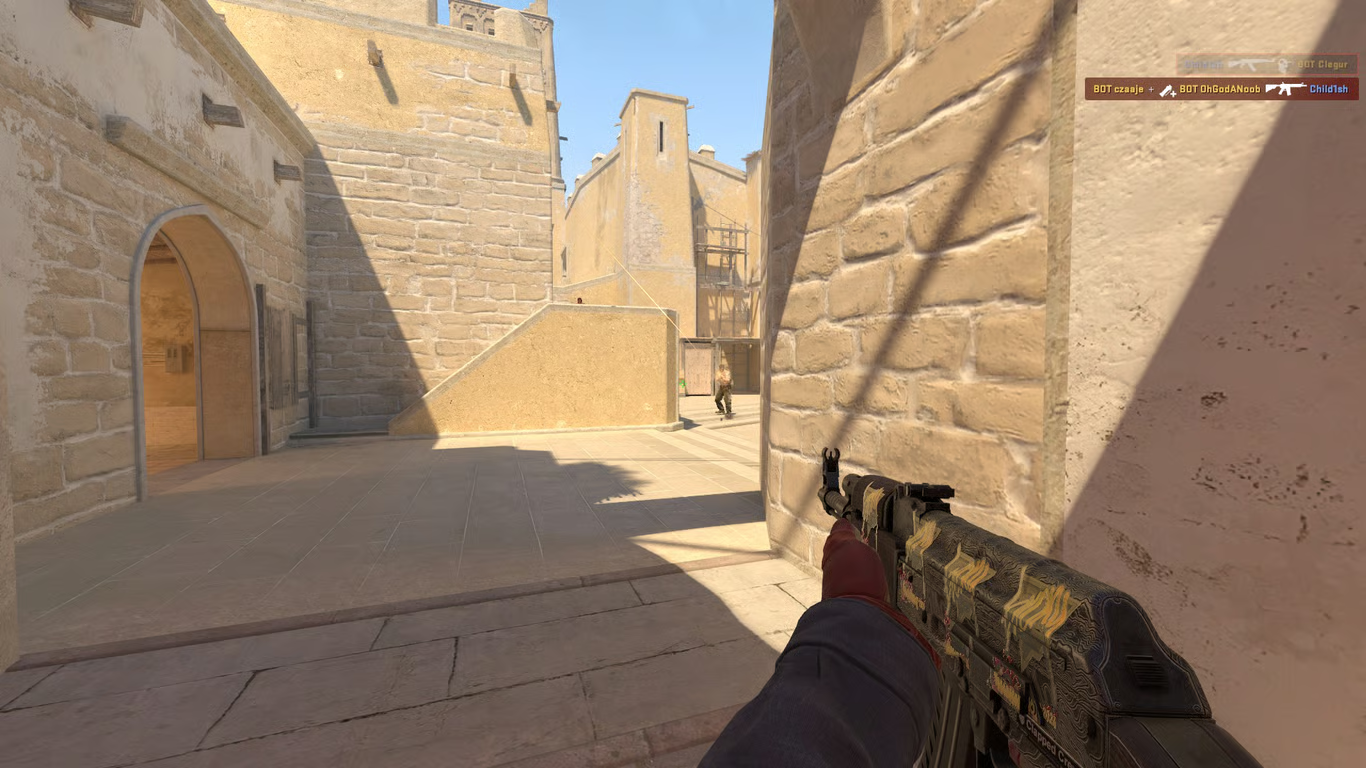
The psychological dimension of anchoring cannot be overstated. A formidable anchor creates hesitation in enemy executes—opponents will second-guess rush timing, hesitate on commitment decisions, and potentially abandon planned site takes altogether when facing consistently strong defensive performances.
Successful anchoring requires mastering three critical dimensions: positioning intelligence (knowing where and when to stand), utility mastery (precise timing and placement), and communication excellence (clear, calm information relay).
Why Anchors Are Team Pillars
Anchors enable what professional teams call “calculated stacking”—the ability to overload one site with defenders while maintaining confidence in the anchored site’s security.
Psychological Impact of Strong Site Holds
The mere presence of a reliable anchor reshapes the entire tactical landscape. Teams can allocate resources more aggressively elsewhere, knowing their anchored site presents a formidable defensive barrier.
While the surface-level objective remains straightforward—prevent enemy site control—the anchor’s true responsibilities extend far deeper into strategic territory.
Information Gathering Protocols transform raw sensory data into actionable intelligence. Every footstep pattern, utility usage sequence, and timing tells a story that anchors must learn to read and interpret accurately.
Delay Tactics and Time Management
Mastering delay means understanding the value of each second burned from the round timer. A well-executed 8-second delay can transform an impossible retake into a manageable 3v3 scenario with superior positioning advantages.
Strategic Communication Frameworks separate elite anchors from average performers. Communication isn’t just about volume—it’s about precision, timing, and actionable clarity for your teammates.
Advanced anchoring involves developing what professional players call “tiered delay strategies”—using utility in sequenced patterns to maximize time denial while preserving defensive resources.
Critical communication protocols include:
- Information Filtering: Distilling raw data into concise, actionable intelligence for your team.
- Step count and direction estimation
- Utility usage pattern recognition
- Enemy commitment level assessment
Anchors must maintain what’s known as “defensive economy”—ensuring that every utility usage, every engagement, and every communication delivers maximum value.
Position selection represents the cornerstone of effective anchoring. Every position carries inherent risk-reward calculations that must be continuously re-evaluated based on round context, enemy tendencies, and team resource allocation.
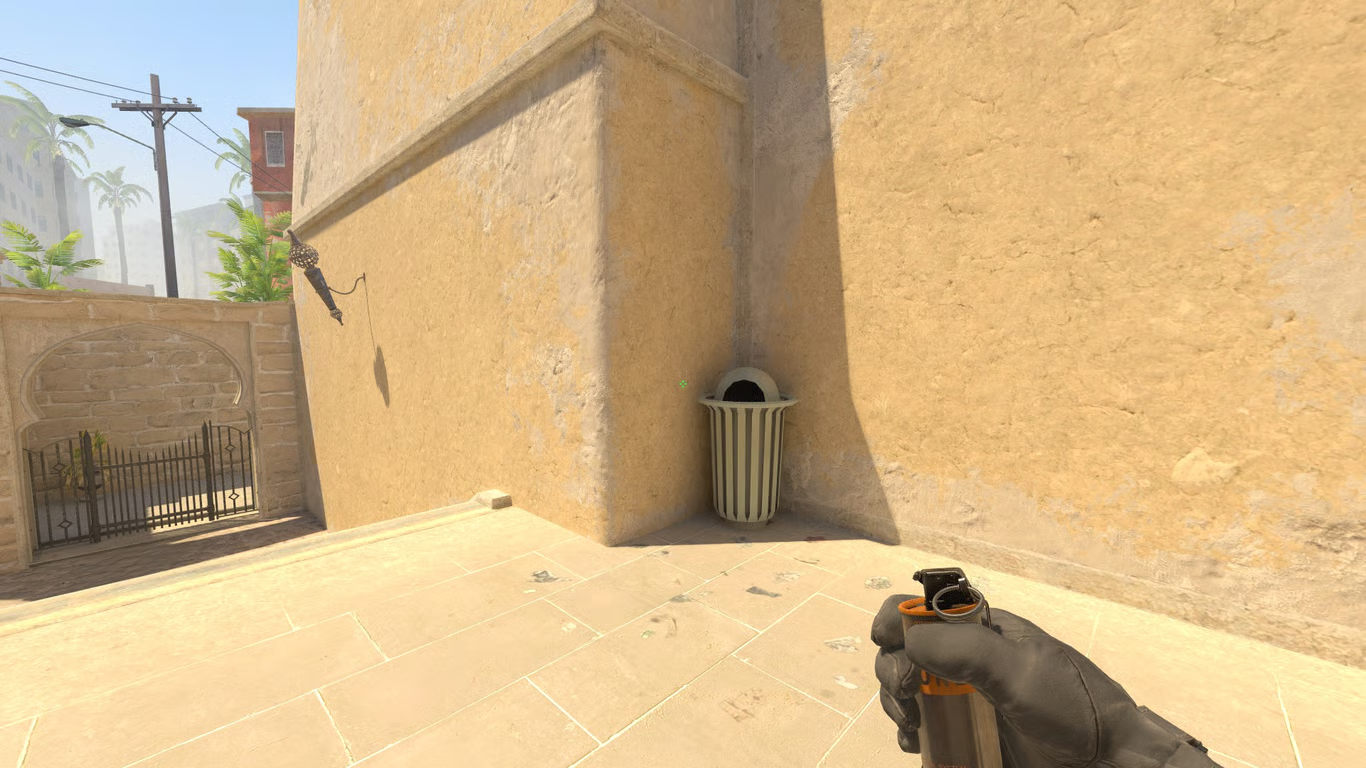
Risk Assessment Matrix provides a framework for position selection. High-risk positions typically offer superior early engagement opportunities but leave you vulnerable to isolation and focused utility usage.
Map-Specific Position Libraries
Developing comprehensive position libraries for each map you anchor is essential for long-term success and adaptability.
Economic Adaptation Principles dictate position selection based on equipment status. When economically disadvantaged, anchors should prioritize positions that maximize surprise factor and close-quarter engagement advantages.
Position Rotation Schedules prevent pattern recognition by opponents. Professional anchors typically maintain 3-5 viable positions per site and rotate through them systematically to maintain unpredictability.
Advanced positioning techniques include:
- Predictability Audits: Regularly review your position patterns through demo analysis to identify and correct predictable behaviors.
Critical economic adaptation guidelines:
- Rifle rounds: Deeper holds with utility support
- Eco rounds: Close-angle surprise positions
- Force buy scenarios: Hybrid positioning balancing risk and reward
Mastering the economic dimension of positioning separates consistently effective anchors from situationally successful ones.
Technical proficiency forms the bedrock upon which strategic anchoring excellence is built. Without solid mechanical foundations, even the most brilliant strategic insights remain unrealized potential.
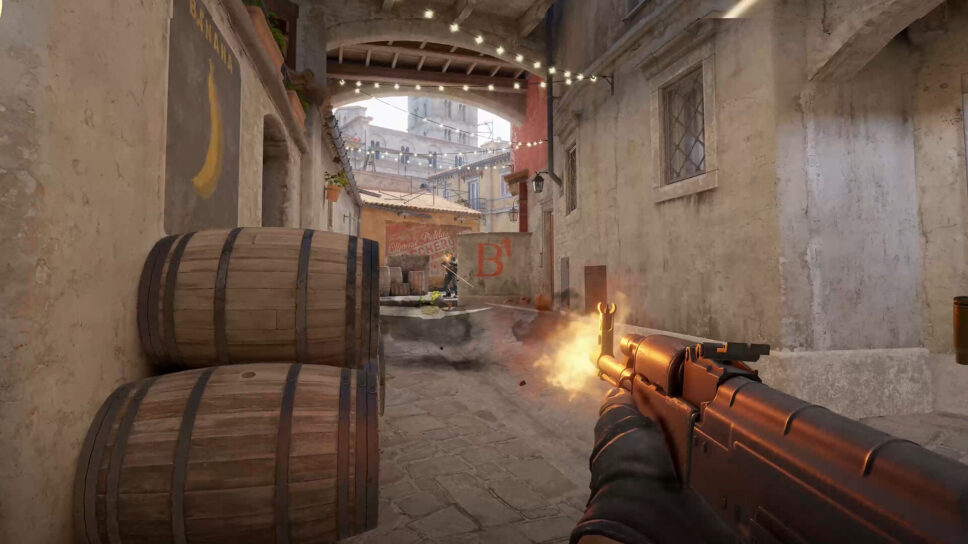
Crosshair Placement Science transforms random engagements into calculated victories. Elite anchors maintain what’s known as “predictive crosshair positioning”—anticipating enemy movement patterns and pre-aiming accordingly.
Movement and Counter-Strafing
Movement discipline separates professional anchors from amateur defenders. Every movement should serve a specific purpose—information gathering, angle adjustment, or engagement preparation.
Spray Control Under Pressure represents perhaps the most technically demanding aspect of anchoring excellence.
Advanced Mechanical Drills for anchor development:
- Dynamic Target Acquisition: Practicing rapid target switching and spray transitions between multiple enemies during site executes.
Technical training protocols should include:
- Headshot-only training against moving targets
- Spray pattern mastery across different engagement distances
- Counter-strafing precision under time pressure scenarios
Mastering these mechanical elements enables anchors to transform seemingly impossible defensive scenarios into winnable engagements through superior technical execution.
Utility represents the anchor’s strategic multiplier—transforming raw defensive capability into calculated area denial and timing manipulation.
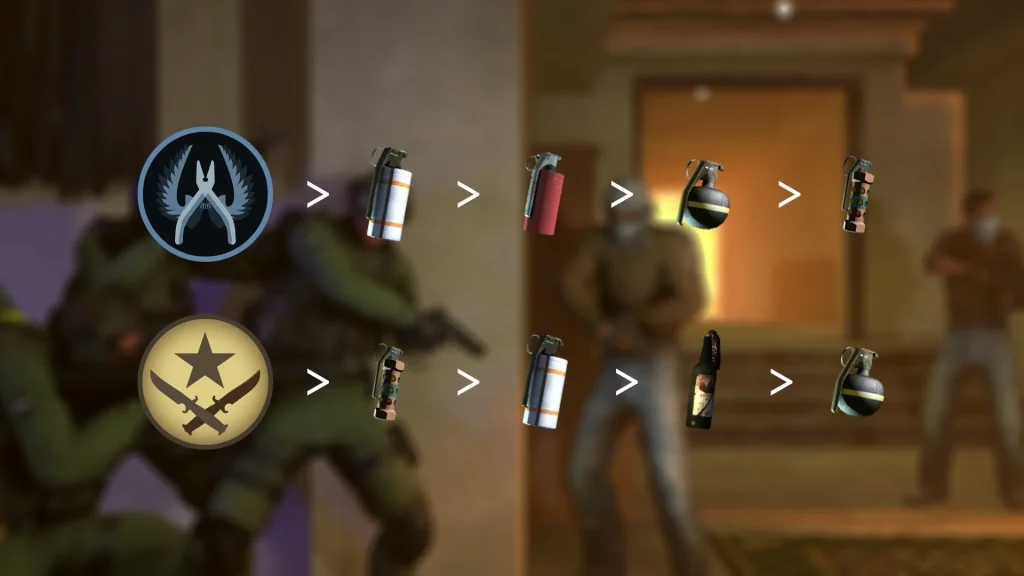
Grenade Lineup Arsenal development should be approached systematically. Professional anchors typically maintain what’s known as “utility playbooks”—comprehensive collections of proven grenade lineups for each map and site configuration.
Timing and Phase Management separates utility masters from wasteful defenders. Every grenade usage should serve a specific strategic purpose aligned with round timing and enemy behavior patterns.
Coordination with Rotators transforms individual utility usage into synergistic defensive systems.
Advanced utility frameworks include:
- Early Round Phase (1:55-1:15): Information preservation and utility conservation unless confronted with confirmed early aggression patterns.
Critical utility coordination protocols:
- Cross-site utility synchronization
- Rotational support utility preparation
- Post-plant denial and retake utility allocation strategies
Developing what professional players call “utility sequencing intelligence”—understanding how different utility combinations create compounded defensive effects when deployed in strategic sequences rather than simultaneous deployments.
Game sense represents the cognitive dimension of anchoring excellence—the ability to transform raw sensory data into predictive strategic insights.
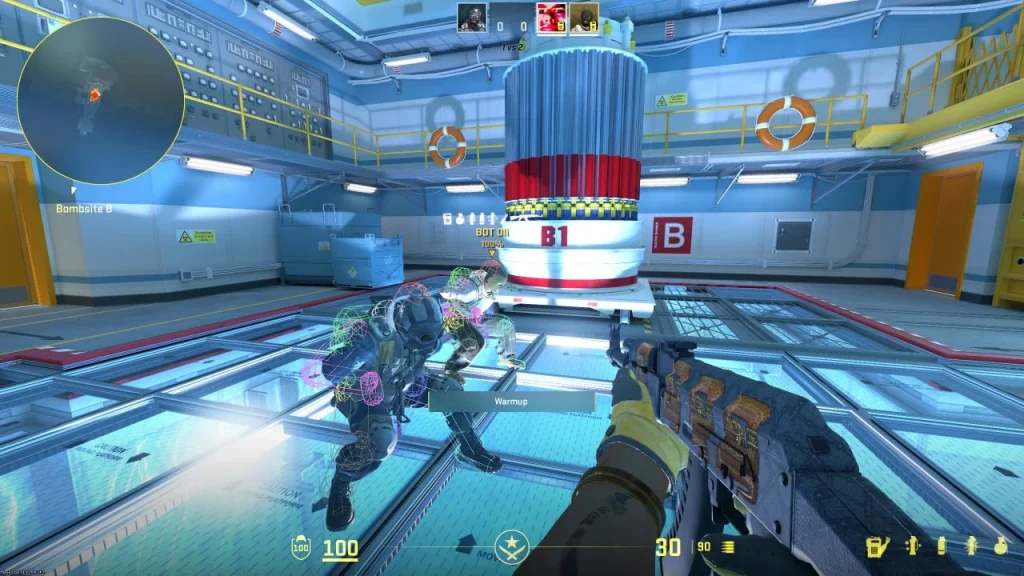
Behavioral Analysis Techniques enable anchors to identify and exploit predictable enemy patterns before executes materialize into site control losses.
Predictive Timing Models transform reactive defense into proactive area denial. Elite anchors develop what’s known as “enemy playbook recognition”—identifying recurring execute patterns, timing tendencies, and utility usage sequences that signal impending site commitment.
Information Synthesis Methods combine multiple data streams into coherent strategic pictures that inform defensive positioning and utility allocation decisions.
Advanced game sense development protocols:
- Pattern Recognition Training: Studying demo replays to identify recurring enemy execute patterns across different maps and team compositions.
Critical enemy pattern indicators include:
- Utility usage timing and sequencing patterns
- Movement and sound cue interpretation frameworks
- Strategic response protocol development based on identified patterns
Developing comprehensive enemy behavior libraries enables anchors to anticipate rather than react, transforming defensive scenarios from desperate holds into calculated denials of enemy strategic objectives.
Dynamic Pre-Aiming Techniques
Exceptional crosshair placement transforms anchoring from reactive defense to proactive domination. This advanced approach requires anticipating multiple entry points while maintaining fluid movement capabilities.
Professional anchoring demands more than static aiming—it requires dynamic pre-aiming systems that adapt to enemy behavior patterns. Your crosshair should function as a predictive tool, not just a reactive cursor.
Map-Specific Angle Mastery:
- Mirage B Van: Position crosshair at jump height elevation to counter potential window boosts while maintaining peripheral vision for apps control.
- Inferno Pit: Maintain dual focus on balcony approach and apps doorway, resisting the temptation to rapidly switch between targets under pressure.
- Overpass Water: Prepare for simultaneous short lane aggression and monster corridor pushes—master wide-angle coverage protocols.
Advanced pre-aiming integrates movement mechanics with precision targeting. Implement “jiggle pre-aims” to draw out enemy utility or gather intelligence without committing to full engagements.
Your crosshair serves as your tactical compass. Maintain tight, millimeter-precise placement that remains combat-ready through round transitions. Negligent crosshair positioning eliminates your reaction time advantage completely.
Mastering Movement and Positioning
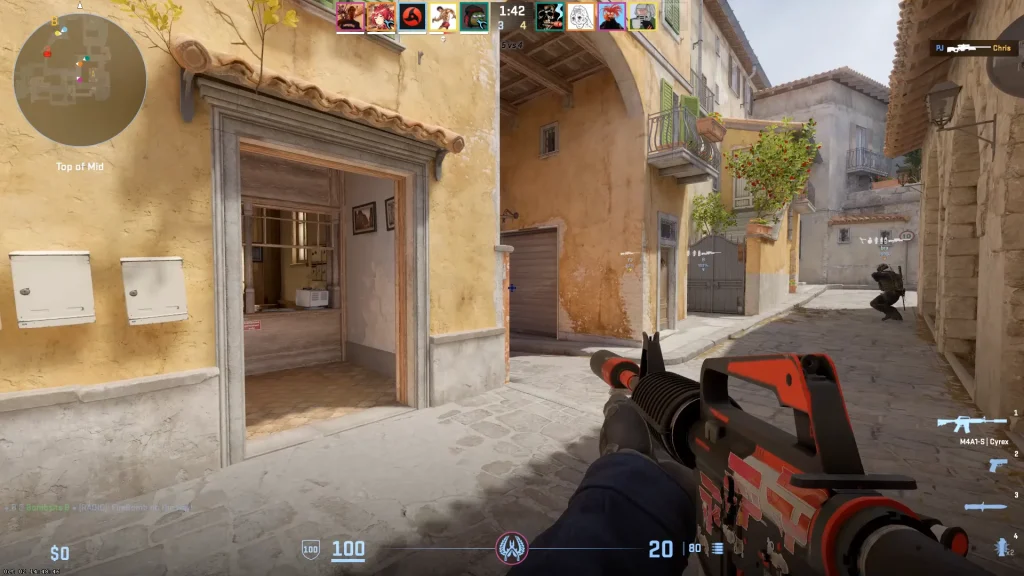
Strategic movement and intelligent positioning separate elite anchors from average site defenders. It’s not merely your physical location but your timing and movement patterns that create defensive superiority.
Begin with purposeful movement protocols. Professional anchors avoid being trapped during strafe transitions or unpredictable hopping when enemy pressure intensifies.
Anchors must execute movements with deliberate intention—stealth when required, rapid when essential. Controlled shift-walking behind cover to refine your angle or executing rapid information-gathering peeks significantly outperforms random strafing or unnecessary “wiggling” without strategic purpose.
Your positioning strategy requires balancing unpredictability with tactical intelligence. Avoid repetitive positioning patterns round after round. If terrorist teams anticipate your consistent under balcony presence on Mirage or default positioning on Inferno B, they will deploy utility to eliminate you before their main push even initiates.
Implement positioning variation cycles. Some rounds, deploy close contact engagements to surprise opponents. Alternate with deeper holds utilizing utility for delay tactics. Master mid-round repositioning decisions. For instance, after deploying a molotov to counter a rush attempt, if enemies pause instead of committing, immediately transition to an alternative off-angle—never remain where they expect your presence.
Additionally, strategic off-angle deployment (positions rarely pre-aimed by opponents) can disrupt even highly skilled players. Central site positioning may appear vulnerable, but with precise timing execution, it becomes devastatingly effective. The critical factor involves understanding your temporal limitations before becoming predictable to enemy teams.
Finally, anchoring frequently occurs within confined spaces, making counter-strafing mastery (tapping opposing movement keys for instant stopping and accurate shooting) absolutely essential. Failing to master this micro-mechanical skill results in missed opportunities and lost site control.
Spray Control and Ammo Conservation
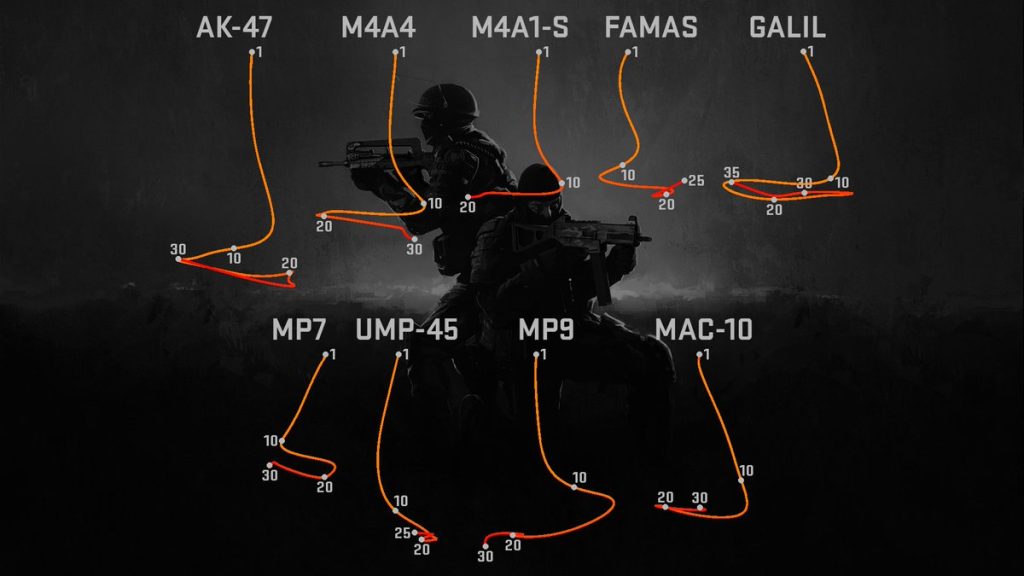
Professional anchoring frequently involves confronting multiple attackers simultaneously. This reality makes advanced spray control one of your most critical tactical weapons.
During rapid site floods, you lack the luxury for precise tapping or controlled bursting. You’ll need to commit to sustained fire—but effectiveness depends entirely on your spray pattern mastery. Dedicate practice sessions in training environments like “Yprac” or “Aim Botz”. Master controlling your primary rifle for minimum 15-20 round engagements without accuracy degradation.
However, even more crucial than technical proficiency is situational shooting intelligence. Understanding when to engage and when to preserve ammunition becomes critical. If you expend your entire magazine attempting speculative wallbangs or smoke spamming before the actual execute materializes, you’ll face the genuine threat with an empty weapon.
Implement spray discipline systems. Resist panic-induced full magazine dumps against single opponents unless you possess confirmed commitment intelligence. If initial shots miss their intended targets, withdraw, reposition strategically, and reset your engagement approach. Avoid becoming the player eliminated while maintaining continuous fire with zero tactical impact.
Ammunition conservation transforms into mission-critical when facing baiting strategies. Sophisticated teams deploy jump peeking or shoulder baiting specifically to trigger premature shooting, enabling their entry fraggers to confront you during reload cycles. Maintain patience. Allow opponents to enter your predetermined engagement zones. Your primary objective extends beyond simple eliminations—it centers on value extraction from every engagement.
This translates to:
- Securing 1-2 eliminations
- Burning 10+ seconds from the game clock
- Forcing enemy utility expenditure
- Coordinating rotation requests
You don’t require ace-level performance every round—but you must ensure every projectile delivers maximum tactical value.
Utility Usage for Anchoring Successfully
Strategic utility deployment extends beyond early round map control—it represents your survival lifeline as an anchor. Mastering timing and application techniques can delay entire enemy executes and transform potential losses into successful site holds.
Treat each utility piece as a purpose-driven tactical instrument. Smoke deployment serves not merely for vision denial—it functions to delay timings, force unfavorable engagement conditions, or deny planting opportunities. A precisely positioned molotov can eliminate enemies concealed in corners, decelerate rush attempts, or compel opponents to waste valuable time awaiting utility expiration.
However, a common anchoring error involves premature utility expenditure. Numerous anchors inefficiently deploy their utility within the initial 20 seconds from habitual patterns rather than tactical necessity. Instead, master delayed deployment strategies. Retain possession of your molotov or smoke unless receiving confirmed enemy intelligence (footsteps, flash deployments, smokes directed toward your position). This approach ensures that when the genuine execute occurs at 1:00 or 0:45, you maintain defensive capabilities to counter the assault.
Additionally, avoid underestimating the tactical value of flashbang deployment. Anchors frequently perish with unused flashbangs remaining in their inventory. Even a single pop-flash around strategic corners can blind entire pushing formations, providing sufficient temporal advantage to swing and eliminate initial entry players.
Furthermore, professional anchors utilize one-way smoke techniques. If you master consistent one-way smoke deployment, you can resist pushing forces without visual exposure. On maps including Mirage (CT smoke deployment on A site), or Inferno (deep banana smoke from first oranges positioning), one-way smokes provide that critical split-second tactical advantage to strike first.
Finally, implement rotational coordination protocols. If you’re anchoring Inferno B while your teammate positions arch-side, request them to prepare flashbang support for your peeking maneuvers. These synergistic tactical executions can completely neutralize coordinated terrorist-side executes.
Timing separates mediocre anchors from game-changing defenders. The common mistake of dumping all utility at 1:55 only to face the real push at 1:10 represents the single biggest waste of defensive resources in CS2. Develop the discipline of utility feathering – systematically staggering your grenade deployment according to the opponent’s attack rhythm.
Newer anchors frequently panic-spend their entire utility budget within the first 30 seconds, leaving them defenseless during critical moments when the actual execute arrives.
The foundational principle: Anticipate rather than react. Begin each round with a flexible utility blueprint that adapts to enemy behavior while preserving critical defensive tools.
Structure your utility deployment across three distinct tactical phases:
- Phase 1 (0:00-1:15): Information collection phase. Conserve smokes and mollies unless facing confirmed early aggression.
- Phase 2 (1:15-0:45): Preemptive denial. Deploy utility to restrict map control or hinder methodical advances.
- Phase 3 (0:45-0:00): Survival protocol. Utilize all remaining resources to delay, survive, or counter-attack.
Consider this scenario: You’re defending B site on Mirage and detect initial movement in apartments. Rather than immediately deploying your smoke, pause to assess whether they’re committing flashes or deep mollies first. This prevents wasting critical defensive tools on reconnaissance probes.
Alternatively, when solo anchoring A on Ancient, deploy your smoke to obstruct mid-door access, preserving your molly for cave control if you identify enemy grouping patterns.
Vocal coordination remains non-negotiable. Inform teammates about remaining smoke availability or molly expenditure warnings. This intelligence empowers your in-game leader or rotation players to make informed strategic decisions.
Remember this strategic truth: A preserved grenade often delivers more tactical value than a hastily deployed one.
One of the most overlooked capabilities for CS2 anchors involves decoding opponent behavioral patterns to forecast when site assaults will materialize. Exceptional anchors function as tactical analysts, interpreting every auditory and visual clue to construct a comprehensive understanding of enemy intentions.
So how do you effectively interpret enemy actions?
Begin by monitoring early utility indicators. If you observe or hear defensive smokes landing on your position around the 1:20 timestamp, prepare for an imminent coordinated strike. However, isolated footsteps without accompanying utility commitment may indicate feints or simple territory establishment.
Document opponent behavioral trends. After multiple round engagements, you’ll identify recurring tactical behaviors. Perhaps they consistently rush B following tactical pauses. Maybe they methodically advance through mid corridors at consistent timings. Leverage this behavioral intelligence to modify your timing strategies. Avoid being positioned with active utility when intelligence confirms rush patterns are developing.
Additionally, when teammates experience sustained pressure on alternate sites or mid control, this frequently signals coordinated split assaults. For instance, if you’re defending B and your mid player becomes isolated or eliminated, anticipate divided pressure from short and apartment access points simultaneously.
Anchors don’t require clairvoyance — but they must maintain heightened perceptual awareness.
Monitor the tactical display. Track elimination notifications. Listen for movement sounds, weapon reloads, and flash deployments. Enhanced observational capabilities directly translate to superior positioning for either delaying the assault or preparing counter-offensive maneuvers.
And maintain constant vocal reporting of all auditory intelligence. Don’t delay communication until planting sequences initiate. Report observations like “Detecting steps upper mid” or “They’re establishing A site control.” Even with uncertain intelligence, providing advance notification grants your team precious seconds to reposition or prepare counter-utility deployments. Superior communication always outperforms defensive silence when facing overwhelming offensive pressure.
Anchoring represents both individual and cooperative responsibilities. Understanding when to maintain independent defense versus when to request reinforcement constitutes a decisive tactical skill. Incorrect decisions in this domain frequently determine round outcomes.
Independent anchor operations occur more regularly than anticipated. On tactical environments like Inferno or Mirage, your strategic leader might designate you as sole B defender while concentrating four players on the opposite bombsite. Under these conditions, your primary objective shifts from elimination dominance to temporal acquisition and intelligence distribution.
During independent defense scenarios, essential requirements include:
- Secure delay utility (deep molly or smoke deployments)
- Strategic fallback positioning (examples: bench on Mirage B, new box on Inferno)
- Egress pathways for survival preservation (examples: van-to-short transitions or CT rotations)
The strategic objective? Force enemy commitment before defensive elimination. Even achieving single elimination combined with smoke delay tactics can enable teammate rotations sufficient for retake operations.
- One defender positioned deep (bait role), one maintaining close proximity (swing support)
- Single site primary with secondary off-site support (example: apartments on Mirage B combined with van positioning)
- Primary anchor supplemented by anti-flash support or rotation-prepared teammate
Paired defensive configurations, contrastingly, enable enhanced aggressive tactical plays and crossfire establishment. This proves particularly impactful against rush-oriented opponents. Standard paired configurations might include:
The tactical advantage of paired anchoring involves elimination trading potential. Even with one defender eliminated, the secondary player can secure remaining threats or maintain defensive integrity until reinforcement arrival.
The vulnerability of paired systems involves susceptibility to tactical deception. If you prematurely rotate based on faulty intelligence, the bombsite becomes vulnerable to uncontested occupation.
- Independent defense when possessing robust delay utility and solid tactical intuition.
- Paired anchoring when anticipating rapid executes or requiring elimination trade capabilities.
General tactical guidelines:
Intelligent anchors will adapt round-by-round, modifying strategies according to economic status, team composition, and opponent behavioral patterns.
- Utilize Aim Botz or dedicated training environments to practice exclusive headshot exercises.
- Concentrate on precision one-tap engagements and spray transition techniques — both critical for anchor effectiveness.
- Train shooting from constrained sightlines or unconventional positions to replicate real site defense scenarios.
- Employ recoil mastery tools or in-game practice modes to perfect 15+ bullet spray patterns.
- Practice movement cessation followed by immediate accurate spraying — essential for repeeking maneuvers.
- Access offline server instances and systematically practice on every map where you anchor.
- Master reliable smoke, molotov, and flashbang sequences from your primary anchor locations.
- Drill one-way smoke deployments and defensive utility applications under simulated pressure conditions.
- Participate in retake servers assuming site defender roles to simulate high-stakes anchoring scenarios.
- Engage in deathmatch modes exclusively from anchor positions — avoid random movement in favor of positional defense practice.
- Analyze players like Perfecto (former NaVi), interz (ex-Gambit/Cloud9), or nafany.
- Observe their anchoring methodologies, rotation timing decisions, and utility utilization patterns.
- Study their behavioral patterns, rotation strategies, and timing decisions.
- Mirage B Van: Position crosshair at leap altitude—anticipate a windows elevation.
- Inferno Pit: Pre-target veranda and applications doorway, avoid frantic switching.
- Overpass Water: Expect simultaneous concise and monster advances—expansive sightlines required.
- Don’t fear performing monotonous—consistency triumphs.
- Employ utility intelligently, not responsively.
- Perform surrounding your team’s advantages.
- Perpetually avoid remaining in one location excessively prolonged.
- Trust your game perception and instinct.
- Utilize Aim Botz or training arenas to practice cranium-exclusive exercises.
- Focus on singular-taps and spray transmissions—both prove indispensable for anchors.
- Practice discharging from constricted perspectives or off-angles to simulate site defenses.
- Utilize recoil trainers or in-game practice to master 15+ projectile sprays.
- Practice relocating then instantaneously halting for precise sprays—vital when re-peeking.
- Load into disconnected servers and operate through every arena you anchor.
- Master consistent obscurations, molotovs, and illumination lineups from your anchor stances.
- Practice unilateral smokes and defensive utility launches under pressure.
- Join retake servors as a site defender to simulate anchoring under pressure.
- Perform deathmatch from anchor locations—don’t merely sprint and firearm. Practice maintaining positions.
- Examine participants like Perfecto (ex-NaVi), interz (ex-Gambit/C9), or nafany.
- Watch how they anchor, when they rotate, and how they employ utility.
- Master their practices, their rotations, their chronometry.
- Master 3-5 anchor positions per map with position rotation schedules
- Develop utility playbooks with 2-3 proven lineups for each critical choke point
- Practice spray control drills focusing on 15-20 bullet consistency
- Study pro player VODs focusing on positioning variations and utility timing
- Implement communication discipline protocols during match play
- Practice dynamic pre-aiming techniques combining movement with precision targeting for 15 minutes daily
- Implement positioning variation cycles across 3 consecutive rounds on your primary anchor sites
- Master spray control for 15-20 bullet engagements in training environments
- Develop utility phase management system for strategic deployment timing
- Implement psychological preparation routines including controlled breathing and visualization techniques
- Practice utility feathering – deploy one piece at a time based on enemy movement rather than dumping everything early
- Study enemy utility patterns across 3 rounds to identify behavioral trends
- Develop communication protocols for clear, calm information relay under pressure
- Practice 15-minute headshot-only drills in Aim Botz daily
- Master 3 new utility lineups for your primary anchor sites this week
- Spend 10 minutes daily practicing 15+ bullet spray control
- Watch and analyze one professional anchor VOD per week
- Play 2 retake server matches focusing exclusively on site defense
- Practice 15-minute daily aim training focusing on headshot precision and spray control transfers
- Master 3 essential utility lineups for your primary anchor sites
- Study pro player VODs focusing on decision timing and positioning changes
- Implement mental routine including pre-round breathing and visualization exercises
- Develop communication protocols for early warning calls and rotation requests
Smart anchoring requires constant adaptation based on your economy, team setup, and enemy tendencies.
Mastering the psychological dimension of anchoring can transform your defensive game. One powerful technique involves strategic deception through communication. When you announce “I’m holding with full utility” even when your resources are depleted, this creates hesitation in enemy ranks, buying precious seconds for teammate rotations.
Elite anchors develop the ability to anticipate enemy movements and pre-emptively call for support. If you detect patterns suggesting an imminent attack within the next 10 seconds, providing advance notice allows your team to establish crossfire positions or prepare retake setups with optimal timing.
Anchors function as tactical cornerstones within your squad’s strategic framework. A reliable anchor liberates teammates to execute bold plays, secure map dominance, or concentrate forces on alternative sites.
Consider Inferno’s defensive dynamics. When your B anchor demonstrates unwavering consistency, your team can confidently allocate 3-4 players toward mid or A sectors, knowing B remains protected during the initial 30-45 second phase. This strategic advantage enables contesting mid control, executing arch-side maneuvers, and forcing opponents into constant strategic reassessment.
Mirage presents similar opportunities. A dependable A anchor proficient with utility enables your connector/mid player to roam aggressively or reinforce B without compromising A’s security.
Anchors significantly influence your team’s adaptive response patterns. Early utility deployment or pressure identification allows your in-game leader to initiate preemptive rotations or coordinate counter-offensives on the map’s opposite flank. You operate as the primary detection network, where every additional second of survival creates repositioning opportunities for teammates to establish dominance.
The psychological intimidation factor of a formidable anchor cannot be overstated. When adversaries recognize your site as exceptionally challenging to penetrate, they’ll typically avoid it completely. This forced predictability enables your team to systematically punish enemy patterns.
Ultimately, anchors instill collective confidence. You become the foundational element — the predictable performer that empowers teammates to excel.
Developing elite anchoring capabilities requires more than accumulated match experience. It demands targeted skill development specifically designed for high-pressure anchor situations.
Implement these specialized routines into your daily practice sessions:
1. Specialized Aim Development (15-30 minutes daily)
2. Advanced Spray Dominance Drills
3. Utility Perfection Practice
4. Retake Server Training and Deathmatch Specialization
5. Professional VOD Analysis
Systematic, intentional training will elevate you from competent anchor to site-securing powerhouse. Avoid mindless repetition — train with strategic purpose.
In Counter-Strike 2 (CS2), anchoring represents one of the most strategically demanding defensive positions. Essentially, anchoring means becoming the immovable object on your designated bombsite—you’re the foundational element that prevents collapse when attackers apply pressure. While teammates adapt positions based on intelligence, you remain stationary, creating stability through predictable presence. Anchors purchase precious seconds, collect tactical data, and frequently withstand complete enemy assaults while significantly outnumbered.
However, effective anchoring transcends mere stationary defense. This role demands exceptional mechanical precision, tactical awareness, emotional resilience, and flawless communication. Whether you’re single-handedly defending Mirage A site or holding Inferno B while your team concentrates elsewhere, your objective involves postponing, denying, and dismantling offensive pushes for as long as feasible. When executed properly? You transform into the uncelebrated champion who secures rounds your squad should have lost.
Importance of Anchoring in Competitive Play
During ranked matches, Faceit competitions, or high-stakes tournaments, anchoring frequently determines victory or defeat. Why? Because offensive players excel at identifying vulnerabilities—and an inconsistent anchor represents exactly that. If you evacuate a position prematurely or perish without eliminating opponents, you gift the opposition cost-free territory, an active bomb, and tactical dominance.
Anchors generate advantage not only spatially but psychologically. A formidable anchor maintains enemy uncertainty. They hesitate storming your location without flash support or coordinated executions because they recognize you’re positioned, prepared and waiting.
In organized team environments, anchors empower your in-game leader (IGL) to orchestrate smarter rotations. When the IGL trusts your site reliability, they can confidently gamble-stack the opposite bombsite. That degree of confidence secures championships.
Conversely, deficient anchoring creates disarray. Your squad gets compelled into retake situations, you sacrifice economy rounds, and it disrupts momentum. That’s why perfecting this position proves essential for anyone serious about advancing ranks or competing professionally.
Crosshair Placement and Pre-Aim Angles
Anchoring consists of 70% preparation and 30% implementation. That preparatory work? It commences with crosshair positioning.
Continually anticipate engagements. Pre-aim standard entry points and maintain crosshair elevation—torso or cranium level, contingent upon your armament and self-assurance.
Professional Recommendations:
Pre-aiming doesn’t imply stationary positioning. Integrate your mobility with “jiggle pre-aims” to lure out utility or intelligence. Peek perspectives the manner adversaries will penetrate, and master isolating individual confrontations even when overwhelmed numerically.
Your crosshair functions as your navigational instrument. Maintain it constrained, exact, and perpetually prepared. Negligent crosshair placement will eliminate you before reaction becomes possible.
Mastering Movement and Positioning
Mobility and positioning can determine your anchoring effectiveness. It’s not exclusively about your location—it’s the methodology and timing of movement that distinguishes reliable anchors from liabilities.
Let’s initiate with movement. You cannot risk being intercepted during strafing or bouncing as opponents advance. Anchors should relocate intentionally—silent when appropriate, rapid when essential. Concealed walking behind protection to modify your perspective or executing swift peeks to collect intelligence proves significantly more productive than aimless strafing or “vibrating” without justification.
Your positioning, conversely, must achieve equilibrium between unpredictability and intelligence. You should evade occupying identical positions every round. If the attacking side recognizes you’re perpetually beneath balcony on Mirage or behind standard on B Inferno, they’ll explosive-device you out before the assault even commences.
Modify your configurations. Certain rounds, assume close confrontation angles and surprise them unprepared. Other instances, position deeper and employ utility to postpone. Master when to reposition during rounds. For illustration, if you’ve recently expended your molotov to halt a rush and they hesitate instead, transition to an alternative unconventional-angle—don’t remain where they anticipate you.
Additionally, assuming off-angles (locations not typically pre-targeted) can intercept even elite competitors off guard. Remaining in the center of a site might feel vulnerable, but if your timing proves accurate, it’s lethal. The crucial element involves understanding how long you can maintain that position before becoming predictable.
Ultimately, anchoring regularly encompasses confined areas, so perfecting counter-strafing (pressing opposing directional inputs to halt immediately and fire precisely) becomes imperative. Omitting this micro-ability can result in missed shots and a forfeited site.
Inferno
B site anchors become legends on this battleground. The constricted chokeholds create maintaining Banana an intricate equilibrium. Assume deep with preliminary utility, or incorporate near-angle engagements. Don’t neglect to retreat to New Container or First Citrus for post-utility defenses.
A location demands intelligent pit tactics and balcony dominance. Alternate between depression, miniature-depression, and the site proper. Avoid revealing yourself to simultaneously apartments and concise.
Mirage
A site anchoring frequently entails solitary performance. Cycle among Firebox, Standard, Triple, and Beneath Balcony. Apply utility to delay palace and incline advances, and summon rotations promptly.
B site anchors should integrate Bench, Vehicle, and Get Right stances. Keep your crosshair prepared for rapid applications emergences. If you’re cooperating with a partner, establish a concise/bench crossfire.
Nuke
Upper site anchors must manage Hut, Squeaky, and Mini simultaneously. Rotate among Rafters, Heaven, and behind Default to prevent becoming inundated. Inferior site defenses typically occur throughout retakes, so master the chronometry and rotate downward intelligently.
Overpass
B anchors experience constant examination. Utilize Monster obscurations and aqua regulation to postpone surges. Column and Heaven represent robust locations for postponing. Be vocal if you require preliminary assistance.
A site combatants should merge extensive and lavatory command with profound-site defenses. Rotate among Truck, Dice, and Bank contingent upon adversarial pressure.
Ancient
B anchors must dominate Cavern and Location. Master employing the unilateral smokes in Cavern and incorporate Shadow defenses. Don’t become captured with your trousers lowered versus rapid corridor onslaughts.
A anchors perform assertively for central or Sanctuary. Master to anchor location from behind Default and Gravestone, and preserve utility for post-plant situations.
Regardless of the arena, the foundational concepts persist identical: intelligent utility, unpredictable positioning, and elevated communication.
Anchoring represents a high-tension occupation. You’re the final defender positioned between adversaries and the bombsite, frequently outmanned and outarmed. That can provoke alarm, excessive contemplation, and frustration. However, the superior anchors maintain composure, calculated, and clutch.
Commence by administrating your psychological framework. Don’t conceptualize in expressions of “I must eliminate them all.” Instead, conceptualize in expressions of influence. Your responsibility involves trading, delaying, and collecting intelligence—not necessarily securing the round individually.
Employ routines to remain stabilized. Inhale preceding every cycle. Concentrate on crosshair positioning and chronometry, not your statistics display. Anchor achievement isn’t perpetually demonstrated in eliminations—it’s in round conclusions.
If you’re experiencing frustration or inundation, assume a pause. Reset your cognition. Anchoring with apprehension results in poor peeks, failed shots, and deficient communication. Maintain command of your sentiments, and your gameplay will conform.
Ultimately, visualize achievement. If you’ve drilled your arrangements and mechanics, trust your preparation. Imagine the execution before it transpires. Visualize yourself executing correct determinations. This constructs assurance and diminishes panic.
Recall, anchors aren’t flashy—they’re reliable. And that psychological resilience constitutes what renders you the bedrock of the squad.
Watching professional CS2 competitors can provide you a schematic for anchoring like a powerhouse. Players like Perfecto, nafany, b1t, and Jame (affirmative, even AWP anchors) have reinterpreted how to maintain sites intelligently.
Perfecto, for instance, was renowned for his B anchor function on NaVi. What distinguished him was his extraordinary judgment: when to investigate, when to retreat, when to offer himself for temporal advantage. He seldom overextended—and he nearly perpetually extracted worth from his existence.
nafany, throughout his tenure on Gambit/C9, demonstrated how to anchor positions with aggression and unpredictability. One cycle he’d engage proximate, the subsequent he’d position profound site with a unilateral obscuration. That combination maintained adversaries speculating.
Jame might not represent a rifleman, but his site defenses constitute mastercourses in patience. He employs AWP perspectives to postpone surges without discharging, generating hesitation and acquiring rotations.
What can we extract from them?
Examine demonstrations. Emulate what functions. Then adjust it to your personal comfort tier.
Common Mistakes Anchors Make and How to Avoid Them
Even seasoned competitors develop negative patterns when anchoring. These errors can be subtle, but they’re frequently the distinction between maintaining a position or surrendering it without resistance. Identifying and rectifying them becomes crucial for enhancing your anchoring performance.
1. Excessive Utility Utilization Prematurely
Among the most prevalent complications involves discarding all your utility within the initial 15–30 seconds of the cycle, particularly without verified hostile attendance. If you squander your molotov and obscuration simply because you believed you detected something, you’ll become abandoned defenseless when the authentic execution transpires.
Resolution: Preserve your explosives. Launch with deliberation. Await adversary indications—like illuminations, footfalls, or obscurations—before reacting.
2. Maintaining Identical Perspective Every Round
Predictability proves lethal in CS2. If you’re perpetually seated standard or depression or new container, opponents will pre-discharge or pre-explosive-device you into extinction.
Resolution: Modificate your stance every several rounds. Integrate off-angles, assertive peeks, or rotate configurations to maintain adversaries speculating.
3. Panicking Throughout Surges
Numerous anchors panic the instant obscurations impact or illuminations commence soaring, resulting in poor peeks or missed discharges.
Resolution: Maintain composure. Assume an inhalation. Adhere to your practiced regimen: postpone, reposition, communicate. You’re positioned to delay—not necessarily ace every cycle.
4. Perishing Without Effect
This specific infliction pains the most intensely. If you expire without applying utility, without securing an elimination, or without announcing anything, you’ve merely presented the opposition a complimentary site.
Resolution: Your demise should expense the adversary something—chronological advantage, vitality, assets. If you cannot triumph the duel, withdraw, perform for temporal benefit, or minimally establish a transaction.
5. Not Confiding Your Game Perception
You’ve competed sufficiently within CS to recognize when something appears incorrect. Trust your intuitions. If you suspect a decoy approaching or a stealth operator awaiting, perform correspondingly.
Resolution: Anchor with assurance. Trust your interpretations, and don’t second-presume favorable patterns. CS2 recompenses decisiveness.
The conclusion? Becoming an exceptional anchor doesn’t involve being flawless—it’s about being intelligent, calm, and effective under pressure.
Becoming a superior anchor doesn’t merely materialize from additional match participation. It necessitates concentrated practice, customized to the competencies you require in critical anchor circumstances.
Here’s a decomposition of regimens you can implement diurnally:
1. Aim Training (15–30 minutes diurnal)
2. Spray Control Drills
3. Utility Practice
4. Retake Servers and DM
5. Watch Pro VODs
Discipline and intentional practice will elevate you from a “adequate anchor” to a site-securing behemoth. Don’t merely labor—train intelligently.
Action Checklist
No reproduction without permission:Tsp Game Club » Anchoring a Site in CS2