
TL;DR
- Boost spots provide vertical advantages through coordinated teammate positioning
- Off-angles disrupt enemy pre-aim by using unconventional sightlines
- Human reaction time of 200-250ms creates kill windows with unexpected angles
- Proper timing and communication are essential for successful boost execution
- Psychological pressure from unexpected deaths can tilt opponents and win rounds
In Counter-Strike 2 (CS2), boost spots represent coordinated positions where teammates physically elevate each other to reach otherwise inaccessible vantage points. These tactical maneuvers provide superior sightlines, unconventional peeking angles, or one-way views into areas opponents rarely pre-aim. Boosting serves as a fundamental strategic element that introduces vertical dynamics and creative positioning to gameplay, frequently surprising enemies and resulting in easy eliminations or critical intelligence gathering.
Consider the classic Mirage mid-window boost as a prime example. Although widely recognized among experienced players, it maintains effectiveness by fundamentally changing engagement geometry. Opponents failing to properly clear these elevated positions or becoming overly focused on connector routes often get eliminated without comprehending the source of their demise. These coordinated elevations transcend mere gimmicks—they embody deeply strategic decisions that frequently grant defenders or attackers substantial advantages when deployed intelligently.
Advanced boosting techniques involve stacking players on less conventional terrain features or leveraging the distinctive collision models and physics inherent to the Source 2 engine. CS2’s refined movement mechanics additionally facilitate smoother transitions, rendering previously challenging boosts more accessible to broader player skill levels.
Why do boost positions matter strategically? They disrupt anticipated gameplay rhythms. CS2, similar to other tactical shooters, operates on predictable patterns. When you interrupt that cadence—by appearing from elevated vantage points or spotting enemies through minute pixel gaps afforded by boosts—you seize round control. In competitive Counter-Strike, maintaining control frequently determines victory.
Understanding Off-Angles and Their Purpose
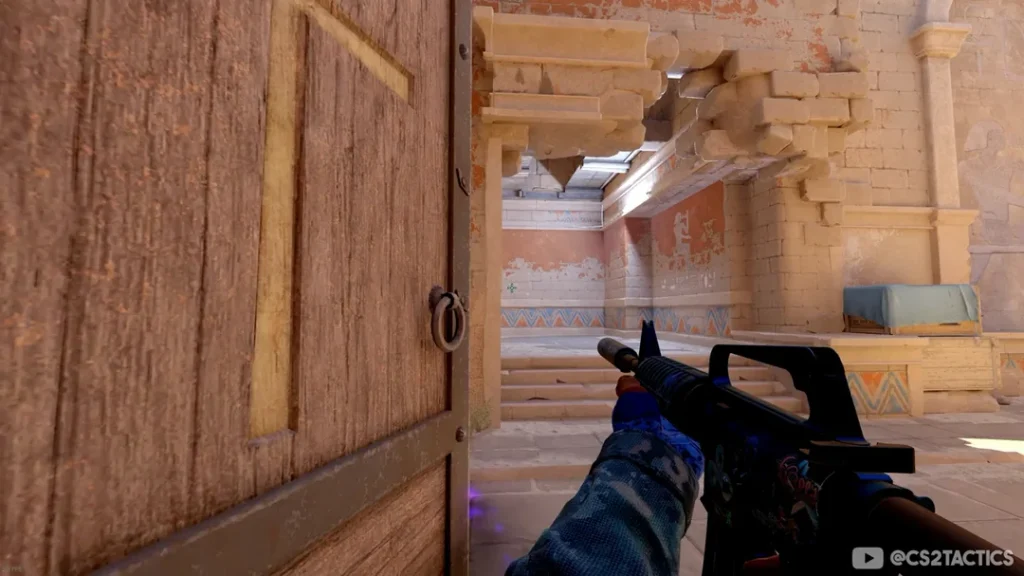
An off-angle constitutes any positioning where a player maintains visual coverage that diverges from typical opponent pre-aim expectations. Conceptualize it as the unconventional position situated laterally displaced, elevated above, or depressed below standard corner positions players routinely inspect.
The defining characteristic of effective off-angle usage lies in unpredictability. When you peek mid on Dust2 from CT spawn, opponents normally pre-aim conventional box positions or doorways. However, if you position yourself crouched behind obscured geometry or maintaining sightlines from peripheral wall edges—unanticipated angles—they must recalibrate their aim, and frequently, that momentary discrepancy proves sufficient for securing duel victories.
Within CS2’s high-velocity combat environment, where elimination timing approaches instantaneous thresholds and individual pixels determine outcomes, off-angles transform into lethal instruments. They compel adversaries to question their decisions, modify crosshair positioning during engagements, or occasionally panic and spray indiscriminately. Successful off-angle deployment penalizes insufficient clearing techniques while rewarding intelligent positioning decisions.
Yet not all unconventional angles provide strategic benefits. Certain positions expose excessive player model surface area, others eliminate retreat possibilities, and some prove effective only during initial encounters. The essential principle involves variation. Employ off-angles selectively and deliberately, alternating them between rounds and integrating them into comprehensive tactical planning.
The Science Behind Surprise and Positioning

Human Reaction Time and Visual Processing
Comprehending how human cognitive systems interpret visual data and respond under stressful conditions proves essential for maximizing boost and off-angle effectiveness. Within rapid-paced gaming environments like CS2, typical human reaction intervals approximate 200-250 milliseconds. This constitutes less than one-quarter second—yet within gameplay contexts where milliseconds differentiate survival from elimination, it becomes critically important.
When establishing positioning within off-angles or boost elevations, you leverage opponents’ restricted visual fields and developed muscle memory. Most participants cultivate behavioral patterns through repetition: they target common positions because their neurological systems become conditioned to anticipate threats there. However, when you materialize within locations they hadn’t anticipated, that temporal gap—the duration required for their cognitive processing to identify “threat” and convert it into aiming adjustments—frequently proves inadequate for timely response.
Supplementing that complexity, map architectural intricacies, illumination systems, shadow casting, and character model environmental integration collectively increase difficulty for opponents to react promptly. Boost positions and off-angles capitalize on constrained visual cones and limited temporal windows available for player responses. This represents not merely positional superiority—it constitutes neurological advantage.
Within CS2’s updated graphical framework, Valve’s redesigned lighting systems and enhanced visibility mechanics also influence outcomes. Modifications to color schemes, environmental detail density, and movement fluidity impact detection probability—or concealment effectiveness. Astute competitors exploit these systems, selecting off-angles where they merge with backgrounds or utilizing boosts to position themselves within shadowed areas or above standard sightlines.
Psychological Pressure of Unexpected Angles
Have you ever suffered elimination from an unconventional off-angle and experienced frustration? That demonstrates psychological leverage operationalization. The emotional impact from unanticipated deaths causes players to question their capabilities, hesitate during clearing procedures, or overcompensate their positioning. This becomes particularly evident during consecutive rounds, where repeated elimination through identical tactical maneuvers can completely destabilize an opponent’s performance consistency.
Surpise extends beyond reaction timing—it encompasses confidence degradation. When adversaries lose trust in their crosshair positioning or begin second-guessing their clearing methodologies, their operational performance declines. That psychological vulnerability represents something elite-tier competitors consistently exploit, employing not merely raw aiming proficiency but strategic positioning unpredictability.
Breaking Common Crosshair Placement
Crosshair positioning represents the foundational element for consistent aiming performance. Every instructional resource, coaching guidance, and professional player emphasizes maintaining crosshair elevation at cranial level and directed toward where enemies typically materialize. However, boost elevations and off-angles? They invalidate those conventional principles entirely.
Through positioning yourself marginally above, below, or laterally displaced from standard peeking locations, you generate discordance between enemy aiming vectors and your actual position. This compels rapid aiming adjustments, uncomfortable recalibrations, or—optimal scenario—completely missed projectile trajectories.
This parallels rhythm disruption during dance performance: your opponent’s muscular memory trains for predictable cadence, and you’re striking the syncopated beat. That fractional-second timing error? That constitutes your elimination opportunity window.
Best Boost Spots on Popular Maps
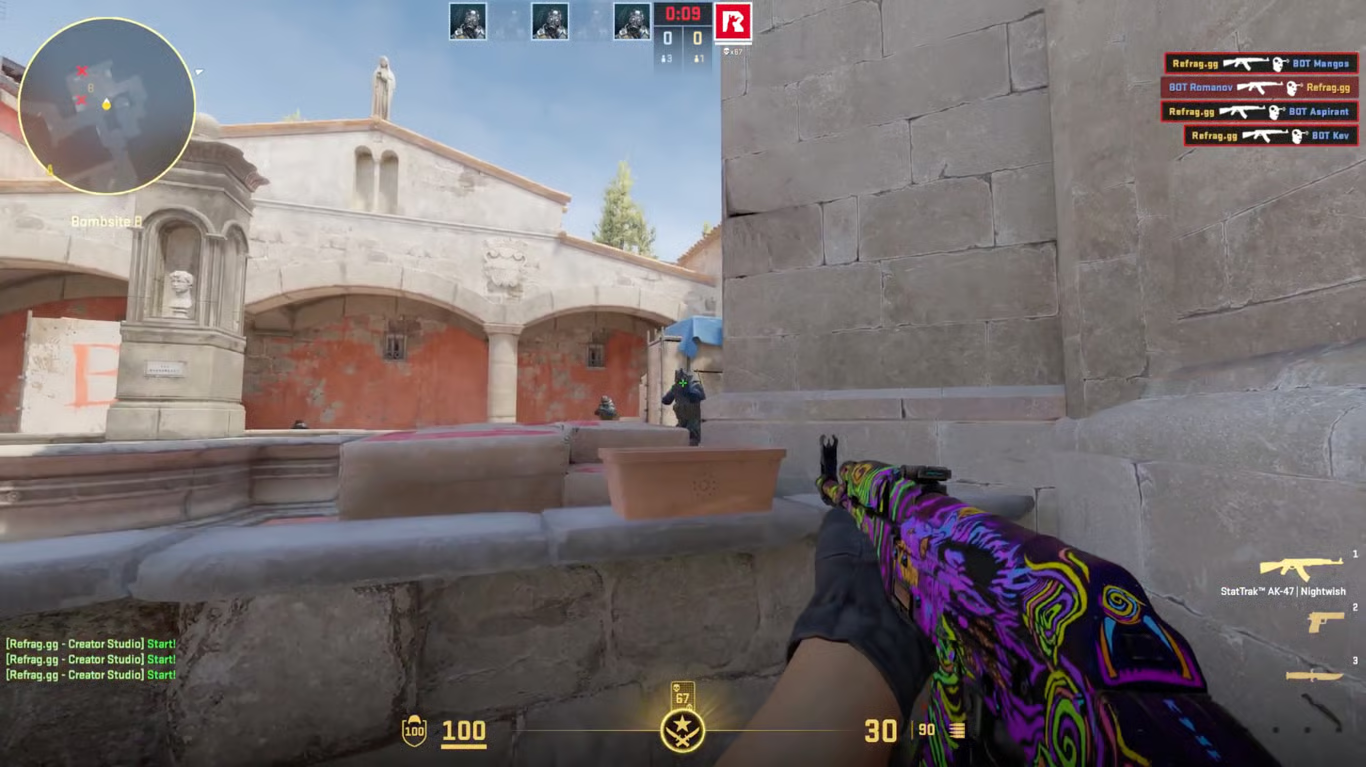
Mirage
Mirage stands among the most boost-accommodating maps within CS2, attributable to its expansive central area, elevated structural elements, and multiple raised positions. Players acquainted with Mirage typically recognize standard angles, but ingenious boost positions can reverse round momentum decisively.
Window Boost from Mid
This represents fundamental boosting methodology on Mirage yet persists as exceptionally impactful. Originating from Mid sector, a teammate can crouch proximal to window ledges, enabling secondary players to ascend into Window positioning without traversing Connector routes or utilizing catwalk pathways. This approach proves not only accelerated but additionally provides unexpected visual access into upper mid regions or underpass areas before opponents anticipate such positioning.
Properly timed window boosting during round initiation can provide Counter-Terrorist factions with substantial intelligence superiority. It becomes particularly devastating when AWP specialists achieve early positioning and maintain coverage angles oriented toward Terrorist spawn zones or underpass routes, penalizing any T-side participants attempting to secure mid control.
The critical element involves velocity and synchronization. If execution proves delayed, adversaries may already establish defensive postures, and your boosting maneuver transforms into tactical liability. Leverage spawn timing advantages—if you or teammates receive optimal CT spawn locations, prioritize this boosting strategy during early round phases.
B Site Van Boost
The vehicular obstruction on B bombsite permits covert one-way defensive positioning. Through teammate assistance or calculated jumps from adjacent seating, players can mount van rooftops and maintain constrained off-angles toward apartment entry points. From these elevated positions, boosted participants can surveil over van structures and intercept enemies entering from applications completely unprepared.
This location proves ideal for countering early B site assaults. It demonstrates particular effectiveness when combined with incendiary devices or obscuring smokes that create apparent clearance below—generating the illusion that bombsite remains uncontested. Remember, however: this angle becomes predictable through excessive repetition. Alternate positioning strategies to maintain opponent uncertainty.
Inferno
Inferno might appear as compact and linear mapping, but it contains exceptional boosting potential—especially within high-traffic corridors like Banana and Pit areas. These elevation strategies can transform match outcomes when implemented with precision and appropriate timing.
Boost on Banana Sandbags
The sandbag obstructions along Banana corridor already represent popular defensive locations, but elevating teammates atop these structures creates lethal one-way angles. From these raised positions, CT defenders can observe beyond partial walls and into Banana thoroughfares significantly more effectively than ground-level positioning.
This positioning creates nightmares for T-side players attempting Banana control acquisition. Their crosshair positioning typically aims lower, around corner geometry or at sandbag structures themselves. Slight elevation modifications disrupt their aiming precision, providing you initial-shot superiority.
For maximizing this location’s effectiveness, combine it with tactical utilities. Deploy smokes toward Banana’s terminal section to suggest defensive withdrawal, then silently execute boosting maneuvers and await T-side advancement. It constitutes perfect tactical ambush—and when properly executed, it can terminate B site pushes conclusively.
Pit Boost for A Long
An infrequently observed yet potent boosting technique involves stacking within Pit on A bombsite. A CT participant crouching within Pit’s depressed sections can elevate teammates onto rail structures or floral arrangements, providing them with minute pixel angles onto Long corridors or even toward Apartment sectors, contingent upon positioning alignment.
This strategy demonstrates exceptional utility during post-plant scenarios or anti-economic rounds. It offers nearly imperceptible angles and can differentiate between successful A site defense or control forfeiture. Simply ensure clear communication—descending during mid-boost execution not only generates frustration but potentially reveals your tactical positioning.
Boost positions in Counter-Strike 2 (CS2) represent sophisticated tactical maneuvers where teammates collaborate to elevate players into unconventional positions that offer superior sightlines. These elevated vantage points create unexpected engagement angles that opponents rarely pre-aim, providing significant first-shot advantages and information gathering capabilities that can dictate round outcomes.
An off-angle represents any defensive position that deliberately deviates from conventional engagement spots where opponents typically pre-aim. These positions capitalize on human cognitive limitations—specifically the 200-250 millisecond reaction time window—by forcing enemies to process unexpected visual information and adjust their aim mid-encounter.
The psychological impact of off-angles extends beyond immediate duels. When opponents repeatedly encounter unconventional positions, they develop hesitation in their clearing patterns, which creates cascading advantages throughout subsequent rounds. The uncertainty introduced by these positions often causes enemy players to second-guess their approaches and become more predictable in their utility usage.
CS2’s Source 2 engine introduces refined movement physics that make previously difficult boosts more accessible. The improved collision detection and smoother transition mechanics allow for more consistent execution of complex elevation tactics.
Effective off-angle usage requires understanding map-specific traffic patterns and common entry routes. The most successful positions are those that offer both engagement advantages and safe retreat options, preventing players from becoming isolated or easily flanked.
Mirage Tactical Elevations
Mirage’s architectural design with its elevated mid section and multiple vertical structures creates numerous boost opportunities. The map’s symmetrical layout and predictable rotation patterns make it ideal for implementing elevation-based tactics that control key areas.
Mid Window Tactical Ascent
The classic window boost remains devastatingly effective when executed with proper timing. By having a teammate crouch near the window ledge, the second player can rapidly ascend into window position, bypassing the conventional connector or catwalk routes entirely. This maneuver provides immediate visual control over top mid and underpass areas before opponents establish their positions.
A precisely timed window elevation at round commencement grants CT sides critical intelligence gathering capabilities. This becomes particularly lethal when an AWPer secures early positioning, effectively punishing T-side attempts to claim mid territory control.
Execution tempo and team synchronization are paramount. Delayed implementation allows enemies to establish defensive setups, transforming your elevation advantage into a vulnerable position. Leverage spawn positioning benefits—when you or your partner receives the optimal CT spawn, prioritize this tactical ascent during the initial phase.
B Site Van Elevated Defense
The B site vehicle enables sophisticated one-way defensive holds. Through coordinated teammate assistance or strategic bench jumping techniques, players can achieve elevated van positioning that creates unexpected engagement angles toward apartments entry points.
This defensive point excels at countering early B site assaults. Its effectiveness multiplies when combined with molotov or smoke deployments that create the illusion of uncontested territory.
Pro Tip: Combine this position with auditory deception—having a teammate create noise distractions near site while you maintain silent positioning creates disorientation among attacking forces.
Inferno Elevation Opportunities
While Inferno presents as a compact linear environment, it contains exceptional boost potential within high-frequency combat zones like Banana and Pit areas.
Banana Sandbag Tactical Superiority
The sandbag formations along Banana corridor serve as established defensive locations, but elevating a teammate above them generates devastating one-way engagement advantages.
This positioning creates significant difficulties for T-side operatives attempting Banana domination. Their aiming reticles naturally orient lower, typically focusing on corner approaches or the sandbag structures themselves. The slight elevation discrepancy disrupts their targeting precision, granting you decisive first-shot engagement benefits.
To optimize this tactical point, coordinate with utility deployment. Launch smoke cover toward Banana’s lower section to suggest tactical withdrawal, then quietly execute the elevation and await T-side advancement through the corridor.
Pit Elevation for Long Control
An infrequently utilized but highly impactful boost involves coordinated stacking within A site’s Pit area. A CT operative crouching in Pit’s depressed section can elevate a partner onto the railing or floral arrangements, providing pixel-perfect engagement lines toward Long or potentially Apartments regions.
This tactical approach proves exceptionally valuable during post-plant scenarios or economic disadvantage rounds. It offers nearly imperceptible engagement angles that can determine successful site defense or territorial loss outcomes.
Overpass Vertical Advantage Points
Overpass maintains notoriety for its multi-level design and extended visual corridors, establishing ideal conditions for innovative boost implementations that dominate extensive areas or provide unique peeking positions.
B Site Heaven Elevated Control
From the pillar zone beneath Heaven on B territory, a teammate can facilitate your ascent onto the railing, granting elevated players exceptionally tight engagement lines into Monster or potentially short pipe access points.
This positioning excels when utilized with magnified optics weaponry like the AUG or AWP rifles. The height augmentation permits maintaining tighter pixel gaps, and adversaries attempting B site entry will encounter unexpected resistance—particularly if they’ve previously cleared the area under false assumptions of vacancy.
Floral Arrangement Elevation on A Territory
Adjacent to the flower bed installations outside A site perimeter, a discreet boost can be established through coordinated teammate head jumping maneuvers.
The critical factor for this position utilization involves maintaining stationary positioning. Movement patterns create detectable silhouettes, but sustained crouched postures with optical enhancement can render players virtually undetectable.
Nuke Vertical Combat Superiority
Nuke represents the pinnacle of vertical engagement warfare within CS2. With its stratified level architecture and interior-exterior environmental contrasts, boost positions can achieve maximum tactical impact.
Defining Effective Off-Angle Characteristics
Within CS2’s competitive environment, an “off-angle” constitutes any defensive posture that intentionally diverges from anticipated engagement lines. These positions aren’t merely unusual standing locations—they represent calculated tactical decisions designed to interrupt enemy pre-aim conditioning and muscular memory patterns.
What distinguishes high-value off-angles from ineffective ones involves contextual awareness. A superior off-angle:
- Compels adversaries to execute challenging flick adjustments
- Provides initial contact engagement benefits
- Permits secure withdrawal or protective coverage following engagements
- Leverages environmental illumination, structural props, or map geometric features
Conversely, an inferior off-angle:
- Exposes excessive bodily exposure
- Represents overly aggressive positioning without retreat options
- Isolates players from team support structures
- Vulnerable to wall penetration or suppression fire techniques
Temporal awareness and situational consciousness prove essential. Employ off-angles during economic constraint rounds, or when intelligence indicates enemy utility resource depletion.
Premier Off-Angle Locations by Map
Let’s examine specific combat environments and demonstrate some of the most effective unconventional positions that will generate significant tactical advantages.
Dust2 – Tunnel Concealment Positioning
Within B tunnel networks, one frequently overlooked off-angle involves assuming crouched postures behind the compact container near upper tunnel egress points.
This positioning proves exceptionally lethal when combined with suppressed M4A1-S weaponry. The acoustic confusion compounds enemy disorientation. Coordinate this with deceptive teammate maneuvers generating auditory distractions near site while you maintain concealed positioning behind the container structure.
Ancient – A Site Geometric Advantage Points
Ancient’s distinctive environmental geometry facilitates abundant off-angle opportunities. Among the most impactful positions involves positioning immediately outside Cave access, maintaining contact with the right barrier with your dorsal orientation toward Temple region.
Because Ancient features relatively recent map dynamics, numerous players continue following established entry pathways. This means well-chosen off-angles here can secure multiple eliminations in rapid succession.
Vertigo – A Ramp Lateral Engagement Techniques
A Ramp on Vertigo represents high-intensity early round combat territory. Rather than adopting conventional headshot angles behind sandbag or scaffolding defenses, attempt this approach: maintain left barrier contact along A ramp, assuming crouched postures behind the minor obstruction immediately preceding the corner transition.
This peeking technique presents substantial difficulties for T-side operatives because their targeting reticles typically orient higher, anticipating scaffolding or default positioning patterns.
Optimal Round Selection for Tactical Implementations
Temporal considerations prove paramount. Not every engagement round represents appropriate timing for unconventional positioning or elaborate elevation tactics.
The most advantageous timing for implementation includes:
- Economic Constraint or Limited Resource Rounds: When facing armament disadvantages, positioning becomes your primary weapon system.
Following round losses, modify your defensive configurations. If adversaries successfully assaulted your position previously, counter with unexpected elevation maneuvers or novel engagement angles.
Against predictable team compositions or individual player patterns: If intelligence confirms consistent mid control attempts or specific player peeking behaviors, establish countermeasures utilizing unexpected positioning.
Mid-round infiltration scenarios: Elevating teammates into overlooked positions during slower-paced rounds can yield valuable intelligence gathering or discreet flanking opportunities.
Team Coordination and Communication Protocols
Solo queue participants frequently disregard boost opportunities assuming random teammates won’t cooperate effectively.
Here’s the methodology for proper execution:
- Establish Early Communication Channels: Avoid delaying until round commencement. Coordinate elevation strategies during preparation phases and communicate positioning requirements clearly.
Leverage Spawn Positioning Benefits: If a teammate possesses advantageous forward spawning, utilize this to execute rapid elevation maneuvers and achieve positioning before adversary arrival.
- Avoid Excessive Commitment: If an elevation maneuver fails to execute cleanly within initial 5-10 second windows, terminate execution. Prolonged positioning can create vulnerability exposure.
- Develop Comprehensive Support Plans: Ensure the foundation player maintains tactical purpose beyond mere bait positioning.
- Establish Early Communication Channels: Avoid delaying until round commencement. Coordinate elevation strategies during preparation phases and communicate positioning requirements clearly.
- Against Teams Exhibiting Superior Utility Management: Smoke screens, flash devices, and molotov deployments typically neutralize most elevation advantages and expose unconventional positioning.
Late-Round Critical Situations: If engaged in 1v1 or 1v2 scenarios, positioning remains critical—but unconventional angles without escape options can create vulnerability exposure.
Following suppression fire or predictive targeting incidents: Once positioning becomes exposed, abandon it immediately.
Remember: strategic surprise constitutes your primary weapon system. Once compromised, adaptation becomes necessary.
The Science of Surprise and Reaction Time
Off-angles fundamentally exploit the limitations of human visual processing and muscle memory. When you position yourself in an unexpected location, you’re targeting the 200-250 millisecond delay in human reaction time—the critical window where your enemy’s brain must register your presence and translate it into physical response.
Most competitive players develop automatic clearing patterns over hundreds of hours. They pre-aim common angles because their neural pathways are conditioned for efficiency. An effective off-angle disrupts this automation, forcing conscious adjustment that often arrives too late.
The most powerful off-angles leverage multiple psychological factors simultaneously. They position you where opponents aren’t looking, force difficult crosshair adjustments, and create psychological pressure that extends beyond the immediate engagement.
Breaking Crosshair Placement Habits
Professional players maintain impeccable crosshair placement at head level on standard angles. This discipline becomes their weakness when facing creative positioning.
A superior off-angle creates a mismatch between where the enemy’s crosshair rests and where you actually appear. This isn’t just about being in a weird spot—it’s about understanding the precise height and lateral position where enemies will first see you.
Advanced players understand that off-angles work best when combined with other elements. Use environmental lighting to blend your player model, position yourself where map geometry creates natural blind spots, and time your peeks to coincide with enemy distraction or utility depletion.
Mental Pressure and Tilt Induction
When an opponent dies to an unexpected angle, it triggers frustration that can affect their subsequent decision-making. This psychological edge is why top-tier players rotate their positioning constantly.
Dust2 B Tunnels: The Silent Box Ambush
Inside B tunnels, crouch behind the small container near upper tunnels exit. This provides a tight sightline toward lower tunnels and mid doors simultaneously. Most terrorist players rushing B site pre-aim window or door positions exclusively.
This angle becomes devastating when paired with silenced weaponry. The M4A1-S creates audio confusion that compounds the visual surprise. For maximum effectiveness, coordinate with a baiting teammate who makes audible noise on site while you maintain complete silence.
Pro Tip: Wait until terrorists commit to site entry before engaging. This ensures multiple targets are exposed and you maximize your impact before bomb plant attempts begin.
Ancient Cave Control: Geometry Explotation
Position yourself right outside Cave entrance, pressing against the right wall with your back toward Temple area. This ultra-tight peek into A main remains so concealed that rushing attackers typically overlook it completely.
Ancient’s relatively recent introduction means many players still follow established entry protocols rather than adapting to map-specific quirks.
Because this map features newer dynamics, many competitors adhere to standard clearing paths. This makes well-executed off-angles particularly lethal during anti-eco scenarios where enemy firepower is limited.
Advanced Tactic: Deploy a smoke grenade deeper into A main to encourage aggressive pushes, then eliminate them from your protected position.
Vertigo A Ramp: Lateral Disruption
Instead of conventional headshot positions behind sandbags or scaffolding, hug the left wall of A ramp while crouched behind the small obstruction just before the corner.
From this vantage, you can peek left into the ramp pathway where terrorists advance—but from a perspective they almost never anticipate.
This positioning forces vertical and horizontal crosshair adjustments simultaneously. The combination of unexpected height and lateral positioning creates the neurological disruption that makes off-angles so consistently effective.
The difficulty for terrorist players stems from their crosshair placement typically being elevated, anticipating standard defensive setups rather than unconventional attacks from the side.
Ideal Round Scenarios for Maximum Impact
Timing represents the most critical element of successful off-angle usage. Not every round situation justifies deploying these high-risk positions.
Eco and Force Buy Opportunities: When your team faces weapon disadvantages, positioning becomes your primary advantage. A strategically placed off-angle can secure enemy rifles and completely alter match momentum.
Following round losses, immediately alter your defensive approach. If opponents successfully assaulted your position last round, counter with an unexpected boost or angle variation.
Against predictable opponents who repeat specific strategies each round, counter with creative positioning they won’t expect.
During mid-round lurk scenarios, positioning a teammate in an overlooked location during slower phases can yield critical intelligence or enable successful flanking maneuvers.
Communication Protocols for Team Execution
Solo queue participants frequently disregard boost opportunities assuming random teammates won’t coordinate properly.
Execution Framework:
- Pre-Round Coordination: During freeze time, clearly communicate intended positions and execution timing.
- Spawn Optimization: Leverage advantageous spawn positions to execute rapid boosts before enemy arrival.
- Contingency Planning: Ensure the supporting player has defined responsibilities beyond simply providing elevation.
Proper team communication elevates these tactics from mere gimmicks to legitimate strategic components.
Risk Assessment and Common Pitfalls
Off-angles carry inherent dangers that must be managed carefully.
Critical Errors to Avoid:
- Against Methodical Teams: Opponents who systematically clear areas with utility make most off-angles untenable.
During clutch situations with limited player counts, positioning remains crucial—but angles without escape routes can prove fatal.
- After Exposure: Once an angle has been compromised through spam or pre-firing, immediately abandon it.
Remember that surprise constitutes your primary weapon. Once opponents anticipate your positioning, you must immediately adapt and vary your approach.
The most successful players understand that off-angles function as temporary advantages rather than permanent solutions.
Human Reaction Time and Visual Processing
Understanding cognitive processing limitations provides the foundation for effective boost and off-angle utilization in CS2. The average human reaction time for visual stimuli ranges between 200-250 milliseconds, creating exploitable windows for tactical positioning advantages.
When deploying an unexpected angle, you’re targeting the neurological delay between threat recognition and motor response. Most players develop muscle memory patterns that pre-aim common engagement zones, but when confronted with an unconventional position, their brain must process unfamiliar visual data before initiating defensive actions.
This cognitive exploitation extends beyond simple reaction timing. The human visual system processes information in a narrow focal area while relying on peripheral vision for broader awareness. Boost positions often fall outside these optimized focal zones, requiring additional processing time that frequently proves fatal in CS2’s fast-paced engagements.
CS2’s enhanced Source 2 engine introduces refined lighting systems and environmental rendering that can either conceal or reveal your position depending on strategic placement.
Psychological Pressure of Unexpected Angles
The mental impact of dying to unconventional positions extends far beyond the immediate round loss. Psychological studies of competitive gaming demonstrate that unexpected deaths trigger frustration cycles that impair subsequent decision-making and mechanical performance.
Professional players systematically employ psychological warfare through positioning. When opponents repeatedly encounter unfamiliar angles, they develop hesitation in their clearing patterns and lose confidence in their crosshair placement fundamentals.
Breaking Common Crosshair Placement
Traditional crosshair placement training emphasizes head-level positioning at common engagement points. However, boost spots and off-angles deliberately subvert these established conventions.
This tactical subversion creates what neuroscientists call ‘cognitive conflict’ – when expected visual patterns don’t match reality, causing delayed reaction times and inaccurate initial shots.
Mirage
Mirage’s architectural design provides exceptional boost opportunities due to its multiple elevation points and strategic sightlines. Mastering these positions can fundamentally shift map control dynamics in your favor.
Window Boost from Mid
The classic window boost remains devastatingly effective when executed with proper timing and coordination. The key advantage lies in achieving window access without exposing through connector or catwalk routes.
Execution timing proves critical – arriving at window position within the first 10 seconds creates maximum surprise value. Utilize spawn advantage by having the player with closest CT spawn initiate the boost sequence immediately during freeze time.
Advanced application involves pairing this position with AWP control to dominate mid-area engagements while providing early round intelligence gathering.
B Site Van Boost
Positioning atop the B site van creates deceptive one-way angles into apartments. The elevation advantage forces T-side players to make uncomfortable vertical adjustments to their aim.
Inferno
Inferno’s compact design conceals numerous boost possibilities that can lockdown critical choke points.
Boost on Banana Sandbags
Elevating above the standard sandbag position transforms Banana control dynamics. From this vantage, you gain oversight of the entire corridor while remaining partially concealed.
Strategic utility deployment enhances this position’s effectiveness. Deploying smokes at Banana’s entrance creates false security for pushing Ts, who then walk directly into your firing line.
Pit Boost for A Long
The Pit area on A site offers rarely utilized boost potential. Proper execution requires precise teammate positioning and clear communication protocols to avoid accidental falls that reveal your tactical setup.
Overpass
Overpass’s multi-level architecture makes it ideal for creative boost applications that cover unexpected engagement zones.
What Makes an Angle “Off”?
In tactical shooter terminology, off-angles represent positions that deliberately deviate from conventional engagement expectations. The strategic value lies in forcing opponents to abandon muscle memory patterns and make conscious aiming adjustments.
Distinguishing effective from ineffective off-positions requires understanding engagement dynamics and opponent behavioral patterns.
High-impact off-angles share three critical characteristics: they mandate difficult flick responses from enemies, provide first-contact shooting advantages, and permit safe disengagement pathways when compromised.
Conversely, poor off-angles typically exhibit excessive body exposure, limited escape options, or vulnerability to pre-fire and spam damage.
Top Off-Angles by Map
Map-specific off-angle development requires analyzing common player routes and identifying overlooked positioning opportunities.
Dust2 – Tunnels Off-Angle Behind Boxes
Within B tunnels, the small box near upper exit provides exceptional concealment while maintaining lethal engagement capability.
This position proves particularly devastating when combined with audio deception tactics. Using silenced weapons while a teammate creates diversionary noise on site can result in multi-kill opportunities before bomb plant initiation.
Ancient – A Site Off-Angle by Cave
Ancient’s unconventional geometry creates numerous off-angle possibilities. The position outside Cave, pressed against the right wall, offers near-invisibility to rushing Ts while maintaining lethal coverage of A main entry points.
Vertigo – A Ramp Side Peek
A Ramp’s combat dynamics favor off-angle implementation. The left-wall crouch position introduces both vertical and lateral aiming adjustments that disrupt standard clearing protocols.
Physics and Movement in Source 2 Engine
CS2’s transition to Source 2 technology introduced nuanced movement physics alterations that impact boost execution consistency and viability.
The updated engine provides more predictable player collision interactions and reduced clipping anomalies. These improvements make previously inconsistent boosts more reliable with proper practice and execution precision.
Understanding the mechanical differences between CS:GO and CS2 proves essential for mastering advanced positioning tactics.
Practicing Boosts in Custom Games
Developing boost execution consistency requires the same disciplined approach as aim training regimens. Systematic practice develops the muscle memory required for flawless in-game execution.
Establish a comprehensive training routine:
- Activate
sv_cheats 1andnoclipfor positioning experimentation and alignment refinement. - Drill common boost sequences across multiple maps to build versatile tactical capabilities.
- Repeat movement patterns until achieving ten consecutive flawless executions under varying conditions.
- Master communication protocols including precise timing cues and positional adjustment commands.
Workshop maps provide structured training environments for mastering these mechanics. The “Yprac Practice and Boosting Map” series provides comprehensive boost training across all competitive maps.
Creative Boosts with Teammates
Strategic boosting extends beyond simple elevation gains. The most effective teams approach boosts as creative problem-solving tools rather than simple positional advantages.
Encourage tactical experimentation during practice sessions:
- Deploying in unconventional map sectors to intercept rotation patterns.
Historical analysis reveals that iconic competitive moments frequently originated from innovative boost applications that redefined meta strategies.
Boost positions in Counter-Strike 2 (CS2) represent coordinated team maneuvers where players elevate teammates to unconventional vantage points. These tactical elevations grant superior sightlines, create unexpected engagement opportunities, and establish one-way visual advantages into areas opponents rarely anticipate. These strategic elevations serve as essential components that introduce vertical complexity and creative possibilities to gameplay, frequently surprising adversaries and resulting in easy eliminations or critical intelligence gathering.
Consider the classic mid-window elevation on Mirage. While widely recognized, this technique remains effective because it fundamentally alters the engagement dynamic. Opponents failing to properly clear these positions or focusing too heavily on connector routes will find themselves eliminated before comprehending the source of engagement. Such coordinated elevations transcend mere novelty—they embody deeply strategic approaches that frequently provide defenders or attackers significant tactical superiority when implemented intelligently.
Advanced boosting techniques involve strategic stacking on less conventional terrain or capitalizing on the distinctive collision mechanics and physics inherent to the Source 2 engine. CS2’s refined movement systems additionally facilitate smoother transitions, rendering previously challenging elevations more accessible to broader player skill levels.
Why do these elevations matter fundamentally? Because they interrupt the anticipated gameplay flow. CS2, like all tactical shooters, operates on rhythmic patterns. When you disrupt that rhythm—by engaging from elevated perspectives or spotting opponents through pixel-perfect gaps from boosted positions—you seize round control. And within the CS ecosystem, control represents everything.
An unconventional angle fundamentally represents any positioning where a player maintains visual control that deviates from standard opponent pre-aim expectations. Conceptualize these as atypical positions situated laterally, elevated above, or positioned below conventional corners or crate positions that players typically inspect.
The core principle behind unconventional angles involves unpredictability. When you engage mid on Dust2 from CT spawn, adversaries generally anticipate standard crate positions or doorways. However, when positioned crouched behind tucked corners or maintaining coverage from extreme wall edges—these atypical perspectives force opponents to recalibrate, and frequently, that fractional temporal difference proves sufficient for you to secure the engagement victory.
Within CS2’s environment, where elimination timing proves exceptionally brief and every pixel carries significance, unconventional angles transform into lethal instruments. They compel enemies to question their decisions, modify crosshair positioning during combat, or occasionally panic and discharge erratically. A strategically implemented unconventional angle penalizes careless clearing approaches while rewarding intelligent positioning decisions.
However, not every unconventional angle proves effective. Certain positions expose excessive bodily coverage, others jeopardize your retreat potential, and some function effectively only once. The essential concept involves variation. Employ unconventional angles selectively and intelligently, alternating them across multiple rounds and integrating them within your comprehensive strategic framework.
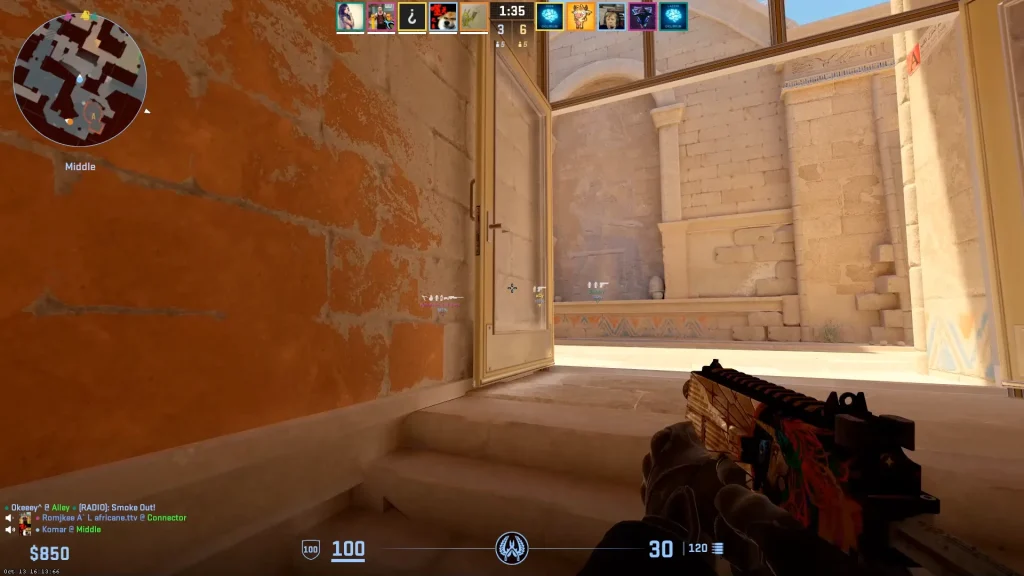
Strategic elevations and unconventional angles transcend mere decorative techniques—they constitute foundational components of elite CS2 performance. Whether progressing through ranked matchmaking, participating in FACEIT competitions, or engaging in professional tournaments, these tactical approaches can enhance your gameplay across multiple dimensions.
First, they shatter predictability. Within CS2, most participants adhere to established patterns. They advance specific positions at predetermined intervals, clear corners based on habitual patterns, and maintain coverage anticipating conventional approaches. By introducing elevations or unconventional perspectives into your tactical repertoire, you disrupt those established rhythms and compel adversaries to adapt, frequently uncomfortably.
Second, they demonstrate efficiency. Through effective coordinated elevations, two teammates can dominate choke points while preserving safer positioning. With well-chosen unconventional angles, a single participant can control territory without dependence on tactical equipment or support. This approach maximizes your available resources—personnel, positioning, and temporal advantages.
Third, they facilitate intelligence gathering. Coordinated elevations specifically provide atypical visual corridors, enabling you to observe developments before your opponents detect your presence. This informational superiority can prove round-defining, particularly if you identify rotational movements early or detect lurking opponents.
Finally, consider psychological warfare. When an adversary falls to an elevation or unconventional angle, they frequently experience frustration. This undermines their self-assurance, generates hesitation during clearing procedures, and occasionally results in irregular gameplay patterns. If you can disrupt their concentration even minimally, you’ve acquired psychological leverage—and within competitive environments like CS2, that proves equally valuable as mechanical aiming proficiency.
Human Reaction Time and Visual Processing
Comprehending how human cognitive processes manage visual data and respond under duress proves critical for effectively utilizing elevations and unconventional angles. Within rapid-paced gaming environments like CS2, typical human response intervals approximate 200-250 milliseconds. That represents less than one-quarter second—yet within scenarios where milliseconds determine survival or elimination, it encompasses everything.
When situating yourself within unconventional perspectives or coordinated elevations, you’re capitalizing on your opponent’s restricted visual field and muscular memory patterns. Most participants develop habitual behaviors over temporal progression: they target conventional positions because their neural pathways become conditioned to anticipate threats there. But when you materialize in locations they hadn’t prepared for, that temporal gap—the duration required for their cognitive processing to register “adversary” and translate it into rapid adjustments—frequently proves excessively delayed.
Supplement that with the intricacy of level design, illumination systems, shadow mechanics, and character models integrating with environmental elements, and it becomes increasingly challenging for opponents to react promptly. Strategic elevations and unconventional angles exploit the narrow visual cones and limited temporal windows participants possess for response. This transcends mere positional superiority—it constitutes neurological advantage.
Within CS2’s framework, Valve’s advanced illumination engine and enhanced visibility mechanisms additionally contribute. The modifications in chromatic palettes, environmental complexity, and movement fluidity impact how readily you become detectable—or concealed. Astute participants leverage these advantages, selecting unconventional perspectives where they merge with backgrounds or employing elevations to position themselves within shadowed areas or above conventional sightlines.
Psychological Pressure of Unexpected Angles
Have you ever been eliminated by an unconventional perspective and discovered yourself expressing frustration? That represents psychological leverage in operation. The emotional impact of unanticipated eliminations causes participants to question their capabilities, hesitate, or overcompensate. This proves especially accurate during consecutive rounds, where falling to identical tactics twice can completely destabilize someone’s performance.
Surprise transcends mere reaction timing—it involves confidence. When your adversary loses conviction in their crosshair placement or begins second-guessing their clearing procedures, their effectiveness declines. That mental vulnerability represents something elite competitors exploit consistently, not merely through mechanical aiming proficiency but through deceptive positioning approaches.
Breaking Common Crosshair Placement
Crosshair positioning represents the fundamental principle of consistent aiming. Every instructor, guide, and professional will advise maintaining your crosshair at cranial elevation and targeted toward where enemies typically materialize. But coordinated elevations and unconventional perspectives? They discard all conventional wisdom.
By situating yourself marginally above, below, or laterally to standard engagement positions, you generate misalignment between where the adversary aims and your actual position. This compels rapid adjustments, uncomfortable recalibrations, or—optimal scenario—completely missed discharges.
It resembles stepping outside rhythmic patterns during dance: your opponent’s muscular memory trains for the established rhythm, and you’re striking the unconventional beat. That fractional temporal misstep? That represents your elimination opportunity window.
CS2 Workshop Maps
Among the most underutilized instruments for mastering elevations and unconventional perspectives involves the Steam Workshop platform. Dozens of community-created levels specifically facilitate movement mastery, elevation coordination, and positioning intelligence. These specialized environments eliminate distractions and enable concentrated mechanical practice until they transform into instinctive responses.
Recommended Workshop environments:
- Yprac Map Series – Provides comprehensive elevation and positioning drills covering every competitive level.
- Training Center 1.5 – Excellent for refining movement mechanics, jump discharge coordination, and stack synchronization.
- Recoil Master – While not specifically designed for elevation training, it’s ideal for developing control proficiency while maintaining unconventional perspectives.
These educational tools remain freely accessible, receive frequent updates, and find utilization among professionals and streaming personalities alike. No justification exists for neglecting their benefits.
YouTube and Streamer Educational Content
An enormous quantity of CS2 instructional material remains available through online platforms. From detailed level guides to professional elevation breakdowns, YouTube represents a treasure trove of strategic enlightenment. Prominent content producers worth monitoring include:
- fl0m – Analyzes tactical approaches and unconventional meta positions through highly accessible presentation styles.
- 3kliksphilip – Renowned for thorough analytical examinations and level geometric deconstructions.
- WarOwl – Delivers instructional and engaging guides, frequently concentrating on positioning intelligence and temporal coordination.
Observe streaming personalities and concentrate on the atypical positions they maintain coverage from. Numerous high-ranking competitors employ locations you wouldn’t conceptualize, simply because they’ve mastered line-of-sight and auditory exploitation techniques.
Community Forums and Discord Platforms
Desiring to genuinely sharpen your competitive capabilities? Participate actively within the CS2 community ecosystem. Reddit discussion threads, Discord communication servers, and FACEIT community forums maintain continuous vibrant discussions concerning elevation positions, angular approaches, and newly discovered level exploits.
Platforms worth joining:
- r/GlobalOffensive on Reddit
- CS2 Strategy Discords
- Level-specific communities like Mirage-dedicated or Nuke Specialist groups
Avoid mere consumption—engage actively. Distribute footage of your unconventional angle multiple elimination sequences or request guidance regarding refining specific tactical configurations. Elite performers consistently maintain learning and adaptation mentalities.
Coordinated elevations and unconventional perspectives within CS2 transcend mere decorative techniques—they represent tactical power maneuvers capable of securing round victories, disrupting adversary momentum, and elevating your gameplay to advanced levels. Whether maintaining coverage from deceptive unconventional positions near A ramp on Vertigo or orchestrating strategic window elevations on Mirage, the essential principle involves maintaining unpredictability, calculated decision-making, and strategic control.
Within gaming environments where milliseconds determine victory, intelligent positioning operates as silent elimination. This distinguishes average participants from game-changing performers. By mastering elevation mechanics, analyzing professional strategies, and refining your implementation of surprise angles, you construct an arsenal of alternatives capable of shifting complete match segments toward your favor.
But recall: these instruments function optimally when employed selectively and creatively. Avoid dependence on identical positions every round—adapt, rotate, and consistently maintain strategic advancement.
Therefore venture forward. Practice your coordinated elevations. Discover innovative angular approaches. Surprise your adversaries.
And most critically—derive enjoyment from the process.
Action Checklist
- Practice 3-5 key boost spots on each competitive map in custom games
- Coordinate with teammates during freeze time to plan boost executions
- Rotate off-angle positions every 2-3 rounds to maintain surprise element
- Analyze pro player demos to identify unconventional positioning strategies
- Record and review your boost executions to identify timing and positioning errors
- Practice 3-5 key boost spots on your main maps in custom games
- Coordinate with teammates during freeze time to plan elevation strategies
- Implement spawn-based timing for early round elevation advantages
- Rotate unconventional positions every 2-3 rounds to maintain surprise elements
- Analyze professional match demos to identify new positioning strategies
- Practice 3 map-specific off-angles in custom games for 15 minutes daily
- Identify opponent patterns during first 3 rounds to determine predictability
- Coordinate with one teammate during freeze time for boost execution
- Rotate between 3 different off-angles every 2-3 rounds
- Analyze demo replays to identify successful positioning
- Practice 3-5 key boost spots per map until achieving execution consistency
- Develop clear communication protocols for boost execution with teammates
- Rotate boost positions every 2-3 rounds to maintain surprise effectiveness
- Analyze professional match demos to identify innovative positioning strategies
- Practice 3 essential elevation positions on your primary competitive levels using workshop training environments
- Coordinate with teammates during pre-round planning phases to establish elevation synchronization
- Rotate your unconventional angle positions every 2-3 rounds to maintain unpredictability
- Analyze professional match recordings to identify innovative positioning strategies
- Activate
Effective communication transforms tactical gimmicks into strategic advantages. Superior team coordination regarding elevations and unconventional angles increases applied pressure against opposing forces.
Risk Assessment vs. Tactical Rewards: Implementation Limitations
Elevation tactics and unconventional angles don’t represent magical solutions. If overutilized or poorly timed, they can become strategic liabilities.
Here’s when not to employ these techniques:
No reproduction without permission:Tsp Game Club » Boost Spots and Off-Angles to Surprise Opponents