
TL;DR
- CS2 features five distinct grenade types with unique tactical applications that can single-handedly win rounds
- Proper smoke placement creates 18-second vision denial while flashes enable aggressive pushes and teammate support
- Molotovs and HE grenades provide area denial and damage capabilities with specific economic considerations
- Strategic timing and coordinated usage separate amateur throws from professional-level utility execution
- Daily 20-30 minute practice sessions using community maps build consistent lineup muscle memory
By completing this guide, you will achieve:
- Master identification of all CS2 grenade types and their precise mechanics
- Develop advanced strategic timing for utility deployment in critical situations
- Implement professional-level grenade techniques that transform round outcomes
Grenades represent the tactical foundation of high-level Counter-Strike gameplay. A strategically timed utility throw can completely reverse round momentum, turning seemingly lost situations into decisive victories for your squad. The crucial differentiator lies in understanding proper throwing mechanics and recognizing the exact moments when specific grenades deliver maximum impact.
Economic utility management separates competent players from true contenders. While purchasing full grenade sets demonstrates financial strength, true value emerges only through precise application. Without proper timing knowledge and reliable lineups, even the most expensive utility collection can become detrimental to team success.
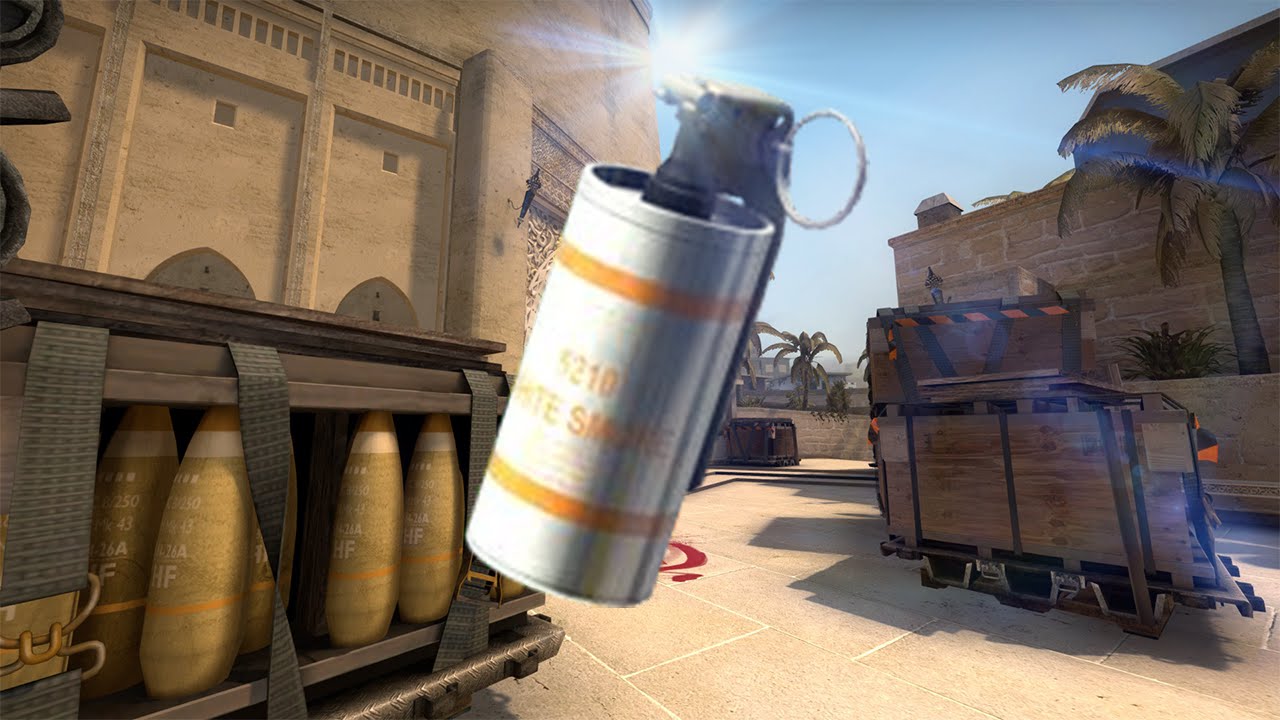
The smoke grenade stands as the consensus most vital utility piece among competitive players. Upon deployment, it generates an opaque smokescreen with an exact 18-second duration that blocks vision completely.
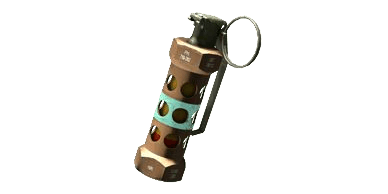
The subsequent critical utility piece is the flashbang, widely considered the most teamwork-dependent grenade in competitive Counter-Strike. Its deployment often determines round outcomes, serving as either the decisive winning factor or catastrophic failure when misused. The operational mechanism involves line-of-sight blinding: players facing the detonation experience temporary vision impairment lasting from 0.1 to 5.5 seconds based on proximity and angle.
Molotov cocktails and their CT counterpart incendiaries provide area denial capabilities for flushing defenders from entrenched positions. Players remaining within the burning area sustain escalating damage (increasing per tick the longer they stay). Fire duration persists for approximately 7 seconds (technically 7.03125 seconds). Overlapping flame zones compound damage output, creating deadly combinations.
Critical distinction: molotovs remain terrorist-exclusive utility, while counter-terrorists utilize incendiaries with identical functionality. Both player bases typically use “molotov” as the universal callout. The two variants differ beyond aesthetics, featuring significant economic disparity (CT version costs $600 versus T’s $400 investment).
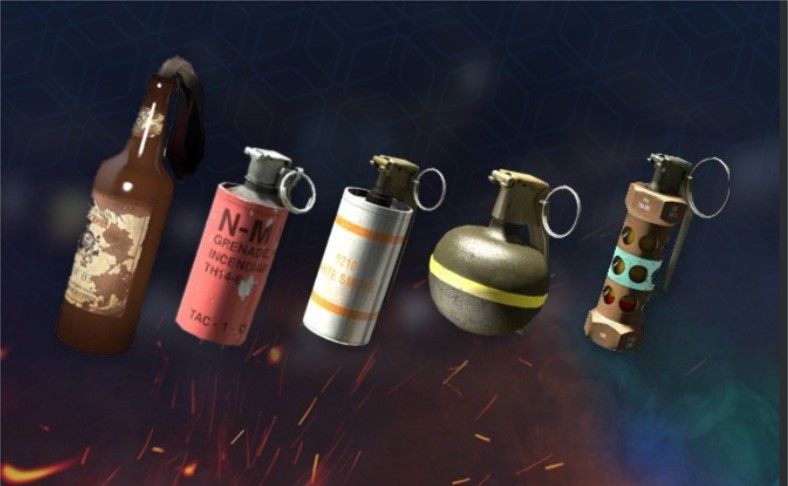
HE grenades (high-explosive) historically saw limited usage until the Astralis era revolutionized utility meta. The Danish squad demonstrated innovative explosive applications that other professional teams subsequently incorporated into specific round strategies. Post-detonation damage calculation depends on three factors: distance from explosion epicenter, armor possession status, and protective equipment quality. Unarmored players receive doubled damage output while teammate-thrown HE grenades inflict reduced harm to prevent excessive friendly fire incidents.
The final utility category is the decoy grenade, available for merely $50 and frequently dismissed as worthless. Activation occurs moments after landing, emitting audio mimicking the user’s primary weapon discharge. Several elite teams discovered situational applications for decoys, with Astralis again demonstrating creative deployment methods that transformed perception of this underestimated tool.
Smoke deployment fundamentally serves to delay offensive pushes, while terrorist-side players utilize smokes to obstruct defender sightlines, simplifying site execution maneuvers. Vision denial against counter-terrorists proves crucial because support players lose effective assistance capabilities: they may attempt spam fire through smoke barriers or deploy counter-flashes behind teammates to aid engagements.
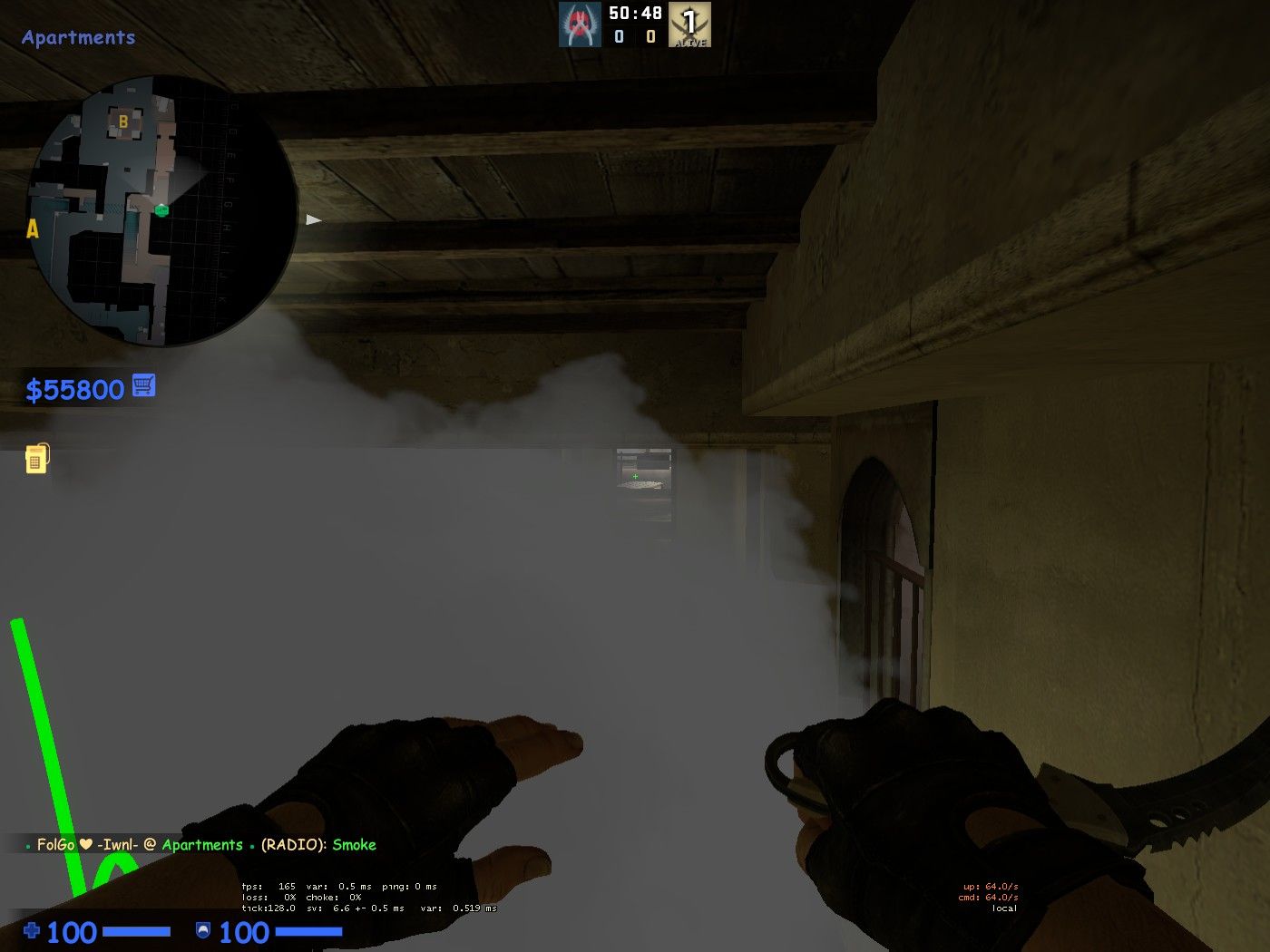
Counter-terrorist smoke placements frequently determine round outcomes since each properly positioned smoke delays enemy advancement for the full 18-second duration. Terrorist squads typically await smoke dissipation rather than risking blind pushes, though successful smoke rushes remain possible with coordinated self-flashing strategies. Sometimes these aggressive smoke pushes outperform standard executions due to their unpredictable nature. When defending as CT and repeatedly smoking choke points, maintain awareness for such unexpected aggressive movements.
Flashbangs become essential tools for creating teammate advantages, where a single perfectly timed flash can secure seemingly unattainable round victories. Consider this scenario: your solo B anchor on Inferno faces four rushing opponents. As they take cover behind new box requesting assistance, your positional distance makes physical support impossible. Optimal assistance involves throwing flashbangs behind your teammate, enabling safe peeks against fully blinded enemies.
Flash deployment scenarios break down into two primary categories:
- Chokepoint clearance and bombsite execution setups
- Direct teammate support during active gunfights
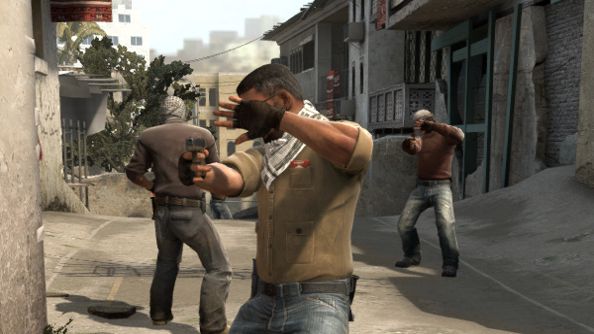
The first application remains straightforward: when exiting dangerous areas where you suspect enemy coverage, deploying a flash provides safety for subsequent peeks. Full site executions mandatorily require flash support; otherwise, site defenders can effortlessly dismantle attacking forces.
As previously established, supportive flashes excel when teammates anticipate engagements. Flashing behind allies prevents their blindness while affecting all opposing players in the confrontation zone.
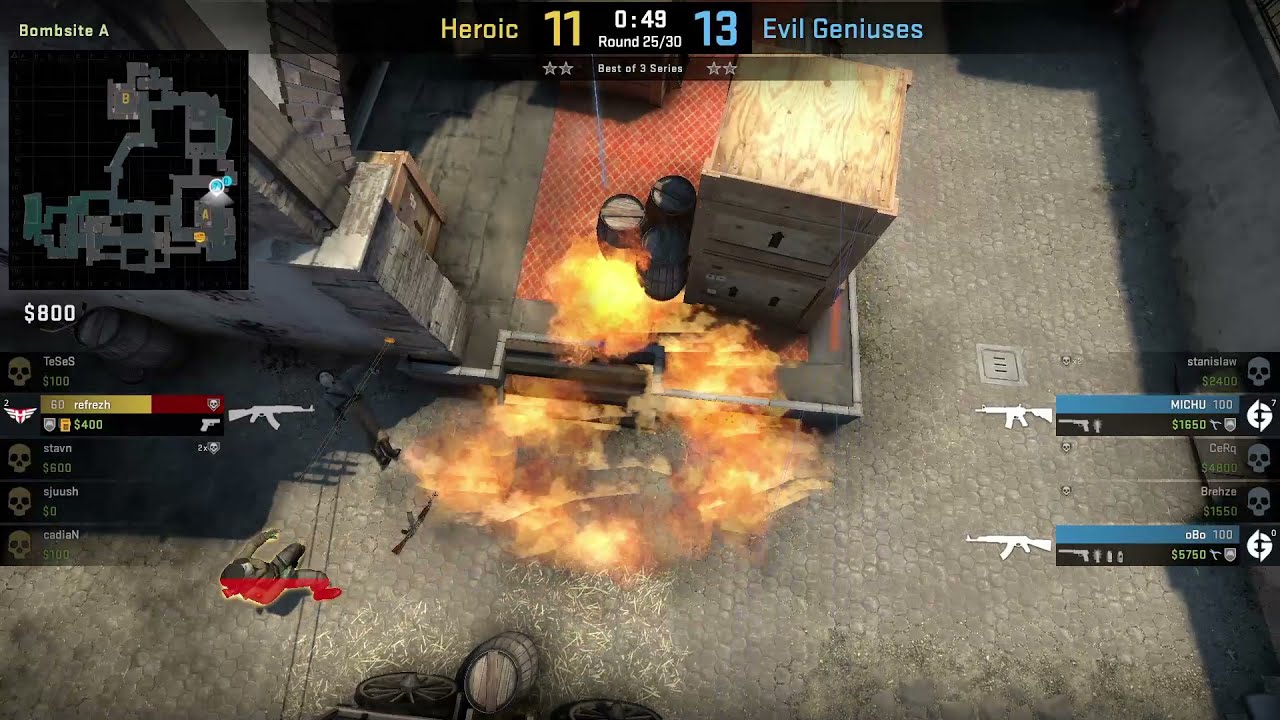
Molotov implementation mirrors smoke functionality for counter-terrorist teams, serving as area denial tools to slow terrorist advancements. Meanwhile, terrorist sides utilize molotovs to incinerate high-threat positions, eliminating thorough clearance requirements.
We acknowledge that mastering extensive grenade lineups presents significant challenges. Players must memorize numerous throwing positions and timings, creating potential overwhelm. Crucially, even comprehensive grenade knowledge doesn’t guarantee success, as the meta continuously evolves with new techniques emerging regularly.
Three primary methodologies exist for acquiring new grenade knowledge:
- Studying professional match demos and player streams for innovative applications;
- Utilizing specialized grenade prediction services for precision training;
- Accessing community-created training maps and servers (YPrac platforms etc.);
After discovering useful lineups, the subsequent challenge involves retention strategies. The most effective approach incorporates daily 20-30 minute dedicated practice sessions repeating grenade throws until muscle memory develops.
Grenades constitute non-negotiable competitive fundamentals. Maintain consistent practice routines while continuously expanding your utility repertoire. This systematic approach dramatically accelerates progression toward professional-level gameplay performance.
Action Checklist
- Practice 3 essential smoke lineups for your primary maps daily
- Master 2 pop-flash variations for common entry points
- Learn 1 molotov lineup per bombsite to deny common defensive positions
- Study professional demos weekly to identify new utility applications
- Coordinate team flash drills to prevent friendly blinding incidents
No reproduction without permission:Tsp Game Club » Ultimate Grenades Guide in CS2 Master CS2 grenades with strategic utility usage, lineup techniques, and advanced tactical applications